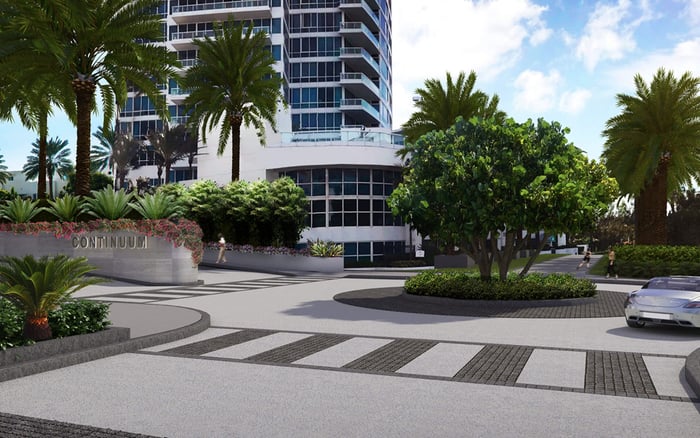
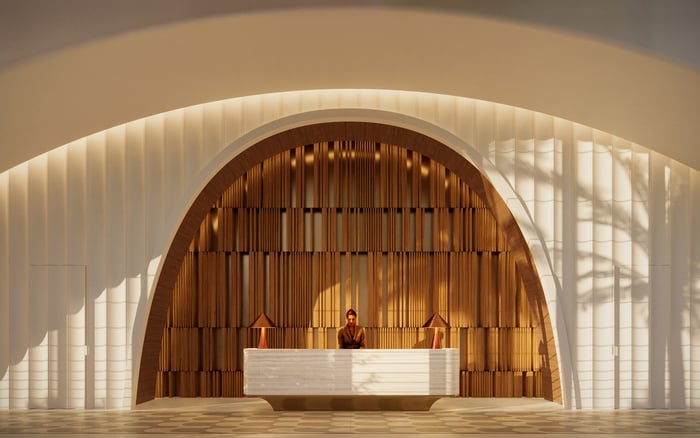
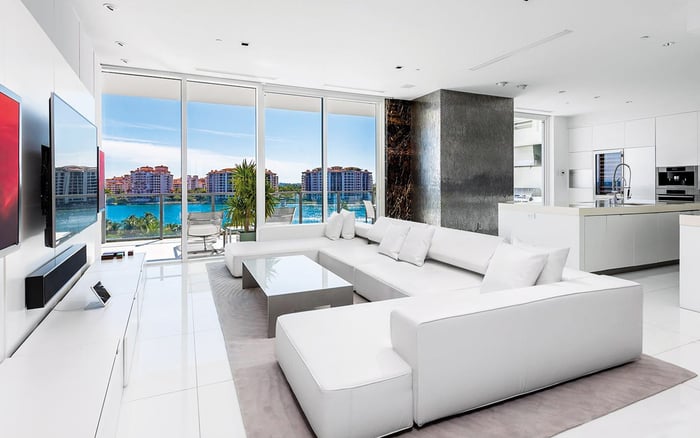
Two waterfront worlds sit at opposite ends of Miami Beach: South of Fifth’s polished energy and Bal Harbour’s village-quiet discretion. Here’s how sophisticated buyers decide.
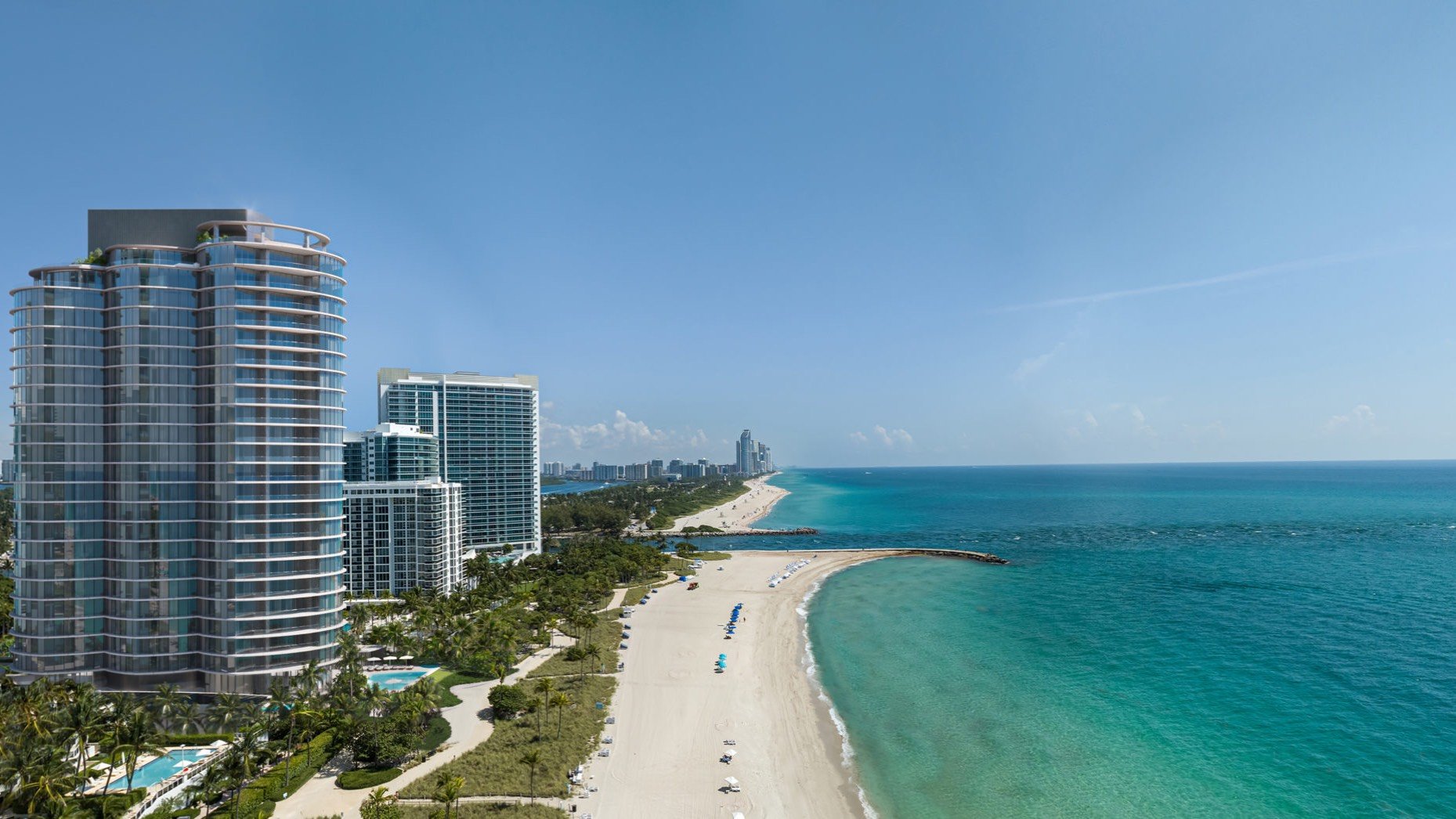
South of Fifth and Bal Harbour both deliver rare beachfront access and unmistakable Miami polish, but they optimize for different luxuries: South of Fifth is built for immediacy and momentum, while Bal Harbour is defined by quiet control and a resort-caliber lifestyle that never needs to announce itself.
For buyers, this is rarely just a price-per-foot exercise. It is an operating-system decision. Do you want to move from a sunrise walk to a high-energy lunch scene, then end the night a short drive from landmark venues? Or do you prefer a lighter calendar, fewer variables, and a neighborhood that feels intentionally edited from the start?
(For readers tracking our taxonomy, this guide explicitly covers Bal-harbour, Miami-beach, Sofi, and South-of-fifth as distinct lifestyle signals.)
South of Fifth, often shortened to Sofi, anchors the southern tip of Miami Beach. It is compact, highly walkable, and has the sense of arrival that comes from being wrapped in water and defined by a small cluster of prized residential towers. Day to day, proximity does the work. The beach is always close, and the broader South Beach ecosystem is immediately accessible.
Bal Harbour reads differently. It feels like a small luxury village with municipal services that reinforce order and predictability. The Village of Bal Harbour maintains its own police department, a detail that signals governance style and local control. The result is a place that feels deliberate, with less of the transient churn that can characterize more tourism-forward pockets of the barrier island.
MILLION Luxury has long framed South of Fifth as the denser, higher-energy enclave and Bal Harbour as the smaller, quieter luxury village. In real life, that distinction shows up in street rhythm, in how often residents default to walking versus driving, and in how the neighborhood “sounds” even when you are not seeking activity.
South Beach’s identity is inseparable from its architectural legacy. The Art Deco Historic District is a National Register historic district, listed in 1979, with more than 800 preserved buildings spanning Art Deco, Mediterranean Revival, and MiMo styles. Even if you live in a newer tower, that heritage shapes the daily backdrop, from the pastel palette to the neighborhood’s emphasis on detail.
The City of Miami Beach points to classic Art Deco signatures such as neon, glass block, curved corners, and “eyebrow” window details. For a buyer, these elements are not just aesthetic trivia. They influence how streets feel at night, how public spaces photograph, and how strongly the neighborhood holds its identity through changing cycles.
Bal Harbour’s visual language is typically quieter. It is luxury-coded, but with less emphasis on historic character and more on refined, resort-adjacent calm. Many buildings present understated frontage, with the most meaningful experiences unfolding behind gates, in lobbies, and on oceanfront terraces.
In South Beach, the ocean is not only scenery. It is a promenade culture. Lummus Park runs along Ocean Drive with direct beach access and a paved beachfront promenade that supports walking, biking, and everyday recreation. It functions as a public stage, and that visibility is part of the appeal for residents who like feeling plugged in.
At the southern tip, South Pointe Park offers a more cinematic version of outdoor life: walking paths, beach access, and notable views of Government Cut with cruise traffic and the Miami skyline. It is where the city feels kinetic, even when you are standing still.
Bal Harbour’s beach experience tilts the other way. AAA has included Bal Harbour Beach among Miami’s least crowded beaches, a list-based distinction that still matches the lived reality: fewer interruptions, more space to settle in, and a rhythm closer to a private resort day than a public promenade.
For second-home buyers, this difference becomes practical. In South of Fifth, you can choose energy and still find privacy at home. In Bal Harbour, the neighborhood itself is part of the privacy plan.
Bal Harbour’s global calling card is Bal Harbour Shops, long positioned as a major luxury shopping destination in Miami. For residents, the advantage is not simply access to luxury retail. It is the convenience of a curated environment that aligns with ultra-premium service expectations.
The on-site dining lineup is similarly established, with Bal Harbour Shops publishing a directory that includes names widely recognized by local residents such as Makoto, Carpaccio, Hillstone, and Le Zoo. That concentration matters because it creates a reliable default for everyday dining. You can keep plans effortless without lowering standards.
South of Fifth is not a retail destination in the same way, but it thrives on adjacency. You are minutes from the broader South Beach circuit, where dining, entertainment, and people-watching are woven into the neighborhood’s identity. In buyer terms, SoFi often wins on spontaneity, while Bal Harbour wins on consistency.
If nightlife is part of your Miami identity, South Beach offers immediate access to iconic venues with distinct operating styles.
LIV Nightclub operates inside Fontainebleau Miami Beach and is widely recognized as a flagship, high-profile club venue in the South Beach canon. E11EVEN Miami is known for operating 24/7, building its brand around constant availability. For LGBTQ+ nightlife, Twist in Miami Beach is a long-running venue with multiple rooms and bars within one complex. On the sand, Nikki Beach Miami Beach presents the branded beachfront club model, while Mango’s Tropical Cafe on Ocean Drive centers live shows and Latin music.
Bal Harbour is rarely the address buyers choose for late-night density. It is where you retreat after a night out, or where you keep evenings more contained: a refined dinner, a quieter cocktail, and a morning that starts early because sleep was protected.
For many ultra-high-net-worth households, the most sophisticated version of nightlife is optionality. South of Fifth offers more of it on demand. Bal Harbour makes opting out effortless.
At this tier, lifestyle is delivered through building operations as much as location. South of Fifth’s best addresses tend to emphasize separation from the neighborhood’s public energy. A clear example is Apogee South Beach, a luxury condominium in the South of Fifth area known for its limited residence count of 67 units and a privacy-forward positioning. For buyers who want South Beach access without South Beach exposure, that limited inventory is part of the appeal.
Bal Harbour’s marquee condominium options are often defined by resort-style services and oceanfront presence. Oceana Bal Harbour is marketed as a luxury oceanfront development with resort-style services and unobstructed water views, language that aligns with what many Bal Harbour buyers prioritize: a day-to-day environment that feels like a five-star property, without the churn of transient guests.
For those seeking the scarcity narrative that defines true beachfront supply, Rivage Bal Harbour is positioned as a rare, limited beachfront development opportunity. When buyers use the word “trophy” in Bal Harbour, they often mean a combination of location, limited future supply, and a lifestyle that stays insulated.
For purchasers who want Miami Beach’s cultural adjacency with a residential experience shaped by hospitality DNA, The Ritz-Carlton Residences® Miami Beach sits as an option to consider within the broader Miami Beach luxury matrix.
Even when you are not buying into a branded residence, nearby hotels can influence how a neighborhood performs for residents.
In Bal Harbour, The Ritz-Carlton Bal Harbour, Miami is positioned as a beachfront luxury hotel, and The St. Regis Bal Harbour Resort is noted as being directly across from Bal Harbour Shops and emphasizing high-touch service, including St. Regis Butler Service. For residents, these properties contribute to the area’s service ecosystem: visiting family can stay close, meetings can happen in polished settings, and the neighborhood retains a sense of international resort credibility.
South of Fifth’s infrastructure is different. The “amenity” is the surrounding city itself: parks, the waterfront, and access to South Beach’s cultural and nightlife circuits. The result is a neighborhood that feels active even on a random Tuesday.
South of Fifth tends to reward buyers who value walkability, visible waterfront life, and the option to socialize without planning. If you entertain often, if you want parks and promenades baked into your daily routine, or if you like the idea that the neighborhood has a pulse, SoFi can feel like the most distilled version of Miami Beach.
Bal Harbour tends to reward buyers who value quiet mornings, a less crowded beach experience, and a highly curated retail-and-dining nucleus. It works especially well for second-home owners, privacy-first households, and anyone who wants time in Miami to feel restorative rather than performative.
In both enclaves, the most resilient value is usually tied to three traits: protected views, strong building operations, and a lifestyle that is difficult to replicate elsewhere on the barrier island.
What is the simplest difference between South of Fifth and Bal Harbour? South of Fifth is higher-energy and closely connected to South Beach; Bal Harbour is quieter, more village-like, and oriented around discretion.
Is South Beach only about Art Deco buildings? No. The Art Deco Historic District strongly shapes the area’s look and feel, with 800+ preserved buildings and signature design elements like neon and glass block.
Which area is better for daily walking and outdoor routines? South of Fifth is exceptional for promenades and park loops, particularly around Lummus Park and South Pointe Park.
Which area feels calmer on the beach? Bal Harbour often reads calmer, and it has been highlighted among Miami’s least crowded beaches in AAA’s directional guidance.
Where is the stronger luxury shopping hub? Bal Harbour, anchored by Bal Harbour Shops and its well-known restaurant lineup.
Which neighborhood is better for nightlife access? South Beach is stronger for nightlife density, with venues like LIV, E11EVEN, Twist, Nikki Beach, and Mango’s Tropical Cafe all part of the broader circuit.
Does Bal Harbour have its own police department? Yes. Bal Harbour operates its own police department as a municipal service.
What does “Sofi” mean in Miami real estate conversations? Sofi is the common shorthand for South of Fifth, the southern tip of Miami Beach known for high-end residential towers and a walkable waterfront lifestyle.
Why do buyers mention Apogee South Beach so often? Apogee South Beach is known for a limited residence count and a privacy-forward positioning within South of Fifth.
What defines the Oceana Bal Harbour lifestyle? Oceana Bal Harbour is marketed around resort-style services and unobstructed water views, aligning with Bal Harbour’s calm, service-driven tone.
For private guidance on choosing the right enclave and building, connect with MILLION Luxury.
If branded residences are on your mind — as a home or as an allocation — we would be glad to share what we are seeing, privately.
Begin a quiet conversation