A practical due-diligence guide for family buyers considering Alana Bay Harbor Islands, focused on structural reserve-study exposure, long-term ownership costs, association funding and the difference between lifestyle fit and capital-risk clarity.
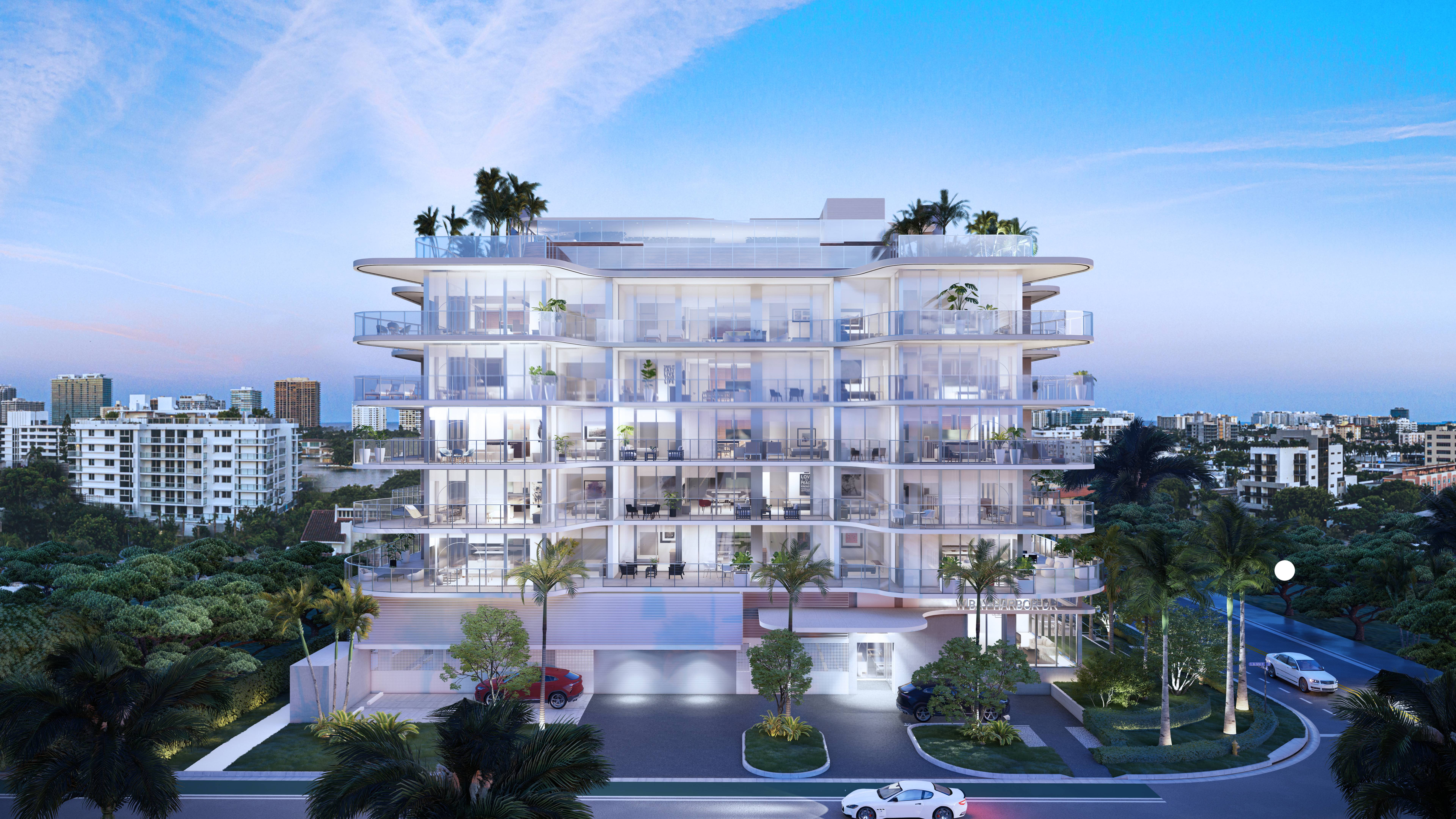
Alana Bay Harbor Islands sits in one of South Florida’s most quietly coveted residential pockets, where family buyers often weigh walkability, neighborhood rhythm, privacy and access to the broader Bal Harbour-area corridor. The appeal is easy to understand. Bay Harbor Islands offers a more intimate alternative to larger resort-style beachfront markets, and Alana Bay Harbor Islands is positioned as a boutique luxury condominium opportunity within that setting.
For families, however, the purchase decision should not end with floor plans, finishes and lifestyle fit. A condominium is also a shared financial structure. The association’s approach to structural maintenance, capital repairs, insurance assumptions and reserves can shape the real cost of ownership long after closing. That is the central due-diligence question for buyers evaluating Alana Bay Harbor Islands: how exposed could the household be to future reserve requirements, association funding decisions or engineering-driven capital needs?
This is not a warning against the building. It is a reminder that luxury due diligence should be as refined as the purchase itself. Families buying for daily life, school proximity, multigenerational use or a long-term South Florida base should ask different questions than a purely investment-focused buyer. The goal is not to predict every future cost, but to understand where uncertainty sits.
Family buyers tend to begin with the human questions. Is the residence large enough? Does the neighborhood feel calm? How does the commute work? Is there a private-school path nearby? Will the home support weekdays, holidays and visiting relatives with grace? These are legitimate priorities, especially in a market where quality of life often drives the premium.
Yet condominium ownership adds another layer. The home is private, but many critical systems are collective. Major structural elements, waterproofing, roof assemblies, façade conditions and life-safety systems typically fall into the category of building-wide responsibility. If reserves are insufficient, assumptions change, or future engineering analysis identifies significant capital needs, the association may need to adjust monthly fees, levy special assessments or revisit its long-term funding plan.
That is why a family evaluating Alana Bay Harbor Islands should treat reserve exposure as part of the purchase architecture. A beautiful residence can still carry uncertain shared obligations. A thoughtful buyer wants to know how those obligations are anticipated, documented and funded.
The first question is direct: has a structural reserve study been completed, scheduled or budgeted for the building? If it has been completed, families should ask what it covers, who prepared it and how its recommendations are reflected in the budget. If it is scheduled or anticipated, buyers should understand the expected timing and whether the association or developer has already reserved funds for that work.
The second question is scope. A reserve study that focuses narrowly on cosmetic replacements is not the same as one that addresses the building’s larger structural and life-safety obligations. Families should ask whether the anticipated reserve framework includes major structural systems, waterproofing, roof components, façade elements and other critical building systems. The language matters because different categories can produce very different funding needs.
The third question is assumptions. Reserve studies depend on projected useful lives, replacement costs and funding models. A conservative model may build steadily toward future needs. A leaner model may keep early monthly costs lower while leaving more work for later association decisions. Neither approach should be accepted blindly. The buyer’s task is to understand the underlying philosophy.
For a condominium buyer, the period before and after turnover to the association can be especially important. A developer’s initial budget may not always mirror the association’s eventual long-term reserve needs. Families should ask whether the budget presented at purchase is expected to differ materially once the association controls its own operations and capital planning.
This question is particularly relevant for buyers comparing new-construction or pre-construction opportunities with established buildings. Early budgets can feel clean and efficient, but families need to know whether those figures are intended as a near-term operating framework or as a durable forecast of long-term ownership cost. If a new project is being evaluated, the buyer should pay close attention to what is promised, what is estimated and what will be determined later by the association.
The strongest family-buyer conversation is not simply, “What are the monthly fees?” It is, “What might cause the monthly fees to change?” That reframing opens the door to better questions about insurance assumptions, reserves, maintenance cycles, capital repairs and potential assessments.
Before closing, family buyers should review the condominium documents, current or proposed budgets, reserve disclosures, engineering reports, insurance assumptions and turnover materials. If any of those documents are unavailable, incomplete or difficult to interpret, that is a reason to slow down and request professional guidance.
The budget should be read for more than its monthly number. Buyers should look for reserve contributions, line items related to maintenance and repair, assumptions about insurance and any notes that indicate future adjustments may be necessary. Reserve disclosures should be read with an eye toward both scope and sufficiency. Engineering materials, if provided, should be reviewed by a qualified professional who can translate technical findings into ownership implications.
For families, this is not merely financial housekeeping. It is household planning. A buyer who expects to hold the residence through school years, seasonal use or multigenerational occupancy needs to understand whether future building obligations could interrupt that plan.
At Alana Bay Harbor Islands, the most useful questions are specific but not adversarial. Ask how long-term structural maintenance is expected to be funded. Ask whether current reserve assumptions could lead to higher monthly fees after turnover. Ask whether special assessments could be required if reserves are underfunded or if future engineering work identifies major capital needs.
Also ask which building components are included in reserve planning. The answer should not be limited to visible amenities. Families should listen for the less glamorous systems that preserve the building over time: waterproofing, roof, façade, structural and life-safety categories. Those are the elements that can have the greatest effect on future shared costs.
The Bay Harbor and Bal Harbour residential conversation is often shaped by elegance, discretion and proximity. That is appropriate, but the due-diligence standard should be equally elevated. The more refined the purchase, the more disciplined the review should become.
A confident reserve conversation does not require certainty about every future expense. No building can eliminate all long-term maintenance risk. What matters is whether the plan is coherent, documented and financially realistic.
Families should look for clear explanations rather than vague reassurance. A strong answer will connect the budget to reserve assumptions, explain what components are covered, identify whether further studies are expected and describe how future funding decisions would be handled by the association. It should also distinguish between developer-period expectations and association-period responsibility.
If the answers are incomplete, the buyer does not necessarily need to walk away. But the uncertainty should be priced into the decision, discussed with counsel and evaluated alongside the family’s expected hold period. A household planning to use the residence for many years may think differently about reserve exposure than a buyer with a shorter horizon.
The best family purchases in South Florida balance emotion with structure. It is possible to love the neighborhood, appreciate the boutique scale and still ask difficult financial questions. In fact, those questions often protect the very lifestyle the buyer is seeking.
Alana Bay Harbor Islands may appeal to families who want a luxury condominium address in a more intimate setting within the Bal Harbour-area corridor. The careful buyer will pair that appeal with a disciplined review of reserve studies, association budgets, structural maintenance planning and potential assessment exposure. That is not a pessimistic approach. It is an ownership-minded one.
Why should family buyers ask about structural reserve-study exposure at Alana Bay Harbor Islands? Because future structural inspections, reserve requirements or association funding decisions could affect ownership costs after purchase.
Is reserve exposure only a concern for older buildings? No. Even newer or boutique condominium opportunities require long-term planning for structural maintenance, capital repairs and shared building systems.
What should buyers ask first? Ask whether a structural reserve study has been completed, scheduled or budgeted, and how its assumptions are reflected in the association budget.
Which building components matter most in reserve planning? Buyers should ask about major structural systems, waterproofing, roof components, façade elements and life-safety systems.
Can monthly fees change after turnover to the association? They can if the association’s long-term reserve needs differ from the developer’s initial budget assumptions.
Could special assessments become part of the risk? Yes. Special assessments may be considered if reserves are underfunded or if future engineering work identifies major capital needs.
What documents should be reviewed before closing? Review condominium documents, budgets, reserve disclosures, engineering reports, insurance assumptions and turnover materials.
Should families rely only on sales materials? No. Sales materials may explain lifestyle appeal, but reserve exposure requires document review and qualified professional guidance.
How does this affect long-term family planning? Unexpected fee increases or assessments can affect household budgeting, hold-period strategy and the overall comfort of ownership.
Does asking these questions mean the building is risky? Not necessarily. It means the buyer is treating luxury ownership as both a lifestyle decision and a shared financial responsibility.
For a discreet conversation and a curated building-by-building shortlist, connect with MILLION.
If branded residences are on your mind — as a home or as an allocation — we would be glad to share what we are seeing, privately.
Begin a quiet conversation