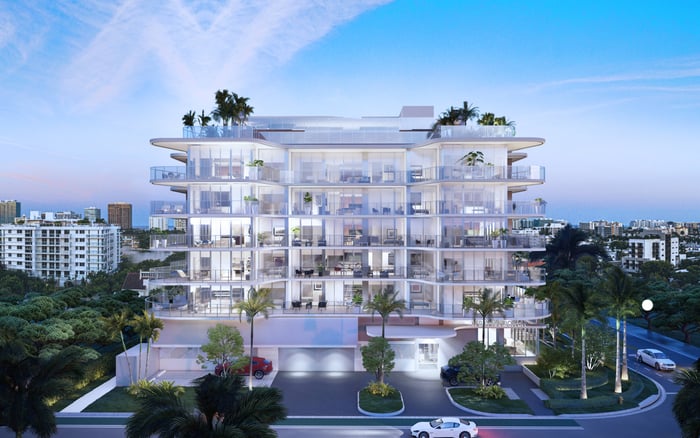
A practical pre-contract guide for buyers evaluating neutral-finish resale at Alana Bay Harbor Islands, with attention to design coherence, association review, pricing discipline, and future customization.
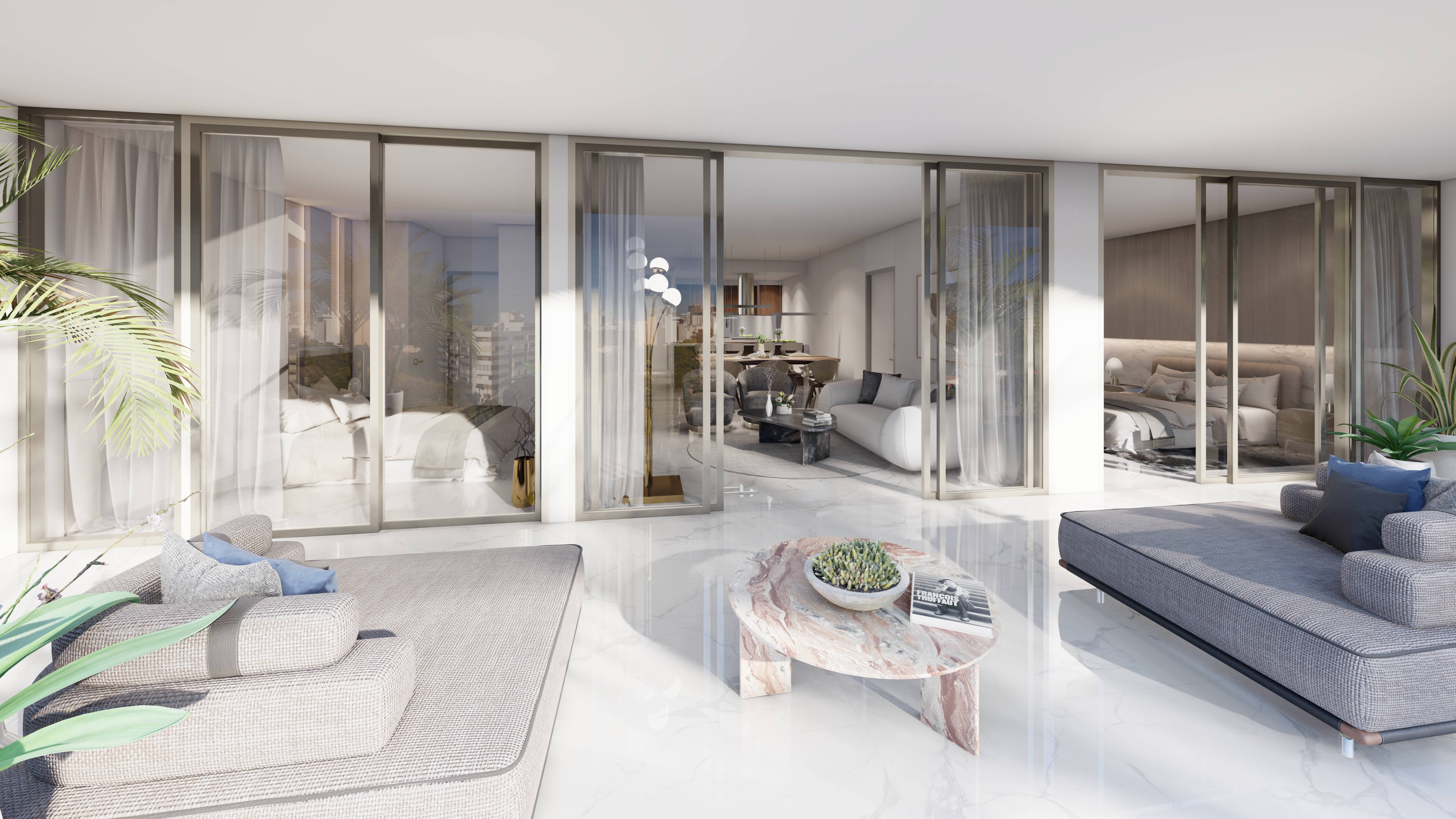
For a neutral-finish resale at Alana Bay Harbor Islands, the most valuable diligence happens before the contract is signed. This is the moment to move beyond photography, staging, and first impressions, and to convert the residence into a set of verifiable conclusions: condition, design flexibility, building context, ownership costs, rules, and market position.
The task is not simply to decide whether the home is attractive. It is to determine whether it is physically sound, financially coherent, and competitively priced for Bay Harbor Islands. Boutique scale, resale discipline, second-home usability, investment logic, and Surfside proximity all matter because the likely buyer pool values calm residential character, walkability, and adjacency to Bal Harbour, Surfside, and the beaches without the density of a resort corridor.
Neutral should never be treated as a synonym for generic. The question is whether the materials, palette, proportions, and layout are broadly appealing, well executed, and durable enough to support long-term use. A refined neutral interior can be a meaningful advantage in Bay Harbor Islands because it accommodates different furniture collections, art programs, lighting schemes, and soft-finish upgrades without requiring an immediate renovation.
That flexibility can widen the future buyer pool. Highly personalized stone, strong color, or idiosyncratic millwork may photograph memorably, but it can also narrow resale appeal. A well-executed neutral residence, especially in a well-located, design-forward boutique building, may retain stronger liquidity in a softer market because more buyers can imagine themselves living there.
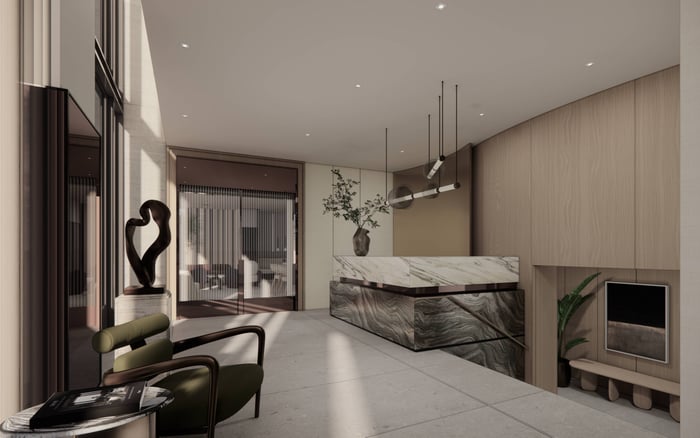
A pre-contract visit should be slow and sequential. Begin with the exterior impression, then move through the lobby, corridors, elevator arrival, and finally the residence. Future buyers tend to judge a property as one continuous design experience, not as a collection of isolated rooms. If the unit’s neutral finishes feel aligned with the building’s broader architectural language, that coherence can support long-term value.
If the interiors feel disconnected from the common areas, the issue requires sharper judgment. Sometimes a quieter interior can feel upgraded, calm, and more sophisticated than the surrounding spaces. In other cases, it can feel off-brand, especially if the building has a strong design identity and the residence feels merely safe. Before contract, buyers should decide which is true, preferably with an architect, designer, or highly experienced advisor walking the home in daylight.
A neutral resale can appear move-in ready, but that does not mean the purchase is economically complete. Buyers should model the full cost of ownership, including the purchase price, closing costs, association expenses, insurance considerations, likely maintenance, and any design work needed to make the home feel personal.
This is where a beautiful neutral palette deserves close scrutiny. Are the floors, cabinetry, counters, lighting, and hardware durable enough to keep, or will they become near-term replacement items? Are there signs of deferred upkeep hidden behind staging? Is the asking price leaving room for furniture, art placement, lighting revisions, window treatments, and other soft customizations? A residence can be visually calm and still be financially imprecise if the buyer has not priced the next layer of living.
The pre-contract period should include association and legal review, not as an afterthought but as part of the purchase thesis. Rules around alterations, move-ins, leasing, pets, contractors, deposits, reserves, and insurance can materially affect how a buyer uses the residence. This is especially important for long-term second-home owners who may not live in the property year-round but still expect a polished, low-friction ownership experience.
A neutral interior is valuable only if the building framework supports the buyer’s intended life. If customization is likely, confirm whether the building process is practical. If future leasing is part of the plan, understand the rules before assigning value to that optionality. If the unit is being purchased as a long-hold residence, review the documents with the same seriousness as the finishes.
Alana should be evaluated against both older Bay Harbor Islands condominium stock and newer boutique developments competing for similar buyers. The comparison is not only about price per square foot. It is about design coherence, walkability, building scale, condition, buyer profile, and how much additional money a purchaser must spend after closing.
In that context, buyers may naturally compare the residential tone of Bay Harbor Towers, the newer-boutique conversation around La Maré Bay Harbor Islands, and the broader local design expectations shaped by Onda Bay Harbor. A buyer does not need every detail to be identical. The goal is to understand whether the Alana resale is priced and presented in a way that makes sense within the neighborhood’s boutique luxury language.
Before signing, the buyer should be able to answer a concise set of questions. Does the residence feel coherent from building entry to private interior? Are the neutral finishes high-quality enough to keep? Does the layout allow future furniture, art, and lighting without structural disruption? Are association rules compatible with the intended use? Is the price justified against both older stock and newer boutique alternatives such as The Well Bay Harbor Islands?
If the answer is yes, neutral finish becomes an asset: adaptable, discreet, and easier to personalize. If the answer is no, the buyer should either renegotiate with precision or pause before accepting a contract that turns quiet design into expensive ambiguity.
Is neutral finish a weakness at Alana Bay Harbor Islands? Not necessarily. A refined neutral palette can broaden buyer appeal when the materials, layout, and execution feel high-quality.
What should I evaluate before signing a contract? Review physical condition, design flexibility, association documents, ownership costs, and comparable market positioning before becoming bound.
Why does architectural coherence matter? Buyers often experience a building continuously, from lobby to corridor to residence. A coherent sequence can support stronger resale perception.
Should I hire a designer before contract? It can be useful if customization is likely. A designer can identify whether the neutral base is flexible or quietly expensive to adapt.
How should I compare Alana with other Bay Harbor condos? Compare older stock and newer boutique buildings by condition, design language, ownership costs, and likely future buyer appeal.
Can a neutral resale still need renovation? Yes. Neutral color does not guarantee durable materials, current lighting, functional storage, or finishes that match the buyer’s standards.
Who is the likely buyer for this type of residence? The pool often includes end-users and long-term second-home owners who value walkability, boutique scale, and a quieter residential feel.
Does proximity to Bal Harbour and Surfside matter? Yes. Bay Harbor Islands benefits from nearby luxury retail, beaches, and dining while retaining a more residential character.
What is the biggest pre-contract mistake? Treating attractive photos as proof. The buyer should convert visual appeal into verified information before committing.
When is a neutral-finish resale most compelling? It is most compelling when it feels move-in ready today and adaptable enough for future furniture, art, lighting, and soft-finish customization.
If you'd like a private walkthrough and a curated shortlist, connect with MILLION.
If branded residences are on your mind — as a home or as an allocation — we would be glad to share what we are seeing, privately.
Begin a quiet conversation