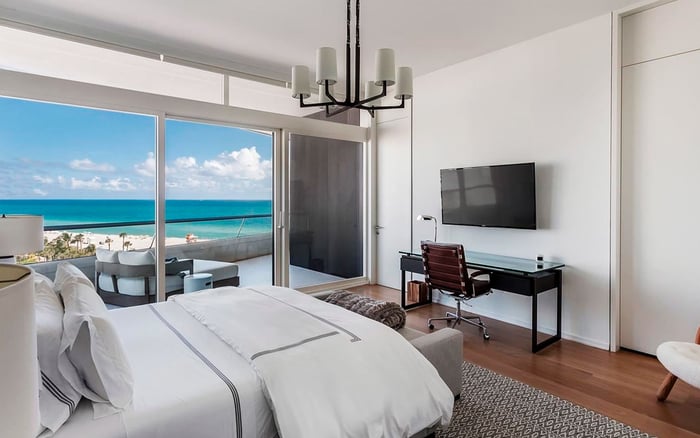
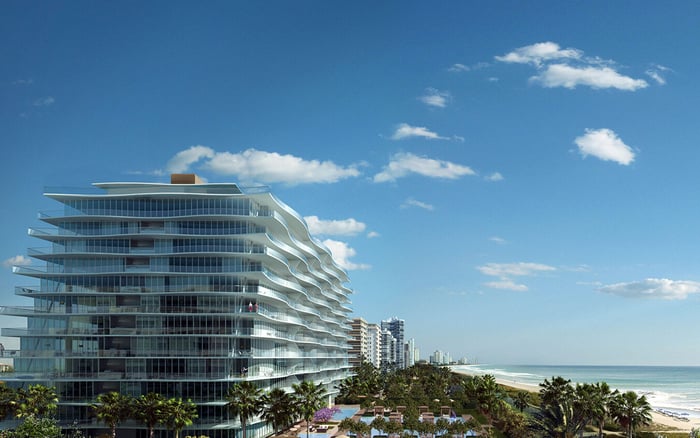
A buyer-focused guide to evaluating when direct beach-to-elevator ease becomes a meaningful resale advantage in South Florida luxury real estate.
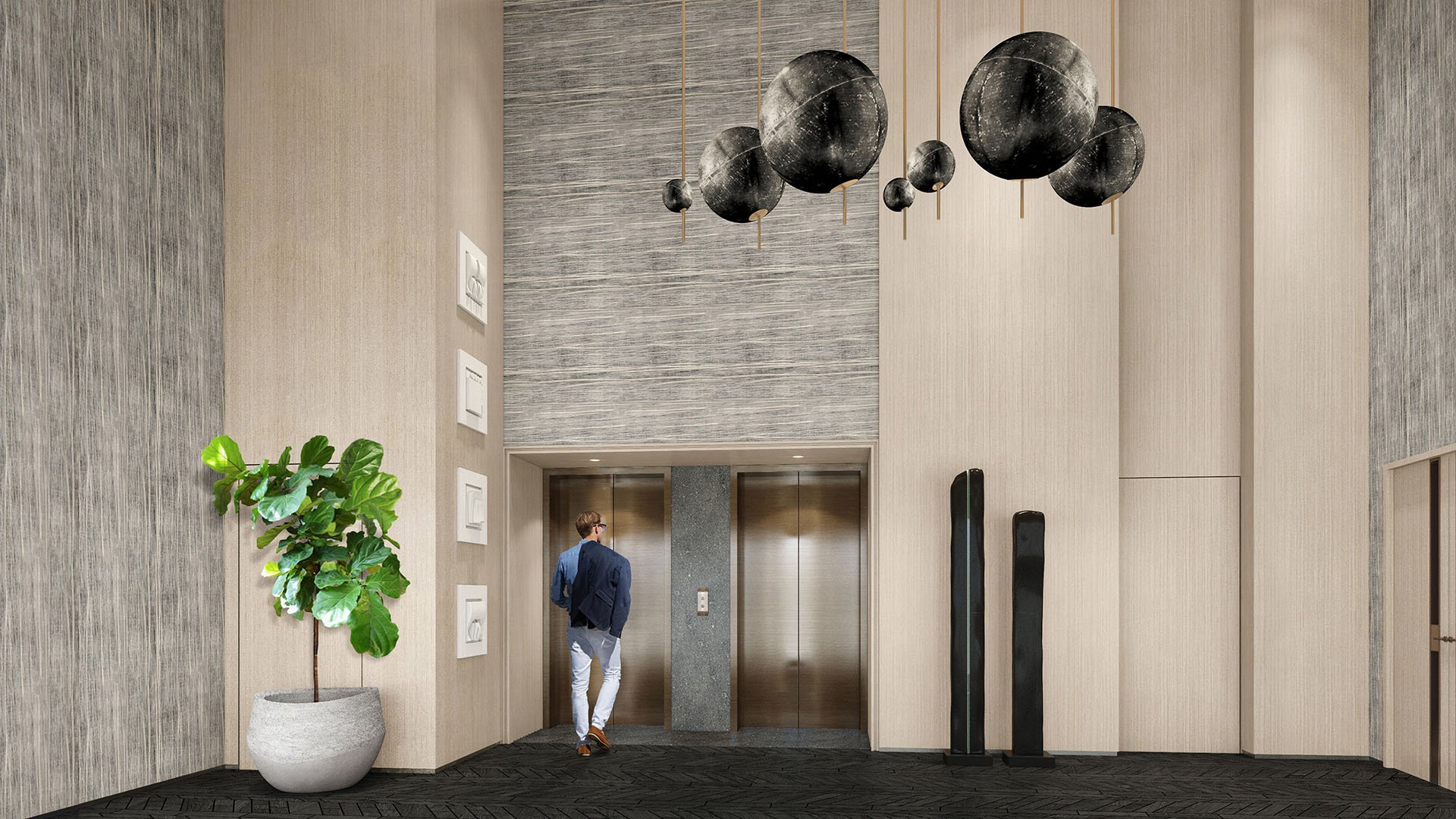
In South Florida, beach proximity is often treated as the headline. For resale, the sharper question is not simply whether a residence is near the sand. It is how gracefully an owner moves from sand to elevator, and whether that movement feels private, intuitive and repeatable.
Sand-to-elevator convenience is a micro-luxury with macro implications. It compresses the distance between leisure and home. It reduces the need to plan, pack, cross streets, wait for valet, or move through semi-public thresholds after a swim. For the right buyer, that seamlessness feels less like an amenity and more like a daily standard.
The feature deserves resale weight when it is not merely a marketing phrase, but a lived sequence: beach, rinse, towel, secured entry, elevator, residence. In the upper tier, the strongest advantages are the ones a buyer understands within the first showing.
Beach access is not binary. Two residences can both be described as close to the beach, yet deliver very different experiences. One may require crossing a lobby in resort attire, passing through public-facing areas, or timing the return around crowded moments. Another may allow a discreet, nearly effortless transition from shoreline to private living space.
The latter is where resale potential begins to sharpen. Convenience becomes meaningful when it is physical, secure and emotionally legible. A buyer should be able to imagine returning from the water without friction: no awkward pathway, no uncertain door, no long interior procession, no service gap.
This is why “steps to the beach” is not enough. The question is whether those steps feel composed. A residence that makes the beach easy to use may appeal not only to seasonal owners, but also to families, wellness-oriented buyers and those who expect the property to function beautifully during short visits.
The first signal is directness. Is the path from the sand to the building clear, logical and dignified? A route that feels improvised may photograph well but underperform in person. A route that feels designed tends to endure in a buyer’s memory.
The second signal is privacy. Sand-to-elevator convenience should not mean walking through heavily trafficked hospitality zones or exposed common areas. The more discreet the transition, the more the feature belongs to the residence rather than the crowd.
The third signal is service. Towel handling, rinsing areas, staff awareness and secure access all help transform a simple path into a premium experience. Even without elaborate theatrics, operational polish can make the convenience feel protected.
The fourth signal is weather logic. South Florida living includes sun, wind, rain and humidity. A valuable beach-to-home sequence should remain practical when the afternoon turns, when children are tired, or when guests are returning with belongings.
Sand-to-elevator convenience carries the most resale force in true coastal decision sets. Buyers comparing Miami Beach or Surfside offerings, including 57 Ocean Miami Beach and The Delmore Surfside, are often evaluating lifestyle at a granular level. A marginally smoother beach routine can become memorable when the rest of the homes feel broadly comparable.
In Sunny Isles, the same principle applies to vertical luxury. A buyer considering towers such as Bentley Residences Sunny Isles is not merely weighing views or finishes. The full arrival and return experience matters, especially when the residence is part of a highly serviced, privacy-conscious way of living.
Farther north, oceanfront markets such as Fort Lauderdale, Pompano Beach and Hillsboro Beach place a premium on ease that feels residential rather than transient. In conversations around properties like Auberge Beach Residences & Spa Fort Lauderdale or Rosewood Residences Hillsboro Beach, the quality of the daily beach ritual can help distinguish one coastal ownership experience from another.
For a disciplined resale memo, label the attribute plainly: oceanfront when the building’s position justifies it, beach access when the path is genuinely practical, resale when the exit audience is broad, and market shorthand such as Miami Beach, Sunny Isles, or Surfside when comparing submarkets.
Not every beach-adjacent convenience deserves a premium. If the route is shared with too many users, depends on conditions that may change, or requires awkward navigation, the feature should be treated as a nice-to-have rather than a pricing pillar.
It is also less decisive when the buyer pool is primarily view-driven. Some purchasers prioritize elevation, horizon line, interior volume, parking, privacy, or brand association over the beach routine. In those cases, sand-to-elevator ease may help confirm preference, but it may not be the reason a future buyer stretches.
The same caution applies when access sounds better than it feels. If an owner still needs to cross a busy public zone, wait through service bottlenecks, or re-enter through an undistinguished corridor, the resale story weakens. Luxury buyers forgive very little friction when the promise is effortlessness.
A seller should treat sand-to-elevator convenience as a resale advantage only if it can be demonstrated quickly and elegantly. The showing should make the benefit obvious without explanation. If an agent must over-describe the route, the feature may not be strong enough to anchor value.
Photographs can introduce the concept, but the real test is experiential. Invite the buyer to understand the sequence. Where does the towel go? Where is the rinse? How private is the return? How quickly does one feel back at home? These questions translate lifestyle into resale language.
The best premium is not attached to distance alone. It is attached to repeatability. If the same convenient experience works for the owner, a spouse, children, visiting friends and older relatives, the feature has a wider future audience. A wider audience usually means a stronger exit narrative.
In South Florida’s highest-end residential market, the most valuable amenities are sometimes the quietest. A spectacular lobby impresses. A dramatic pool photographs. But a private, elegant path from beach to elevator changes how often the owner actually uses the coast.
That is the essence of the resale advantage. Sand-to-elevator convenience should be treated as meaningful when it makes the beach feel like an extension of the residence, not a separate excursion. It should support spontaneity, privacy and ease. It should make ownership feel lighter.
For buyers, the discipline is to separate romance from function. For sellers, the opportunity is to frame convenience as an everyday luxury rather than a brochure phrase. When the path is real, graceful and protected, it can become one of the most persuasive details in the entire residence.
What does sand-to-elevator convenience mean? It refers to the ease of moving from the beach back to the residence with minimal friction, privacy loss or logistical effort.
Is direct beach access always a resale advantage? Not always. It matters most when the access feels secure, elegant and practical during ordinary use.
Should buyers pay more for this feature? Buyers should consider a premium only when the convenience is clearly experienced during a showing and likely to matter to future purchasers.
What weakens the resale value of beach convenience? Crowded pathways, awkward re-entry points, unclear security and poor service flow can all reduce the advantage.
Does the feature matter more for second homes? It can, because second-home owners often value immediate, low-effort enjoyment during shorter stays.
Is a view more important than sand-to-elevator access? It depends on the buyer. View-led purchasers may prioritize elevation, while lifestyle-led purchasers may value daily ease more.
How can a seller showcase the feature? The showing should demonstrate the actual beach-to-home sequence, including privacy, rinsing, access and return to the elevator.
Does this apply outside Miami Beach? Yes. The same logic can apply across South Florida coastal markets where beach use is central to the ownership experience.
Can service make beach access more valuable? Yes. Staff awareness, towel handling and secure transitions can make convenience feel polished rather than merely close.
What is the simplest test for resale relevance? Ask whether a future buyer will notice the convenience immediately and remember it after seeing competing residences.
For a confidential assessment and a building-by-building shortlist, connect with MILLION.
If branded residences are on your mind — as a home or as an allocation — we would be glad to share what we are seeing, privately.
Begin a quiet conversation