A discreet buyer’s guide to how Jade Ocean, Shorecrest, and Turnberry Ocean Club frame wellness credibility, indoor air quality expectations, and recovery spaces in South Florida luxury living.
In South Florida’s highest tier of residential real estate, wellness is no longer a decorative word attached to a gym, treatment room, or serene rendering. It has become a credibility test. Buyers want to know whether a building’s promise of well-being is embedded in the residence, the shared spaces, and the daily experience-or whether it is simply a polished amenity label.
That distinction matters in a market where buyers compare established Sunny Isles Beach luxury, West Palm Beach new-development positioning, and amenity-rich oceanfront living through the same lens. Jade Ocean Sunny Isles Beach, Shorecrest Flagler Drive West Palm Beach, and Turnberry Ocean Club Sunny Isles offer three useful case studies because each occupies a different place in the wellness conversation.
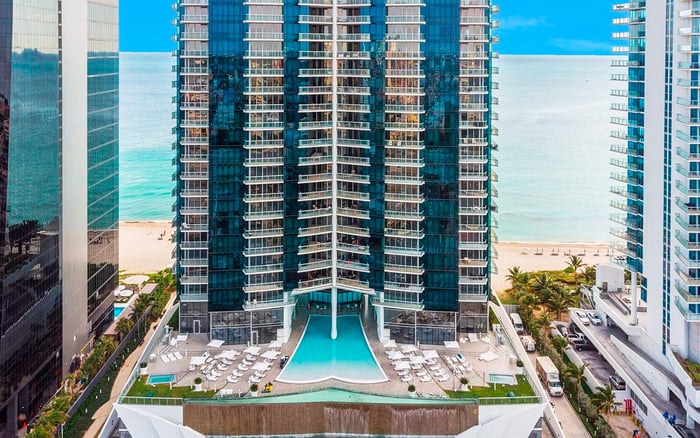
Jade Ocean functions as the established Sunny Isles Beach reference point, where buyers evaluate how an existing ultra-luxury condominium communicates comfort and wellness value over time. Shorecrest represents the West Palm Beach and Flagler Drive new-development conversation, where wellness can be framed from the outset. Turnberry Ocean Club brings the ultra-luxury lifestyle narrative in Sunny Isles Beach, with an emphasis on residential experience and amenity positioning.
The most sophisticated buyers are no longer satisfied by a checklist. They ask a sharper question: how does the building help residents feel better, live more comfortably, and recover from the pace of modern life?
That question has three parts. First is wellness credibility. A building must explain its philosophy in a way that feels coherent rather than ornamental. Second is indoor air quality, a category that demands careful language and buyer diligence because vague promises are easy to overstate. Third is recovery space, which now extends beyond the spa into quieter forms of restoration: places to decompress, stretch, socialize softly, or simply transition between public life and private residence.
A Sunny Isles buyer may place greater weight on resort-style continuity and oceanfront atmosphere, while a West Palm Beach buyer may focus on how a new project integrates wellness into its earliest design narrative. Neither approach is automatically superior. The difference is in execution and clarity.
Jade Ocean’s role in this comparison is not to represent the newest wellness language in the market. Its relevance lies in how an established Sunny Isles Beach condominium can be assessed by today’s wellness-aware buyer. In older or existing luxury buildings, credibility is often less about launch language and more about whether the resident experience still aligns with contemporary expectations.
For buyers, that means looking closely at how common areas are maintained, how indoor-outdoor transitions feel, and whether the building’s lifestyle still supports calm, privacy, and ease. Wellness in this context is not only a formal amenity category. It is the cumulative impression of arrival, circulation, light, privacy, service rhythm, and the ability to live without friction.
The strongest evaluation of Jade Ocean is therefore experiential. Does the property still feel restorative when compared with newer competitors? Does the residence support quiet daily routines as well as entertaining? Does the building communicate a coherent standard of care? Those questions are often more revealing than any single amenity label.
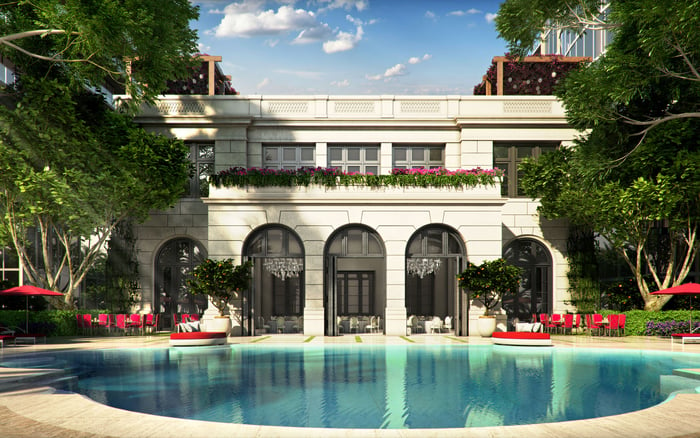
Shorecrest’s position on Flagler Drive in West Palm Beach gives it a different wellness assignment. As a planned or new-development project in this comparison, its advantage is the ability to frame wellness early. Buyers can evaluate the project not only by what is promised, but by how clearly the wellness narrative is integrated into the overall residential concept.
In West Palm Beach, the luxury buyer increasingly compares proximity, privacy, design, and lifestyle convenience with the same intensity once reserved for beachfront towers. That makes Shorecrest an important case study. A new project has the opportunity to define wellness as part of the building’s foundation: how residents arrive, how common spaces are sequenced, how homes feel at different times of day, and how the building supports both privacy and connection.
The caution is equally important. Early wellness positioning should be specific enough to be credible. Buyers should distinguish between broad language and concrete resident benefits. If air quality, recovery, or health-oriented design is part of the pitch, the next step is to ask how those ideas are expressed in design, operations, and long-term building management.
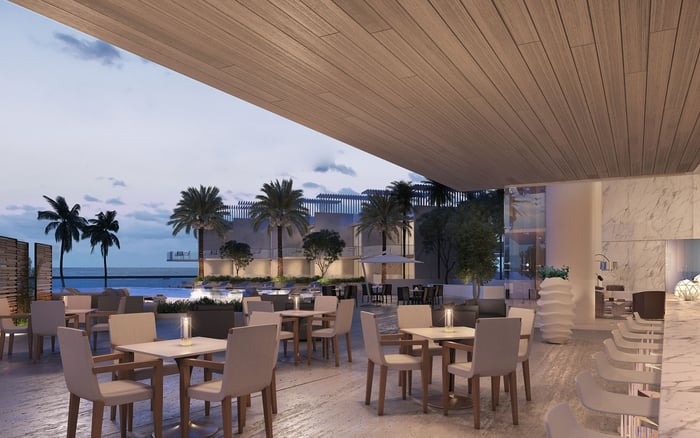
Turnberry Ocean Club sits in the comparison as the amenity-rich Sunny Isles Beach example. It is presented as a residential oceanfront luxury project and is well suited to a discussion about how lifestyle, service, and wellness programming can be combined into a single ownership proposition.
This is the category where wellness can feel most visible. Buyers often expect an elevated suite of shared spaces, a strong hospitality sensibility, and an atmosphere that makes daily life feel more composed. The opportunity is clear: when an ultra-luxury tower connects its amenities to a broader resident rhythm, wellness becomes more than an occasional appointment. It becomes part of how the building is lived.
The risk is that abundance can blur credibility. A long amenity narrative is not the same as a disciplined wellness proposition. The best reading of Turnberry Ocean Club is to ask whether the residential experience feels cohesive. Do the spaces support recovery as well as display? Does the building offer places for energy and places for stillness? In the ultra-premium segment, balance is often the true luxury.
Indoor air quality is one of the most important and most easily misunderstood wellness topics. It is also where buyers should be especially precise. Without verified details, it is unwise to assume a specific filtration system, certification, humidity strategy, or technical performance standard.
Instead, the buyer’s approach should be disciplined. Ask what has been publicly disclosed. Ask how the building communicates ventilation, maintenance, materials, and operational oversight. Ask whether claims are general or measurable. A refined buyer does not need every answer in a brochure, but the conversation should move beyond ambiance.
This is where Jade Ocean, Shorecrest, and Turnberry Ocean Club become useful comparison points. The established building is judged by experience and ongoing standards. The new-development project is judged by how wellness is designed into the proposition. The amenity-rich oceanfront tower is judged by whether lifestyle claims are supported by a coherent residential environment.
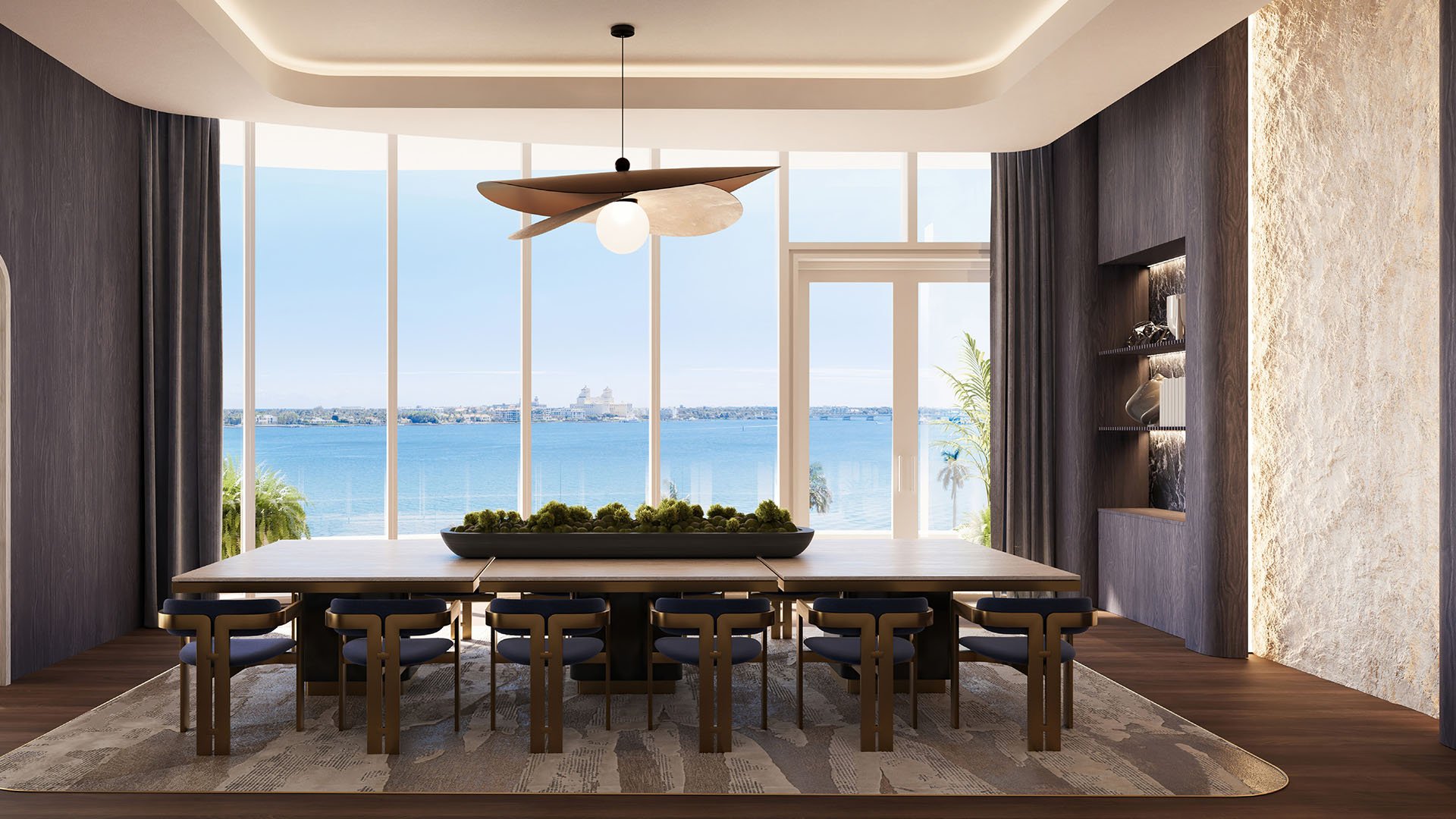
Recovery space is not limited to treatment rooms. In the current luxury vocabulary, it includes the architecture of pause. It can be a quiet lounge, a pool environment, a shaded terrace, a fitness-adjacent area, or a sequence of spaces that helps residents return to themselves after travel, work, or social obligations.
For South Florida buyers, recovery also has a climate dimension. The ideal building manages the transition between sun, water, social life, and privacy with grace. It allows residents to live expansively without feeling exposed or overstimulated. That is why recovery spaces are becoming central to ultra-premium evaluation.
The most credible wellness buildings make restoration feel natural. They do not require residents to schedule well-being as a separate event. They make the everyday route from lobby to residence, from pool to private living room, and from activity to quiet feel considered.
The wellness conversation is maturing. Jade Ocean shows how an established luxury condominium can be re-read through today’s expectations. Shorecrest shows how West Palm Beach development can position wellness from the beginning. Turnberry Ocean Club shows how amenity-rich oceanfront living can turn wellness into a broader lifestyle narrative.
For buyers, the winning strategy is not to chase the loudest wellness language. It is to identify the building where credibility, air quality discipline, and recovery spaces align with the way one actually lives.
Why compare these three properties together? They represent three distinct wellness positions: established Sunny Isles luxury, West Palm Beach new-development framing, and amenity-rich Sunny Isles lifestyle.
Is Jade Ocean being evaluated as a new wellness building? No. Its role is as an established Sunny Isles Beach condominium that can be assessed through current wellness expectations.
What makes Shorecrest relevant to wellness buyers? Shorecrest is associated with Flagler Drive in West Palm Beach and can frame wellness from the outset as a planned or new-development project.
Why is Turnberry Ocean Club important in this discussion? It is a Sunny Isles Beach oceanfront luxury project suited to evaluating amenity-rich wellness and residential lifestyle positioning.
Should buyers assume these buildings have specific air systems? No. Buyers should ask for disclosed details before assuming any filtration, certification, humidity, or technical air-quality standard.
What is wellness credibility in a condominium? It is the degree to which wellness claims are supported by design, operations, resident experience, and clear communication.
Are recovery spaces the same as spa amenities? Not necessarily. Recovery spaces can include quiet lounges, pool environments, terraces, and transitional areas that support rest.
How should a buyer judge an established building? Focus on the lived experience, maintenance quality, privacy, circulation, and whether the property still feels restorative.
How should a buyer judge a new-development wellness claim? Look for specificity. The best claims connect wellness to design choices, resident routines, and long-term operations.
Which property has the strongest wellness story? The answer depends on the buyer’s priorities: established luxury, early-stage design positioning, or a broader amenity-driven lifestyle.
For a discreet conversation and a curated building-by-building shortlist, connect with MILLION.
If branded residences are on your mind — as a home or as an allocation — we would be glad to share what we are seeing, privately.
Begin a quiet conversation