A discreet buyer’s guide to evaluating floor-load limits at Alana Bay Harbor Islands, with attention to customization, quiet enjoyment, service coordination, and resale confidence.
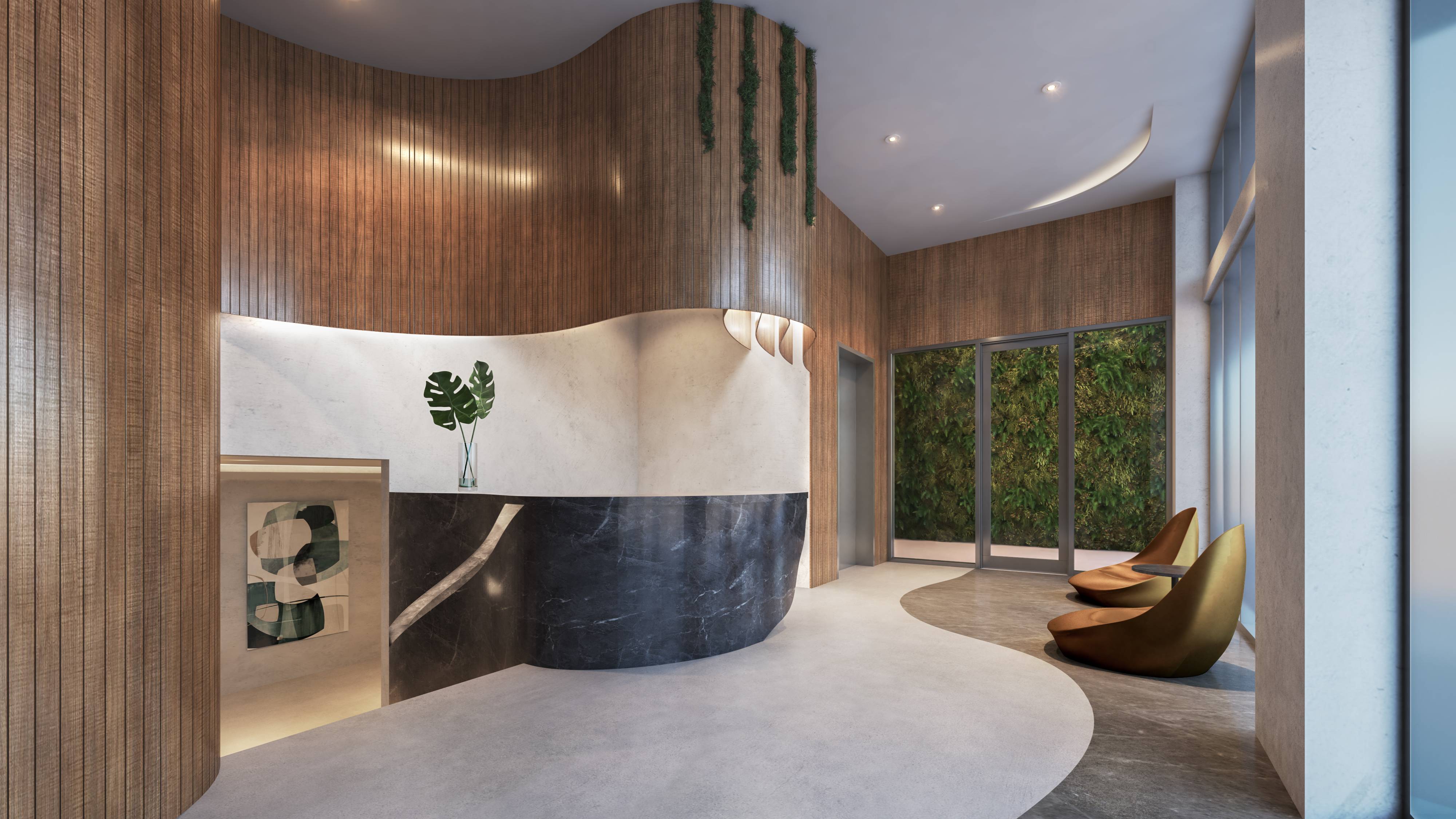
At Alana Bay Harbor Islands, floor-load limits are not technical fine print buried in construction documents. They shape how a luxury residence can be customized, serviced, enjoyed, and eventually resold. For a buyer considering a boutique condominium in Bay Harbor Islands, the question is not whether the building is substantial. The sharper question is what each residence, balcony, terrace, roof area, and amenity zone was designed to support.
That distinction matters. Luxury concrete construction should not be mistaken for unlimited capacity. Every building is engineered to a defined performance envelope, and every owner improvement should be reviewed within that envelope before assumptions become design decisions. A slab of stone, a large aquarium, a private gym, a safe, or an outdoor spa feature may appear effortless in a finished room, but each can impose load in a distinct way.
Bay Harbor Islands appeals to buyers who value a quieter residential rhythm within South Florida. That discretion is part of the appeal. It also means the hidden mechanics of ownership, including structure, vibration, installation logistics, waterproofing, and association approval, deserve the same attention as views and finishes.
A prudent buyer should request the design live-load and dead-load assumptions that apply to the exact areas under consideration. Live load generally relates to movable or temporary loads, while dead load generally relates to the permanent weight of building components and installed materials. The practical question is whether a planned feature fits comfortably within the assumptions for that location.
This is especially important when a proposed improvement is heavier than typical residential furnishings. A book-matched stone wall, a thick stone island, a safe, a sculptural bathtub, a concentrated gym platform, or a large aquarium can introduce loads that are not only heavy in total, but concentrated within a small footprint. Concentration is often the detail that separates a routine interior design decision from one requiring structural review.
For Alana buyers, the cleanest path is written confirmation before contract deadlines, design commitments, or major deposits. A sales conversation or contractor assurance is not a substitute for an engineer’s letter, approved plans, association review, or developer-provided specification. The objective is not to slow the acquisition. It is to ensure the residence can support the lifestyle being purchased.
Privacy in a boutique condominium is often discussed through sightlines, elevator access, and the number of neighbors on a floor. Yet floor assemblies also influence the lived experience. Heavier, stiffer assemblies and properly controlled penetrations can affect vibration and noise transfer between residences. A poorly planned alteration may create an acoustic or vibration profile that differs from the original design intent.
The issue becomes more refined in luxury residences because buyers often personalize extensively. Stone, millwork, gym equipment, media systems, plumbing relocations, and ceiling details can all interact with sound and vibration. When floor-load review is paired with acoustic and waterproofing review, privacy becomes more than a promise in the brochure. It becomes part of the built condition.
Boutique living rewards restraint and precision. In a smaller building, the relationship between one owner’s choices and another owner’s quiet enjoyment can be more visible. A disciplined alteration package helps preserve the residential calm that makes Bay Harbor Islands attractive in the first place.
A heavy feature is not only a structural question. It is also a service question. How will it arrive? Which elevator can carry it? Does it require hoisting, staged delivery, temporary protection, or after-hours access? Will building management need advance notice, insurance certificates, contractor documentation, or a plan to protect common areas?
Concierge-style living depends on choreography. A private safe, gym equipment, stone slabs, aquarium components, or spa equipment can involve multiple vendors and multiple points of building coordination. The same analysis should account for future replacement. A feature that can be installed only through extraordinary measures may become a burden when it needs to be serviced, removed, or upgraded.
For discerning buyers, the best service experience is usually the one planned before closing. Ask how heavy items are reviewed, who approves the route, what documentation is required, and whether installation rules differ for interior areas, terraces, balconies, pool decks, or roof spaces.
Interior floor areas and exterior areas should not be treated as interchangeable. A balcony, terrace, pool deck, or roof space may have different load criteria, waterproofing requirements, drainage considerations, and maintenance obligations. Outdoor spa features, planters, stone pavers, kitchens, fire features, and furniture groupings can carry significant weight, particularly when water, soil, or concentrated supports are involved.
The phrase “outdoor living” can obscure the engineering beneath it. Water is heavy. Stone is heavy. Soil is heavy. A spa or planter can become materially different once filled and in use. The buyer’s review should therefore examine the finished operating condition, not only the dry weight of the object at delivery.
Waterproofing deserves its own attention. Exterior heavy installations may require details that protect the building envelope over time. Documentation should address not only whether the load is acceptable, but also how the installation interacts with membranes, penetrations, drainage, and future access for repairs.
Resale risk often begins quietly. A future buyer may admire a dramatic aquarium, gym, spa, or stone installation, then ask whether it was approved. If the answer is unclear, the feature can shift from amenity to uncertainty. In a market attentive to inspections, insurance, and condominium governance, unresolved structural questions can affect confidence.
Documentation is the antidote. Engineer letters, approved alteration packages, contractor specifications, waterproofing details, and condominium-association approvals can help show that heavy installations were properly reviewed. The point is not simply to satisfy a future buyer. It is to preserve optionality if the residence is refinanced, insured, inspected, or sold.
Luxury buyers are rewarded for asking precise questions early and keeping clean records. The goal is not anxiety; it is clarity before a design choice becomes a permanent ownership issue.
Begin with the intended lifestyle. If the residence will remain largely as delivered, floor-load review may be relatively straightforward. If the plan includes a substantial stone package, a large aquarium, a private gym, a safe, an outdoor spa, or dense exterior landscaping, the topic should move to the front of diligence.
Ask for written load information for the exact residence and the exact location of the proposed feature. Distinguish between total weight and concentrated load. Confirm whether the area is interior or exterior. Ask whether penetrations, waterproofing, vibration, sound, and building access require separate approvals.
Then ask who signs off. In a well-managed luxury condominium, approval may involve the association, building management, engineers, contractors, and insurance documentation. The buyer should understand that path before commissioning custom work. A beautiful design that cannot be approved, installed, serviced, or defended at resale is not a luxury outcome.
Finally, keep the file. A discreet folder of approvals and technical letters can be as valuable as a finish schedule. It tells the next buyer, and the current owner, that the residence was curated with discipline.
Why should Alana buyers ask about floor-load limits? Floor-load capacity can affect what can be installed inside a residence and on exterior areas. It is a practical ownership issue, not an engineering abstraction.
Can buyers assume luxury concrete construction supports any upgrade? No. Each building is engineered to a defined performance envelope, and heavy additions should be reviewed against the applicable assumptions.
Which upgrades deserve the most scrutiny? Stone slabs, large aquariums, private gyms, safes, sculptural tubs, and outdoor spa features should be evaluated carefully.
Is total weight the only concern? No. Concentrated loads in a small footprint can be especially important, even when the total weight appears manageable.
Do terraces and balconies follow the same rules as interiors? Not necessarily. Exterior areas may have different load criteria, waterproofing needs, drainage details, and maintenance requirements.
How does floor-load diligence relate to privacy? Floor assemblies, penetrations, vibration, and noise transfer can influence quiet enjoyment between neighboring residences.
How does it affect service? Heavy installations may require elevator coordination, staged delivery, contractor documentation, and building-management approval.
Why does this matter for resale? Future buyers may discount a residence with undocumented heavy installations or unresolved structural questions.
What documentation should owners keep? Engineer letters, approved alteration packages, contractor specifications, waterproofing details, and association approvals are useful records.
When should buyers ask these questions? They should ask before committing to heavy design elements, purchase deadlines, deposits, or installation contracts.
When you're ready to tour or underwrite the options, connect with MILLION.
If branded residences are on your mind — as a home or as an allocation — we would be glad to share what we are seeing, privately.
Begin a quiet conversation