A practical, discreet checklist for luxury condo buyers evaluating AI concierge systems, smart-home integrations, resident data controls, vendor access, and privacy governance in South Florida buildings.
In South Florida’s most service-driven condominium market, the modern concierge desk is no longer just a person, a phone, and a discreet memory for names. Increasingly, the resident experience may include app-based requests, automated access, digital package tracking, smart-home integrations, license-plate recognition, visitor pre-clearance, voice prompts, amenity reservations, and predictive service tools. For a luxury buyer, the question is not whether these features are convenient. They usually are. The sharper question is whether the building treats privacy with the same seriousness it gives architecture, security, wellness, and hospitality.
AI concierge privacy should be evaluated before contract, not after move-in. A polished sales presentation can make every platform feel seamless. Yet the buyer’s real concern is more precise: what information is collected, who can see it, how long it is stored, and whether the resident can limit or delete it. The answer affects daily life, family security, household staff, guests, art deliveries, medical appointments, travel patterns, and the quiet choreography of a second-home lifestyle.
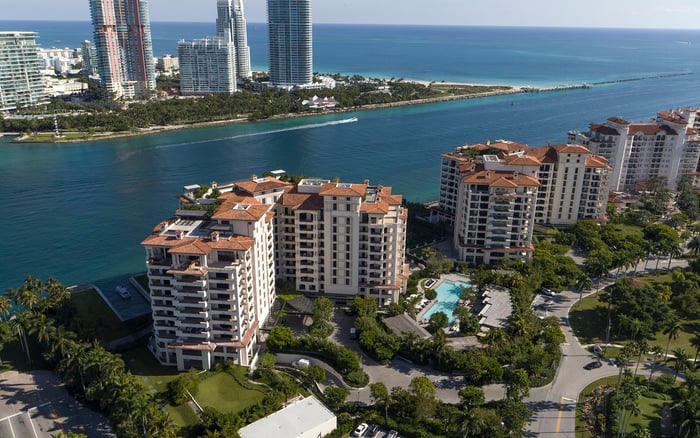
A privacy lens should travel with the buyer across Brickell, Miami Beach, Sunny Isles, Surfside, Fisher Island, and new-construction residences. The setting may change from tower to oceanfront enclave to private island, but the due diligence discipline remains the same.
Begin with the building’s digital map. Ask for a plain-language explanation of every resident-facing system: access control, concierge app, amenity booking, valet and parking, package handling, visitor registration, in-unit smart-home systems, cameras in common areas, elevator access, and any voice or chat feature. If a representative cannot explain the system without jargon, the buyer should slow down.
Next, separate convenience data from sensitive data. A dinner reservation request is not the same as facial recognition access, biometric entry, a stored guest list, or a record of repeated medical visits. The more intimate the data, the more direct the questions should become. Who owns the information? Is it the condominium association, a management company, a software vendor, a security contractor, or the resident? Can it be used to train models, improve services, or profile preferences? Can it be sold, shared, or transferred if the vendor changes?
Then focus on consent. Luxury buyers should resist vague assurances that technology is “standard” or “required.” Ask which features are mandatory for residency and which are optional. If the building offers app-based access, is a physical credential available? If visitors are pre-registered digitally, can staff handle special cases without creating unnecessary records? If smart devices are installed in the residence, can the owner choose not to connect them?
Finally, put the conversation in writing. Privacy expectations should not live only in a sales conversation. Request policies, resident technology rules, app terms, data retention practices, and any available vendor privacy language for review by counsel.
The most visible privacy issues often sit in the least glamorous places: garages, elevators, lobbies, corridors, package rooms, and service entrances. These areas create a routine trail of movement. In a conventional building, that trail may be fragmented. In an AI-enabled building, it can become searchable, time-stamped, and linked to resident profiles.
Ask where cameras are located and whether analytics are used. There is a meaningful difference between passive video recording and systems that interpret movement, identify objects, flag patterns, or connect activity to a named person. Buyers should also ask who may review footage, under what circumstances, and whether audit logs record staff access. For high-profile owners, the concern is not only external intrusion. Internal over-access can be just as sensitive.
Visitor management deserves equal attention. A privacy-conscious building should have a disciplined process for guests, vendors, family offices, drivers, yacht crew, private chefs, nurses, stylists, art handlers, and household staff. The buyer should know whether guest names, phone numbers, identification details, vehicle information, and visit histories are retained. If a resident has frequent visitors, the system should support discretion without compromising building safety.
Package and delivery systems also matter. Luxury residences may receive jewelry, couture, wine, art, documents, medical items, and confidential business material. Ask whether package images are stored, whether notifications reveal sender information, and whether staff can see delivery histories beyond what is operationally necessary.
The private residence can be the most overlooked part of AI concierge due diligence. Buyers often focus on finishes, views, ceiling heights, terraces, and parking while the smart-home layer remains in the background. That layer can include thermostats, lighting, shades, speakers, cameras, doorbells, leak detectors, air-quality monitors, appliances, and voice assistants.
Before closing, request a full inventory of connected devices. Identify which systems are included, which are optional, which require third-party accounts, and which can function locally without cloud connection. Ask whether the developer, installer, property manager, or previous owner has any administrative access. For resale purchases, insist on a clean digital handover: reset devices, remove old accounts, change credentials, update firmware, and confirm that remote access has been revoked.
Voice control deserves particular caution. It can be elegant in a kitchen or primary suite, but it may not belong everywhere. Owners should decide where microphones are acceptable, where cameras are appropriate, and whether children’s rooms, staff areas, offices, and dressing rooms require different standards. In luxury real estate, privacy is not a single setting. It is a room-by-room design choice.
A serious buyer should ask who is accountable for privacy governance. Is there a written policy? Who approves new technology? Is resident notice required before adding features? Are vendors reviewed for security practices? Are staff trained on data handling? Can residents request access to their own information or ask for deletion where feasible?
Also ask about incidents. Without seeking drama, a buyer may ask how the building handles unauthorized access, mistaken disclosure, lost devices, compromised credentials, or vendor failure. The quality of the answer often reveals the maturity of the operation. A building that has rehearsed the issue will usually speak calmly and specifically. A building that has not may lean on vague comfort.
For families, public figures, executives, and international buyers, consider a privacy addendum to the due diligence checklist. The addendum can address household staff protocols, media inquiries, guest confidentiality, deliveries, elevator access, and limits on unnecessary internal sharing. The most elegant buildings understand that discretion is part of service.
The ideal AI concierge experience should feel almost invisible: faster entry, better service, fewer repetitive requests, and less friction for guests. But invisibility should not mean opacity. A buyer should be able to understand the system, set preferences, and decline unnecessary exposure. The best privacy posture is not anti-technology. It is pro-control.
Before signing, ask for a written summary of mandatory systems, optional systems, data categories, retention periods, vendor roles, resident controls, deletion options, and smart-home handover procedures. If the answers are incomplete, treat that as a negotiation point, not a lifestyle footnote. In South Florida’s upper tier, privacy is not merely a security concern. It is part of the asset’s daily livability.
What is an AI concierge in a condo? It is a digital or app-supported service layer that may assist with access, requests, bookings, deliveries, visitors, and resident communication.
Should buyers avoid AI concierge buildings? Not necessarily. The goal is to understand controls, consent, retention, and vendor access before relying on the system.
What is the first privacy question to ask? Ask what resident, guest, vehicle, device, and service data is collected and who can access it.
Can a buyer request privacy documents before closing? Yes. Buyers can ask for resident technology rules, privacy language, app terms, and smart-home handover details.
Are cameras in common areas always a concern? Cameras can support safety, but buyers should ask whether analytics are used and who may review footage.
What should second-home owners review most carefully? They should focus on remote access, staff permissions, guest logs, delivery records, and alerts when the residence is vacant.
Can smart-home devices create privacy risk? Yes. Connected cameras, microphones, apps, and administrator accounts should be reviewed and reset during handover.
Is biometric access better than key cards? It may be convenient, but biometric information is sensitive and should come with clear consent, storage, and deletion rules.
Should attorneys review AI concierge terms? For high-value purchases, legal review is prudent because app terms and building rules can shape daily privacy rights.
What is the best way to shortlist comparable options for touring? Start with location fit, delivery status, and daily lifestyle priorities, then compare stacks and elevations to validate views and privacy.
If you'd like a private walkthrough and a curated shortlist, connect with MILLION.
If branded residences are on your mind — as a home or as an allocation — we would be glad to share what we are seeing, privately.
Begin a quiet conversation