A buyer-focused comparison of Alana, Alma, and Mila Bay Harbor Islands, framed around design credibility, daily operations, and long-term resale discipline in a boutique condominium market.
Bay Harbor Islands is not best understood as a high-rise spectacle market. Its luxury proposition is quieter: boutique scale, residential composure, and a buyer pool inclined to look beyond launch renderings. The decision is less about chasing the tallest profile and more about identifying which building logic will age well in daily life.
That is why Alana Bay Harbor Islands, Alma Bay Harbor Islands, and Mila Bay Harbor Islands make a useful comparison set. Each can be read through a distinct buyer lens: design pedigree, household operations, and resale discipline. In buyer shorthand, Bay Harbor can sound like a single category, but stronger analysis is more precise. The right purchase is the one whose concept matches how the household will actually live, hold, and eventually exit.
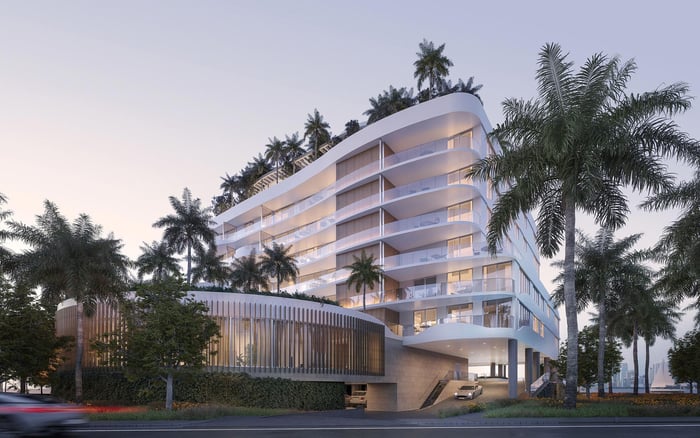
Alana is the design-pedigree case study in this comparison. For a boutique condominium, design credibility is not cosmetic. It is the framework that signals whether the building has a clear architectural identity, coherent branding, and enough restraint to remain relevant beyond the initial sales cycle.
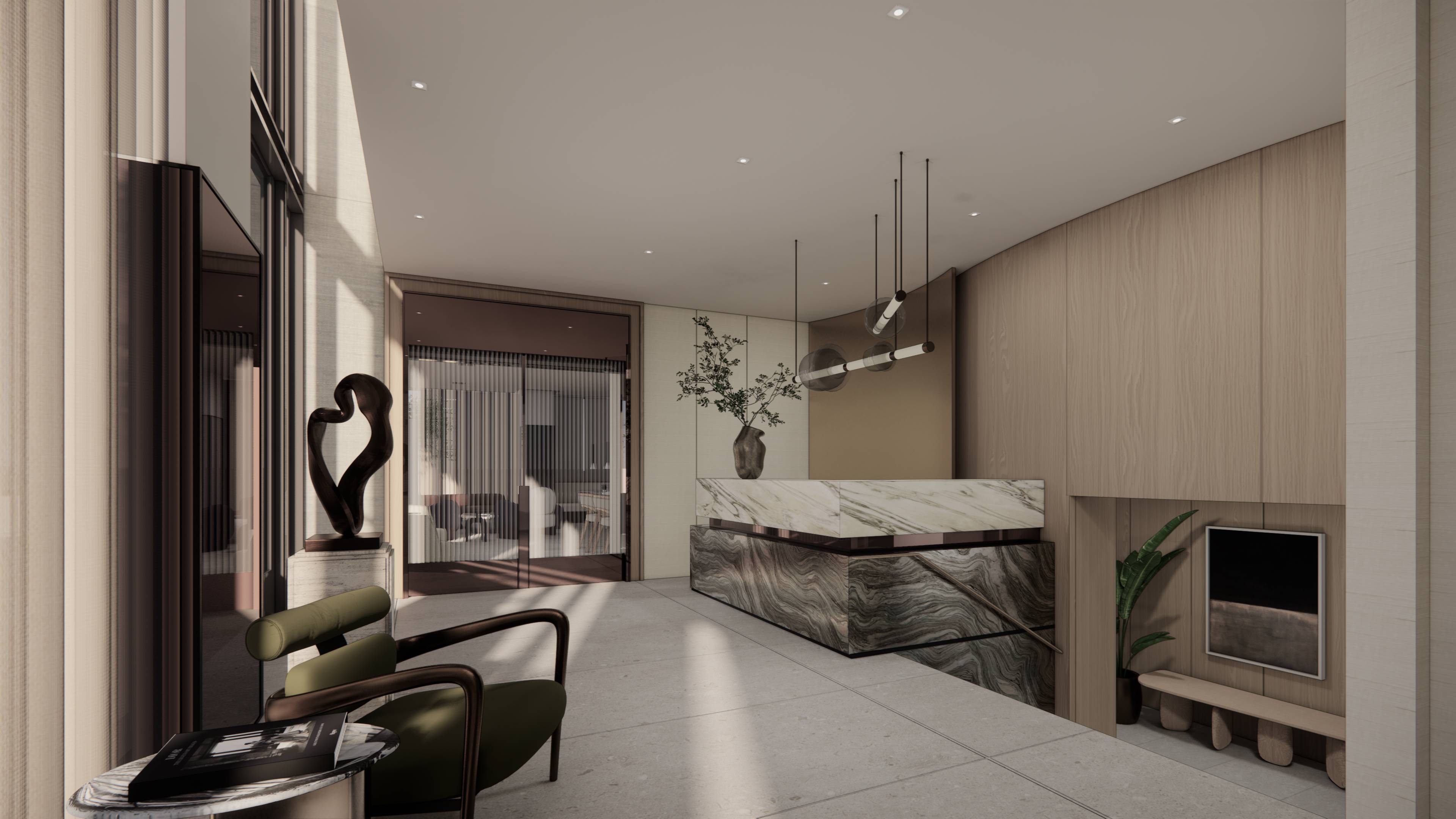
In larger tower markets, scale can dominate perception. In Bay Harbor Islands, where the environment is more intimate, design choices are read at closer range. The lobby sequence, exterior language, relationship between private residence and public presentation, and overall brand tone all carry more weight because the building is not relying on skyline drama alone.
That makes Alana a useful lens for buyers who begin with aesthetic discipline. The question is not whether a building looks expensive in isolation. The question is whether its design vocabulary feels specific enough to create confidence, yet restrained enough to avoid dating itself quickly. In this market, pedigree is a form of risk control.
Alma represents the household-operations lens. This is often the least theatrical part of a luxury condominium decision, but for end users it can become the most consequential. A boutique building must deliver service and ease without spreading costs across the ownership base of a very large tower.
That balance is central to Bay Harbor Islands. Buyers want privacy, polish, and a residential rhythm, while smaller buildings face a sharper service-cost equation. Too little operational support can make a property feel underbuilt for luxury expectations. Too much can pressure the limited group of owners funding the experience.
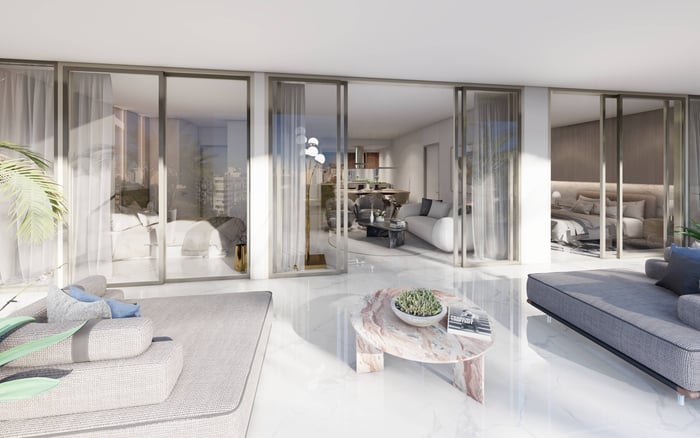
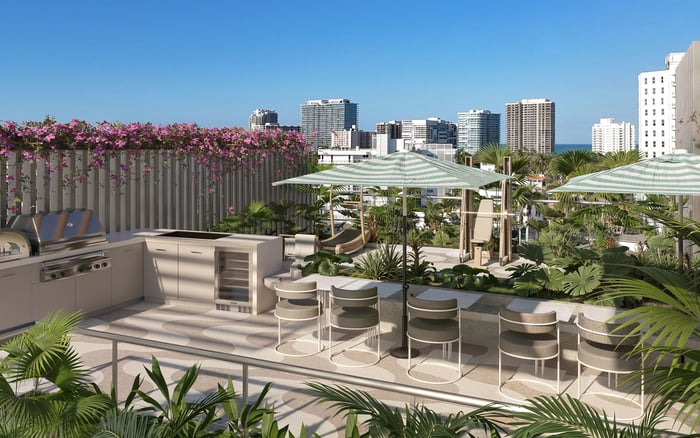
For that reason, Alma is best considered by households that think in practical terms: arrivals, deliveries, guest flow, day-to-day management, and the invisible systems that make a residence feel calm. The point is not simply whether a building has amenities. The deeper question is whether its operating model can support the way residents actually live.
This is where boutique luxury becomes exacting. The buyer is not purchasing a weekend image. The buyer is buying a daily standard.
Mila brings the comparison into resale discipline. In a boutique luxury market, future pricing behavior is rarely about one isolated feature. It is shaped by scarcity, clarity of positioning, buyer recognition, and the building’s ability to remain legible when compared with nearby alternatives.
That matters because Bay Harbor Islands buyers often cross-shop beyond the islands. Miami Beach, Surfside, and Bal Harbour can all enter the conversation, especially for households weighing lifestyle, privacy, and long-term value retention. A boutique condominium must therefore explain itself clearly not only at purchase, but also at resale.
Mila’s role in this framework is to focus attention on the exit. Buyers should ask whether the building’s concept is easy to understand, whether its ownership story is likely to remain coherent, and whether future buyers will see the same logic that motivated the original purchase. Investment thinking in this context is not speculation. It is discipline around durability.
For a household that values optionality, Mila is the reminder that a boutique acquisition should be elegant on the way in and rational on the way out.
The best way to compare these three projects is not to rank them by glamour. It is to map them against the buyer’s own priorities. A design-led purchaser may gravitate toward the Alana lens, where architecture and brand coherence form the credibility test. A full-time resident may focus on the Alma lens, where household operations and service balance determine comfort. A financially disciplined buyer may study the Mila lens, where the eventual resale audience matters from the beginning.
This is also where Bay Harbor Islands differs from broader South Florida luxury conversations. A buyer comparing the islands with Surfside may look at projects such as The Delmore Surfside to understand how nearby boutique and ultra-luxury narratives compete for attention. The comparison is not about copying another market. It is about knowing what Bay Harbor Islands must do well: remain residential, coherent, and quietly valuable.
A serious Bay Harbor Islands buyer should separate presentation from performance. Presentation is the opening argument. Performance is the long-term test. Design pedigree, household operations, and resale discipline are useful because they move the conversation away from generic luxury language and toward the specific mechanics of ownership.
If the priority is beauty with credibility, study the design thesis first. If the priority is daily calm, examine how the building will operate for a limited ownership base. If the priority is future liquidity, ask how clearly the building will communicate its value to the next buyer.
The most sophisticated answer may combine all three. In Bay Harbor Islands, the best boutique condominium is not merely the one that impresses first. It is the one that continues to make sense after the purchase contract, after move-in, and years later when the owner’s needs change.
What is the main difference among Alana, Alma, and Mila? Alana is best read through design pedigree, Alma through household operations, and Mila through resale discipline.
Is this a ranked comparison? No. The three projects are better understood as different strategic lenses for Bay Harbor Islands buyers.
Why does design pedigree matter in a boutique building? Boutique projects rely on clarity, proportion, and brand coherence because they cannot depend on tower scale alone.
Why are household operations important in Bay Harbor Islands? Smaller luxury buildings must balance service expectations with the cost realities of a limited ownership base.
What does resale discipline mean here? It means evaluating how clearly a boutique condominium may communicate value to future buyers.
Are Bay Harbor Islands condos different from Miami Beach towers? Yes. Bay Harbor Islands is framed more as a boutique-luxury environment than a high-rise tower market.
Should end users weigh livability more than launch marketing? Yes. Daily livability is a central test for boutique condominium ownership in this market.
Why do buyers compare Bay Harbor Islands with Surfside and Bal Harbour? These nearby markets help buyers evaluate privacy, positioning, and long-term value behavior.
Which project is best for an operations-focused household? Alma is the most relevant lens for buyers focused on daily residential function and service expectations.
What is the best way to shortlist comparable options for touring? Start with location fit, delivery status, and daily lifestyle priorities, then compare stacks and elevations to validate views and privacy.
For a confidential assessment and a building-by-building shortlist, connect with MILLION.
If branded residences are on your mind — as a home or as an allocation — we would be glad to share what we are seeing, privately.
Begin a quiet conversation