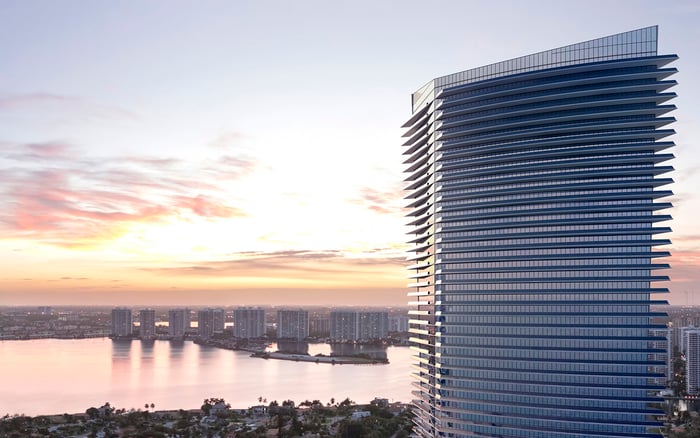
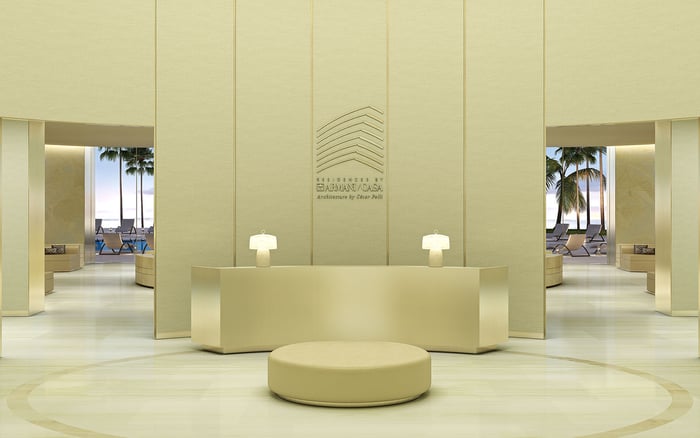
A discreet look at how South Florida luxury buyers are treating monthly ownership costs as part of the design brief, not merely a finance line item.
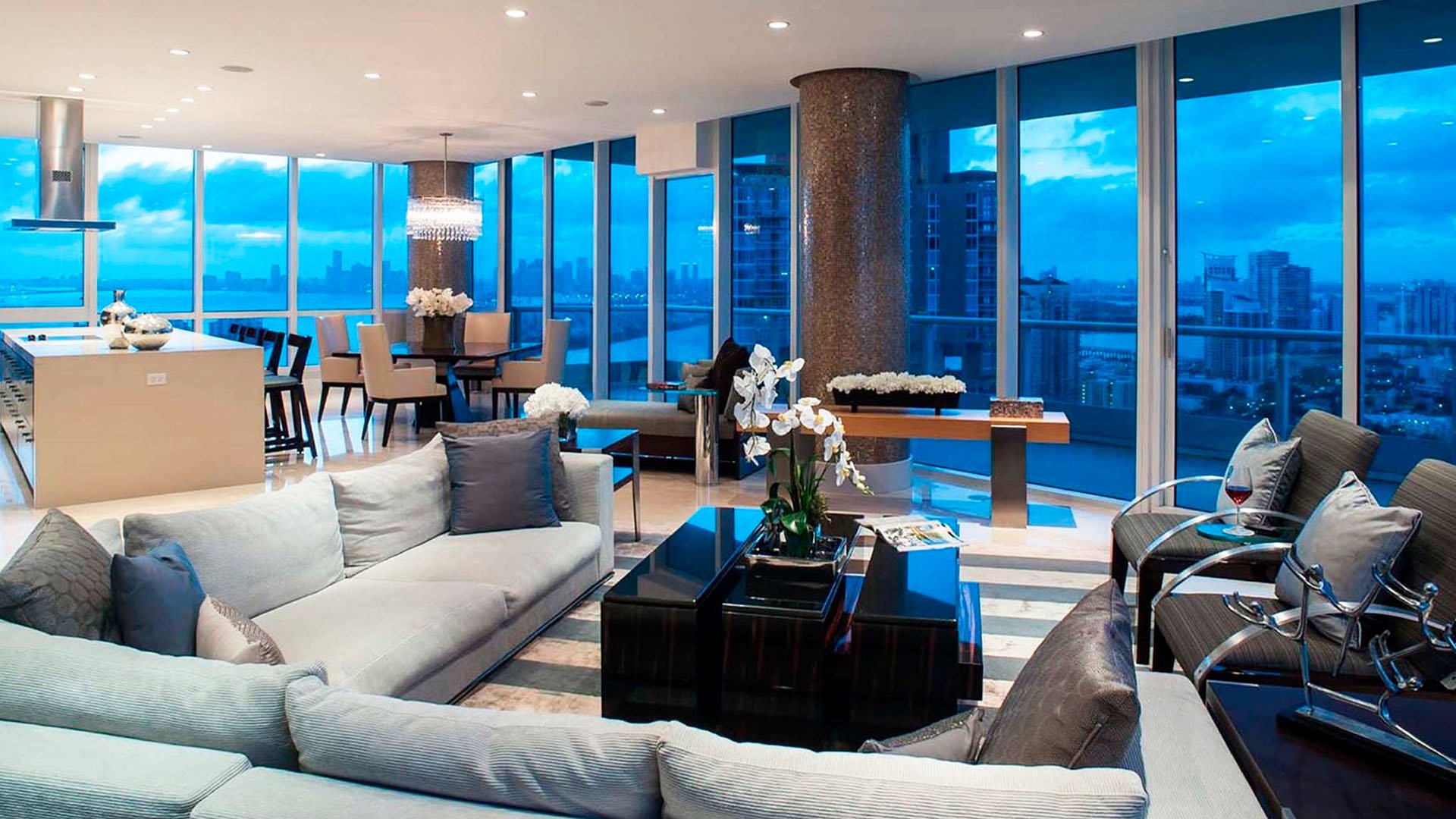
For a certain tier of South Florida buyer, the acquisition price has never been the only number that matters. What is changing for 2026 is the attention now given to the ongoing cost of living with a residence. Insurance, association dues, staffing, maintenance, utilities, reserves, assessments, service models, and the basic physics of operating a waterfront home are no longer afterthoughts. They are part of the design conversation.
This is not a retreat from luxury. It is a refinement of it. The strongest buyers are not asking for less. They are asking for homes that perform with greater intelligence. A generous terrace remains desirable, but its exposure, drainage, shade, furniture practicality, and maintenance rhythm now matter. Expansive glass remains central to the South Florida ideal, but orientation, solar gain, privacy, and energy performance carry more weight. The residence is being read as an operating environment, not simply as a collection of finishes.
In the ultra-premium market, carrying costs influence confidence. A buyer may love a plan, a view, or a lobby arrival, yet hesitate if the ownership model feels inefficient. That hesitation is not purely financial. It is psychological. The monthly obligation becomes a proxy for whether a building is thoughtfully run, whether the amenity program is proportionate, and whether the architecture respects the realities of coastal living.
This is especially relevant in Brickell, where vertical living offers immediacy, service, and urban energy. A buyer considering The Residences at 1428 Brickell is not only comparing views and floor plans. The sharper question is how the residence supports daily life over years of ownership: arrival, privacy, wellness, energy use, storage, staff interaction, and the real value of every shared space.
For buyers, the new luxury vocabulary includes durability, simplicity, and operational grace. An elegant home that is expensive to run in ways that feel arbitrary will be scrutinized. A more disciplined home, where design decisions reduce friction, may feel richer in practice.
The amenity race is maturing. Buyers still value pools, wellness spaces, lounges, private dining, gardens, fitness areas, and arrival sequences, but the question has shifted from quantity to relevance. A large amenity program can be compelling if it is used, properly staffed, and aligned with the way residents actually live. If not, it becomes a cost center with limited emotional return.
That distinction is shaping new-project conversations across South Florida. Buyers are asking whether amenities reduce the need for outside memberships, whether service is meaningful or merely decorative, and whether shared spaces are flexible enough to remain useful through changing seasons of life. A quiet lounge used weekly can be more valuable than an oversized room reserved for rare events.
This is where design restraint becomes powerful. A building does not need to be minimal to be efficient. It needs to be intentional. The finest service programs are not always the largest. They are the ones where the resident feels that every dollar has a purpose.
The South Florida dream has always been architectural openness: water, sky, light, and indoor-outdoor living. That will not change. What is changing is the technical consideration given to those gestures. Terrace design is becoming a practical luxury topic. Depth, usability, weather exposure, privacy, and upkeep all affect whether outdoor space becomes part of daily life or merely a marketing image.
Oceanfront buyers, in particular, are becoming more fluent in the relationship between beauty and stewardship. A residence such as The Perigon Miami Beach may be evaluated not only for its architectural presence, but for how its spaces support the owner’s desired rhythm. The most sophisticated buyers are asking how a home feels at noon, at sunset, during storms, during peak season, and after years of use.
Glass walls, high ceilings, and expansive balconies remain deeply desirable. Yet in 2026, buyers are more likely to ask how these features interact with cooling, shading, cleaning, furnishing, and privacy. The design decision is no longer simply whether the view is dramatic. It is whether the view has been composed to live well.
Service is one of the great pleasures of high-end condominium living. It can also be one of the most visible components of carrying cost. Buyers are increasingly distinguishing between service that improves daily life and service that exists mainly as a positioning device.
The strongest branded or highly serviced residences will be those that make life easier without making ownership feel overbuilt. Valet, concierge, wellness, dining, beach service, private transport, security, maintenance, and resident programming can all be valuable when executed with discipline. The question is whether the service model is clear, coherent, and properly scaled to the building.
In markets such as Sunny Isles, the buyer evaluating Bentley Residences Sunny Isles is likely to consider how brand identity, privacy, arrival, parking, and long-term management come together. The point is not to avoid service. It is to make sure service feels like a daily advantage rather than a permanent surcharge.
Investment in luxury residential real estate has always included location, scarcity, view, brand, and timing. Increasingly, it also includes operational intelligence. A residence with a rational carrying-cost profile may appeal to a broader future audience because it is easier to understand, easier to underwrite, and easier to live with.
This is where floor plan efficiency matters. Wasted corridors, oversized secondary spaces, poor storage, awkward staff circulation, and underused outdoor areas can all create hidden friction. Buyers are reading plans more carefully. They want rooms that justify their footprint and buildings that justify their monthly structure.
In Coconut Grove, a buyer studying Vita at Grove Isle may weigh privacy and setting alongside practical ownership questions. The most resilient luxury assets are not only beautiful at closing. They remain persuasive when a future buyer studies the same monthly obligations with fresh eyes.
The most useful questions are simple. What parts of the monthly cost improve daily life? Which amenities will I personally use? How does the building plan for maintenance? Does the residence reduce or increase complexity? Are the outdoor spaces genuinely livable? Does the service model fit my lifestyle, or am I subsidizing a lifestyle I do not intend to use?
Buyers should also consider the difference between visible luxury and quiet performance. Visible luxury photographs well. Quiet performance is felt after move-in. It appears in storage that works, elevators that support privacy, materials that age gracefully, building systems that feel considered, and common spaces that do not require theatrical scale to create satisfaction.
For 2026, the design decision is not whether to spend. It is whether the spending is elegant. The most compelling residences will be those where beauty, comfort, service, and stewardship are aligned.
Why are carrying costs becoming more important to luxury buyers? Buyers are looking beyond the purchase price and studying how a residence will feel financially and operationally over time.
Are higher carrying costs always a negative? No. They can be justified when they support meaningful service, durable maintenance, privacy, and amenities residents truly use.
How can design reduce ownership friction? Efficient layouts, practical terraces, useful storage, resilient materials, and well-scaled amenities can make daily ownership smoother.
Should buyers avoid amenity-rich buildings? Not necessarily. The better question is whether the amenities match the buyer’s lifestyle and are managed with discipline.
Why do terraces affect carrying-cost thinking? Terraces influence maintenance, furnishing, exposure, drainage, and usability, all of which shape the lived experience of a home.
Do branded residences require extra scrutiny? Yes. Buyers should understand whether the brand and service model create real daily value or simply add cost.
How does this affect resale thinking? Future buyers may favor residences where ongoing costs feel logical, transparent, and connected to clear lifestyle benefits.
Is this mainly a condo issue? No. Single-family homes also carry maintenance, insurance, staffing, utilities, and exterior upkeep considerations.
What should a buyer ask during a private tour? Ask how the building operates, which amenities residents actually use, and how the residence is designed for long-term comfort.
What is the central design lesson for 2026? The strongest homes will make luxury feel effortless while keeping ownership structure as thoughtful as the architecture.
If you'd like a private walkthrough and a curated shortlist, connect with MILLION.
If branded residences are on your mind — as a home or as an allocation — we would be glad to share what we are seeing, privately.
Begin a quiet conversation