A buyer-focused Brickell editorial on how building culture, brand alignment, deposit structure, and developer record shape confidence in ultra-luxury pre-construction decisions.
In South Florida’s ultra-premium market, pre-construction confidence is not built by a rendering alone. It is built by culture: the way a tower explains itself before it exists, the discipline behind its design language, the credibility of its service promise, and the extent to which a buyer believes the finished residence will feel as intentional as the sales gallery.
That is why the conversation around 619 Residences by Foster + Partners + Nobu Hospitality and 888 Brickell by Dolce & Gabbana extends beyond architecture or branding. These names sit within a Miami market where cultural authorship has become part of the asset itself. A buyer is not simply asking whether a building will be beautiful. The more sophisticated question is whether the concept can remain coherent through deposits, construction, delivery, operations, resale, and daily life.
For 888 Brickell by Dolce & Gabbana, the identity is explicit: a Brickell project tied to a fashion-branded residential proposition. The name carries both location and lifestyle signal. It asks buyers to consider how branding may shape perception, hospitality expectations, interior mood, and the emotional premium attached to ownership. For 619 Residences by Foster + Partners + Nobu Hospitality, the topic frames a different cultural composition, one that places architecture and hospitality at the center of buyer evaluation.
Excitement is immediate. Confidence is cumulative. In new-construction luxury real estate, the strongest buyers learn to separate the seduction of a brand from the substance of a project. A celebrated name can help organize expectations, but it cannot replace due diligence on contractual terms, construction readiness, capital structure, and the team responsible for execution.
Building culture matters because it gives buyers a sharper lens. A fashion-led residence may be evaluated for visual confidence, material drama, and the strength of its aesthetic point of view. A hospitality-led residence may be evaluated for service choreography, arrival sequence, privacy, and ease of living. An architecture-led residence may be judged by proportion, light, circulation, skyline presence, and long-term spatial relevance.
The strongest projects make these layers feel unified. The weakest rely on brand recognition without translating that recognition into daily residential value. In Brickell, where sophisticated buyers compare projects within a dense luxury submarket, that distinction matters.
Deposit structure is often discussed as a financial threshold, but for the ultra-luxury buyer it is also a confidence test. The question is not only how much is due, but what each payment represents. A serious buyer should understand timing, contingencies, escrow treatment, refundability, default language, construction milestones, and the relationship between contract deposits and project execution.
No buyer should treat a brand name as a substitute for reviewing the purchase agreement. A deposit schedule can reveal how a development asks buyers to share risk before delivery. It can also show whether the project communicates with the same discipline as its cultural promise. A calm, precise, well-documented sales process is often more reassuring than theatrical urgency.
This is especially important for investment-minded purchasers. A pre-construction residence is not only an emotional acquisition. It is a staged capital commitment in a competitive submarket. Buyers should ask how the deposit sequence fits their liquidity planning, currency exposure, family office reporting, and exit assumptions. In the luxury segment, discretion and patience are often more valuable than speed.
A logo can open the conversation. Developer track record determines whether the conversation becomes credible. Serious buyers should look beyond the front-facing brand and ask who is responsible for entitlement, financing, construction oversight, delivery standards, and post-closing operations.
Track record is not simply a matter of counting prior towers. It is the pattern of behavior behind them. Did prior projects deliver with consistency? Were common areas and private residences finished in a manner aligned with the original promise? How were buyer communications handled during construction? How did the project age after opening? Did the service culture survive beyond the launch period?
For branded residences, this scrutiny is even more important. The brand may shape the emotional proposition, but execution lives in the contract, the construction site, the operating plan, and the governance structure. A buyer who understands that distinction is less likely to be distracted by surface prestige and more likely to identify enduring value.
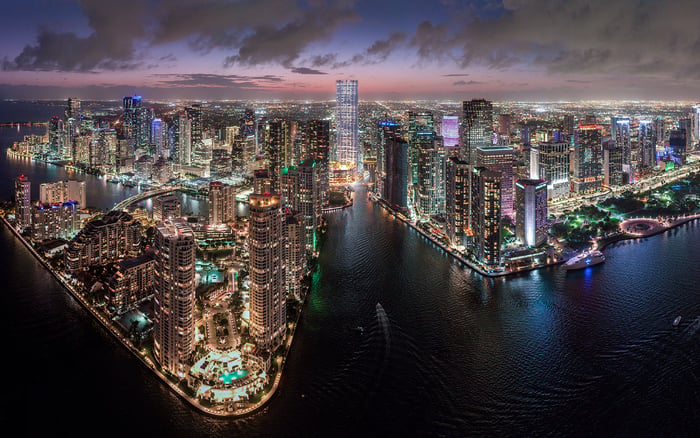
Brickell has become one of Miami’s most visible stages for design-led and branded residential ambition. The district’s appeal is not only its skyline. It is the way business energy, urban convenience, waterfront proximity, and high-end residential demand converge in a compact luxury environment.
In that context, projects such as The Residences at 1428 Brickell and St. Regis® Residences Brickell show how discerning buyers now compare cultural positioning within the same submarket. Some residences lean into service heritage. Others emphasize architecture, wellness, privacy, or the prestige of an address. The buyer’s task is to identify which promise has the strongest relationship to daily life.
Brickell also rewards specificity. A generic luxury claim can feel thin in a district where high-net-worth buyers are often fluent in branded hospitality, collectible design, and international ownership structures. The more elevated the buyer, the more important it becomes for the project to explain not only what it offers, but why its particular culture belongs in Miami.
Before signing, buyers should ask practical questions in a calm sequence. What is the identity of the project, and is that identity supported by design, service, and operations? What does the deposit structure require at each stage? Who controls delivery, and what evidence supports confidence in that team? How will the building maintain its cultural promise after turnover?
Comparison should remain disciplined. A buyer looking at Cipriani Residences Brickell, 888 Brickell by Dolce & Gabbana, and 619 Residences by Foster + Partners + Nobu Hospitality is not merely comparing floor plans. The comparison is between ways of living: fashion-inflected urban glamour, hospitality-centered residence, and the broader logic of Brickell as a global luxury address.
The best decision is rarely the loudest one. It is the one where culture, contract, developer credibility, and personal lifestyle needs align without strain.
Why does building culture matter in pre-construction? It helps buyers judge whether design, service, branding, and operations can remain coherent from sales launch through daily ownership.
Is 888 Brickell by Dolce & Gabbana associated with Brickell? Yes. The project is positioned as a Brickell, Miami luxury residence associated with Dolce & Gabbana.
How should buyers view 619 Residences by Foster + Partners + Nobu Hospitality? Buyers should evaluate it through the cultural lens suggested by its name: architecture, hospitality, residential experience, and execution discipline.
Does a luxury brand guarantee a successful residence? No. Brand equity can shape perception, but delivery quality, contract terms, governance, and operations determine lasting confidence.
What should buyers review in a deposit structure? Timing, escrow treatment, refundability, default language, milestones, and the relationship between payments and construction progress all matter.
Why is developer track record important? It shows whether the team behind the project has the discipline to translate a luxury promise into a completed residential building.
Is Brickell a strong setting for branded residences? Brickell is a natural setting for branded luxury because it combines business energy, urban convenience, and high-end residential demand.
How should investment buyers compare branded projects? They should weigh cultural differentiation alongside liquidity planning, contract risk, future resale positioning, and building operations.
Are fashion-branded residences evaluated differently? Often, yes. Buyers tend to focus on aesthetic identity, emotional appeal, design consistency, and whether the brand enhances daily life.
What is the best way to shortlist comparable options for touring? Start with location fit, delivery status, and daily lifestyle priorities, then compare stacks and elevations to validate views and privacy.
If you'd like a private walkthrough and a curated shortlist, connect with MILLION.
If branded residences are on your mind — as a home or as an allocation — we would be glad to share what we are seeing, privately.
Begin a quiet conversation