A refined guide to evaluating formal dining rooms for full-time South Florida ownership, with attention to daily use, entertaining, circulation, materials, lighting, and long-term value.
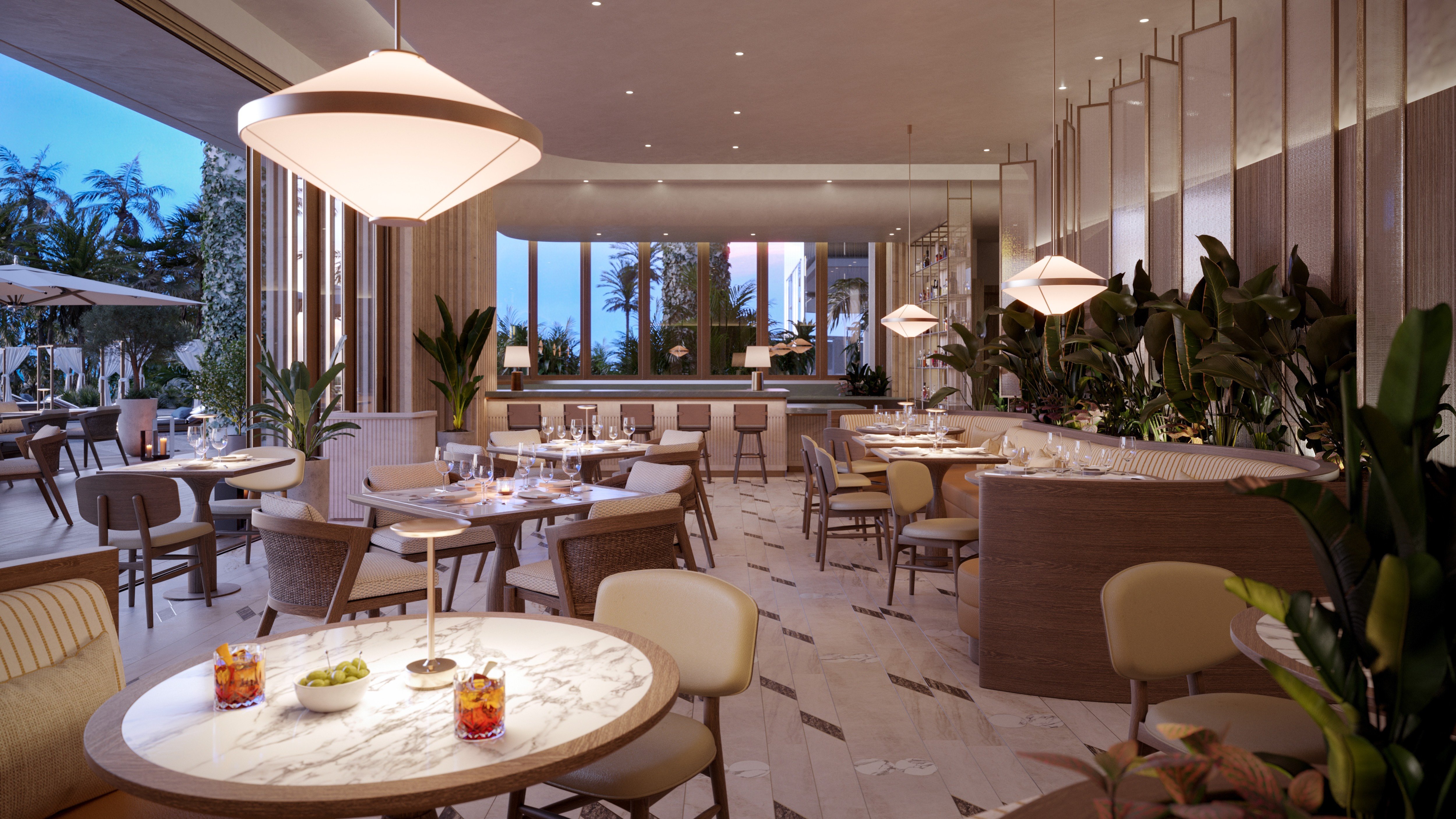
For full-time owners in South Florida, formal dining is no longer a ceremonial room reserved for holidays. It is a daily architecture of welcome: a place where breakfast can feel composed, family dinners can slow the pace of the day, and entertaining can move gracefully from aperitif to dessert. The question is not simply whether a residence has a dining room. The sharper question is whether that room earns its square footage every week.
In luxury condominiums and private homes, formal dining should be evaluated as part of a complete living pattern. It must relate to the kitchen, the great room, the terrace, service areas, art placement, and the way owners actually host. A beautiful table is only the beginning. Full-time living calls for proportion, storage, light control, acoustics, and a sense of intimacy that remains comfortable even when the room is not full.
The most successful dining rooms are not isolated for effect. They are positioned to make service easy and conversation natural. A dining area set too far from the kitchen can make everyday meals feel impractical. One placed directly in the path of circulation can feel exposed, especially in open-plan residences where guests, staff, and family members move through the same social zone.
A strong plan gives dining its own identity without sealing it off. Look for a defined ceiling plane, a clean wall for art or millwork, and enough perimeter space for chairs to move comfortably. If the table is intended for ten or twelve, the room must be scaled for the chairs when occupied, not only when staged. This is especially important in new-construction residences, where buyers often review plans before furniture and lighting decisions have been fully personalized.
In Brickell, where vertical living often emphasizes skyline views and open entertaining, a residence such as St. Regis® Residences Brickell invites buyers to think carefully about how dining relates to the view corridor. The best solution is not always to push the table against the glass. Sometimes the more elegant move is to let the view frame the room while preserving a sense of interior ceremony.
A dining room designed only for catered events can become the least used space in the home. Full-time owners should ask how the room performs on an ordinary evening. Can two people dine there without feeling adrift? Is there a place for flowers, serving pieces, wine, or linens nearby? Can the lighting be dimmed for dinner and brightened for morning tasks or family gatherings?
This is where built-ins and concealed storage become valuable. A shallow cabinet for china, tableware, candles, and placemats can make formal dining easier to use. A nearby bar or service niche can keep the table from becoming a staging surface. If the residence has staff support, the room should allow service to occur discreetly, without making guests feel observed or interrupting conversation.
Penthouse owners, in particular, should be careful not to let scale overwhelm comfort. Expansive rooms can be magnificent, but dining still depends on human proportion. Rugs, ceiling treatments, fabric wall panels, and layered lighting can bring intimacy to large volumes without diminishing the drama.
South Florida dining rooms live with sunlight, humidity, salt air in coastal settings, and a lifestyle that often moves between indoor and outdoor entertaining. Materials should feel luxurious, but they should also be selected with care. Highly delicate finishes may be beautiful in a presentation suite, yet demanding in a full-time home with frequent meals, flowers, wine, and open doors to terraces.
Stone, lacquer, wood, leather, and performance textiles each have a place, but the balance matters. A table surface should be gracious enough for a formal setting and resilient enough for regular use. Seating should support long dinners, not simply photograph well. Drapery can soften acoustics, protect art, and give the room a more evening-ready character.
At the beach, dining rooms benefit from restraint. Near The Perigon Miami Beach, for example, an owner might favor quiet materials, pale woods, textured neutrals, and sculptural lighting that does not compete with the coastal atmosphere. In Miami Beach living, elegance often comes from editing rather than excess.
Formal dining deserves more than one chandelier. A single decorative fixture may define the table, but it cannot carry every mood. Full-time owners should think in layers: a central pendant or chandelier, perimeter lighting, wall sconces, art lights, and concealed architectural illumination. Each should be separately controlled.
The ideal dining room can shift from family breakfast to candlelit dinner without changing furniture. Dimmers are essential. So is scale. A fixture that is too small will feel timid, while one that is too large can block views or dominate the architecture. In residences with high ceilings, the drop height should be studied carefully so the fixture relates to the table and seated guests, not only to the room volume.
Lighting also affects art and finishes. Glossy surfaces can create glare. Darker rooms may need warmer layers. If the dining area opens to a terrace, the transition from interior light to exterior evening light should feel smooth, not abrupt.
In South Florida, the terrace is often a second dining room. The formal interior space should complement it, not compete with it. Owners who dine outside frequently may prefer the formal room to feel more intimate and atmospheric, reserved for evenings, weather shifts, holidays, or dinners where art, wine, and service matter.
In Coconut Grove, the relationship between greenery and interior life can be especially persuasive. At Four Seasons Residences Coconut Grove, buyers considering full-time use should imagine how indoor dining might converse with the more relaxed rhythm of outdoor living. The goal is contrast with continuity: one setting open and breezy, the other composed and enveloping.
A similar principle applies in Coral Gables, where a more residential character often supports traditional dining rituals. Ponce Park Coral Gables suits the idea that formal dining can be part of a broader domestic sequence, from entry to living room to table, rather than an afterthought beside the kitchen.
Not every buyer wants a closed dining room, but many full-time luxury buyers value the option of a defined place to host. The strongest spaces are adaptable. A room that can support formal dinners, family meals, library use, or a refined work setting has broader appeal than a space locked into one function.
Resale value is also influenced by how credible the room feels. A dining room without adequate circulation, lighting, or storage may read as staged square footage. A room with architectural definition, functional service adjacency, and a clear entertaining role feels more permanent. In the ultra-premium market, buyers respond to rooms that suggest a complete life, not just a beautiful photograph.
Is formal dining still relevant for full-time owners? Yes. It remains relevant when it supports everyday meals, entertaining, and a more composed rhythm of home life.
Should formal dining be open or enclosed? The best choice depends on lifestyle. Open dining feels social, while a more defined room can offer intimacy, acoustics, and ceremony.
How close should the dining room be to the kitchen? Close enough for easy service, but not so exposed that preparation and cleanup dominate the guest experience.
What is the most overlooked dining room feature? Storage is often overlooked. Convenient space for linens, serving pieces, and tableware makes the room easier to use regularly.
Does a chandelier matter? Yes, but it should be part of a layered lighting plan rather than the only source of illumination.
Are terraces replacing formal dining rooms? No. Terraces expand dining options, while formal rooms provide weatherproof, intimate, and more controlled settings.
What materials work best in South Florida dining rooms? Materials should balance refinement with durability, especially where sunlight, humidity, and frequent entertaining are part of daily life.
Can a dining room serve another purpose? Yes. A well-proportioned room can also function as a library, salon, or occasional work setting without losing its dining identity.
Should buyers prioritize views or room composition? Both matter. The most elegant rooms use the view as a backdrop while preserving comfort, scale, and conversation.
What should owners decide before moving in? Decide table size, lighting locations, storage needs, and art placement early, since those choices affect electrical and furniture planning.
To compare the best-fit options with clarity, connect with MILLION.
If branded residences are on your mind — as a home or as an allocation — we would be glad to share what we are seeing, privately.
Begin a quiet conversation