A discreet buyer’s guide to evaluating board temperament, communication style, financial discipline, rules, service standards, and long-term alignment before purchasing a South Florida luxury condominium.
In South Florida luxury condominium buying, the view is only the opening argument. The more durable question is how the building is governed after the elevator doors close. Governance culture is the temperament of a condominium community: how its board communicates, how management responds, how owners resolve friction, and whether long-term stewardship is treated with seriousness or delay.
For a buyer considering Brickell, Surfside, Aventura, Broward, or the island and waterfront markets in between, this culture can shape the ownership experience as much as architecture or amenities. A residence may be exquisitely designed, yet daily life can feel unsettled if the association is opaque, reactive, or politically divided. Conversely, a disciplined building with clear communication and thoughtful leadership can protect privacy, support Resale confidence, and make ownership feel effortless.
This is not about interrogating neighbors or searching for drama. It is about asking refined, practical questions before committing significant capital.
The governing documents describe authority. Culture reveals how authority is used. Begin with the board’s approach to decision-making. Are major issues studied in advance, communicated clearly, and handled with a record of owner engagement? Or do decisions appear abrupt, improvised, or highly personalized?
A polished buyer should ask for recent meeting minutes, current rules, budget materials, and any available owner communications. The goal is not to parse every sentence as if preparing for litigation. It is to sense rhythm. Are recurring issues handled consistently? Are maintenance priorities documented? Are policy changes explained with courtesy and clarity?
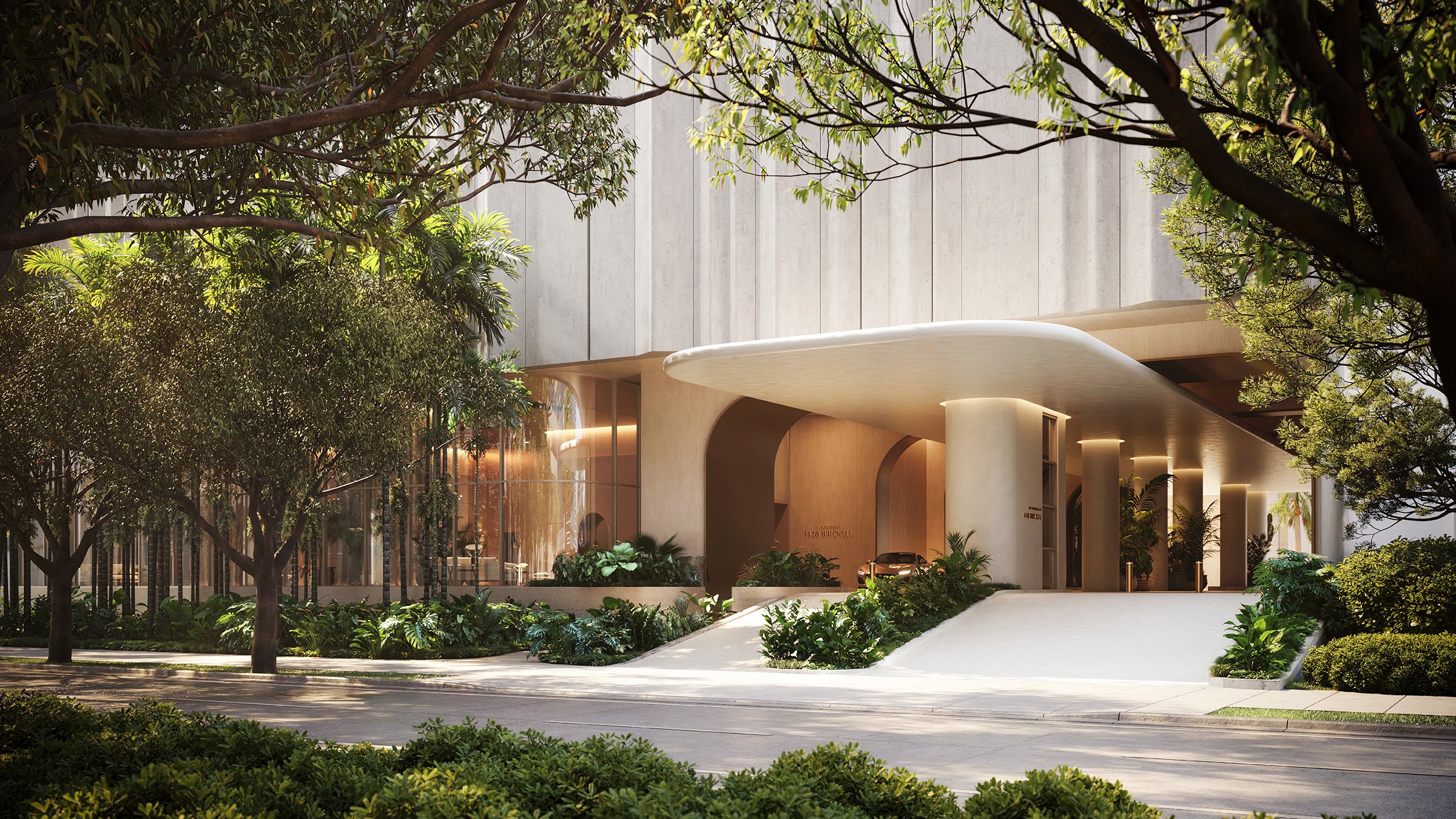
In a high-profile Brickell purchase, for example, a buyer comparing the atmosphere around The Residences at 1428 Brickell with another tower should look beyond finishes. The questions should include how the building intends to preserve service levels, manage access, communicate disruptions, and balance privacy with an active urban setting.
In luxury property, communication is part of the service experience. The best buildings tend to make owners feel informed without being burdened. Notices are clear. Tone is professional. Management is reachable. Sensitive matters are handled with discretion.
Ask how the building communicates routine maintenance, emergencies, guest policies, amenity closures, and construction activity. Ask whether owners receive regular updates or hear from the association only when something has gone wrong. A well-run building does not need to be excessively formal, but it should feel organized.
For seasonal owners and international families, communication culture is especially important. If an owner is away for weeks or months, the building’s responsiveness becomes a proxy for trust. A beautifully staffed front desk cannot compensate for an association that leaves owners guessing.
Luxury buyers often focus on monthly carrying costs, but the deeper question is philosophy. Does the association favor preventive care or defer work until urgency forces the issue? Does it protect the property’s presentation, or does it allow gradual erosion of common areas? Does it separate cosmetic preference from genuine asset preservation?
Ask how the board discusses capital planning, vendor selection, common area upgrades, insurance, and reserves. Avoid reducing the conversation to whether fees are high or low. In ultra-premium buildings, underfunding can be as revealing as overspending. A low monthly number may feel attractive at closing but less so if the culture resists necessary work.
Investment quality is not only a function of location and floor plan. It also rests on whether the community has the discipline to maintain the building’s reputation over time.
Rules are not merely restrictions. In a luxury condominium, they are the social contract. Pet policies, guest registration, deliveries, contractor access, amenity reservations, valet procedures, and private event limitations all influence the way a residence lives.
The question is not whether the building is strict or relaxed. The question is whether the rules match your expectations. Some buyers want a highly controlled atmosphere with quiet corridors, careful access, and a private club sensibility. Others prefer a more social, flexible building where family and guests move easily through the property.
In Surfside, a buyer considering The Delmore Surfside should think about governance in relation to serenity, privacy, beach access expectations, and the tone of shared spaces. The same rules that protect calm for one owner may feel restrictive to another.
Every condominium has disagreements. The relevant issue is how conflict is handled. Does the board respond to tension with transparency, consistency, and professional advice, or does it allow personal politics to dominate? Are complaints tracked and resolved through process, or do owners rely on influence and repetition?
Buyers should ask whether there have been recent disputes that materially affected common areas, rules, budgets, or operations. The answer may be simple and uneventful. If it is not, listen for tone. A defensive or vague response can be as informative as a detailed one.
Your attorney can evaluate documents. Your advisor can help read the atmosphere. Together, they can distinguish ordinary governance noise from a culture that may become costly, distracting, or unpleasant.
New and pre-completion projects often present a curated lifestyle before a resident board culture has fully formed. That does not make them less attractive. It simply changes the diligence. Buyers should ask how the transition from developer control to owner governance is expected to work, what service standards are being contemplated, and how early owners will participate in setting tone.
In Aventura, a purchaser looking at Avenia Aventura may be drawn to location, planning, and fresh design language. The governance questions should then focus on future management, rules, owner communication, and the durability of the lifestyle once the community is fully occupied.
This is where buyers should avoid assuming that branded or newly built properties automatically produce harmonious governance. Culture is built by people, processes, and expectations. The earlier those expectations are understood, the cleaner the ownership experience can be.
Across Broward, Miami-Dade, and Palm Beach County, luxury condominium service can vary widely by building personality. Some properties operate with the cadence of a private hotel. Others feel more residential, understated, and owner-led. Neither is inherently better, but mismatch is expensive.
A buyer considering Four Seasons Hotel & Private Residences Fort Lauderdale should ask how hospitality expectations intersect with residential governance. Who sets standards for service recovery? How are owner priorities heard? How does management balance discretion with attentiveness?
These questions are equally relevant in quieter boutique buildings and in large resort-style towers. The best fit is the one where the operating culture feels aligned with how you actually live.
Governance culture should influence pricing, contingencies, and confidence. If documents are organized, communication is polished, and management is forthcoming, a buyer may feel greater conviction. If answers are slow, inconsistent, or unusually guarded, that may warrant deeper review before proceeding.
This does not mean every concern should become a negotiation point. In competitive luxury markets, sophistication lies in knowing which risks matter. A minor rule preference may be manageable. A pattern of poor communication, deferred maintenance, or unresolved conflict may not be.
Before submitting an offer, ask your advisor to help frame a governance checklist. Include board minutes, budget posture, reserve conversation, insurance discussion, rules, rental limitations, alteration procedures, staff structure, and the tone of recent owner communications. Then decide whether the building’s culture supports the life you are buying.
What is governance culture in a luxury condo? It is the way a condominium board, management team, and owners make decisions, communicate, resolve issues, and protect the building’s character.
Why should I ask about governance before buying? Governance can affect privacy, service quality, spending discipline, rules, maintenance, and future Resale perception.
Which documents should I review first? Start with governing documents, recent meeting minutes, rules, budgets, financial materials, and owner communications when available.
Is a strict building better than a relaxed one? Not necessarily. The right building is the one whose rules and enforcement style match your lifestyle expectations.
How can I evaluate board transparency? Look for clear communication, consistent explanations, organized records, and a professional tone around decisions and owner concerns.
Should seasonal owners ask different questions? Yes. They should focus on remote communication, access procedures, maintenance notices, emergency response, and management reliability.
Can governance culture affect Investment value? It can influence buyer confidence, property condition, operating consistency, and the overall perception of quality.
Are new-construction condos easier to evaluate? They require different diligence because the long-term owner culture may still be forming after initial occupancy.
Who should help review governance materials? A qualified attorney should review documents, while a knowledgeable real estate advisor can help interpret building tone and market context.
What is the best way to shortlist comparable options for touring? Start with location fit, delivery status, and daily lifestyle priorities, then compare stacks and elevations to validate views and privacy.
For a confidential assessment and a building-by-building shortlist, connect with MILLION.
If branded residences are on your mind — as a home or as an allocation — we would be glad to share what we are seeing, privately.
Begin a quiet conversation