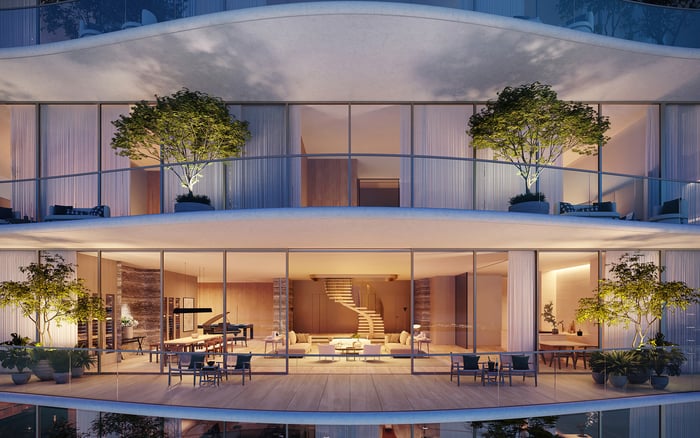
A practical, design-led guide to evaluating breakfast-room light for full-time ownership at 619 Residences by Foster + Partners + Nobu Hospitality, with emphasis on orientation, glare, privacy, and everyday comfort.
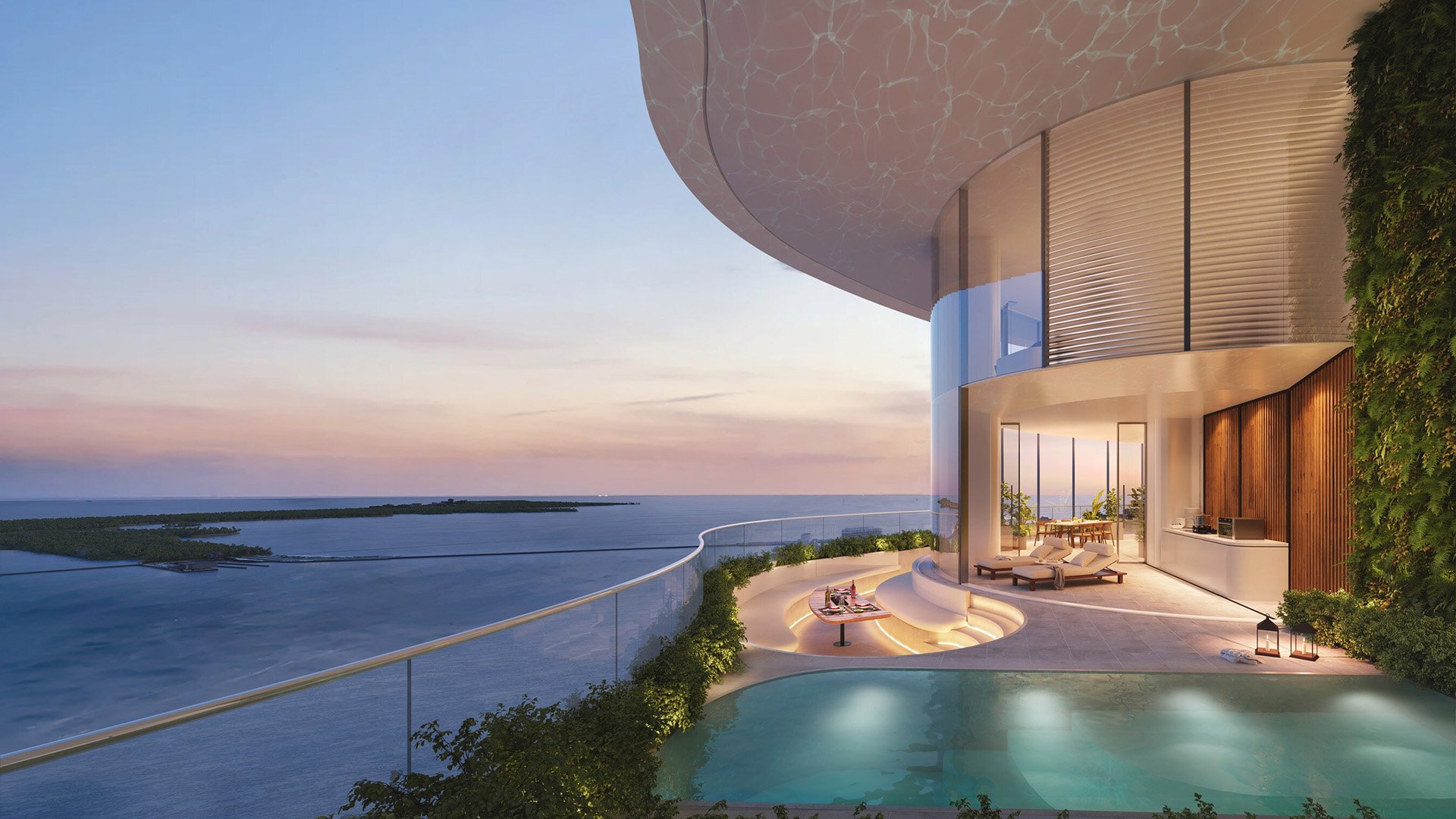
For full-time owners, the breakfast room is not a decorative afterthought. It is often the first inhabited room of the day, where weather, privacy, sound, and schedule become immediately apparent. At 619 Residences by Foster + Partners + Nobu Hospitality, the practical question is not simply whether the room is beautiful. It is whether morning light supports the way an owner actually lives.
Luxury buyers often evaluate great rooms, primary suites, spa baths, and terraces first. Yet the breakfast area reveals much about a residence’s daily intelligence. It tests the plan at a human scale. Can two people sit comfortably without crossing circulation paths? Does the table feel bright without glare? Is there enough wall or millwork surface to soften reflections? Does the room remain calm on a humid, high-sun morning?
Breakfast-room light is a serious ownership criterion because it affects comfort, wellness, entertaining, and long-term satisfaction. A room that looks dramatic at a showing may not perform well at 8:00 a.m. in July. Conversely, a quieter space with controlled light, a generous ceiling plane, and thoughtful adjacency to the kitchen may become one of the most valuable rooms in the home.
Seasonal owners may prioritize arrival impact. Full-time owners need consistency. The breakfast room should work on weekdays, weekends, and in the transitional hours between private life and public obligations. Light should be bright enough to feel energizing, but not so exposed that blinds are permanently lowered.
A practical viewing should happen when the room will actually be used. Morning appointments reveal reflections from adjacent glazing, the intensity of direct sun, and the way shadows move across the table. If a plan is still in pre-construction, buyers should study orientation, window placement, overhangs, ceiling heights, and the relationship between breakfast seating and outdoor space.
This is where South Florida ownership differs from a more occasional-use market. Sun is abundant, but refinement comes from editing it. The best breakfast rooms feel illuminated rather than invaded. They allow a newspaper, laptop, espresso service, and casual family conversation without constant shade adjustment.
Not all morning light is equal. East-facing exposure may deliver a vivid sunrise effect, but it can also create sharp glare when the glass line is broad and unfiltered. North and south conditions may feel more even, depending on the building form and surrounding context. West-facing breakfast spaces can still be desirable if they borrow ambient morning light from a broader open plan, though they may rely more heavily on artificial layering early in the day.
The buyer should look beyond the compass point. Room depth, flooring reflectivity, counter finish, and the color temperature of built-in lighting all matter. Pale stone, glossy cabinetry, and expansive glass can amplify brightness elegantly, but they can also make a room feel visually busy before the day has begun.
In Brickell and other dense urban settings, reflected light from neighboring architecture can be as important as direct exposure. A breakfast room may receive brightness from the city itself, not only from the sky. That can be appealing when handled well, especially for owners who appreciate metropolitan energy, but privacy and glare control deserve equal scrutiny.
A balcony can transform breakfast-room light by creating depth between interior life and the exterior environment. The threshold acts as a filter, softening the transition from conditioned space to open air. It can make the breakfast area feel larger, more relaxed, and more connected to the day’s weather.
The balcony’s depth, railing design, and overhead condition influence the room’s light more than many buyers expect. A deeper outdoor zone may reduce harsh sun and improve comfort, while a shallow condition may preserve brighter exposure. Neither is inherently superior. The right answer depends on the owner’s morning rituals.
For a full-time couple, a shaded breakfast room with a usable terrace may be more valuable than a highly exposed dining nook with dramatic but impractical sun. For an owner who entertains frequently at brunch, the ability to open the room toward the exterior may become a defining feature. The key is to evaluate light and use together, not as separate categories.
A residence associated with Foster + Partners + Nobu Hospitality naturally invites attention to architecture, service, and atmosphere. For the breakfast room, that expectation should translate into a graceful relationship between kitchen, seating, storage, and view. Hospitality at home is not only about amenities. It is about removing friction from daily life.
The most successful breakfast areas allow quiet service without making the room feel like a corridor. There should be an intuitive path from coffee preparation to seating, enough clearance for household staff or family members to move naturally, and a sense of privacy from elevators, foyers, and formal entertaining spaces.
Flow-through residences may offer particular advantages when morning light can be balanced by cross-residence openness, but the plan still needs discipline. Too much exposure can make intimate rooms feel public. Too little separation can make breakfast feel like an extension of the kitchen rather than a composed daily ritual.
High floors often promise broader sky, longer views, and a stronger sense of remove from street-level activity. For breakfast rooms, that can be deeply appealing. The room may feel serene, lifted, and visually clean, especially when the skyline or water becomes a soft background rather than a dominant spectacle.
Still, height can intensify light. Owners should pay attention to solar shades, glass specifications, and the ability to create layered scenes. The goal is not to darken the room. It is to tune it. A well-resolved breakfast room should offer at least three moods: clear morning brightness, softened working light, and evening ambient warmth when the space is used beyond breakfast.
This is particularly relevant in new-construction residences, where buyers may be selecting finishes before they have lived with the exposure. Matte surfaces, textured fabrics, and warmer lighting temperatures can make a luminous room feel residential rather than showroom-like.
Breakfast-room light may seem like a personal preference, but it carries resale implications. A room that photographs beautifully and functions comfortably will appeal to a wider pool of future buyers. It signals that the residence was planned for living, not only for presentation.
Discerning buyers notice whether a home has natural places to begin and end the day. They notice if shades are always down. They notice if a table feels stranded in a circulation zone or if glare makes the room uncomfortable. These impressions may be quiet, but they shape value.
For full-time owners considering 619 Residences by Foster + Partners + Nobu Hospitality, the best approach is disciplined and sensory. Sit in the space or study the plan as if it were already yours. Imagine breakfast on a workday, a slow Sunday, a stormy morning, and a bright winter holiday. Luxury is not simply the presence of light. It is the ability to live beautifully with it.
Why is breakfast-room light important for full-time owners? It affects the first lived hour of the day, from comfort and privacy to mood and usability. Full-time owners experience these conditions repeatedly, not occasionally.
Should buyers prioritize direct morning sun? Not always. Direct sun can be beautiful, but controlled brightness is often more comfortable for daily dining, reading, and work.
What should I evaluate during a showing? Look at glare, shade positions, reflections, table placement, and how easily people can move between the kitchen and seating area.
How does a balcony influence breakfast-room comfort? It can filter sunlight, create depth, and extend the room’s sense of space. Its usefulness depends on depth, exposure, and privacy.
Are high floors better for breakfast rooms? They can offer cleaner light and broader views, but they may also increase exposure. Shade control and finish selection become especially important.
What if the residence is in pre-construction? Study orientation, floor plan depth, glass placement, ceiling height, and any outdoor thresholds. These clues help predict morning performance.
Do flow-through residences always improve light? They can create balance and openness, but the breakfast room still needs intimacy. A strong plan controls both light and circulation.
Which finishes work best in bright breakfast rooms? Matte or softly textured surfaces often reduce glare. Warm lighting and natural materials can keep the room calm rather than clinical.
Does breakfast-room light affect resale? Yes. Comfortable, photogenic daily spaces tend to make a residence feel more livable and more complete to future buyers.
What is the best way to shortlist comparable options for touring? Start with location fit, delivery status, and daily lifestyle priorities, then compare stacks and elevations to validate views and privacy.
When you're ready to tour or underwrite the options, connect with MILLION.
If branded residences are on your mind — as a home or as an allocation — we would be glad to share what we are seeing, privately.
Begin a quiet conversation