A discreet buyer due-diligence guide to construction-noise exposure at The Residences at 1428 Brickell, from timelines and façade performance to neighboring development risk and post-closing protocols.
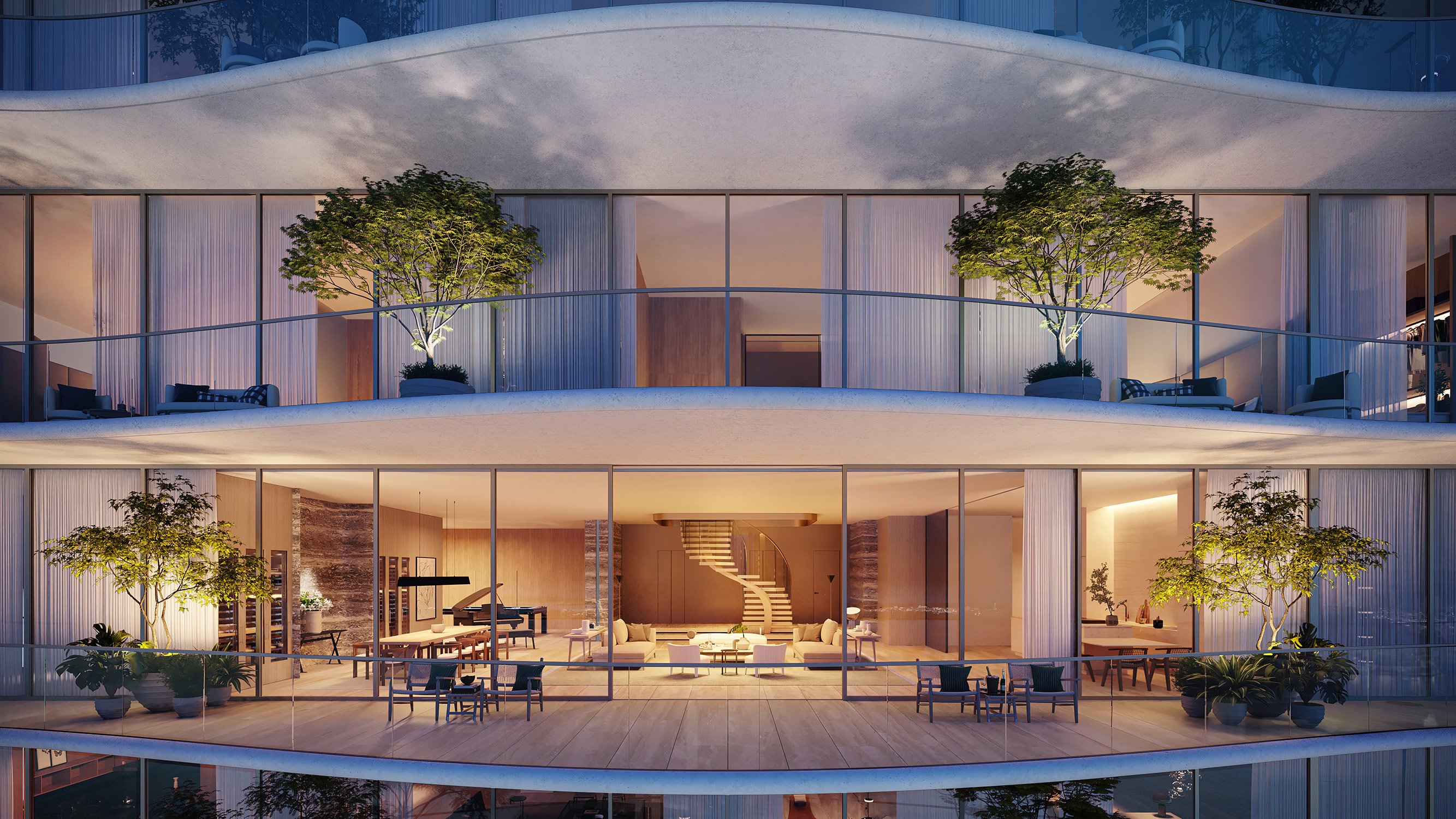
At the top end of the Brickell market, buyers routinely scrutinize views, ceiling heights, private elevator entries, wellness amenities, valet choreography, and the feel of the lobby arrival. Construction-noise exposure deserves the same level of attention. For buyers evaluating The Residences at 1428 Brickell, the question is not whether a city neighborhood is ever noisy. It is how noise may affect the specific residence, at the specific time of ownership, in the specific rooms and outdoor spaces where daily life actually happens.
The most sophisticated approach is to treat noise as a due-diligence category, not a lifestyle afterthought. A buyer who works from home, hosts during weekday afternoons, uses outdoor terraces heavily, or expects a pied-à-terre to feel immediately serene may have a different tolerance than an owner who visits seasonally or occupies mostly at night. In Brickell, where luxury residential towers can rise beside other active or future sites, the better question is not simply, “Will it be quiet?” It is, “What can be known, documented, and managed?”
That same discipline applies when comparing nearby luxury inventory such as 2200 Brickell or Cipriani Residences Brickell. Different buildings, streets, orientations, and delivery stages can create markedly different noise experiences, even within the same neighborhood.
Begin with the project’s own timeline. Buyers should ask for a plain-language description of the construction sequence, with particular attention to the phases that tend to be most audible: excavation, foundation work, crane activity, concrete pours, façade installation, drilling, coring, hammering, and amenity-area construction.
The key is specificity. Ask which phases are complete, which remain pending, and which may coincide with early closings or initial occupancy. If the tower is delivered in phases, ask whether early residents could be affected by interior build-outs, amenity completion, punch-list work, elevator protection, loading activity, or neighboring unit renovations after closings begin.
For new-construction and pre-construction buyers, timing is often the difference between a temporary inconvenience and a meaningful ownership consideration. A buyer planning to occupy immediately should ask different questions than a buyer purchasing for longer-term use.
Construction noise is rarely uniform. Buyers should ask whether exposure varies by stack, elevation, orientation, and proximity to active construction zones. A residence facing one corridor may experience a different sound profile than a comparable plan facing another. High floors are not automatically immune, because certain sounds can travel upward, while lower residences may be closer to street-level staging, truck routes, loading zones, and sidewalk activity.
Ask which lines are more exposed to current or anticipated work, and whether any view corridors overlap with active parcels. If available, request a map or simple explanation of nearby construction activity that could affect the selected residence. This is especially important for buyers comparing Brickell projects such as St. Regis® Residences Brickell, where orientation, access, and surrounding development context can shape daily living as much as interiors.
Balcony use deserves its own question. Balcony conditions, pool decks, terraces, and outdoor lounges may be more exposed than interior rooms. Ask what types of construction noise are most likely to be heard outdoors versus inside the residence with windows and doors closed.
Luxury glazing does not automatically mean acoustic quiet. Buyers should ask for any available acoustic-performance information for windows, balcony doors, exterior walls, and mechanical penetrations. They should also ask whether the building envelope is designed primarily for energy efficiency, wind resistance, hurricane performance, acoustics, or a blend of those goals, because the priorities do not always produce the same result.
A useful request is simple: ask whether acoustic studies, façade sound-transmission testing, or consultant materials exist that are relevant to exterior noise reduction. If the answer is yes, ask for the findings to be explained in plain English. If the answer is no or limited, avoid assuming silence. Instead, ask what design features are intended to reduce exterior sound and where those features may be most effective.
For buyers considering Una Residences Brickell alongside The Residences at 1428 Brickell, this is a reminder that the best comparison is not only amenity to amenity. It is also envelope to envelope, exposure to exposure, and daily routine to daily routine.
Construction hours should be discussed before contract, not after move-in. Ask what work hours are expected and whether any activity may occur outside standard windows due to concrete pours, logistics, safety conditions, or city approvals. Do not rely only on evening quiet or weekend impressions. Buyers who work from home or use the residence during weekday mornings should ask specifically about daytime expectations.
Notice procedures are equally important. Ask how residents will be informed before especially noisy work such as drilling, coring, hammering, façade work, amenity-area construction, or work near elevators and corridors. A luxury building’s service culture is tested not only by its amenities, but by how clearly it communicates temporary disruption.
Ask for the escalation path. Who receives a complaint? Is it the building manager, developer representative, association contact, or contractor liaison? What is the expected response time? What happens if there is abnormal vibration, rattling, or repeated transmission from a nearby work area?
The most elegant sales presentation does not replace the governing documents. Buyers should ask whether purchase contracts, disclosures, or condominium materials contain disclaimers about construction noise, adjacent development, view changes, temporary nuisance conditions, amenity completion, or work after closing.
Counsel should review whether any promises about noise, completion timing, quiet enjoyment, or construction management are binding obligations or general sales representations. This is not adversarial. It is the normal discipline of buying at a high level in a dense urban market.
Also ask how the future condominium association will regulate contractor hours, resident renovations, elevator use, debris removal, and noise complaints once closings begin. Post-closing policies matter because even after the tower’s major work is finished, neighboring unit renovations and amenity adjustments can affect the early ownership experience.
Construction-noise exposure does not end with one building’s completion. Buyers should ask about neighboring development risk in Brickell, including whether nearby parcels could produce future high-rise construction noise after The Residences at 1428 Brickell is complete. The answer may not be fully knowable, but the conversation itself can reveal how carefully the buyer has evaluated the setting.
Street-level logistics also matter. Ask whether construction staging, truck routes, crane swing areas, sidewalk closures, or loading zones could affect daily access, valet operations, ride-share arrival, deliveries, and street-level noise. In a neighborhood where the choreography of arrival is part of the luxury experience, temporary access friction can be as relevant as sound inside the residence.
The goal is not to eliminate every unknown. It is to understand which unknowns are temporary, which are recurring, and which may be tied to the specific line being purchased.
Should construction-noise exposure affect a purchase decision at The Residences at 1428 Brickell? It should be part of due diligence, especially for buyers who plan to occupy early, work from home, or use outdoor spaces frequently.
What construction phases should I ask about first? Ask about excavation, foundation work, crane activity, concrete pours, façade installation, drilling, coring, hammering, and amenity construction.
Can noise differ between residences in the same tower? Yes. Exposure may vary by stack, elevation, orientation, and proximity to active work, staging areas, or neighboring parcels.
Are higher floors always quieter during construction? Not necessarily. Some sound can travel upward, while lower floors may be closer to trucks, loading zones, and street-level activity.
What acoustic information should I request? Ask for available details on windows, balcony doors, exterior walls, mechanical penetrations, and any acoustic studies or façade testing.
Should I ask about construction hours? Yes. Ask what hours are expected and whether any work may occur outside standard periods because of logistics, safety, or approvals.
What should work-from-home buyers focus on? They should ask specifically about weekday morning and daytime noise, not only evening or weekend quiet conditions.
Can condominium documents address construction noise? They may include disclosures or disclaimers about noise, adjacent development, view changes, temporary nuisance, or post-closing work.
What should I ask about after closings begin? Ask how the association will manage contractor hours, renovations, elevator use, debris removal, complaints, vibration, and rattling.
Is neighboring Brickell construction part of the analysis? Yes. Future nearby development can affect sound, access, views, and outdoor amenity enjoyment even after the tower is complete.
If you'd like a private walkthrough and a curated shortlist, connect with MILLION.
If branded residences are on your mind — as a home or as an allocation — we would be glad to share what we are seeing, privately.
Begin a quiet conversation