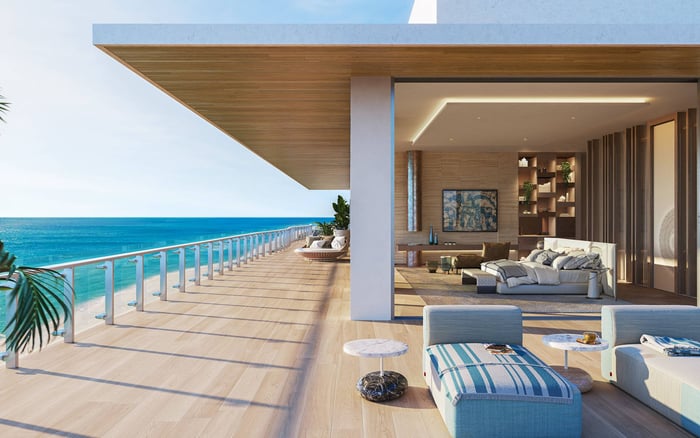
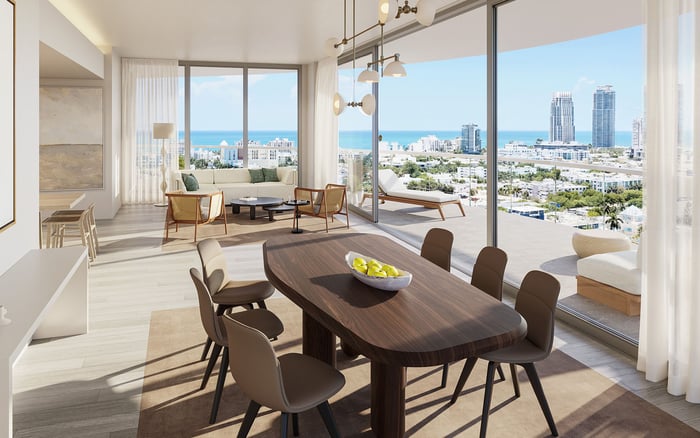
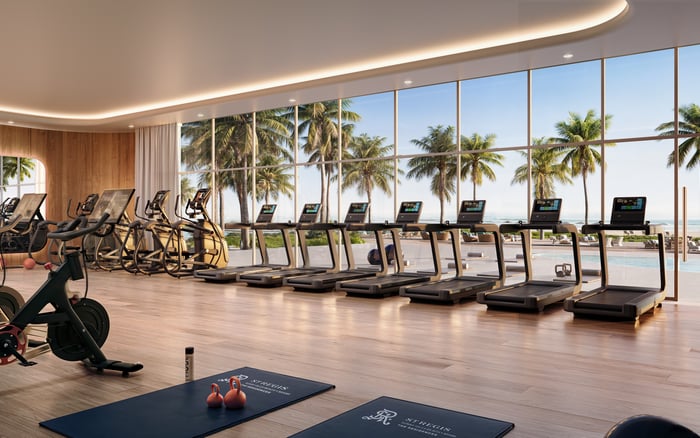
A discreet buyer’s guide to evaluating rooftop amenity wind at 57 Ocean Miami Beach, with emphasis on comfort zones, furniture, family use, and day-to-day outdoor living.
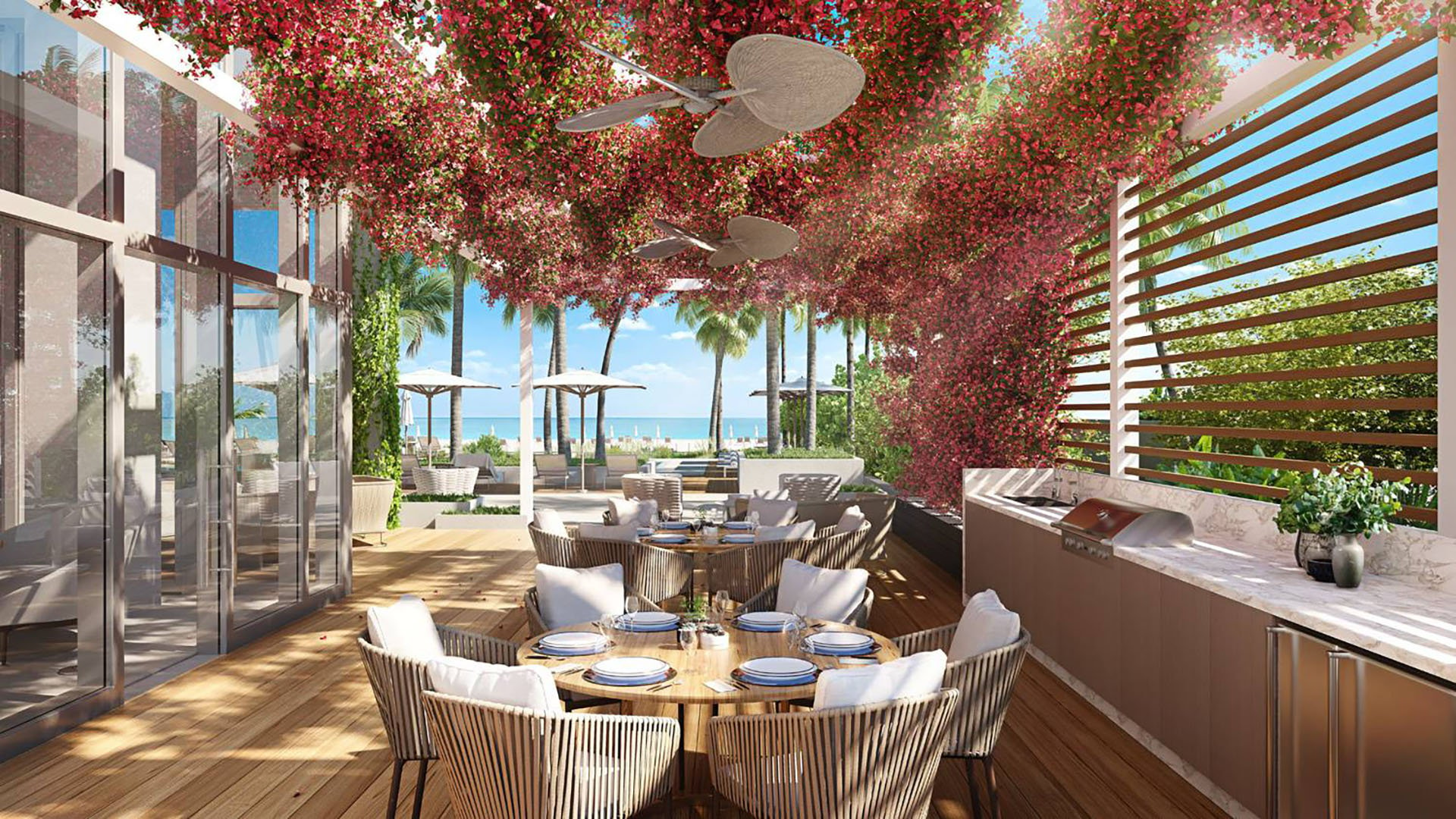
At 57 Ocean Miami Beach, wind should be understood as part of daily Atlantic-facing life, not merely as a seasonal or storm-related concern. For households evaluating the building, rooftop and elevated amenity comfort deserves the same level of scrutiny as views, finishes, privacy, and service.
The question is not whether an oceanfront rooftop can feel breezy. It can. The more useful question is how that breeze behaves across the amenity deck, which areas remain comfortable for extended use, and how the building manages items sensitive to coastal exposure. In a high-end residence, the most successful outdoor amenities do more than photograph beautifully. They perform consistently, across ordinary afternoons, guest visits, family gatherings, and quiet evenings after the beach.
That distinction matters. A rooftop may feel spectacular during a short tour, yet very different when someone is dining, reading, supervising children, or hosting friends. Wind comfort is one of the subtle details that separates an impressive amenity from one that becomes part of everyday life.
Oceanfront exposure changes how elevated outdoor spaces are experienced. On the beach and ocean side, there is less upwind obstruction, which can allow breezes to reach rooftop areas more directly than they might at ground level or within a more enclosed urban setting. This does not make rooftop wind inherently negative. In South Florida, airflow can be part of the appeal, especially when it softens heat and humidity. The issue is balance.
A refined oceanfront amenity deck should offer more than a single exposure. It should create choices. Some households may prefer an open edge with a dramatic Atlantic view for a short conversation or morning coffee. Others may gravitate toward more protected seating for lunch, lounging, reading, or family use. The practical value of the rooftop lies in whether residents can choose the right zone for the moment.
For buyers, that means the evaluation should move beyond the view line. Ask how long you would remain in each area, whether conversation feels natural, whether napkins, cushions, and small personal items feel secure, and whether the space invites lingering. A rooftop with a mix of open and sheltered conditions will usually feel more versatile than one that treats the entire deck as a single experience.
Wind comfort is often shaped by details that are easy to miss during an initial walkthrough. Parapets, screens, furniture placement, landscaping, and any covered pavilion or roof structure can meaningfully alter how a rooftop feels. The same deck may have a breezy perimeter, calmer interior seating, and transitional areas that work best at certain times of day.
At 57 Ocean Miami Beach, households should pay close attention to where seating sits in relation to exposed roof edges. A chair placed near an open Atlantic-facing edge can feel very different from a seating group set behind a parapet, screen, planter, or covered area. The difference is not only physical comfort. It influences how often the space will be used for dining, lounging, entertaining, or simply spending time outdoors without effort.
Furniture is another quiet but important signal. At an oceanfront building, rooftop pieces should feel heavy, stable, and suitable for persistent coastal exposure. Loose décor, lightweight cushions, freestanding umbrellas, and movable accessories require more discipline on an elevated deck than they might at pool level. Planters should be considered not only as landscaping, but also as objects that must be maintained and positioned with care.
This is where management practice becomes part of the amenity. Buyers should ask how umbrellas, movable furniture, cushions, planters, and storm preparation are handled. The answer will reveal whether the building treats rooftop wind as a routine operational condition or responds only when weather becomes dramatic.
A single visit rarely tells the whole story. When possible, households should see rooftop amenity spaces at different times of day, since perceived wind comfort can vary with sea breezes and ordinary weather patterns. A morning walkthrough, a late-afternoon visit, and an early-evening impression may each reveal different comfort zones.
This is especially important for households with children, elderly relatives, or frequent guests. A rooftop that feels acceptable to an owner using it occasionally may feel less practical for a family that expects to entertain often or bring multiple generations together. For some buyers, wind comfort may be a minor point. For others, it will influence how much of the amenity program is truly usable.
During a tour, do not stop at general impressions. Stand in the dining areas, sit in the lounge seating, walk toward the exposed edges, and notice how your body responds. Is the breeze refreshing or distracting? Are there calm pockets? Does shade combine with airflow in a pleasant way, or does exposure make the area feel less settled? The goal is not to eliminate wind. It is to understand the rooftop’s usable rhythm.
The best buyer question is precise: which zones are comfortable, which are exposed, and how are wind-sensitive items managed? That is more useful than asking whether the roof is windy, because an oceanfront rooftop may contain several different micro-experiences within the same amenity level.
Rooftop wind should be weighed alongside views, privacy, shade, pool use, and outdoor entertaining expectations. A panoramic Atlantic outlook may be one of the most memorable attributes of an oceanfront building, but value depends on how that view can be lived with. The strongest amenity spaces are not only scenic. They are legible, manageable, and comfortable enough to support repeated use.
For a household comparing options, the relevant vocabulary is practical: oceanfront exposure, terrace comfort, pool enjoyment, balcony usability, and high-floor perception. Each of these ideas connects to how outdoor living actually functions in Miami Beach. A residence may offer magnificent elevated scenery, but the day-to-day question remains how often residents will choose to use the space and for what purpose.
At 57 Ocean Miami Beach, rooftop wind should therefore be framed as due diligence rather than alarm. It is not a defect by definition, and it should not be judged in abstraction. It is a comfort variable that depends on design, placement, materials, management, and personal lifestyle. The right household will want to know where the rooftop feels open, where it feels protected, and how those choices align with its own habits.
The most discerning buyers tend to think in scenarios. Where would breakfast feel best? Where would guests gather before dinner? Where would a grandparent sit comfortably? Where would children be easiest to supervise? Where would one read without adjusting loose items every few minutes? These questions translate an amenity plan into lived experience.
Is rooftop wind at 57 Ocean only a storm issue? No. Buyers should treat rooftop wind as a day-to-day comfort factor that can influence how often elevated amenity areas are used.
Why can an oceanfront rooftop feel breezier than ground-level space? Oceanfront exposure can allow breezes to move across elevated areas with less obstruction from the beach and ocean side.
What rooftop zones should buyers compare? Compare exposed edges, protected seating, dining areas, shaded spaces, and any covered or pavilion-like areas.
Does wind make a rooftop amenity less valuable? Not necessarily. Value depends on whether the deck offers comfortable zones that match the household’s lifestyle and entertaining expectations.
What furniture details matter most? Rooftop furniture should feel heavy, stable, and appropriate for persistent coastal exposure.
Should buyers ask about umbrellas and cushions? Yes. Umbrellas, cushions, movable furniture, planters, and loose décor require clear rules and careful management on rooftop decks.
How many times should a household visit the rooftop? When possible, visit at different times of day to understand how comfort changes with ordinary breezes and weather patterns.
Who should pay closest attention to wind comfort? Families with children, households with elderly relatives, and owners who entertain frequently may find wind comfort especially important.
What is the best question to ask during a tour? Ask which rooftop zones are most comfortable, which are more exposed, and how management handles wind-sensitive items.
How should rooftop wind be weighed against the view? Treat wind, views, shade, privacy, pool use, and entertaining needs as connected parts of the same amenity value decision.
If you'd like a private walkthrough and a curated shortlist, connect with MILLION.
If branded residences are on your mind — as a home or as an allocation — we would be glad to share what we are seeing, privately.
Begin a quiet conversation