A buyer-focused guide to evaluating guest parking rules, arrival protocols, overnight limits, fees, overflow options, and document review before purchasing at Glass House Boca Raton.
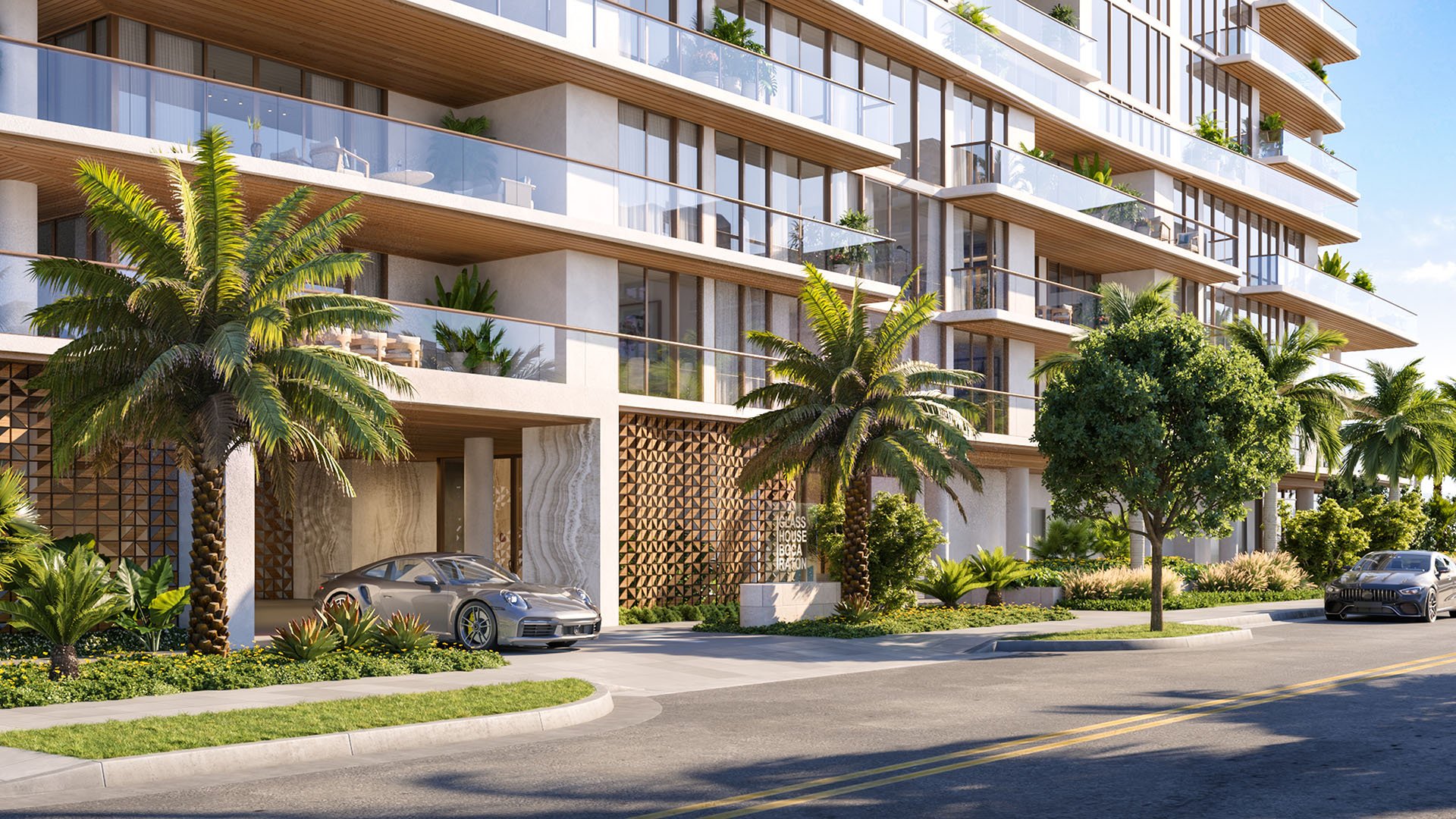
For many buyers, parking enters the conversation late, after views, finishes, amenities, and floor plans have already shaped the emotional decision. At Glass House Boca Raton, guest parking deserves a more deliberate place in the evaluation. It is not merely a convenience. It can affect how comfortably you host family dinners, receive visiting children, welcome seasonal friends, manage chauffeurs, and coordinate everyday services.
In a polished Boca Raton condominium environment, the best parking systems feel almost invisible. Guests arrive smoothly, staff understands the protocol, access is controlled, and residents are not left negotiating curb space during a holiday weekend. For a purchaser, the challenge is that this ease often depends on rules embedded in condominium documents, board policies, valet procedures, management practices, and the practical realities of peak occupancy.
This is where a Buyer's Guides mindset matters. Before contract, ask practical questions in plain language, then verify the answers in writing where possible. A beautiful building can still have a guest parking policy that feels restrictive for the way you live.
Begin with the most basic question: how many guest parking spaces exist, and where are they located? From there, ask whether those spaces are reserved for guests, shared with other building uses, valet-only, self-park, or available on a first-come, first-served basis. The distinction matters. A dedicated guest area near the entrance creates a different experience than spaces dependent on staff direction, garage access, or available overflow.
Buyers comparing Glass House Boca Raton with other Boca Raton residences, such as Alina Residences Boca Raton, should not assume that guest parking norms are consistent from one property to another. Each condominium can define visitor access differently, especially when garage layouts, staff models, and resident density vary.
Ask whether guest parking capacity changes during weekends, holidays, resident events, or seasonal occupancy spikes. South Florida living has its own rhythms: family visits in season, long weekends, dinner parties, charity events, club calendars, and holiday gatherings. A policy that works easily on a quiet Tuesday afternoon may feel different on a Saturday evening in peak season.
Guest parking is not only about where a car sits. It is also about how the guest enters the property. Ask whether visitors must be pre-registered, checked in by staff, entered into an app, or approved by the resident before arrival. If you regularly host out-of-town family, private chefs, healthcare providers, drivers, or service professionals, the process should be simple enough to use without friction.
Also ask what access system is used. The building may rely on valet, self-parking, controlled garage entry, license-plate recognition, or another visitor access process. Each approach has advantages, but each also creates different obligations for owners and guests. A valet-forward system can feel seamless, but buyers should ask how delays are handled, whether staff coverage changes by time of day, and what happens when several residents receive guests at once.
In a boutique building, the promise is often intimacy and discretion. That makes the arrival sequence especially important. The ideal protocol should protect privacy while still allowing invited guests to feel welcomed, not processed.
A luxury buyer should ask directly whether guest parking involves fees, valet charges, overnight charges, event surcharges, or informal tipping expectations. Even modest charges can become meaningful if you frequently host family or maintain an active social calendar. More importantly, unclear expectations can create awkwardness for guests and inconsistency among staff.
Overnight parking requires separate attention. Ask whether overnight guests may park on-site, how many nights are permitted, and whether management approval is required. A visiting adult child, a friend staying for a long weekend, or a houseguest during the winter season may fall under different rules than a dinner guest staying for three hours.
Ask whether there are limits on the number of guest vehicles per residence at one time. This is essential for buyers who entertain, host family gatherings, or expect multiple visitors during the same evening. The policy should be understood before purchase, not discovered when a doorman, valet, or manager is forced to say no.
For residents who enjoy hosting, the most revealing question may be operational: what must I do before a dinner party? Ask whether residents hosting dinners, parties, or family gatherings must provide advance notice or arrange overflow parking. A condominium may require guest names, arrival windows, valet coordination, security approval, or alternative parking plans.
Buyers considering new-construction properties often focus on fresh design language, wellness programming, and amenity mix. Those elements matter. But lifestyle quality also depends on how the building handles real evenings, real guests, and real cars. A serene lobby experience can be compromised if the arrival court becomes congested or guests are directed to unclear off-site options.
For context, buyers looking across the city may also compare service expectations at The Residences at Mandarin Oriental Boca Raton and Mr. C Residences Boca Raton. The lesson is not that one system is universally better. The lesson is that parking rules should match how you actually intend to live.
Every buyer should ask what happens when guest parking is full. Is nearby street parking available? Are there public garages? Does valet have an overflow arrangement? Are guests redirected, waitlisted, or asked to leave the vehicle off-site? The answer should be practical, not vague.
Exterior street parking deserves its own inquiry. Ask whether nearby street parking is metered, time-limited, restricted overnight, or actively enforced. This is particularly important for guests arriving in rental cars, out-of-state vehicles, oversized vehicles, service vehicles, or cars with temporary plates. Ask whether those vehicle types are treated differently under the building rules.
Electric vehicles add another layer. Ask whether guests with EVs may use building chargers and whether charging requires fees, reservations, or resident sponsorship. A policy that is friendly to resident EV use may not automatically extend to visitors.
The most important step is document review. Ask to review the condominium documents, rules and regulations, parking assignment language, and any board policies that govern visitor parking. Sales conversations can be useful, but the governing language is what will matter after closing.
Ask whether guest parking rules can be changed by the condominium association or board after purchase, and what owner approval threshold applies. This is a subtle but important point. A policy that feels generous today may be amended later if demand increases, management changes, or the association responds to complaints.
Finally, where possible, ask sales staff, management, and current owners about recurring issues. Find out whether guest parking has generated complaints, fines, towing, bottlenecks, or confusion. Discretion does not mean avoiding direct questions. In the ultra-premium market, the most sophisticated buyers are often the most specific.
How many guest parking spaces should I expect at Glass House Boca Raton? Do not assume a number. Ask for the current count, location, and whether spaces are reserved, shared, valet-only, or first-come, first-served.
Should I ask about weekend and holiday parking? Yes. Guest parking can feel very different during weekends, holidays, resident events, and seasonal occupancy peaks.
Will my guests need to be registered before arrival? Ask whether guests must be pre-registered through staff, an app, a resident approval process, or another check-in system.
Is valet the same as guaranteed guest parking? Not necessarily. Valet can improve arrival flow, but you should still ask about capacity, wait times, overflow, fees, and overnight rules.
Can overnight guests park on-site? Ask whether overnight parking is allowed, how many nights are permitted, and whether management approval is required.
Are there usually fees for guest parking? Confirm whether there are valet charges, overnight charges, event surcharges, EV charging fees, or expected gratuities.
What if I host a dinner party? Ask whether advance notice is required and whether multiple guest vehicles trigger special procedures or overflow arrangements.
Can guests use EV chargers? Ask whether visitor EV charging is allowed and whether it requires reservations, payment, or resident sponsorship.
Could guest parking rules change after I buy? Yes, rules may be subject to association or board authority. Review the governing documents and approval thresholds carefully.
What documents should my attorney review? Have counsel review the condominium documents, rules and regulations, parking language, and any board policies governing visitor parking.
For a tailored shortlist and next-step guidance, connect with MILLION.
If branded residences are on your mind — as a home or as an allocation — we would be glad to share what we are seeing, privately.
Begin a quiet conversation