A discreet buyer’s guide to evaluating resale restrictions across South Florida’s oceanfront, bayfront, and urban luxury residences before committing to a lifestyle or investment strategy.
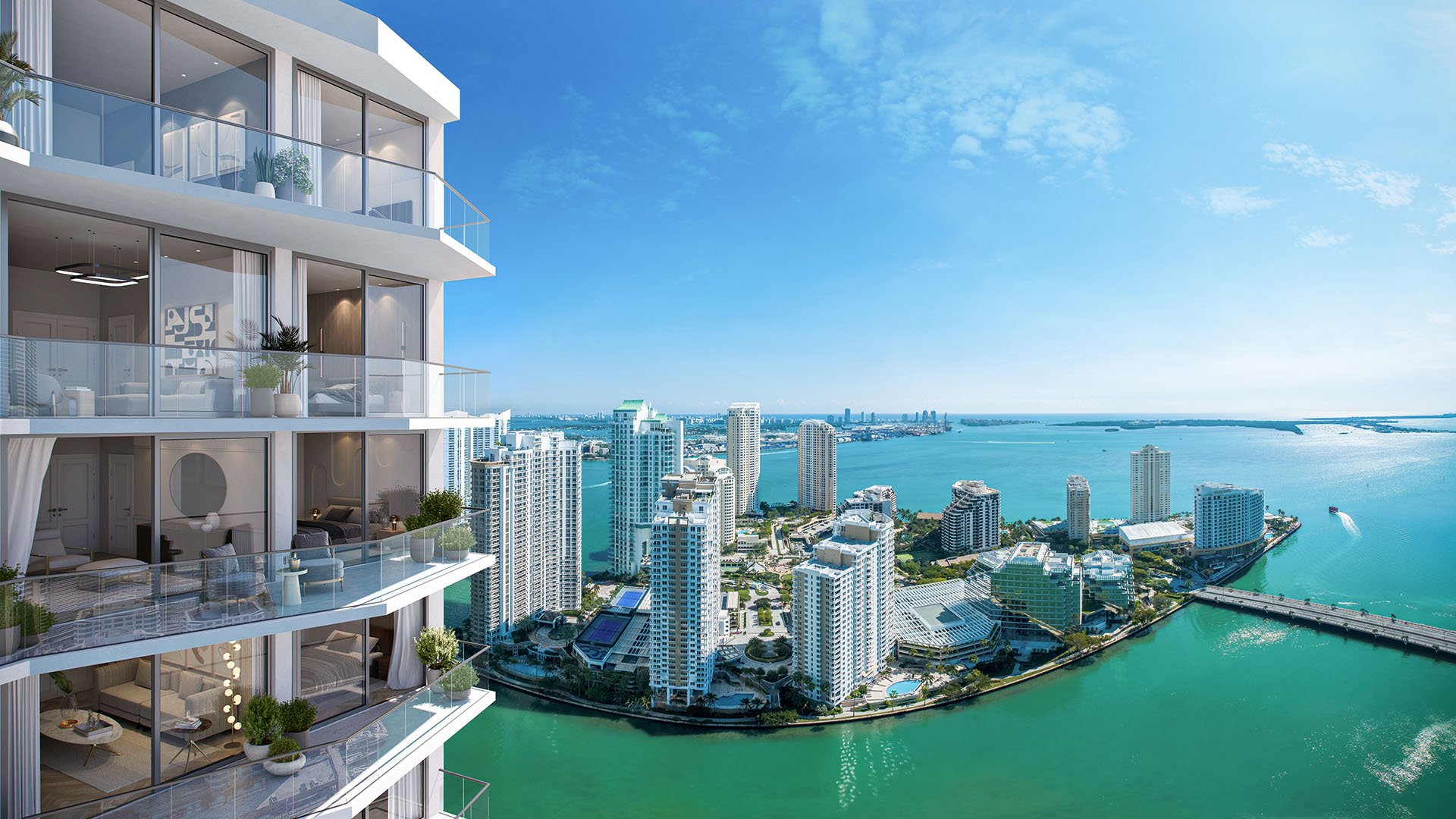
In South Florida luxury real estate, the first attraction is often sensory: the horizon line from an oceanfront balcony, the evening shimmer of a bayfront terrace, or the vertical energy of a city residence in Brickell. Yet for a sophisticated buyer, the more consequential question is quieter: how easily can this property be resold, leased, inherited, or repositioned when life changes?
Resale restrictions are not merely administrative language buried inside association documents. They shape liquidity, privacy, holding costs, guest access, rental income potential, and the future buyer pool. A residence may be exceptional in architecture and finish, but if its restrictions conflict with your personal use, family planning, or investment horizon, the ownership experience can feel constrained.
Before choosing among oceanfront, bayfront, or city living, compare the restrictions with the same rigor you apply to views, floor plans, services, and amenities. The goal is not to avoid rules. In the ultra-premium market, good rules often protect a building’s value. The goal is to understand which rules support your lifestyle and which may limit it.
Resale language can affect far more than the moment you sell. It can influence whether a buyer may finance a purchase, whether an association has approval rights, whether a purchaser must complete an application process, whether leasing is limited during the first year of ownership, and whether short stays are permitted or prohibited.
Review transfer procedures, buyer approval timelines, right-of-first-refusal provisions, minimum lease terms, guest registration, pet rules, renovation approvals, parking transfers, storage rights, and amenity access. These details may seem secondary during a purchase negotiation, but they become central when an owner needs speed, discretion, or flexibility.
A strong resale strategy begins with a simple question: who will the next buyer be, and will the building’s rules welcome that buyer? A seasonal owner, family office, international buyer, full-time resident, or second-home buyer may each respond differently to the same restrictions.
Oceanfront buildings often appeal to buyers who value permanence, privacy, and a resort-like setting without public exposure. In these communities, restrictions may be designed to preserve quiet enjoyment, reduce transient use, and protect a highly curated residential atmosphere.
That discipline can be a virtue. Buyers seeking discretion may prefer buildings with longer lease minimums, controlled guest access, careful screening, and clearly defined renovation protocols. These measures can help keep the building calm, consistent, and aligned with owner expectations.
The tradeoff is flexibility. If you intend to offset carrying costs with frequent rentals, host extended guests without friction, or sell quickly to a broad investor audience, restrictive oceanfront rules may narrow your options. This is especially important in buildings where the lifestyle premium is inseparable from order and exclusivity.
When comparing two oceanfront residences, do not stop at price per square foot or view corridor. Compare lease frequency, minimum lease duration, application timing, move-in rules, and whether approvals can delay closing. The best choice is the one whose discipline matches your intended use.
Bayfront residences can offer a more layered ownership experience: water views, boating culture, sunsets, proximity to dining, and a softer separation from the city. The rules can also be more nuanced because the property may include marinas, docks, waterfront amenities, valet procedures, or shared outdoor spaces.
For a bayfront buyer, water view is only one part of the equation. If boating matters, confirm whether slips are deeded, assigned, leased, transferable, or separately governed. If the residence will be used seasonally, confirm guest policies and whether family members can occupy the property without the owner present.
Bayfront buildings may attract both end users and investors, which makes rental restrictions especially important. A building that permits more rental flexibility may feel appealing from an income perspective, but it may also create a different residential rhythm. Conversely, a building that limits rentals may feel more private, but less adaptable for owners who travel extensively.
The key is to determine whether the rules support the waterfront life you imagine. A beautiful bay view loses some of its value if marina access, guest use, or leasing rights differ materially from your expectations.
Urban luxury towers can appear more flexible because they sit near finance, dining, culture, and transit. In Brickell, Downtown, and other dense neighborhoods, buyers often assume there will be a broader tenant base and a deeper resale audience. That may be true in principle, but building rules still determine what is possible in practice.
City residences often require careful review of leasing minimums, furnished rental policies, corporate ownership rules, guest registration, package and service access, parking rights, and elevator reservation procedures. If the purchase is part lifestyle and part investment, the rental policy deserves particular attention.
A city tower with generous leasing rules may appeal to buyers who want optionality. Another with stricter rules may attract residents who prefer stability and owner occupancy. Neither model is inherently superior. The right model depends on whether the residence is intended as a primary home, pied-a-terre, long-term hold, or eventual resale into a specific buyer profile.
Do not assume that city living automatically means fewer restrictions. In luxury buildings, rules often become more sophisticated as services become more comprehensive.
The cleanest way to evaluate restrictions is to create a side-by-side comparison before emotional preference takes over. Use the same categories for every property: buyer approval, lease policy, guest policy, pet policy, renovation policy, transfer fees, financing limitations, insurance requirements, parking rights, storage rights, amenity access, and association approval timelines.
Then rank each category by personal importance. A full-time resident may care most about privacy, renovation quality, and guest conduct. A seasonal owner may prioritize family access, security procedures, and lock-and-leave convenience. An investor may focus on lease terms, tenant approval, and resale liquidity.
The comparison should also account for time. Some restrictions affect daily life, while others affect an exit. A long approval process may not matter during ownership, but it can matter during a delicate sale. A rental limitation may feel irrelevant today, then become important if work, family, or tax planning changes later.
Ask whether the association can reject a buyer and under what conditions. Ask how long approvals usually take, whether interviews are required, whether entities or trusts are treated differently, and whether any ownership structure triggers additional review.
Ask whether leases are permitted immediately after purchase, how many leases are allowed per year, the minimum lease term, whether renewals count as new leases, and whether tenants receive full amenity access. If family members may use the residence, ask whether they must register as guests or authorized occupants.
Ask whether renovations require deposits, approved contractors, seasonal limitations, elevator reservations, or board approval. Luxury buyers often focus on finishes, but the ability to personalize a residence can be just as important as the existing design.
Finally, ask how restrictions have been enforced. Rules that are ignored can create uncertainty. Rules that are enforced consistently can protect value, even when they feel demanding.
The most elegant purchase is one that anticipates change. A couple buying for winter use may later want year-round occupancy. A family may need flexible guest access. An executive may relocate. A collector may want to renovate. A buyer focused on privacy today may value liquidity tomorrow.
Oceanfront, bayfront, and city residences each offer a distinct form of South Florida privilege. The best address is not only the one with the most compelling view. It is the one whose rules support your life now while preserving choices for the future.
What is a resale restriction in a luxury condo? It is a rule that can affect how an owner sells, leases, transfers, renovates, or allows others to use the residence.
Are stricter rules always bad for resale? No. Stricter rules can reduce flexibility, but they may also protect privacy, consistency, and long-term building character.
Why do oceanfront buildings often feel more restrictive? Many prioritize quiet enjoyment, security, and a residential atmosphere, which can lead to tighter leasing and guest policies.
What should bayfront buyers review beyond the unit itself? They should review marina, dock, amenity, guest, parking, and leasing rules if those features affect the intended lifestyle.
Is Brickell generally better for rental flexibility? It can offer a deep urban audience, but every building has its own rules, so documents must be reviewed individually.
Can rental restrictions affect future value? Yes. They can expand or narrow the future buyer pool depending on whether purchasers seek income, privacy, or full-time use.
Should a second-home buyer care about guest policies? Yes. Family access, house staff access, and owner-absent occupancy can materially affect seasonal convenience.
What document matters most when reviewing restrictions? The declaration, bylaws, rules, regulations, and current association policies should be reviewed together, not separately.
Can renovation rules influence a purchase decision? Yes. Approval timelines, deposits, contractor rules, and work-hour limits can affect both cost and personalization.
When should buyers compare restrictions? Before making a final commitment, so lifestyle, financing, rental plans, and exit strategy are aligned from the beginning.
For a tailored shortlist and next-step guidance, connect with MILLION.
If branded residences are on your mind — as a home or as an allocation — we would be glad to share what we are seeing, privately.
Begin a quiet conversation
.jpg&width=700&height=438&fit=cover)