A practical editorial guide for evaluating exterior window-washing cadence at 57 Ocean Miami Beach before committing to a service contract, with emphasis on oceanfront exposure, façade-by-façade review, glass scope, balcony railings, resident experience, and contract flexibility.
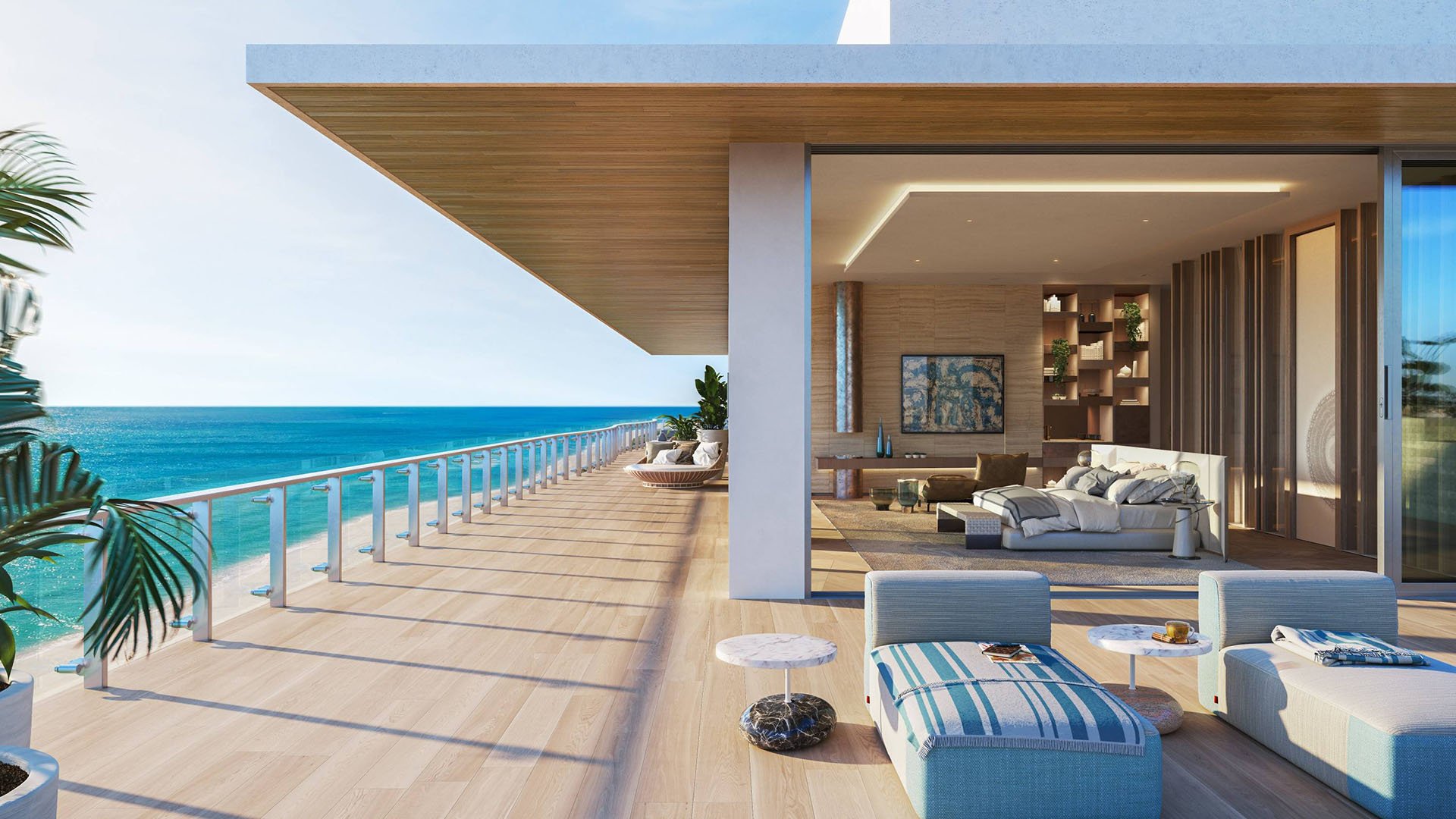
At 57 Ocean Miami Beach, exterior window washing is not a background maintenance task. It sits squarely within the resident experience. The building is positioned as a luxury oceanfront condominium on Collins Avenue, where extensive exterior glazing, floor-to-ceiling glass, and glass balcony railings shape how residents see the ocean, use outdoor space, and measure everyday service quality.
That makes cadence more consequential than selecting a recurring date on a vendor calendar. A pre-contract review should examine what the building requires, what residents will notice, and how the agreement will respond when exposure changes. In a Miami Beach oceanfront setting, glass clarity is part of the property’s presentation. A contract that treats 57 Ocean Miami Beach like an inland condominium risks underestimating salt exposure, façade variation, and the visibility of missed work.
The objective is not to lock in an arbitrary interval. It is to establish a cadence framework that can be observed, adjusted, and enforced before the service relationship becomes difficult to change.
The first question is not how often windows should be washed. It is which elevations receive the heaviest exposure and how that exposure affects visible soiling. At 57 Ocean Miami Beach, the Collins Avenue oceanfront setting is central to the analysis. Ocean-facing elevations should be reviewed separately from leeward or city-facing elevations because the glass may not age visually at the same pace.
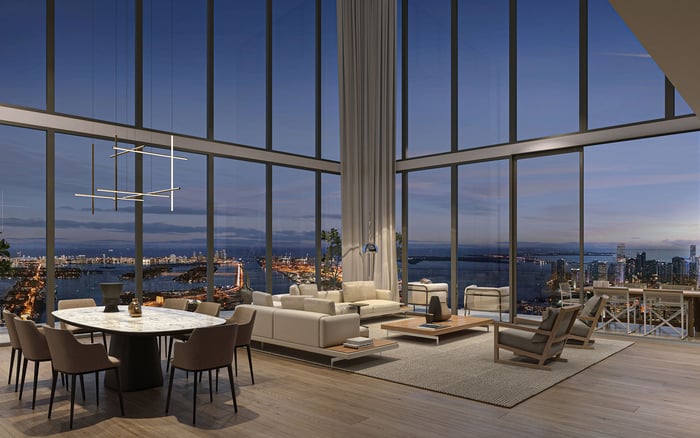
That distinction matters in a building with extensive exterior glazing. Floor-to-ceiling glass can make streaks, spotting, and uneven cleaning far more apparent than they would be on a more traditional façade. A cadence that appears acceptable on one side of the building may leave another side looking tired within the same cycle.
Before signing, management should ask vendors to evaluate the façade by orientation. The contract should then allow cadence to vary by elevation, season, or post-weather-event need. That flexibility is the difference between a schedule that exists on paper and a maintenance program that protects the building’s visual standard.
A proposal may use the phrase window washing, but that phrase can conceal meaningful differences. At 57 Ocean Miami Beach, the scope should clearly state whether service includes only glass panes or also frames, balcony railings, ledges, and other façade-adjacent surfaces. Balcony glass should not be treated as a minor add-on when it is part of the view experience.
This is especially important for residences with floor-to-ceiling glass and outdoor living areas. If railings are excluded, residents may still experience a compromised view from the interior and a less polished setting outdoors. If ledges or frames are omitted, clean panes may sit beside visibly soiled surfaces, creating the impression of inconsistent work.
Stronger contract language defines surfaces in practical terms. It should identify what is included, what is excluded, how exceptions are approved, and how a completed cleaning will be inspected. In the luxury tier, the difference between clean glass and a fully composed façade is material.
A one-size-fits-all schedule is rarely the most refined answer for an oceanfront condominium. At 57 Ocean Miami Beach, a stronger agreement would allow adjustment by façade, elevation, season, and after storm or salt-heavy periods. The cadence should be responsive without becoming vague.
One useful structure is a baseline schedule paired with clearly defined triggers for supplemental service. Those triggers might be tied to visible spotting, resident complaints, balcony usability, or management inspection. The point is to avoid debating need after conditions have already diminished the experience.
High floors deserve the same visual consistency as lower levels, even if access planning differs. Terrace use should also remain part of the service conversation because exterior glass condition affects how residents enjoy outdoor space. In a building where the view is part of the residence’s value proposition, cadence should be judged by resident-facing outcomes, not only by completed work orders.
Luxury buyers increasingly understand that operations shape the lived quality of a residence. When touring Miami Beach projects such as The Perigon Miami Beach, Shore Club Private Collections Miami Beach, or Faena House Miami Beach, the conversation often moves beyond architecture into upkeep: how glass is maintained, how balconies are presented, and how exterior clarity is preserved after difficult weather.
For 57 Ocean Miami Beach, the pre-contract questions should be precise. Does the vendor inspect each elevation before proposing a cadence? Are ocean-facing façades treated differently from city-facing façades when conditions warrant? Are glass balcony railings included in the base scope? Are frames and ledges included, excluded, or priced as separate work? What happens when residents report streaking or spotting shortly after a cleaning cycle?
These questions are not administrative clutter. They define whether a service provider understands the property’s visual priorities. A polished contract should create accountability for the outcome residents actually see: clear views, usable balconies, and consistent façade presentation.
The strongest window-washing contract for 57 Ocean Miami Beach should read like an operating standard, not a generic service order. It should separate baseline cleaning from responsive cleaning, identify included surfaces, and distinguish ocean-facing elevations from other exposures when conditions differ.
It should also describe acceptance criteria. Missed spots, streaking, and uneven façade-by-façade cleaning can undermine perceived service quality in a luxury building. The agreement should provide a simple path for review and correction, especially after storms or salt-heavy periods. If a vendor’s work is complete only because a calendar cycle ended, the contract is not protecting the building’s standard.
Boards and managers should also consider how the cadence will be communicated to residents. View clarity and balcony usability are resident-facing issues. A predictable, transparent cadence can reduce complaints, but only if it is supported by flexibility when conditions change.
The final measure is not whether the building has a window-washing contract. It is whether the contract reflects the oceanfront realities, glass-forward design, and service expectations of 57 Ocean Miami Beach.
Why is window-washing cadence important at 57 Ocean Miami Beach? The building’s oceanfront setting and extensive exterior glazing make glass clarity part of the resident experience, not just routine maintenance.
Should the contract use the same interval for every façade? Not necessarily. Ocean-facing elevations should be reviewed separately from leeward or city-facing elevations because exposure and visible soiling can vary.
Should balcony railings be included in the scope? Yes. Glass balcony railings should be treated as part of the exterior-glass maintenance scope, not as an afterthought.
Can a contract name an exact cleaning interval? It can, but the stronger approach is to pair a baseline cadence with flexibility for façade, season, elevation, and post-weather-event needs.
What surfaces should be defined before signing? The agreement should clarify whether it covers panes, frames, balcony railings, ledges, and other façade-adjacent surfaces.
How should resident complaints be handled? Complaints about view clarity, streaking, balcony usability, or salt-heavy periods should trigger review under the contract’s service standards.
Why does floor-to-ceiling glass change the analysis? Floor-to-ceiling glass increases the visibility of streaks, spotting, and uneven cleaning, making quality control more important.
Is an inland-condominium cadence a good comparison? It is not the right starting point. An oceanfront building should evaluate cadence around salt exposure and façade orientation.
What is the biggest contract risk? The main risk is vague scope language that leaves railings, frames, ledges, or responsive cleanings outside the expected service.
What should buyers look for during due diligence? Buyers should look for a flexible, façade-aware maintenance plan that protects views, balcony presentation, and visual consistency.
For a discreet conversation and a curated building-by-building shortlist, connect with MILLION.
If branded residences are on your mind — as a home or as an allocation — we would be glad to share what we are seeing, privately.
Begin a quiet conversation