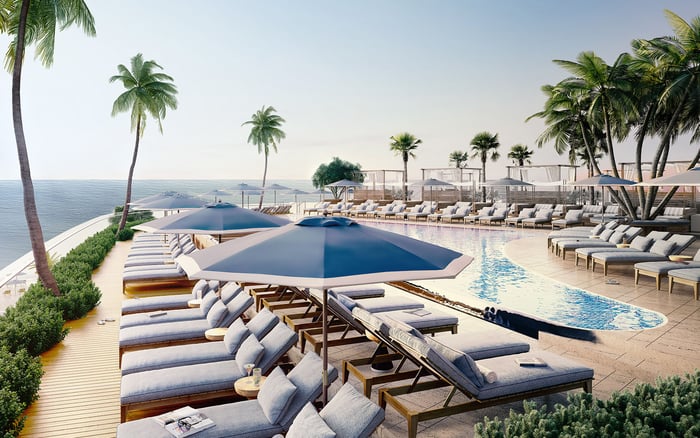
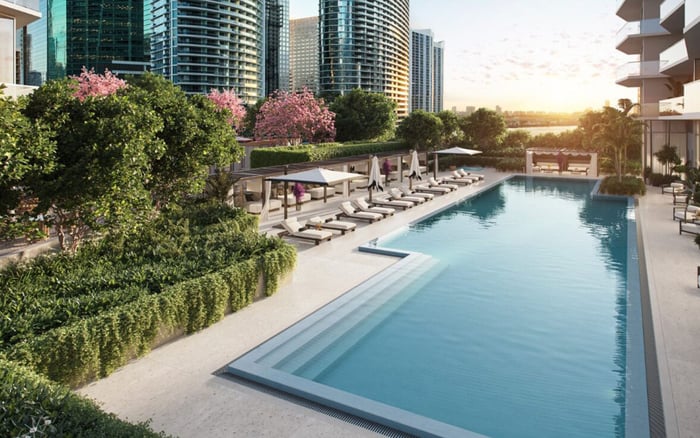
Family-office conference season often sharpens the way ultra-high-net-worth buyers evaluate Miami Beach homes, from privacy and wellness to governance, flexibility, and long-horizon value.
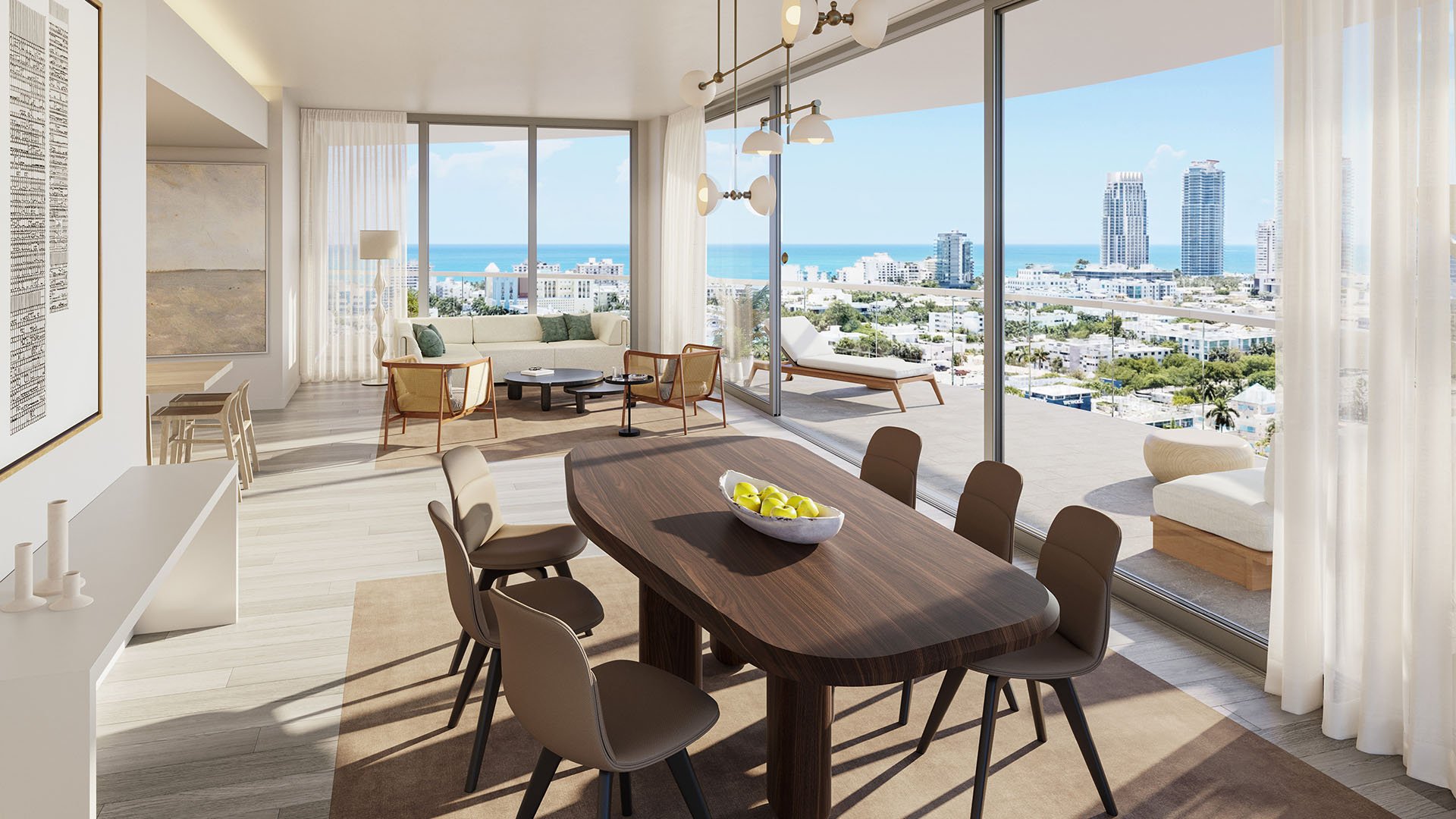
Family-office conference season has a way of refining priorities. Conversations may begin with capital preservation, succession, philanthropy, direct investing, or risk, but they often return to one remarkably personal question: how should a family live? In Miami Beach, that question is not theoretical. It translates into views, staff circulation, privacy, wellness, schooling logistics, guest accommodations, climate comfort, and the subtle daily rituals that make a residence feel effortless.
For ultra-premium buyers, a Miami Beach home is rarely just a holiday address. It can be a second home, a family gathering point, a tax-season base, a boardroom-adjacent retreat, or a future legacy asset. Conference season tends to compress those considerations into a clearer mandate. After several days of private conversations with advisers, peers, next-generation family members, and operating executives, buyers often return to the market with sharper filters and less tolerance for compromise.
That is why properties such as The Perigon Miami Beach resonate beyond their architecture. A buyer shaped by family-office thinking is not only asking whether a residence is beautiful. They are asking whether the home can support discretion, security, wellness, hosting, family governance, and a long ownership horizon without friction.
Before conference season, many Miami Beach searches begin with a familiar wish list: oceanfront exposure, generous entertaining space, direct beach access, a proper terrace, a pool, and a balcony with a view that can reset the day. After conference season, those same desires are often reorganized into a decision framework.
The primary residence question becomes more structured. Who will use the home, and when? Will adult children arrive with their own families? Can staff operate without interrupting privacy? Is there a work setting suitable for confidential calls? Is the residence comfortable for short stays but also practical for a full season? Does the building culture match the family’s expectations for discretion?
These questions do not diminish the emotional appeal of Miami Beach. They strengthen it. A home that is both sensual and operationally intelligent can become the rare asset that satisfies the principal, the spouse, the next generation, and the advisory table.
In the family-office world, privacy is multidimensional. It is not only gated entries or controlled elevators. It is arrival sequences, sightlines, staffing protocols, visitor management, digital security, and the ability to entertain without turning the residence into a stage.
Miami Beach buyers increasingly evaluate how a building or estate behaves at peak moments. How does a guest arrive from dinner? Where does a driver wait? Can family members enter quietly after a late flight? Are service areas thoughtfully separated from social areas? Does the primary suite feel protected, or merely decorated?
This is where boutique-scale projects and refined private collections can hold particular appeal. Shore Club Private Collections Miami Beach speaks to a buyer who values hospitality-level polish, but also wants residential composure. The best version of luxury is not the one that announces itself loudest. It is the one that anticipates what should remain unseen.
Conference season also tends to elevate wellness from a pleasant extra to a serious family priority. In Miami Beach, this can mean morning swims, spa routines, recovery spaces, access to trainers, light-filled rooms, clean indoor air, sleep quality, and a connection to water that feels restorative rather than decorative.
For globally mobile families, wellness is also about continuity. A principal who moves between time zones needs a home that supports sleep, privacy, movement, and quiet. Children and grandchildren need spaces that encourage time outdoors. Older family members may prioritize easy circulation, elevator access, shade, and calm.
The strongest residences treat wellness as infrastructure. The gym is not merely a room with equipment. The bathroom is not simply marble. The terrace is not only for photographs. Each element should support a rhythm of living that improves the season and makes the home more useful year after year.
Investment logic always enters the room, but the most sophisticated families know that a personal residence is not the same as a trade. The correct question is not simply whether a Miami Beach home will appreciate. It is whether the home is scarce, usable, maintainable, and aligned with the family’s long-term needs.
Scarcity can come from waterfront positioning, architectural pedigree, scale, privacy, or an unusually balanced floor plan. Usability can be just as important. A spectacular residence that does not support family life may become underused. A slightly quieter home with better flow, service, and flexibility may become the place everyone actually wants to return to.
Some families compare Miami Beach with Brickell, Coconut Grove, Surfside, Fisher Island, and Sunny Isles before deciding where the primary South Florida anchor should sit. A buyer may admire the vertical sophistication of The Residences at 1428 Brickell, then ultimately prefer the coastal ritual of Miami Beach. That comparison is healthy. It clarifies whether the purchase is driven by business access, privacy, beach life, school proximity, or legacy intent.
Family offices are built around coordination. That mindset carries into residential decisions. Buyers increasingly expect a property to coordinate with household staff, travel teams, security advisers, personal assistants, yacht schedules, wellness providers, and visiting relatives.
In a condominium setting, service expectations may include efficient package handling, discreet guest processing, valet consistency, private dining support, and amenity access that feels controlled rather than crowded. In an estate setting, the questions shift toward staffing quarters, maintenance complexity, landscape resilience, and how easily the property can be secured when the family is abroad.
This is one reason established luxury addresses and carefully curated new residences remain central to the conversation. The Ritz-Carlton Residences® Miami Beach appeals to buyers who value recognizable service language and residential privacy in the same setting. For a family office, the ideal home is not only beautiful on arrival. It is reliable after the purchase.
Conference season often brings succession into focus, and succession changes the residential brief. The next generation may care less about formal grandeur and more about wellness, design integrity, sustainability, cultural access, and flexible spaces for friends, children, and remote work.
In Miami Beach, this can shift demand toward homes with casual indoor-outdoor living, contemporary kitchens, media spaces, wellness areas, and terraces that function as outdoor rooms. Younger family members may prefer walkable access to dining and culture, while older principals may prioritize calm, security, and service. The best property resolves those preferences without forcing a choice.
Continuum on South Beach remains relevant in part because South of Fifth living can offer a rare blend of beach, privacy, and urban convenience. For families debating how often each generation will use the residence, that blend can matter as much as square footage.
The post-conference buyer should tour differently. Rather than rushing from one spectacular view to the next, families should walk each property as if they already own it. Arrive as a guest would. Move from the elevator or entry to the kitchen. Test the separation between entertaining and private areas. Imagine a rainy day, a holiday dinner, a confidential call, and a week when the entire family is in residence.
The most revealing moments are often quiet. Is there a place to read away from the main salon? Can someone work privately without claiming a bedroom? Does the primary suite feel removed from entertaining noise? Are outdoor areas usable at different times of day? Does the building feel calm in transition spaces?
When a family office helps shape the brief, the final decision should feel both emotional and disciplined. The residence must deliver pleasure, but it should also reduce complexity.
Why does family-office conference season affect Miami Beach home searches? It often clarifies how families think about privacy, succession, lifestyle, and long-term asset use. That clarity can quickly reshape the purchase brief.
Should buyers prioritize a condo or a single-family home? It depends on the family’s need for service, privacy, staffing, outdoor space, and lock-and-leave convenience. Both formats can work when the operational fit is right.
Is oceanfront always the best choice in Miami Beach? Oceanfront living is highly desirable, but it should be balanced with privacy, building quality, exposure, and ease of use. The best choice is the one the family will actually enjoy.
How important is investment value in a lifestyle purchase? Investment discipline matters, but it should not override usability. A scarce, well-located home that supports family life often has the strongest long-term logic.
What role does wellness play in today’s luxury brief? Wellness is increasingly treated as part of the home’s core infrastructure. Buyers look for light, air, movement, recovery, sleep quality, and access to outdoor living.
Why does Brickell enter a Miami Beach conversation? Brickell is often compared for business access, vertical living, and urban convenience. The comparison helps buyers decide whether their priority is city energy or coastal rhythm.
What should buyers observe during a private tour? They should study arrival, service flow, privacy, storage, outdoor usability, and how the home would function during a full family stay. Beauty alone is not enough.
Are branded residences better for family-office buyers? They can be attractive when service standards, privacy, and maintenance are central priorities. The brand should support the lifestyle rather than substitute for due diligence.
How should the next generation be included in the search? Their preferences can reveal how often the residence will be used and what spaces will matter most. Including them early can prevent a beautiful but underused purchase.
What is the most important takeaway for Miami Beach buyers? Treat the home as both a sanctuary and a family platform. The right residence should simplify life while preserving the emotional pull that brought the family to Miami Beach.
If you'd like a private walkthrough and a curated shortlist, connect with MILLION.
If branded residences are on your mind — as a home or as an allocation — we would be glad to share what we are seeing, privately.
Begin a quiet conversation