A discreet buyer’s guide to evaluating lighting scenes for art, privacy, service access, and smart-home control in South Florida condominiums.
In South Florida’s most considered condominiums, art lighting is no longer a decorative afterthought. It is part of the architecture of discretion. A single scene can reveal how an owner lives, when they entertain, which works matter most, and who can access the residence’s digital systems. For a buyer considering a Brickell aerie, an Oceanfront retreat, or a Penthouse with a major collection wall, the lighting plan deserves the same quiet scrutiny as security, views, and service circulation.
The ideal result is subtle: art reads clearly, rooms feel calm, and the technology disappears. The risk is just as subtle. Overly descriptive scene names, shared app access, exposed control panels, and contractor logins can turn a beautiful system into an information trail. A privacy-minded buyer should evaluate not only whether the art looks extraordinary at dusk, but who can see, control, service, and infer the rhythm of the home.
New-construction residences often promise integrated lighting, shades, audio, and climate control. That integration can be elegant, but it requires discipline. The strongest checklist is not about distrust. It is about reducing unnecessary visibility before ownership transfers, before staff routines are established, and before guests learn which button brings the collector wall to life.
Before discussing apps or keypads, identify what the lighting is meant to serve. A sculpture, a textile, a high-gloss painting, and a large-format photograph can each require a different atmosphere. The buyer’s representative, designer, and lighting consultant should walk the residence at several times of day, especially in rooms with Balcony or Terrace exposure, where daylight and reflection can shift the experience dramatically.
The privacy question begins with hierarchy. Which works should be highlighted for guests, and which should remain visually quiet? Which pieces are visible from elevators, adjoining terraces, neighboring towers, or service areas? A luminous artwork facing glass can become a signature moment, but it may also broadcast the interior after dark. Buyers should ask whether a night scene has been tested from outside the residence, including common vantage points where views into the home may be possible.
Scene planning should follow a collector’s rhythm, not a showroom script. A residence may need a daytime viewing scene, a private evening scene, a dinner scene, a service scene, and an away scene. Each should be restrained, legible, and easy to operate without revealing more than necessary.
A beautiful keypad can conceal a messy control structure. During diligence, buyers should request a plain-language inventory of lighting controls: wall stations, touch panels, mobile apps, voice interfaces, remotes, processor locations, and any integrations with shades or security systems. The goal is not to become a technician. It is to understand what exists and who can reach it.
Access should be reviewed by role. Owners, household staff, designers, contractors, property managers, and visiting technicians do not need the same permissions. A guest should not be able to discover every room scene. A service provider should not retain access after installation. A designer may need temporary visibility during setup, then limited access after handover.
Scene names deserve particular attention. Avoid labels that identify artists, values, private routines, or travel patterns. “Collector Wall,” “Masterpiece Dinner,” or “Away Until Monday” may feel harmless inside an app, but they create unnecessary specificity. More discreet names such as “Evening,” “Gallery Low,” “Dining Soft,” and “Service Bright” usually accomplish the same purpose with less exposure.
Showings often flatter lighting. A buyer should request a practical demonstration that moves through ordinary life: arrival, cocktails, dinner, late-night reading, staff entry, housekeeping, and departure. Each transition should be simple enough for a family member or trusted assistant to operate without calling a technician.
Pay attention to failure points. If Wi-Fi is unavailable, can core lighting still be controlled? If a phone is replaced, how is access restored? If a staff member leaves, how quickly can credentials be removed? If a keypad is confusing, will people bypass the system and leave lights at full intensity? Privacy often fails through inconvenience, not malice.
The same test applies to maintenance. Art lighting may involve recessed fixtures, adjustable heads, drivers, processors, and programmed scenes. Buyers should understand whether servicing requires access to private rooms, closets, ceilings, or panels near sensitive storage. A service route that avoids intimate spaces is preferable. Where that is not possible, appointments, supervision, and credential timing should be planned in advance.
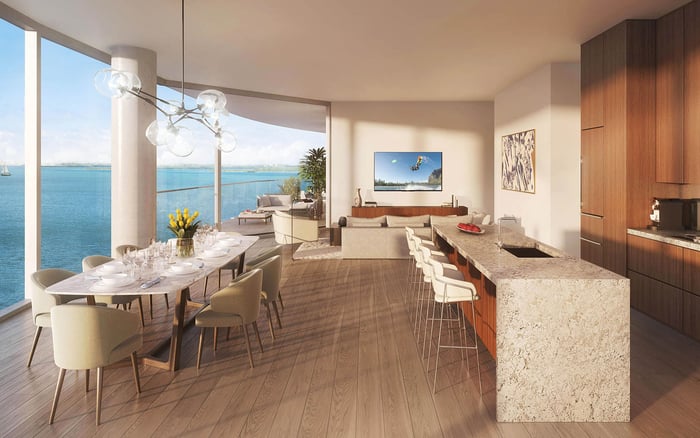
South Florida residences are often designed around water, skyline, and sunset. That drama can compete with art. The most sophisticated lighting scenes do not overpower the view, and they do not turn the home into a visible lantern. They modulate.
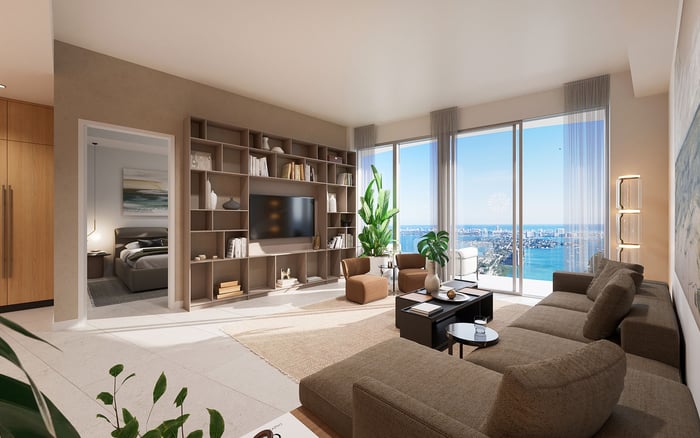
Buyers should look for dimming that feels gradual, not abrupt. They should confirm that artwork remains pleasing at low evening levels, not only under bright presentation lighting. Reflections on glass, polished stone, lacquer, and framed works can reveal more than intended, especially in open-plan rooms. A darker window line with carefully lit interior planes often feels more private than a fully illuminated great room.
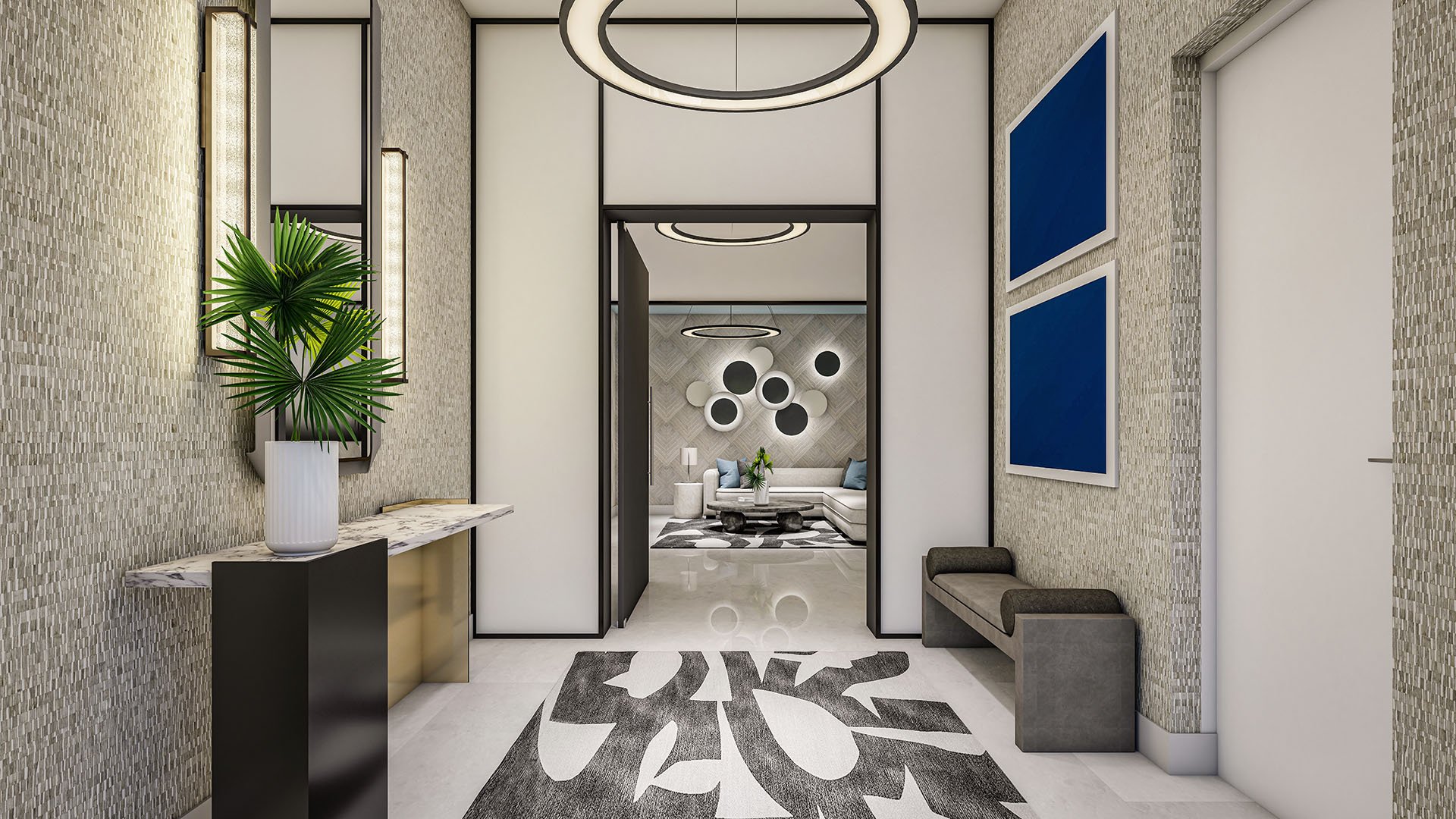
For entertaining, the most useful scenes are usually layered. Art can be present without becoming theatrical. Dining areas can glow without exposing circulation paths. Corridors can guide guests without revealing bedroom wings, office doors, or collection storage. Privacy is rarely achieved by darkness alone. It is achieved by choosing what the eye notices first.
The period between contract, closing, and move-in is when lighting privacy can be strengthened with minimal drama. Buyers should request a clean handover of system documentation, passwords, administrator accounts, installer contacts, warranty information, and scene schedules. Any prior owner, staging team, vendor, or temporary user should be removed from the system before occupancy.
A simple owner’s manual is invaluable. It should explain each scene, each keypad, and each app role without revealing sensitive information. If the residence will be used seasonally, include arrival and departure routines that are discreetly named and easy to verify. If household staff will assist, give them only the controls needed to perform their work well.
Resale should also be considered. A tightly organized lighting system is an asset because it makes the residence feel resolved. Overly personal programming can create friction for the next buyer. Keep the backbone sophisticated and the labels neutral. The art may change, but the privacy architecture should remain useful.
Ask these questions before closing, renovation, or major installation. Who is the administrator of the lighting system? Which apps, panels, and voice controls can operate art scenes? Are scene names discreet? Can access be limited by user and removed quickly? Are contractor credentials temporary? Can the system work locally if a network is down? Have night scenes been viewed from outside the residence? Do Balcony, Terrace, or glass conditions create unwanted visibility? Are service paths compatible with privacy? Is there a written handover plan?
Then move from questions to rehearsal. Stand where guests will stand. Sit where the owner will sit. Walk the service route. Look back at the residence from any practical exterior vantage. The right lighting scene should make art feel intentional and the owner feel unobserved.
Why should art lighting be part of a buyer’s privacy review? Lighting scenes can reveal routines, room hierarchy, and collection priorities, so they belong within the home’s privacy infrastructure.
Should scene names mention specific artworks or artists? No. Use neutral names that describe mood or function rather than collection details, value, location, or personal habits.
What should I test during a condo showing? Test arrival, evening, entertaining, service, and away scenes, and confirm that each feels intuitive without exposing private areas.
Are smart lighting apps a privacy concern? They can be if permissions are too broad or old users remain active. Ask for a clean access review before occupancy.
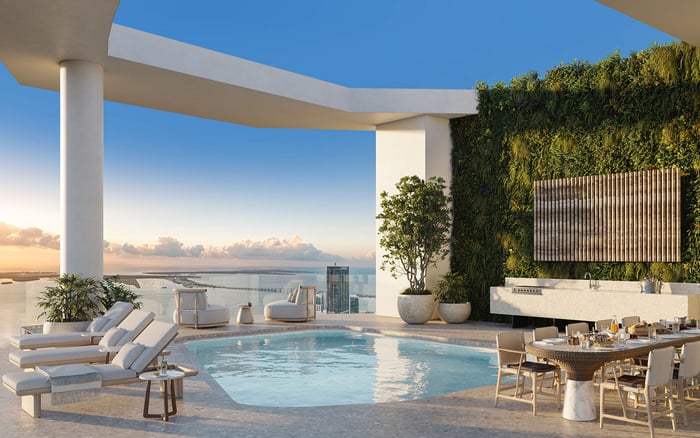
How do Balcony and Terrace conditions affect art lighting? Exterior exposure can increase glare, reflection, and nighttime visibility, so scenes should be checked from inside and, where practical, outside.
What matters most in a Penthouse lighting plan? Large glass areas, long sightlines, and dramatic views require careful dimming so art is visible without making the residence feel exposed.
Can staff have limited lighting access? Yes. A well-planned system can give staff practical controls for service while reserving broader programming access for the owner.
Should lighting work without an internet connection? Core functions should remain simple to operate during network interruptions, especially essential room lighting and service scenes.
What should be included at handover? Request administrator access, user lists, scene descriptions, installer contacts, equipment notes, and confirmation that temporary users were removed.
Is privacy different in New-construction condos? Integrated systems can be highly refined, but they should still be reviewed for permissions, naming, service access, and owner control.
For a tailored shortlist and next-step guidance, connect with MILLION.
If branded residences are on your mind — as a home or as an allocation — we would be glad to share what we are seeing, privately.
Begin a quiet conversation