A discreet buyer’s guide for Mexico City families evaluating Fisher Island as a true primary residence, with attention to domicile, immigration, building rules, privacy, and lifestyle fit.
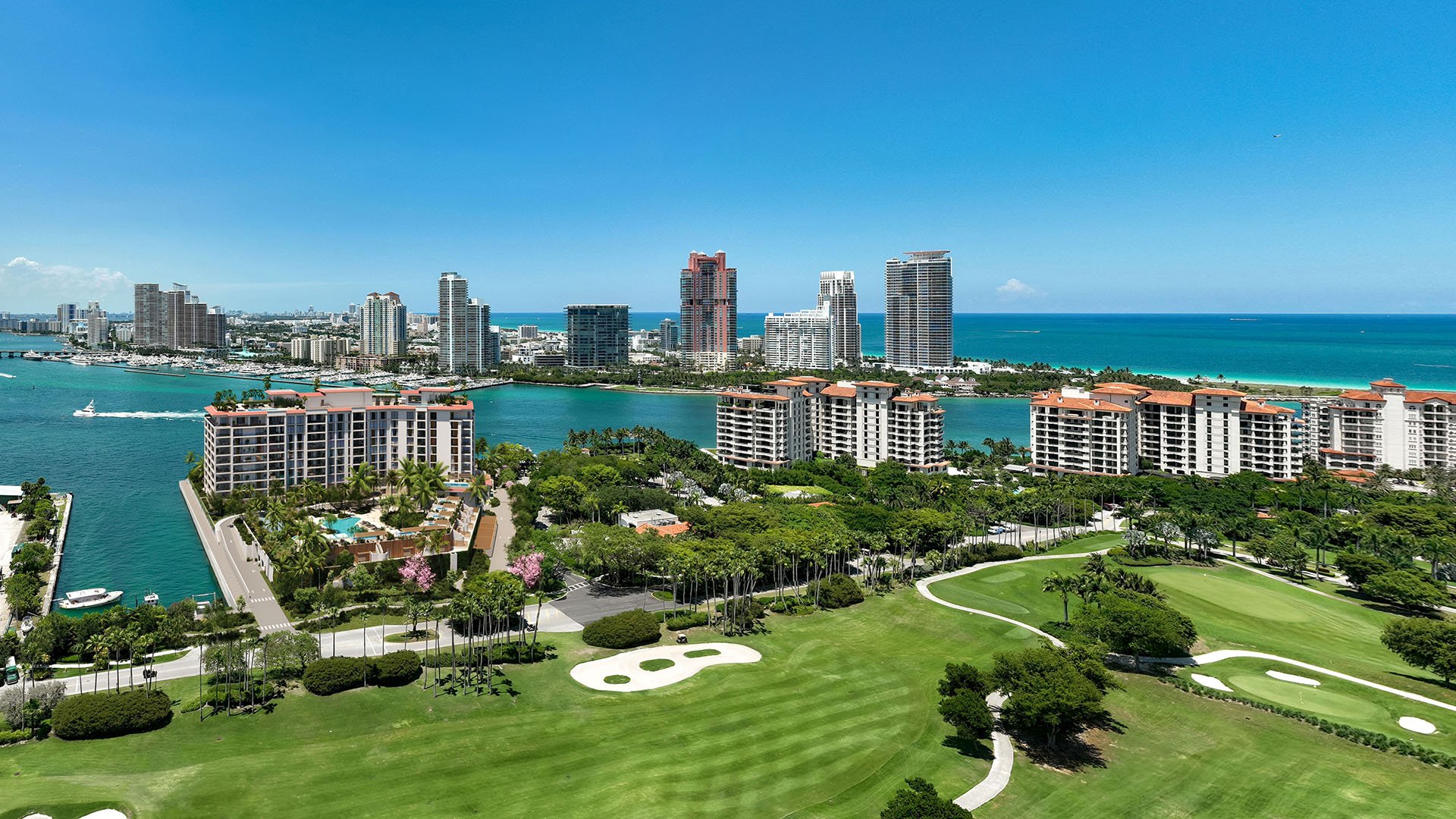
For many Mexico City buyers, Fisher Island begins as a familiar South Florida idea: a discreet apartment for winter stays, school visits, family gatherings, or a safer, more private coastal rhythm. Primary-residence conversion is a more consequential decision. It asks whether a property is merely owned, or whether life is being reorganized around it.
That distinction matters. A primary residence touches domicile planning, U.S. tax residency, immigration status, banking, insurance, estate documents, club expectations, condominium rules, children’s routines, domestic staff, pets, and the emotional logistics of leaving one capital city for a private island connected to Miami by ferry and water access. The purchase is only the visible part of the transition.
Fisher Island is especially compelling because it offers privacy without isolation. It sits close to Miami Beach, Brickell, Coconut Grove, Coral Gables, airports, schools, medical care, dining, marinas, and cultural life, yet the daily experience feels intentionally removed. For buyers coming from Mexico City, that balance of access and control is often the point.
Converting to a primary residence is not established by a single closing statement, utility bill, or declaration of intent. It is built through a consistent pattern of conduct. The residence should become the credible center of daily life, supported by documentation and personal behavior.
That may include where the family spends meaningful time, where children attend school, where doctors, bankers, attorneys, and household managers are based, where vehicles are registered, where important personal property is kept, and where future plans are anchored. Buyers should view the home as one component of a broader record, not as a standalone solution.
Mexico City buyers should also separate three ideas that are often conflated: owning a Florida residence, establishing Florida domicile, and becoming a U.S. tax resident. These can overlap, but they are not identical. Immigration status is another distinct track. A family may be able to buy, occupy, and enjoy a residence before every long-term residency question is complete, but the timelines should be coordinated from the beginning.
Fisher Island is not a conventional urban condominium market. It is a private island environment with its own access rhythm, resident culture, association documents, club considerations, service protocols, and expectations around privacy. That is precisely why it appeals to ultra-premium buyers, but it also means diligence should begin before the offer, not after.
A Mexico City family should review condominium documents, transfer procedures, renovation limitations, parking arrangements, pet policies, staffing access, guest protocols, delivery logistics, and any club-related requirements that may affect daily life. None of these details should be treated as secondary. The most elegant residence can become inconvenient if the rules conflict with how the family actually lives.
Within the Fisher Island conversation, buyers often compare the intimacy of established buildings with the appeal of newer or highly tailored inventory. A residence at The Residences at Six Fisher Island may speak to those seeking a refined island setting, while The Links Estates at Fisher Island moves the discussion closer to estate-style living and broader private-home considerations. For some buyers, the reference point may also include Palazzo del Sol Fisher Island, particularly when evaluating full-service condominium expectations on the island.
The cleanest relocations are usually interdisciplinary. A luxury real estate advisor can identify the right residence, but primary-residence conversion should also involve tax counsel, immigration counsel, estate counsel, banking advisors, and, when relevant, family-office leadership.
A buyer should clarify whether the objective is Florida domicile, broader U.S. residency, seasonal use with stronger Florida ties, or a staged transition. Each path carries different documentation needs and family implications. A family that intends to remain deeply connected to Mexico City, maintain business interests there, and spend meaningful time in multiple jurisdictions should be especially deliberate about recordkeeping and advice.
Immigration planning should not be treated as a post-closing formality. The right to buy property and the right to live in the United States long term are separate questions. Primary-residence conversion only works when use of the home is consistent with the family’s immigration position and travel realities.
The lifestyle shift is significant. Mexico City offers density, spontaneity, restaurants within minutes, deep cultural texture, and a social calendar that can be both formal and fluid. Fisher Island offers privacy, water, controlled access, leisure amenities, and a quieter domestic architecture. Buyers should be candid about what they will miss and precise about what they are trying to gain.
For families who still want an urban counterpoint, Brickell remains a practical reference. It provides financial-district energy, restaurants, services, and high-rise convenience. Some buyers compare island life with branded or service-forward city residences such as The Residences at 1428 Brickell, not because Brickell replaces Fisher Island, but because it clarifies how much urban immediacy the household wants.
Miami Beach is the other natural axis. It offers oceanfront life, hospitality, dining, wellness, and a more public glamour than Fisher Island. A buyer evaluating The Ritz-Carlton Residences® Miami Beach may be weighing services and waterfront living with a different social texture. The decision is not simply geographic. It is about which setting will become the family’s default life.
Primary-residence buyers should think beyond views and finishes. The more important question is operational: how will the home function on a Wednesday in May, with family members arriving at different times, staff coordinating vendors, a guest needing clearance, a dog scheduled for care, groceries arriving, and a dinner planned off-island?
Floor plan matters. Elevator privacy matters. Storage matters. Staff circulation, service entries, parking, security, and package handling matter. So does the ability to work quietly, host family from Mexico, and maintain a sense of home rather than hotel formality. Buyers coming from large apartments or houses in Mexico City may need to recalibrate expectations around vertical living, association procedures, and the etiquette of shared luxury infrastructure.
For families seeking a broader Miami base, The Residences at Mandarin Oriental, Miami can enter the conversation as a comparison for service, waterfront access, and proximity to the city. The useful exercise is not to collect options indiscriminately, but to identify which residence best supports the household’s long-term pattern.
A refined conversion rarely happens in one dramatic move. It is often staged: acquire the right residence, organize legal and tax planning, align immigration status, move key records, test school and household routines, adjust travel patterns, and only then declare that life has genuinely shifted.
The strongest buyers do not rely on symbolism. They create consistency. They understand that a Fisher Island purchase can be a beautiful anchor, but the conversion is proven through the life built around it. When the strategy is aligned, Fisher Island can offer something Mexico City buyers often value deeply: privacy, security, family continuity, and access to Miami without surrendering discretion.
Is buying on Fisher Island enough to establish a primary residence? No. Ownership is only one element; the family’s conduct, documentation, and actual use of the home should support the position.
Should Mexico City buyers consult tax counsel before closing? Yes. Tax, domicile, and cross-border planning should be coordinated before the purchase structure is finalized.
Is immigration planning separate from buying a condominium? Yes. Property ownership and the right to reside in the United States long term are separate matters.
Why does Fisher Island require special diligence? Its private-island setting, access procedures, club culture, and condominium rules can materially affect daily life.
Can a Fisher Island residence still work for frequent travelers? It can, provided the ownership, staffing, access, and recordkeeping strategy reflect the family’s travel pattern.
Should buyers compare Fisher Island with Brickell or Miami Beach? Yes. Comparing Fisher Island with Brickell and Miami Beach helps clarify the desired balance between privacy and urban energy.
Do condominium rules matter for primary-residence buyers? Very much. Renovation limits, guest access, pets, staff procedures, and parking can shape the daily experience.
Is school planning part of residence conversion? For families with children, it is central. Academic calendars, commute patterns, and community integration should be planned early.
Can a family keep strong ties to Mexico City? Yes, but cross-border ties should be thoughtfully documented and reviewed with advisors to avoid inconsistent positions.
What is the best way to shortlist comparable options for touring? Start with location fit, delivery status, and daily lifestyle priorities, then compare stacks and elevations to validate views and privacy.
When you're ready to tour or underwrite the options, connect with MILLION.
If branded residences are on your mind — as a home or as an allocation — we would be glad to share what we are seeing, privately.
Begin a quiet conversation