A buyer-focused comparison of 2000 Ocean and The Surf Club Four Seasons, framed around façade systems, maintenance complexity, association reserves, and lifecycle ownership cost rather than brand prestige alone.
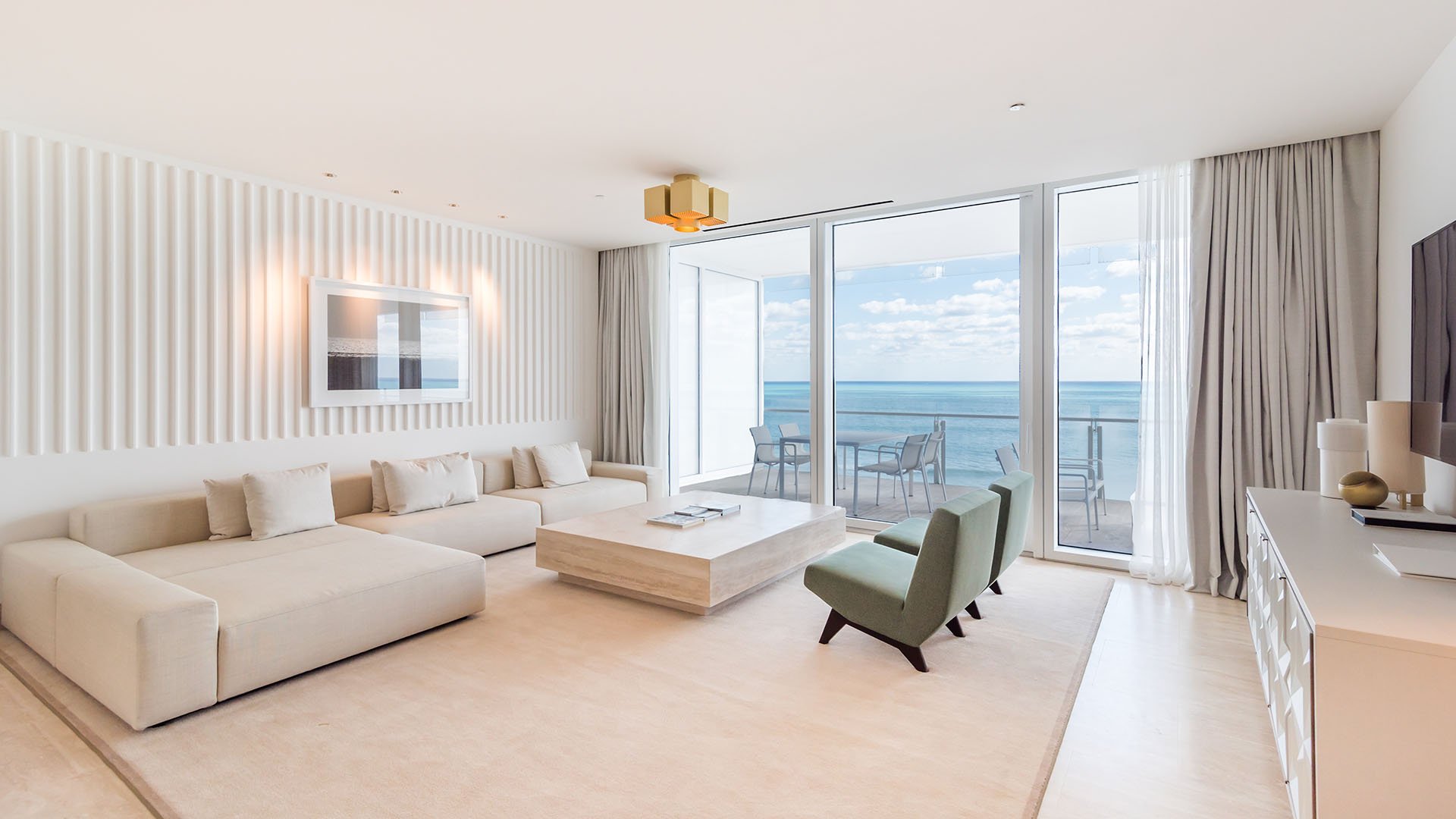
The most sophisticated comparison between 2000 Ocean and The Surf Club Four Seasons is not a contest of glamour. It is a study in how two distinct forms of luxury oceanfront ownership may age, operate, and require capital over time. One is a highly glazed, contemporary tower in Hallandale Beach, positioned as an ultra-luxury condominium asset without a hospitality brand attached to the residence. The other is a Surfside oceanfront address carrying the Four Seasons residential and hospitality association, along with the service expectations that naturally follow.
That distinction matters, but it should not control the investment conversation. A brand can shape daily experience, staffing culture, and buyer perception. It cannot replace engineering diligence, reserve clarity, façade planning, waterproofing review, or a sober reading of association budgets. For a South Florida buyer, the phrase 2000 Ocean Hallandale Beach vs The Surf Club Four Seasons Surfside should immediately raise a sharper question: which ownership structure offers the clearest view into long-term building-envelope cost?
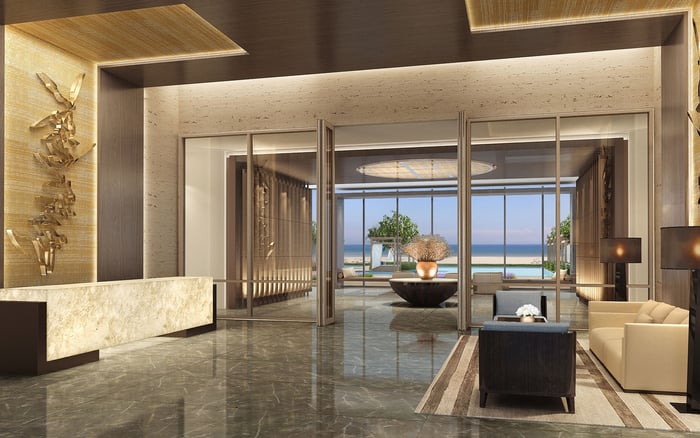
2000 Ocean is best understood as a relatively slender, contemporary oceanfront tower with a glass-forward architectural expression. That profile is central to its appeal. A highly glazed façade can create the luminous, horizon-facing experience buyers prize in South Florida: broad water views, a sense of lightness, and a modern visual identity.
The same design language also concentrates diligence. In a salt-air environment, glass systems are not merely aesthetic. Buyers should understand façade access, window-wall or curtain-wall maintenance, sealants, gaskets, waterproofing transitions, balcony edges, and the maintenance cadence expected by the association. None of these items should be assumed to signal a defect. They are the normal technical vocabulary of ownership in a glass oceanfront tower.
The advantage of 2000 Ocean’s simpler single-tower format is focus. The buyer is not trying to decode a sprawling campus with multiple operating layers. The principal questions are more direct: how the tower envelope is monitored, how balcony and glazing conditions are evaluated, how visible reserves are, and how clearly the association plans for future replacement cycles.
The Surf Club Four Seasons in Surfside presents a different ownership proposition. It carries the Four Seasons association, which may reinforce service expectations and global recognition. For certain buyers, especially those who value hospitality-caliber operations, that can be a meaningful part of the residence’s appeal.
Yet the physical and operational profile is more layered. The property is characterized as a broader multi-building oceanfront complex rather than a single slender tower. Its maintenance environment includes modern residential components, hotel operations, glass-tower elements, and restored historic club elements. That combination can be exceptional, but it also requires careful review of how responsibilities and costs are allocated.
The central question is not whether branded living is desirable. It is whether the buyer can clearly see the boundaries among residential obligations, hotel interfaces, shared systems, historic-building responsibilities, and capital planning. The more elegant the lifestyle offering, the more important it becomes to separate service experience from structural and reserve-risk diligence.
In South Florida, façade maintenance is a form of financial architecture. Salt air, wind, sun, water-intrusion risk, and repeated weather exposure all make the exterior envelope a long-term ownership issue. Buyers often spend more time comparing finishes than asking how a building will access, inspect, clean, seal, repair, and eventually replace critical exterior systems.
At 2000 Ocean, the façade discussion centers on a glass-forward tower and the specific aging profile of glazing, waterproofing, balcony transitions, and exterior sealants. At The Surf Club Four Seasons, the discussion expands to the coordination of modern towers, hospitality spaces, and restored architectural components. Neither profile is inherently superior. Each requires a different kind of visibility.
This is where luxury buyers can misprice risk. A residence can feel immaculate during a showing and still require disciplined questions about association reserves. A well-known brand can support confidence in service and presentation, while still leaving buyers to investigate maintenance contracts, budgets, insurance, and capital projects. Oceanfront should be treated as both a lifestyle category and an engineering environment. Investment discipline begins where the view ends.
Reserve visibility is the practical test. Buyers should request current budgets, reserve schedules, structural or façade reports, insurance details, maintenance contracts, and any planned capital projects before assigning too much value to brand prestige or architectural drama. The goal is not to search for problems. The goal is to understand whether the association is naming, pricing, and planning for the predictable lifecycle of an oceanfront building.
For 2000 Ocean, the review can be more focused: tower envelope, glazing systems, balcony edges, waterproofing, and association reserves. For The Surf Club Four Seasons, the review should include shared-cost allocations, hotel and residential interfaces, responsibility for historic versus new building elements, and the way capital needs are assigned across the property.
In this sense, The Surf Club may require broader document review, while 2000 Ocean may require deeper concentration on the performance of a single-tower envelope. One is not a shortcut around the other. The buyer who wants confidence should press for clarity in both cases.
Hallandale and Surfside offer different emotional registers, but this comparison should not be reduced to neighborhood preference. Surfside may carry the aura of established coastal prestige and the additional recognition attached to The Surf Club Four Seasons Surfside. Hallandale, through 2000 Ocean, offers an ultra-luxury oceanfront tower experience without relying on a hotel brand as the central ownership narrative.
That difference can be refreshing for a buyer who wants the asset to stand on construction quality, views, privacy, and association management. It can also be decisive for a buyer who values a more service-rich, branded environment. The key is to avoid confusing hospitality aura with reserve sufficiency, or minimalist tower elegance with lower long-term cost. Oceanfront ownership in either Hallandale or Surfside rewards the buyer who reads the building as carefully as the lifestyle.
If the priority is a more concentrated diligence path, 2000 Ocean may feel cleaner to analyze: one tower, one glass-forward envelope, and a reserve conversation centered on familiar high-rise oceanfront systems. If the priority is branded service and a layered coastal campus, The Surf Club Four Seasons may hold the stronger lifestyle proposition, provided the buyer is comfortable reviewing more complex cost allocations and maintenance responsibilities.
The discreet answer is that neither address should be chosen by branding alone. Construction quality, façade access, waterproofing strategy, insurance posture, maintenance contracts, and reserve planning deserve equal standing with views, service, and prestige. The best buyer in this segment is not cynical. The best buyer is calm, document-driven, and unwilling to let a beautiful lobby answer an engineering question.
Is 2000 Ocean primarily a branded residence? No. It is presented as an ultra-luxury Hallandale Beach oceanfront condominium rather than a hospitality-branded residence.
Does The Surf Club Four Seasons carry a hospitality brand association? Yes. The Surf Club Four Seasons in Surfside carries the Four Seasons residential and hospitality association.
Why does 2000 Ocean require façade-focused diligence? Its highly glazed tower profile makes glass systems, sealants, gaskets, waterproofing, and balcony edges important review items.
Why is The Surf Club maintenance profile more layered? Its broader oceanfront campus includes residential towers, hotel operations, glass-tower components, and restored historic club elements.
Should newer luxury construction reduce buyer diligence? No. Luxury presentation should not replace review of budgets, reserve schedules, engineering materials, and maintenance planning.
What should buyers request before making a decision? Buyers should request budgets, reserve schedules, façade or structural reports, insurance information, maintenance contracts, and capital plans.
Is Four Seasons branding irrelevant to value? No. It may support service expectations and buyer perception, but it should be evaluated separately from structural and reserve questions.
Which property is simpler to analyze technically? 2000 Ocean may offer a more concentrated review because the inquiry centers on a single glass-forward oceanfront tower.
Which property may require more allocation review? The Surf Club Four Seasons may require closer review of shared costs, hotel-residential interfaces, and historic versus new components.
What is the best way to shortlist comparable options for touring? Start with location fit, delivery status, and daily lifestyle priorities, then compare stacks and elevations to validate views and privacy.
For a confidential assessment and a building-by-building shortlist, connect with MILLION.
If branded residences are on your mind — as a home or as an allocation — we would be glad to share what we are seeing, privately.
Begin a quiet conversation