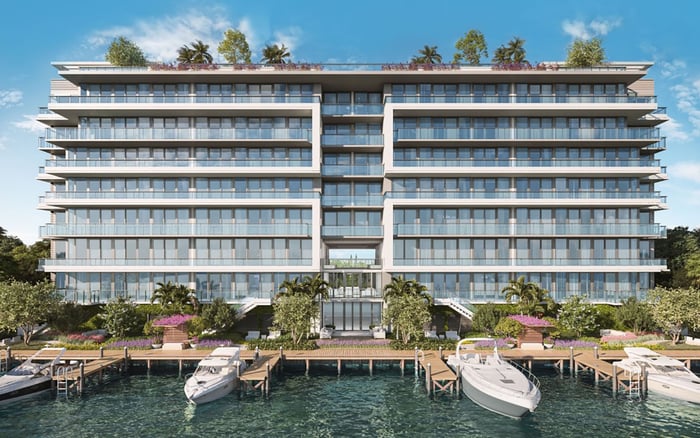
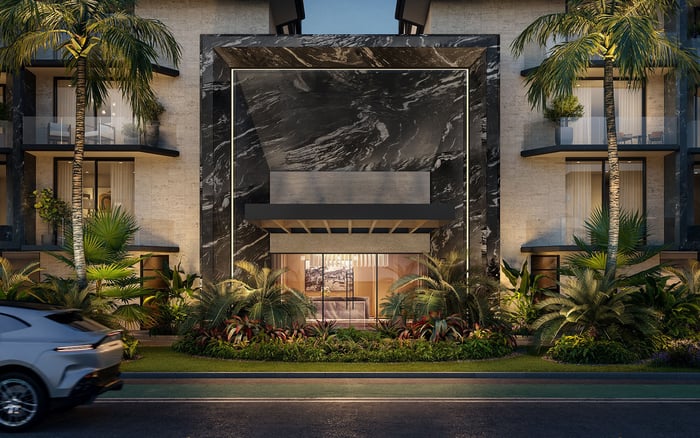
A buyer-focused guide to evaluating Bay Harbor Towers beyond lifestyle imagery, with emphasis on wellness programming, retail access, operator control, walkability, and value diligence.
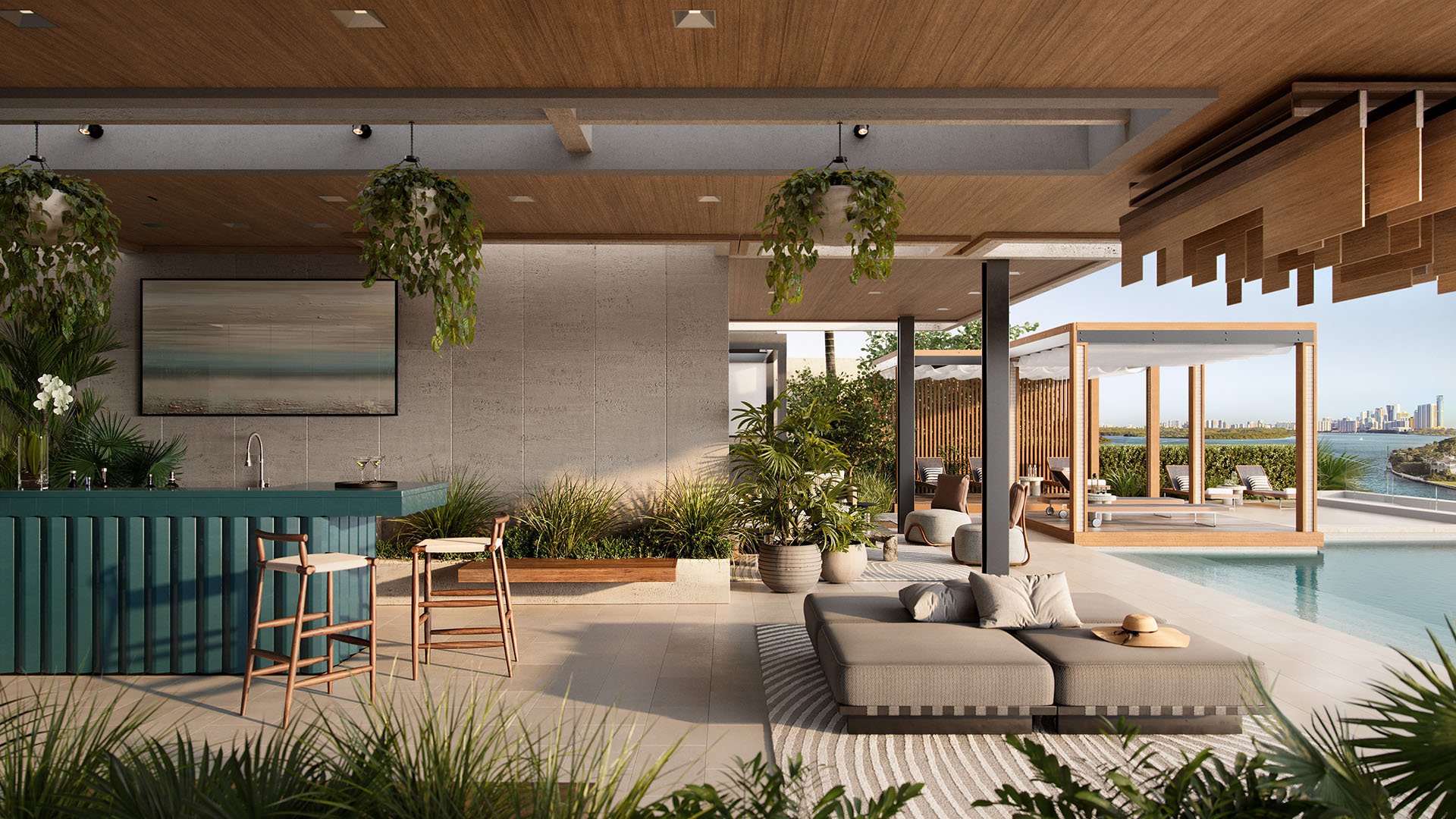
Bay Harbor Towers is the kind of South Florida residential opportunity where lifestyle language can carry significant weight. Wellness imagery, retail references, calm amenity scenes, and polished renderings can help a buyer understand the intended residential mood. They should not, however, be treated as proof that a specific service, operator, access right, or resident privilege will exist.
For a sophisticated buyer, the key issue is verification. Wellness-retail proximity should be tested through documents, access rights, operating assumptions, and daily-use practicality. A rendering may communicate atmosphere, but the purchase thesis should rest on what can be confirmed.
That distinction matters because luxury value is shaped by both perception and execution. If wellness and nearby retail are part of the appeal, buyers should determine whether those features are controlled, contractual, convenient, and durable enough to support expectations after closing.
The first diligence step is to distinguish private building amenities from surrounding neighborhood services. A private fitness room, spa area, recovery space, yoga room, or outdoor wellness deck should be evaluated differently from a nearby café, studio, clinic, boutique, or specialty service.
Private amenities may be tied to condominium documents, association budgets, access rules, maintenance obligations, and long-term replacement costs. Neighborhood services depend on third-party businesses, hours, staffing, lease economics, and consumer demand. Both can improve the lifestyle, but they are not the same category of value.
This is especially important when marketing blends a building experience with a neighborhood experience. Buyers should ask which elements are resident-controlled and which are simply nearby or aspirational.
Control is central to any wellness claim. If wellness spaces are discussed in connection with Bay Harbor Towers, buyers should confirm who owns, operates, programs, and pays for those areas. Association-owned space, third-party operator space, and nearby independent venues each carry different implications.
Association-controlled spaces may offer clearer resident access, but they can also shift maintenance, insurance, equipment, staffing, and replacement costs into the association structure. Operator-run spaces may provide polish and programming, but buyers should review the relevant terms, renewal assumptions, fees, and the possibility of future changes.
The diligence question is not whether a wellness concept sounds compelling. It is whether the buyer can identify the access rights, timing, costs, rules, and operating structure that turn the concept into a usable resident benefit.
Retail proximity should be evaluated as more than a map point. If a project narrative references nearby shopping, dining, or services, buyers should test the route that would actually be used. That means considering walking time, crossings, shade, traffic patterns, weather, parking, ride-share convenience, and whether the route feels practical at different times of day.
A destination can be geographically close and still be inconvenient in daily life. Conversely, a slightly longer route may feel easier if it is predictable, comfortable, and well connected. For luxury buyers, convenience is not only distance; it is reduced friction.
The most useful test is experiential. Walk the route, drive it, and consider whether it would be used regularly rather than only admired in a sales presentation.
If any street-level wellness, retail, or service component is presented as part of the lifestyle story, buyers should ask whether it is part of the building, adjacent to the building, or simply part of the broader neighborhood context. A café, studio, or boutique shown in imagery may suggest energy and convenience without creating resident rights.
Specific questions matter. Is the space legally designated for the promoted use? Is it permitted? Is there a signed lease? Has an operator been identified? Are operating hours established? Will residents receive preferred access, discounts, private booking rights, or no special treatment at all?
Buyers should also ask what happens if a tenant changes, an opening is delayed, or a space remains vacant. A strong ground-floor concept can enhance a project narrative, but durable value depends on what is built, leased, open, and usable.
Wellness features and retail proximity can support a luxury purchase thesis, but they should not be collapsed into one general feeling of convenience. Each element should stand on its own. Private wellness spaces should be documented. Nearby services should be independently useful. Access routes should be tested in real conditions.
This separation helps buyers avoid overpaying for assumptions. A wellness deck does not necessarily mean staffed spa service. A retail reference does not necessarily mean resident privileges. A nearby destination does not necessarily mean the route will be pleasant or practical.
The strongest case is made when the building program, operating structure, and neighborhood experience reinforce one another. The weakest case is made when one appealing image is used to imply several unverified benefits.
Before treating wellness-retail proximity as value support, buyers should review the offering materials, building plans, amenity descriptions, association documents, budgets, and any available operating details. The goal is to identify what is included, who controls it, who pays for it, when it is expected to be available, and whether any promoted features are subject to change.
For any commercial or third-party component, buyers should ask about lease status, operator identity, opening timing, hours, membership requirements, resident access rights, and fee structures. If the lifestyle benefit depends on nearby venues, the route should be tested in person rather than assumed from marketing language.
This is not skepticism for its own sake. It is disciplined luxury buying. The more precisely a buyer verifies wellness and retail claims, the easier it becomes to separate durable residential value from presentation-driven appeal.
What should buyers verify first at Bay Harbor Towers? Buyers should confirm which wellness amenities are actually included in the project program and which are only lifestyle imagery or neighborhood context.
Are nearby cafés or studios the same as building amenities? No. Nearby services may enhance the lifestyle, but they are different from private amenities controlled by an association or a dedicated operator.
Why does operator identity matter for wellness space? Operator identity can affect access, quality, pricing, hours, programming, and whether the promised experience remains consistent over time.
Should buyers rely on renderings for retail proximity? No. Renderings can express an intended atmosphere, but buyers should confirm actual routes, pedestrian conditions, lease status, and opening assumptions.
What questions matter for street-level retail? Ask whether the space is part of the building, who controls it, whether a lease exists, when it may open, and whether residents receive any preferred access.
How should walking distance be tested? Buyers should walk the route themselves and consider crossings, traffic, heat, shade, weather, and whether the path feels practical for daily use.
Can wellness amenities affect value? Yes, but only when they are accessible, clearly controlled, supported by documents, and tied to a realistic cost and operating structure.
What should not be assumed from lifestyle imagery? Buyers should not assume spa service, cold plunge access, hydrotherapy, retail tenancy, or resident privileges unless those items are specifically documented.
How should third-party neighborhood services be evaluated? They should be treated as lifestyle enhancements rather than private amenities, with attention to hours, access, route quality, and long-term reliability.
What is the best due-diligence mindset for this topic? Treat wellness-retail proximity as a valuable claim only after confirming what is built, permitted, leased, open, controlled, and practical to use.
If you'd like a private walkthrough and a curated shortlist, connect with MILLION.
If branded residences are on your mind — as a home or as an allocation — we would be glad to share what we are seeing, privately.
Begin a quiet conversation