A disciplined acquisition framework for finance executives evaluating Hallandale Beach luxury residences, from basis and carrying costs to lifestyle liquidity and exit strategy.
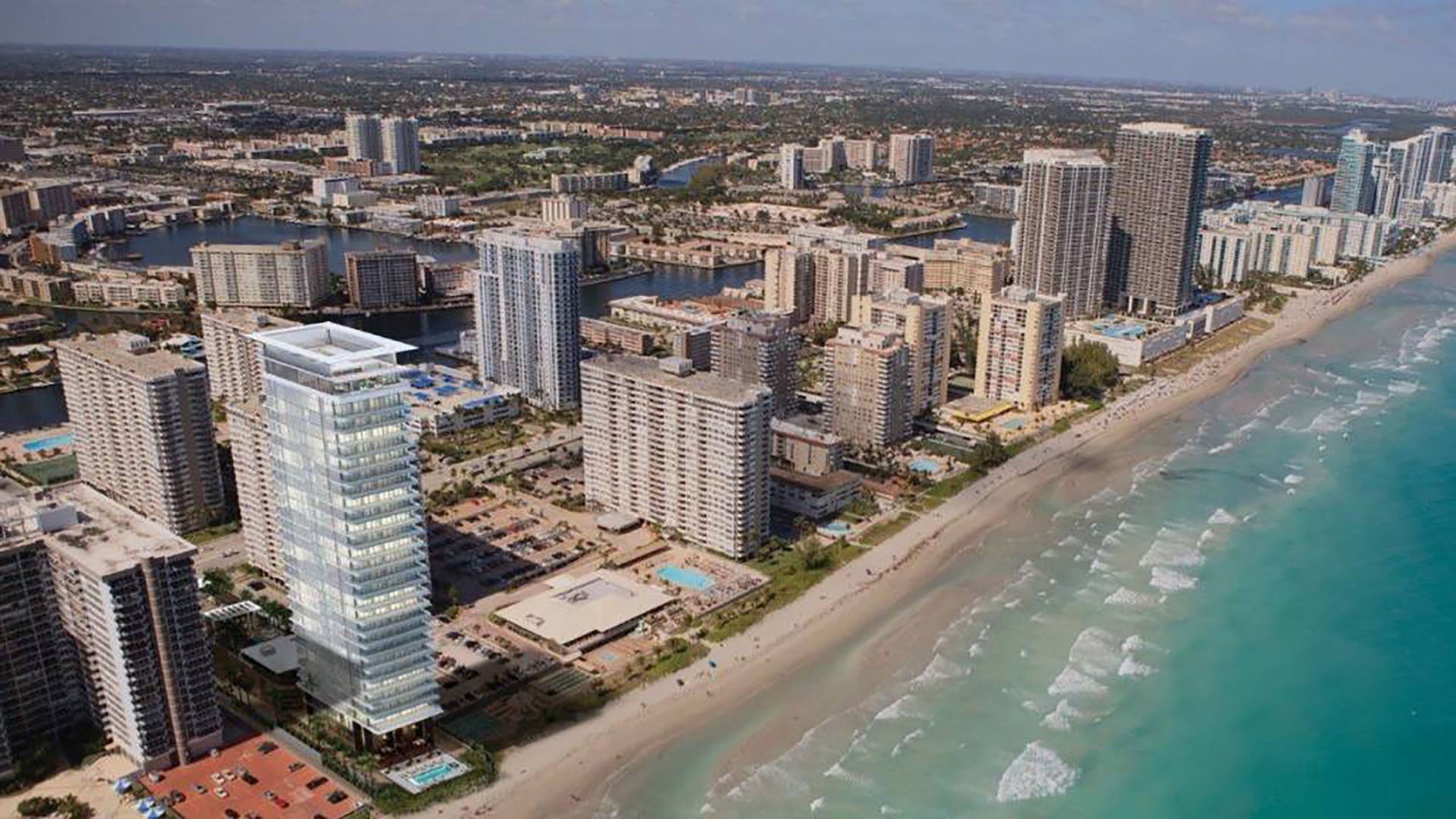
A luxury residence in Hallandale Beach should not be underwritten like a souvenir from a successful quarter. For finance executives, the sharper approach is to treat the purchase as a concentrated lifestyle asset with balance-sheet implications, embedded optionality, and measurable friction. The setting may be relaxed; the analysis should not be.
Hallandale occupies a distinctive South Florida position: close enough to Miami and Fort Lauderdale to feel connected, yet residential enough to appeal to buyers seeking a quieter base. That duality is both the opportunity and the test. A buyer is not merely choosing a view or an amenity deck. The decision touches commute rhythm, family logistics, second-home behavior, future resale depth, insurance exposure, association culture, and the long-term relevance of the building itself.
The strongest purchasers begin by defining the role of the home. Is it a primary residence, a winter retreat, a tax-era relocation base, a family gathering point, or an investment property held for optional use? The answer changes the acceptable basis, the tolerance for carrying costs, and the level of governance scrutiny required before signing.
The most expensive mistake in a luxury coastal purchase is allowing the emotional premium to go unmeasured. A finance-minded buyer should build a simple acquisition model before touring too many residences. Include purchase price, closing costs, furnishings, insurance assumptions, association dues, reserves, maintenance, property taxes, staff or management costs, and likely upgrade allowances.
Then separate two numbers: the all-in capital committed and the annual cost to hold. The first measures opportunity cost. The second measures lifestyle efficiency. A residence that feels rational at the contract price can look very different once the recurring cost stack is fully visible.
This is especially important in a market where oceanfront positioning can command a powerful premium. The view may justify the spread, but only if it aligns with use. A buyer who spends three extended seasons in residence may value that premium differently from one planning occasional long weekends. The same home can be a superb personal asset for one executive and a misallocated luxury for another.
Hallandale should be evaluated in context, not isolation. Its competitive set can include Sunny Isles, Aventura, Hollywood, Fort Lauderdale, and select Miami Beach alternatives, depending on the buyer’s priorities. The goal is not to rank addresses by prestige, but to determine which location best solves the buyer’s actual life.
A residence such as 2000 Ocean Hallandale Beach gives buyers a local reference point for evaluating the Hallandale luxury proposition. Nearby, Shell Bay by Auberge Hallandale may enter the conversation for buyers comparing hospitality-influenced residential environments and club-oriented living. Across the broader corridor, names like Bentley Residences Sunny Isles and Auberge Beach Residences & Spa Fort Lauderdale can help frame how different waterfront markets express service, brand, scale, and privacy.
The comparison should be practical. Which building supports the daily pattern you actually want? Which location reduces friction for flights, office access, schools, yacht clubs, restaurants, physicians, or family visits? Which community feels calm during peak season and still convenient during ordinary weekdays?
Finance executives are accustomed to reading beyond headline numbers. Apply the same discipline to condominium governance. A beautiful unit inside a weakly managed building can become a long-term liability. Before purchase, review association documents, budget philosophy, reserve posture, insurance structure, capital project history, leasing rules, pet policies, guest access, renovation protocols, and any restrictions that may affect your use.
The diligence should also include the building’s culture. Some luxury towers operate like discreet private clubs. Others feel more transient, rental-oriented, or operationally informal. None of these categories is inherently wrong, but a mismatch can erode enjoyment quickly. A buyer seeking quiet family use may not enjoy a building with heavy short-stay turnover. A buyer seeking flexibility may feel constrained by a conservative association.
New construction can offer contemporary layouts, fresh systems, and a cleaner design vocabulary, but it still demands scrutiny. Ask how the building intends to operate once the first wave of owners settles in. Review service staffing, amenity rules, delivery logistics, elevator protocols, valet capacity, and the likely rhythm of peak occupancy.
Luxury residences are not public equities. Exit liquidity is episodic, highly specific, and influenced by competing inventory, buyer sentiment, building reputation, and the availability of comparable homes. An executive who would never buy a private asset without thinking through the exit should not buy a residence without similar discipline.
Start by asking who the next buyer would be. Is the residence likely to appeal to a relocating executive, a seasonal family, an international buyer, a downsizer, or a collector of trophy waterfront property? Then ask what could narrow that audience. Overly customized interiors, unusual floor plans, weak parking, limited storage, restrictive rental rules, or a less desirable exposure can all affect liquidity.
Liquidity also depends on relative substitution. If a buyer can obtain a newer residence, stronger amenity program, or more recognized address nearby at a similar cost, the Hallandale purchase needs a clear reason to win. That reason might be privacy, value, view, scale, access, or building culture. It should not be vague.
For a finance executive, the best residence is not always the one with the strongest theoretical resale story. Sometimes the true return is lifestyle alpha: time saved, health improved, family gathered, and mental bandwidth restored. Hallandale can be compelling when it supports that return without unnecessary operational complexity.
Pressure-test a typical week. How long does it take to reach the airport you use most? How does the route feel at different times of day? Where will you dine on a Wednesday night, not just during a holiday weekend? Where will guests stay if the residence is full? How does the building handle packages, drivers, security, beach access, and service providers?
A high-quality luxury residence should simplify life. If the home requires constant explanation, workaround, or compromise, its apparent value may be misleading. The right Hallandale purchase should feel calm under scrutiny.
Before submitting an offer, write a one-page investment memo. Include the purpose of the acquisition, the expected holding period, annual carrying cost, reasons for choosing Hallandale over alternatives, primary risks, exit audience, and non-negotiables. Then challenge it.
If the memo relies mainly on emotion, slow down. If it can withstand a sober review, proceed with confidence. The point is not to remove pleasure from the purchase. The point is to protect pleasure from avoidable regret.
For the right buyer, Hallandale can offer a refined coastal base with access, privacy, and relative calm. The key is to make the purchase with the same discipline that built the capital to afford it.
Should finance executives view a Hallandale residence as an investment first? It should be viewed as a lifestyle asset with investment characteristics. The best analysis weighs use, liquidity, carrying costs, and opportunity cost together.
What is the first number to calculate before buying? Calculate the full annual cost to hold, not just the purchase price. Include association dues, insurance assumptions, taxes, maintenance, and management needs.
How should Hallandale be compared with Sunny Isles or Fort Lauderdale? Compare daily life, not only prestige. Access, privacy, building culture, and the buyer’s actual weekly rhythm matter more than broad market labels.
Is oceanfront always the strongest choice? Oceanfront can be highly desirable, but the premium should match how often the buyer will use the residence. View value is both personal and financial.
What should be reviewed in a condominium association? Review budgets, reserves, insurance structure, rules, leasing policies, capital projects, and operating culture. Governance can materially affect ownership quality.
Does new construction reduce diligence risk? New construction may offer modern design and systems, but it does not eliminate operational questions. Service, staffing, rules, and ownership mix still matter.
How can a buyer assess resale risk? Identify the likely future buyer and possible objections. Floor plan, exposure, building reputation, restrictions, and competing inventory all influence liquidity.
Should rental flexibility drive the purchase decision? Only if rental use is central to the plan. Flexibility can add optionality, but it may also affect building culture and the ownership experience.
How many comparable buildings should be toured? Tour enough to understand trade-offs across Hallandale and nearby markets. A focused comparison usually reveals whether the premium is justified.
What is the best final test before making an offer? Write a concise acquisition memo and challenge every assumption. If the logic remains clear after scrutiny, the purchase is more likely to endure.
For a confidential assessment and a building-by-building shortlist, connect with MILLION.
If branded residences are on your mind — as a home or as an allocation — we would be glad to share what we are seeing, privately.
Begin a quiet conversation