A collector-focused guide to evaluating Hallandale Beach luxury residences through the practical requirements of art stewardship, privacy, service, climate control, and long-term value.
For an art collector, a luxury residence is never merely a view, a floor plan, or a brand name. It is a private vessel for objects that may be fragile, irreplaceable, emotionally significant, and financially consequential. Hallandale Beach can be compelling because it offers a quieter residential proposition than many better-publicized South Florida addresses, yet that discretion does not lessen the need for rigorous diligence. It heightens it.
The question is not simply whether a residence is beautiful. The question is whether it can protect canvases, sculpture, works on paper, design pieces, photography, ceramics, and collectible furnishings under the real conditions of daily life. Before buying, the serious collector should pressure-test Hallandale the way a curator would evaluate a private gallery: through climate, light, logistics, security, service culture, and exit value.
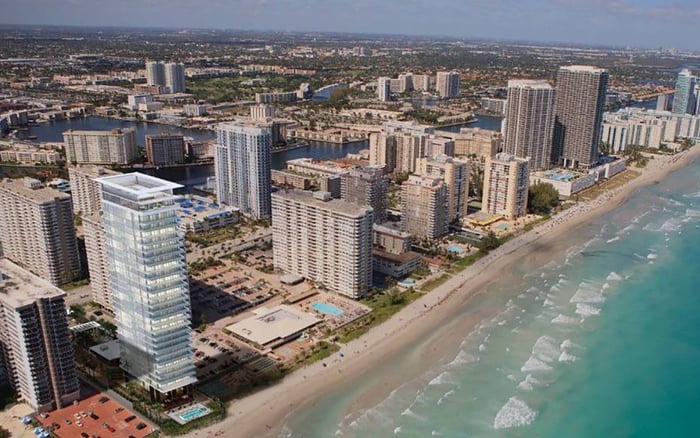
A residence such as 2000 Ocean Hallandale Beach may invite an Oceanfront conversation, but the collector’s review should move well beyond exposure and outlook. Even the most elegant apartment can be unsuitable if the building cannot accommodate receiving, installation, storage, conservation visits, or the discreet movement of valuable works.
Collectors often begin with the vista. They should begin with the walls. Walk the residence with the collection in mind and identify where major works could actually live. A long gallery wall is useful only if it avoids excessive direct light, allows proper spacing, and can accept the structural demands of installation. For heavier pieces, confirm whether anchoring, blocking, and wall reinforcement are feasible before contracts become irreversible.
Ask how the residence handles layered lighting. Art-friendly illumination is not the same as decorative lighting. You may want dimmable fixtures, controlled beam spread, flexible tracks, and the ability to separate evening ambience from conservation-minded display. If the home is already built, bring an art installer or lighting designer through before final negotiations. If it is under construction or recently delivered, identify what can still be customized without compromising finishes.
Balcony access also deserves scrutiny. A Balcony can be an asset for lifestyle, but nearby operable doors, glare, and humidity transitions can affect placement decisions inside. The collector’s strongest home is not the one with the largest uninterrupted glass line. It is the one where glazing, shade, circulation, and wall surfaces work together without pushing the collection into secondary rooms.
In South Florida, interior climate is a daily discipline. Collectors should evaluate HVAC zoning, dehumidification strategy, backup protocols, maintenance access, and service responsiveness. The goal is not brochure-level perfection. It is stability in lived conditions.
Ask whether primary display areas can be conditioned independently from bedrooms and entertaining zones. If the residence has large entertaining spaces, determine how temperature and humidity behave when doors open, guests arrive, or catering teams move through. A collector who hosts frequently may need a more disciplined environmental plan than a seasonal owner who visits quietly.
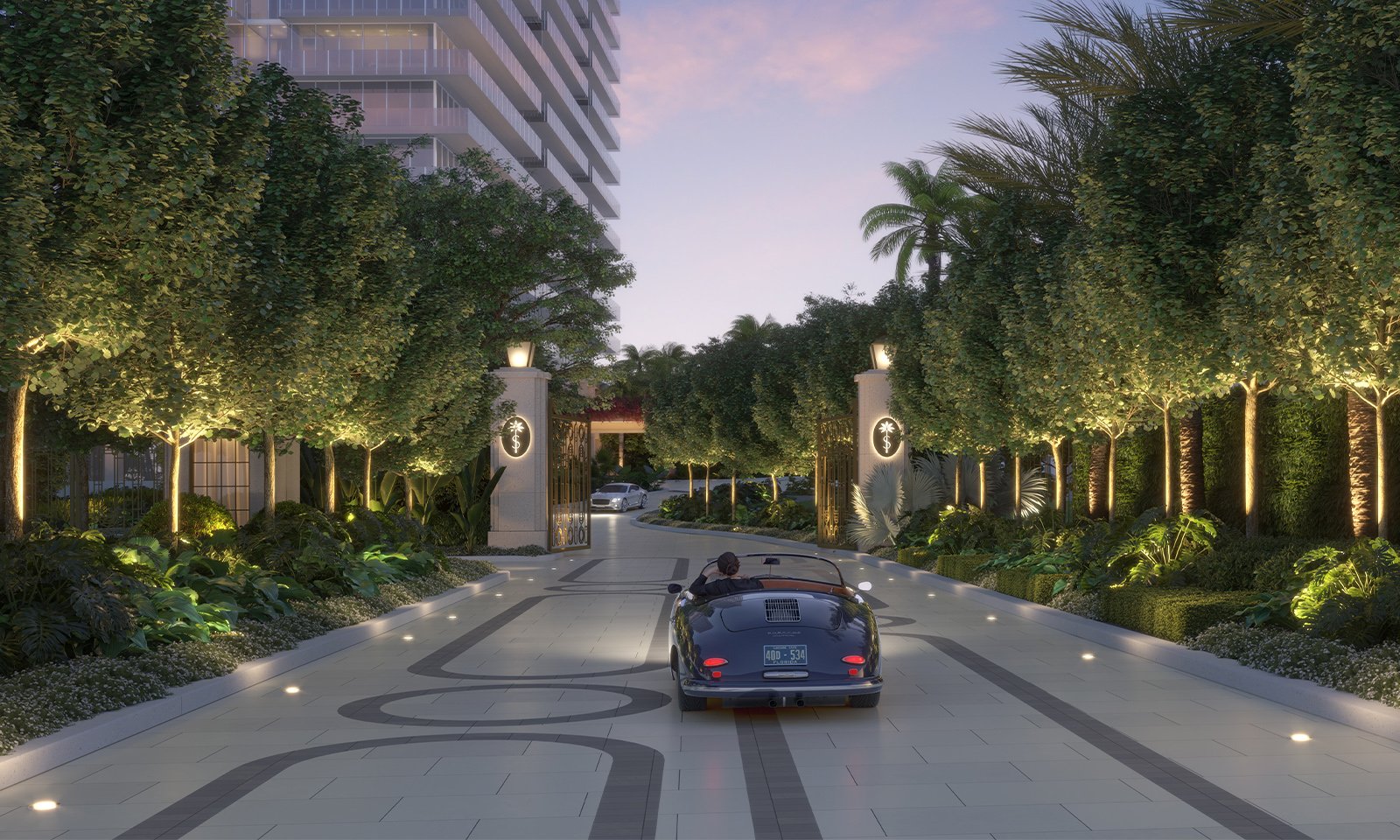
If you are considering Shell Bay by Auberge Hallandale, evaluate the residence not only as a private retreat, but as an operating environment. Where would a wrapped painting be received? How would a conservator access the apartment? Can a crate move from loading to elevator to residence without drama? Luxury often reveals itself in these unglamorous transitions.
The strongest collector residences have invisible competence. They make complex movements feel uneventful. Before buying in Hallandale, ask for the building’s policies on deliveries, freight elevator reservations, certificate requirements, after-hours access, protective coverings, crate storage, and installer parking. If the answers are vague, treat that as a warning.
A serious collection may require a professional team: art handlers, registrars, framers, installers, insurers, conservators, and sometimes security consultants. A building that treats every delivery as a nuisance can become exhausting over time. Conversely, a staff culture familiar with discreet high-value movement can make ownership feel effortless.
Compare this with nearby luxury buildings in adjacent markets. A buyer studying Hallandale might also benchmark service expectations against Armani Casa Sunny Isles Beach or Auberge Beach Residences & Spa Fort Lauderdale. The point is not to leave Hallandale. It is to understand what level of operational sophistication you should require before committing.
Collectors often think of security in terms of cameras, access control, and staff presence. Those matter, but privacy is the more refined first layer. How visible is the residence from neighboring towers? Can installers come and go without passing through crowded amenity spaces? Does the building protect resident discretion, or does it encourage social display?
A private elevator arrangement, controlled access points, attentive front-of-house staff, and well-managed service corridors can all contribute to lower exposure. For a collector, the best building is not necessarily the most conspicuous. It is the building that lets a significant acquisition arrive quietly and leave quietly when the time comes.
Insurance conversations should begin early. The residence, building operations, and collection policy need to align. If a carrier or adviser asks for environmental monitoring, alarm coordination, or documentation of installation conditions, the building should be capable of supporting that standard. Do not wait until after closing to discover that the home requires costly adaptation.
Amenities should be evaluated through actual use, not aspiration. A Pool, spa, restaurant-style service, wellness areas, and lounges can all enrich ownership, but the collector should ask how these spaces affect privacy, traffic, and staffing intensity. A highly active building can be enjoyable, but it may also bring more movement through shared areas.
If the residence will function as a Second-home, staffing continuity becomes even more important. Who enters when you are away? How are maintenance visits recorded? Can the home be monitored without turning it into a fortress? The best arrangement makes absence feel controlled, not vulnerable.
Pets can also influence the art plan. A residence that welcomes Pets may be ideal for family life, but collectors should consider circulation patterns, sculpture bases, delicate textiles, and the distance between casual living zones and display areas. Practical stewardship does not diminish pleasure. It protects it.
Resale should be considered before purchase, especially if the residence is being tailored around art. Highly specific build-outs can be powerful when executed with restraint: proper lighting, reinforced walls, intelligent climate control, and elegant storage can enhance desirability. Overly idiosyncratic interventions may narrow the future audience.
Investment thinking does not require a speculative mindset. It simply means asking whether the residence will remain legible to another sophisticated buyer. A collector-grade home should still read as a graceful residence, not a retrofitted storage facility. The most resilient properties balance art capability with broad luxury appeal.
This is where Hallandale can be pressure-tested against the wider South Florida map. Compare scale, service, access, architectural quality, and the emotional tone of the address. A collector who values discretion may find Hallandale appealing, but the purchase should still compete with alternatives on execution. If another building offers better logistics, stronger privacy, or more adaptable interiors, that comparison belongs in the negotiation.
Before closing, perform a curatorial walk-through. Bring the people who will actually touch the collection: installer, designer, adviser, security consultant, or facilities manager. Move from loading dock to elevator to corridor to residence. Identify pinch points. Study daylight at different moments if possible. Ask what happens during service interruptions, storms, extended absence, and large-scale deliveries.
Then map the first year of ownership. Which works arrive first? What needs framing or conservation? Where will crates go? Which walls need reinforcement? What is the lighting sequence? Who has keys or access credentials? A collector who can answer these questions before closing will own with more calm and less improvisation.
Hallandale Beach should not be bought on romance alone. For the art collector, romance is earned when a residence proves it can live beautifully with significant objects. Pressure-test the home, the building, and the staff culture before you buy. The right property will not merely accommodate the collection. It will quietly improve the way the collection is experienced every day.
Should art collectors evaluate Hallandale Beach differently from other luxury buyers? Yes. Collectors should examine climate control, wall capacity, service access, privacy, and installation logistics before focusing on lifestyle amenities.
What is the first thing to inspect inside a potential residence? Start with wall placement, light exposure, ceiling conditions, and the feasibility of reinforcement for heavier works.
How important is the freight elevator? Very important. A beautiful residence can become impractical if crates, sculpture, or large canvases cannot move safely through the building.
Should I bring an art adviser before making an offer? Ideally, yes. An adviser or installer can identify practical issues that may not be visible during a standard showing.
Can a waterfront home still be appropriate for serious art? Yes, if environmental control, glazing, maintenance, and display planning are handled with discipline.
Does privacy matter as much as security? For many collectors, privacy is the first layer of security. Discreet access and careful staff protocols reduce unnecessary exposure.
Should amenities influence an art-focused purchase? They should, but indirectly. Amenities affect traffic, staffing, access, and the overall rhythm of the building.
Is customization always good for resale? Not always. Subtle collector-grade improvements can help, while highly personal alterations may limit future buyer interest.
What should seasonal owners prioritize? They should prioritize monitoring, maintenance records, controlled access, and clear procedures for when the residence is unoccupied.
How should I compare Hallandale with nearby luxury markets? Compare operational quality, privacy, service culture, and the residence’s ability to support the collection without compromise.
If you'd like a private walkthrough and a curated shortlist, connect with MILLION.
If branded residences are on your mind — as a home or as an allocation — we would be glad to share what we are seeing, privately.
Begin a quiet conversation