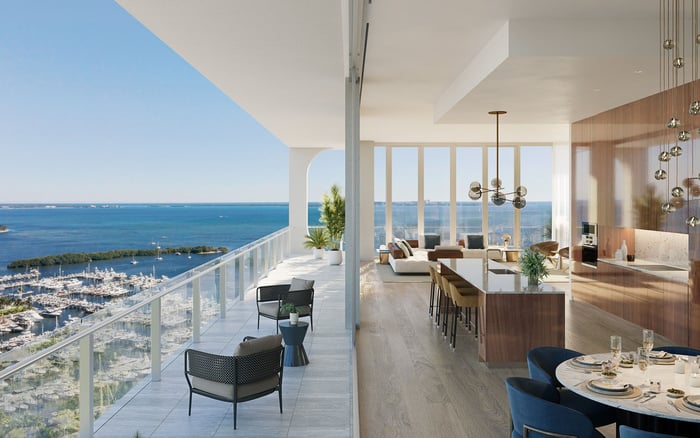
A discreet ownership diligence guide for luxury buyers comparing La Baia North in Bay Harbor Islands with Park Grove and Ziggurat in Coconut Grove.
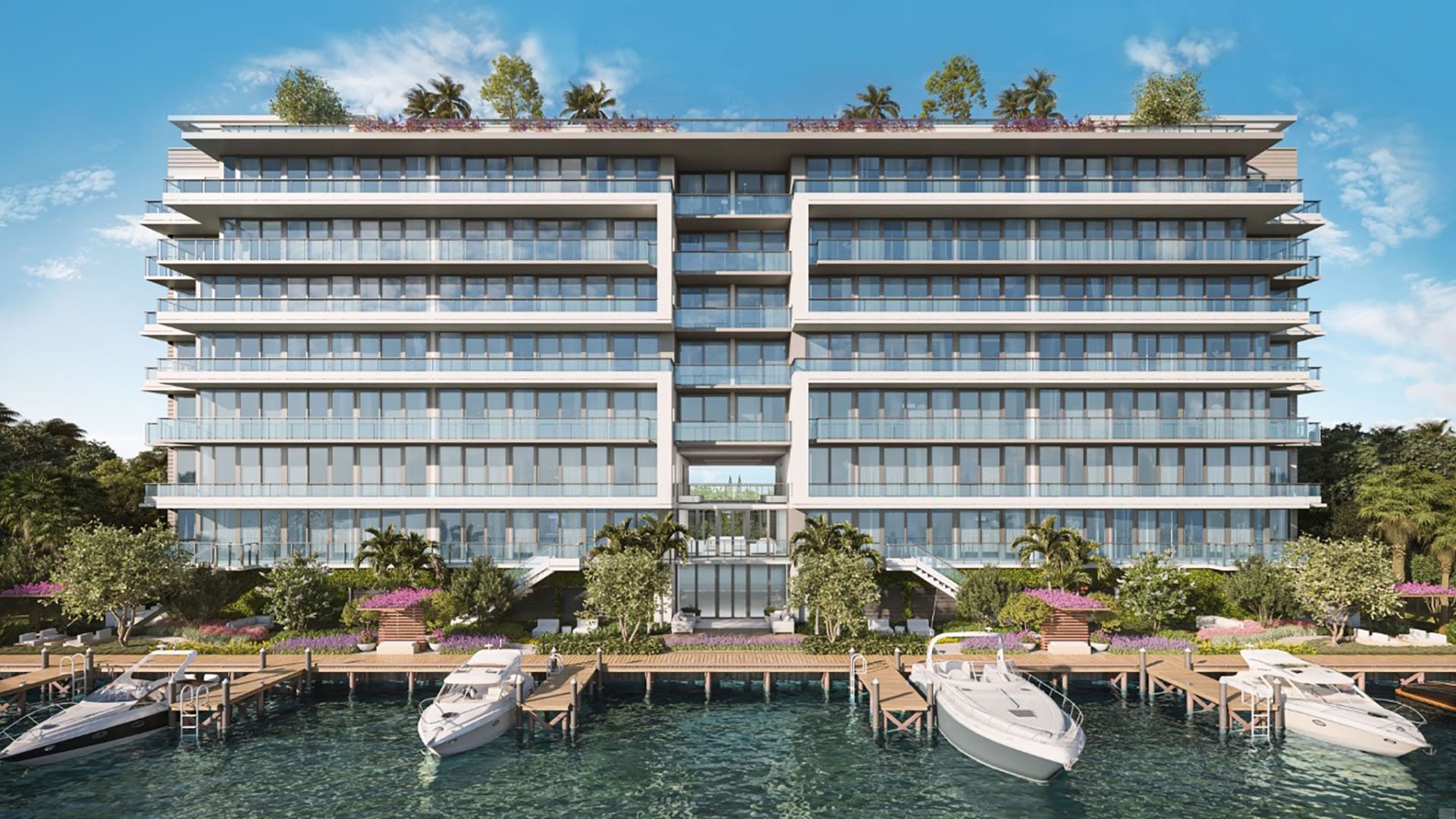
In South Florida luxury real estate, the residence is only the beginning of the acquisition. The more consequential question is what an owner actually controls, what remains shared, and what can change through association governance over time. That distinction is especially important when comparing La Baia North Bay Harbor Islands, Park Grove Coconut Grove, and Ziggurat Coconut Grove.
Each speaks to a different ownership temperament. La Baia North brings the intimacy and waterfront appeal of Bay Harbor Islands. Park Grove offers a more established, multi-tower Coconut Grove condominium environment. Ziggurat is an emerging Grove address where early buyers should focus on the final legal structure, delivery assumptions, and developer documents. For a sophisticated buyer, the comparison is less about which project photographs best and more about title, governance, use rights, insurance, reserves, rental policy, and future liquidity.
The first step is to separate marketing language from legally enforceable ownership rights. In any condominium, the deed may convey the unit, while the most valuable lifestyle features sit elsewhere in the documents. Terraces, parking, storage, guest access, private outdoor areas, amenity privileges, and water-related rights may be common elements, limited common elements, assigned rights, or revocable licenses.
At La Baia North, the boutique waterfront setting makes this distinction central. Buyers should verify how shared amenities are controlled, whether privacy protections are embedded in the documents, and how any dock or marina-related rights are described. A beautiful setting is not the same as a transferable legal entitlement.
At Ziggurat, distinctive architecture raises similar questions in a different way. If a residence is presented around custom layouts, terraces, or private outdoor experiences, the buyer should confirm whether those features are deeded, limited common elements, or use rights that depend on association rules. At the ultra-premium level, precision is not a technicality. It is part of value preservation.
Association governance is where ownership becomes operational. Boutique buildings can feel private, discreet, and highly curated, but a smaller owner base can also concentrate financial exposure. Special assessments, litigation costs, reserve shortfalls, and the preferences of a few influential owners may have a larger effect than they would in a broader ownership community.
That makes La Baia North a classic boutique diligence exercise. A buyer should examine the declaration, bylaws, proposed budget, reserve assumptions, insurance structure, and turnover mechanics before contract execution. The question is not merely what the building intends to offer, but how control shifts from developer to owners and what obligations owners inherit once the association matures.
Park Grove presents a different ownership puzzle. Its more established multi-tower profile may give buyers better visibility into actual budgets, insurance costs, reserves, rules enforcement, and resale patterns. Yet scale can introduce complexity. Owners should understand whether governance operates through a single association, multiple tower associations, a master association, or a layered structure that affects voting rights, assessments, fees, and amenity control.
Pre-construction ownership requires forward-looking discipline. Buyers are often choosing from renderings, plans, preliminary budgets, and evolving documents. That does not make the opportunity less compelling, but it does change the diligence burden.
For La Baia North, contract review should include developer disclosures, completion timing, warranties, initial budgets, reserve funding, and turnover provisions. Buyers should look closely at what happens if plans change, if finishes are substituted, or if association costs differ from early assumptions. The more boutique the building, the more every assumption matters.
For Ziggurat, the same discipline applies, with additional attention to final association formation and delivery assumptions. Early purchasers should study how the contract handles changes to plans, amenities, closing deadlines, deposits, and buyer default remedies. The appeal of being early can be meaningful, but the legal documents should support the lifestyle thesis.
An established luxury condominium can offer a different kind of confidence: operational evidence. Park Grove may appeal to buyers who prefer to evaluate lived-in governance rather than projections. Actual budgets, reserve schedules, insurance premiums, enforcement patterns, and resale liquidity can be more visible than in a newly launched project.
That does not mean the review should be casual. A mature project can still have complicated shared facilities, voting rules, amenity allocations, and assessment obligations. For buyers who want Coconut Grove presence within a more established condominium environment, Park Grove may be attractive precisely because it allows more questions to be answered through existing documents and operating history.
The tradeoff is that a larger planned environment can diversify the ownership base while also creating more sophisticated layers of control. A buyer should know who votes on what, which amenities are shared, which expenses are tower-specific, and how disputes are handled.
Rental rules shape both income potential and future buyer demand. Each project should be reviewed separately because declarations and house rules can affect lease minimums, approval rights, tenant screening, short-term rental limits, and investor liquidity.
A buyer who plans to use the residence seasonally should not assume flexibility. A buyer who never intends to rent should still care, because rental policy can affect the resale pool. Highly restrictive rules may preserve privacy and residential character. More flexible rules may expand investor interest. The right answer depends on the owner’s hold period, tax posture, lifestyle use, and tolerance for building activity.
Resale liquidity also depends on clarity. Units with well-defined parking, storage, terrace rights, and amenity access are easier to explain to future buyers. Ambiguity may not matter on day one, but it can become expensive at exit.
Waterfront ownership in Bay Harbor Islands and Coconut Grove should include a sober review of flood exposure, windstorm insurance, building insurance deductibles, reserve funding, and how those costs flow through association dues. Luxury buyers often focus on finishes, views, and privacy, but the association’s insurance and reserve philosophy can be just as important.
The key is to compare documents side by side. Buyers should request declarations, bylaws, budgets, reserve schedules, insurance summaries, rules and regulations, rental policies, and pending litigation disclosures. The goal is not to eliminate risk, which is impossible in coastal real estate, but to understand whether the ownership structure matches the buyer’s expectations.
High-net-worth and cross-border buyers should also decide how to hold title before signing. Individual ownership, LLC structures, trusts, estate planning, privacy objectives, financing, tax exposure, and homestead considerations can all influence the correct structure. That planning should happen before the contract, not after the closing is scheduled.
La Baia North is strongest for buyers who value boutique waterfront privacy and are willing to scrutinize how amenities, assessments, shared spaces, and any water-related rights are documented. Park Grove is suited to buyers who want a more established Grove condominium environment with more visible operational history, while still accepting the complexity of larger-scale governance. Ziggurat speaks to buyers drawn to emerging architectural identity, provided they are comfortable with careful review of final legal structure, delivery terms, and early association operations.
In all three cases, the ownership lens is the same: what is being bought, what is being shared, what can be changed, and who has the power to decide. In South Florida’s luxury market, the most elegant purchase is often the one where the documents are as thoughtfully considered as the design.
What is the first ownership issue to review? Start with the condominium declaration and identify what is deeded, shared, assigned, or governed by revocable use rights.
Why is La Baia North different from Park Grove? La Baia North is a boutique Bay Harbor Islands project, while Park Grove has a more established multi-tower Coconut Grove profile.
What should buyers verify at Ziggurat Coconut Grove? Buyers should focus on final legal structure, developer documents, association formation, delivery assumptions, and contract change rights.
Do terraces and outdoor areas always belong to the unit owner? Not necessarily. They may be deeded, limited common elements, common elements, or rights governed by association rules.
Why does association structure matter at Park Grove? Layered governance can affect fees, voting power, assessments, shared amenities, and control over building operations.
Are rental rules important for non-investor buyers? Yes. Rental policies can influence privacy, building character, financing perception, and future resale demand.
What documents should buyers compare across all three projects? Review declarations, bylaws, budgets, reserve schedules, insurance summaries, rules, rental policies, and litigation disclosures.
Why is insurance review so important for waterfront ownership? Flood exposure, windstorm coverage, deductibles, and reserve funding can materially affect association dues and assessments.
Should international buyers consider ownership structure early? Yes. Entity, trust, tax, estate, privacy, financing, and homestead planning should be addressed before contract execution.
Which project is best for buyers seeking operating history? Park Grove may provide more visibility into actual budgets, insurance costs, reserves, enforcement, and resale liquidity.
For a discreet conversation and a curated building-by-building shortlist, connect with MILLION.
If branded residences are on your mind — as a home or as an allocation — we would be glad to share what we are seeing, privately.
Begin a quiet conversation