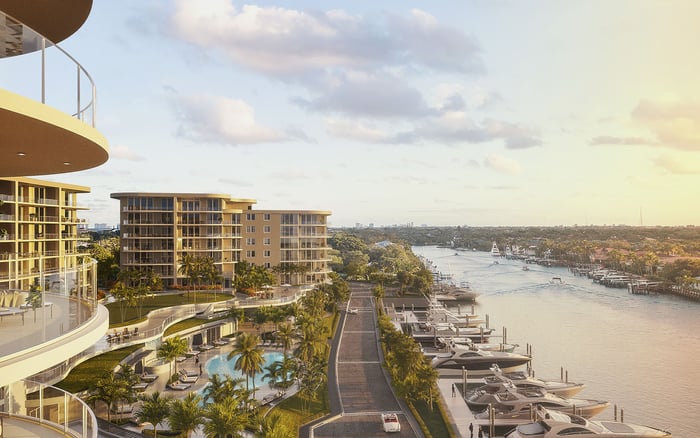
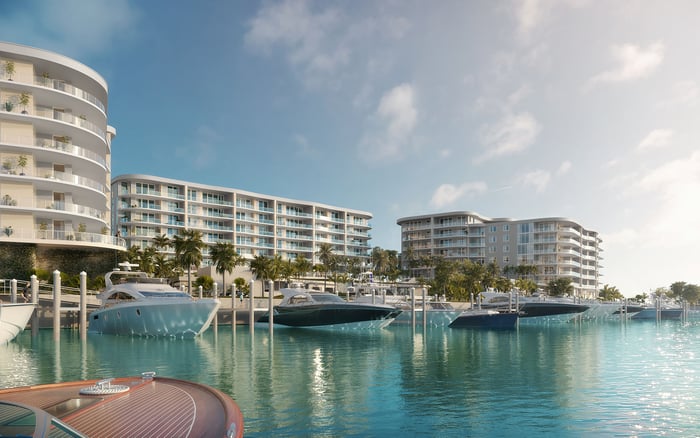
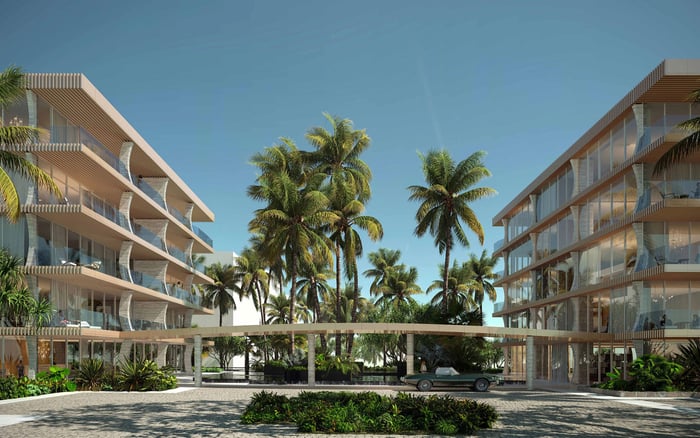
A practical luxury buyer’s guide to evaluating waterfront living in Palm Beach Gardens through dock utility, route planning, marina services, storm readiness, privacy, and ownership structure.
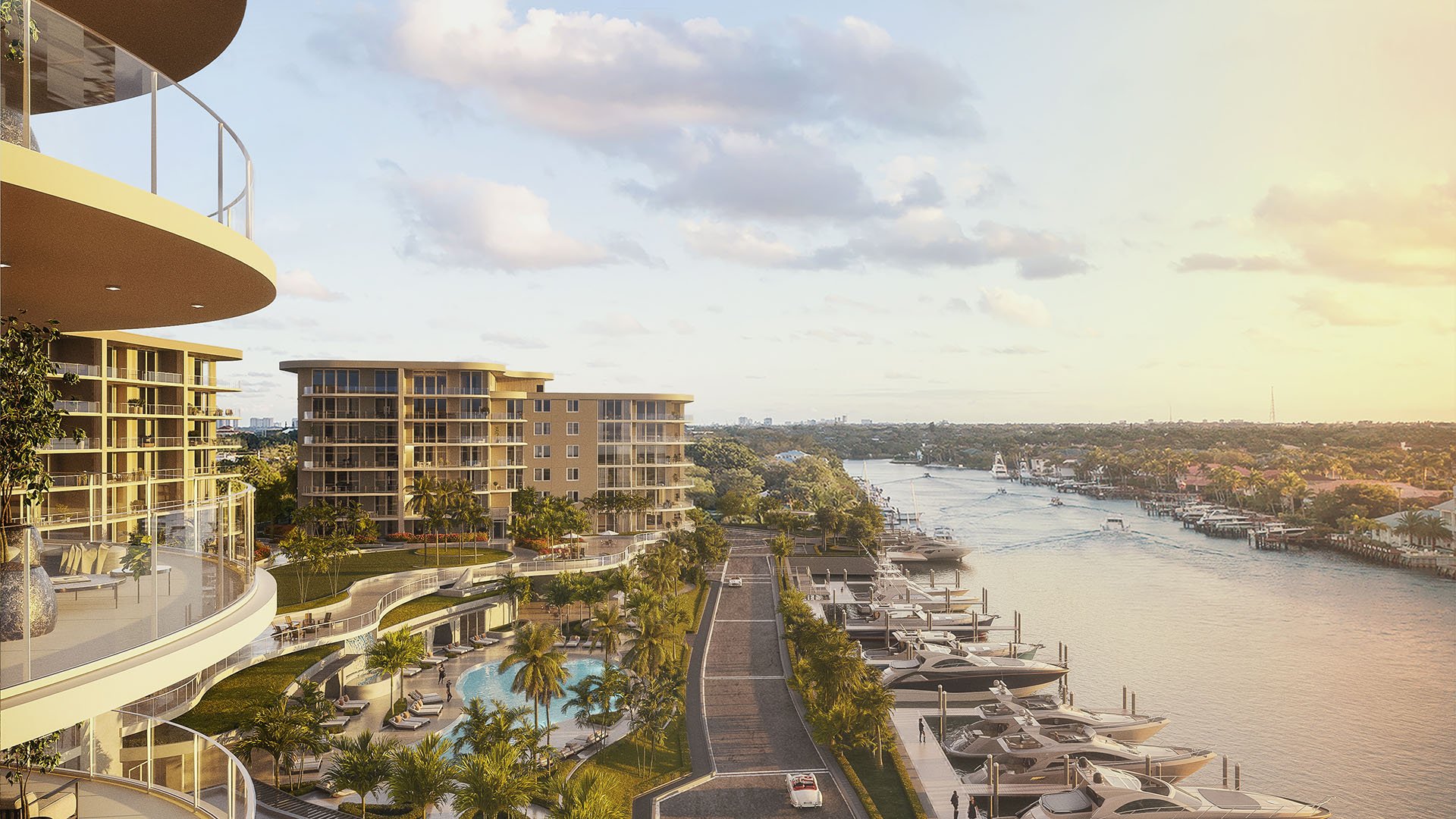
In Palm Beach Gardens, luxury waterfront buying is not simply about securing a beautiful view. For a serious boater, the residence is also a launch point, a service base, a privacy buffer, and a daily logistics system. Even the most elegant terrace loses some of its poetry if the vessel cannot be used easily, safely, and often.
That is why the right questions begin before the finishes, entertaining areas, or even the primary suite. A buyer should understand how the property functions from the water: where the vessel sits, how it turns, how it reaches open routes, how storms are handled, and who controls the rules governing the dock.
This is especially important in the ultra-premium segment, where expectations are not merely recreational. Owners may be moving between residences, hosting aboard, coordinating crew, or using the boat as part of a larger South Florida lifestyle. A waterfront home should not create friction. It should reduce it.
The first question is deceptively simple: does the dock truly fit the boat? Not in marketing language, but in measured, usable terms. Buyers should confirm overall dock dimensions, beam clearance, turning room, water depth at different conditions, lift capacity if applicable, and whether the approach feels comfortable for the captain who will actually operate the vessel.
A handsome seawall can be less useful than it appears if maneuvering is tight or the canal geometry demands more caution than an owner wants for regular use. For larger boats, small operational details matter: current, wind exposure, neighboring docks, fenders, pilings, and the ability to board gracefully with guests.
The phrase boat slip should trigger document review, not assumption. Is the slip deeded, assigned, leased, revocable, shared, or subject to association approval? Is there a separate maintenance obligation? Can it be transferred with the residence? These are not minor details. They shape both lifestyle and resale.
A waterfront address should be evaluated by how it behaves on a typical boating day. Ask how long it takes to reach the preferred cruising route, whether bridges are part of the journey, whether air draft is a concern, and how much of the passage involves slow-speed or careful navigation.
Buyers should also map routine needs: fuel, pumpout, provisioning, repairs, detailing, crew access, and guest parking. A property may feel private and serene, yet still require planning if services are not conveniently aligned with the owner’s style of use. Conversely, proximity to services can be valuable, provided it does not compromise discretion.
The word marina can mean very different things in luxury conversations. It might suggest fuel, dockmaster support, transient slips, service coordination, or simply a nearby basin. The buyer’s task is to define what is needed, then verify whether the surrounding boating ecosystem supports it.
Single-family waterfront ownership and branded or condominium waterfront living can create very different yachting experiences. A private residence may offer more direct control, but also more responsibility. A condominium or managed residential setting may offer service and predictability, but the governing documents become central.
For buyers comparing Palm Beach Gardens with nearby luxury corridors, The Ritz-Carlton Residences® Palm Beach Gardens is a natural reference point for the level of residential service now expected in the area. The relevant question is not only whether a property is beautiful, but how its service culture supports a waterfront lifestyle.
Association rules should be reviewed with care. Ask about vessel size limits, tender storage, dock modifications, contractor access, liveaboard restrictions, guest use, rental use, lighting, noise, security, and insurance responsibilities. In the luxury market, the governing documents often matter as much as the floor plan.
A waterfront purchase should include a sober conversation about storm preparation. The question is not whether a property has an attractive dock on a calm day. The question is how the owner, captain, manager, and association respond when weather requires action.
Ask where the vessel goes, who coordinates removal if needed, whether lifts or lines are sufficient for the owner’s boat, how power and water are secured, and what the property’s written procedures require. For condominiums and managed residences, understand whether the association has specific protocols and whether owners must meet deadlines for vessel movement.
The best luxury properties make emergency planning feel orderly rather than improvised. That sense of calm is not accidental. It comes from infrastructure, documentation, communication, and experienced management.
Waterview is one of the most seductive words in South Florida real estate, but it should be interpreted carefully. A view may be cinematic from the living room and still have limited boating utility. Another property may have a more restrained visual presentation yet offer superior dock usability.
This is where Palm Beach buyers should separate atmosphere from function. Consider sightlines, western or eastern exposure, privacy across the water, night lighting, neighboring activity, and how the view changes when boats are docked. The yacht itself may become part of the composition, which is delightful when planned well and visually awkward when it is not.
Nearby residential references such as Palm Beach Residences and Alba West Palm Beach illustrate how buyers across the Palm Beach area often weigh water outlook, service, access, and architectural identity together rather than as separate considerations.
New construction can be compelling for waterfront buyers because it may offer contemporary systems, current design expectations, and a more polished arrival sequence. Yet buyers should still ask practical questions early: what is delivered, what is optional, what is controlled by the association, and what approvals are needed for any marine-related improvements.
In the West Palm Beach context, Forté on Flagler West Palm Beach gives buyers another lens on refined waterfront-adjacent living, while further south, Riva Residenze Fort Lauderdale underscores how strongly South Florida’s luxury audience values the relationship between residence, water, and movement.
For Palm Beach Gardens, the lesson is clear: do not let newness distract from utility. The best acquisition is not the one with the most persuasive renderings. It is the one whose water access, management, rules, and physical conditions align with the owner’s actual boating life.
Before contract, a buyer should assemble a concise but rigorous waterfront checklist. What size vessel can be accommodated comfortably? What is the practical route to preferred boating areas? Are there bridges, depth constraints, or tight turns? Who owns or controls the dock? What approvals are needed for lifts, utilities, lighting, or repairs?
Then move to lifestyle. Where will guests arrive? Can provisions be brought aboard discreetly? Is there room for crew coordination? How visible is the dock from neighboring properties? How does the home feel at night from both land and water?
Finally, consider exit value. A future buyer will ask the same questions, perhaps with an even larger vessel or more demanding service expectations. The more clearly a property answers them, the more durable its appeal becomes.
What is the first thing a yachting buyer should evaluate? Start with vessel fit, including dock dimensions, depth, maneuverability, and whether the approach works for the actual boat.
Is a waterfront view enough to justify a premium? Not for a serious boater. The view matters, but usable water access, dock rights, and service logistics are equally important.
What should I ask about a boat slip? Ask whether it is deeded, assigned, leased, transferable, and subject to association rules or approval.
Why do bridge and route questions matter? They affect timing, vessel compatibility, comfort, and how often an owner will realistically use the boat.
How important is nearby marina access? It can be important for fuel, pumpout, repairs, provisioning, and dock support, depending on how the owner uses the vessel.
Should storm planning be reviewed before purchase? Yes. Buyers should understand vessel removal, dock preparation, association protocols, and responsibility for securing equipment.
Are condominium waterfront rules different from single-family ownership? Often, yes. Associations may regulate vessel size, contractor access, dock use, rentals, storage, and modifications.
Does new construction remove the need for marine due diligence? No. New residences still require careful review of dock access, ownership rights, approvals, and operating rules.
How should waterview be assessed? Assess both beauty and function, including privacy, exposure, night lighting, neighboring activity, and the docked vessel’s visual impact.
Can Palm Beach Gardens work for a discerning yacht owner? It can, when the property’s dock, route, rules, services, and storm planning match the owner’s boating expectations.
When you're ready to tour or underwrite the options, connect with MILLION.
If branded residences are on your mind — as a home or as an allocation — we would be glad to share what we are seeing, privately.
Begin a quiet conversation