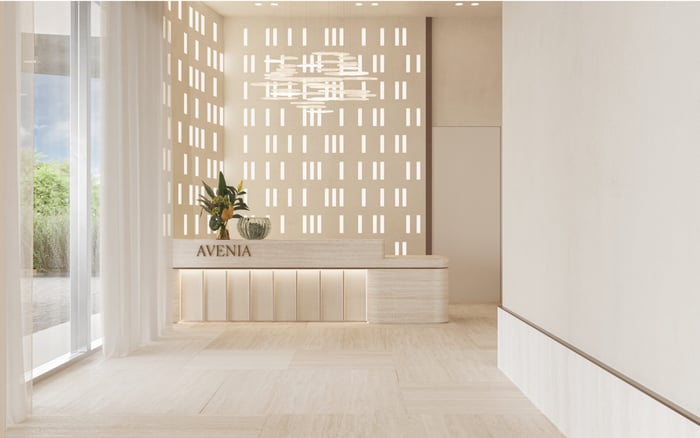
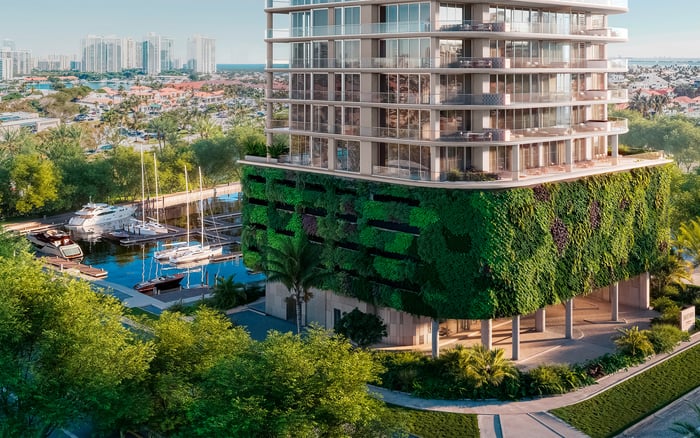
A discreet buyer’s guide to evaluating Avenia Aventura as a year-round family residence, from domicile planning and daily logistics to condominium governance, resilience, contracts, and resale.

For families reorganizing their lives around Florida, the residence is only one part of a broader decision. Purchasing at Avenia Aventura does not, by itself, establish Florida domicile. The legal and tax analysis should remain separate, with state-specific advice addressing residency evidence, ties to a former state, homestead eligibility and day-count records.
The real-estate question is more tangible: Can the home credibly function as the family’s primary base? Avenia Aventura is positioned as a luxury residential project in Aventura, but buyers considering year-round occupancy should look beyond the presentation. This MILLION Buyer's Guides perspective focuses on the questions that reveal whether a residence can support the household’s actual routines, obligations and expectations.
Start with bedrooms, storage, workspace and privacy. A layout that feels generous during a short visit may perform differently once school schedules, remote work, entertaining and extended stays overlap. Buyers should determine whether children have appropriate separation, adults can work without commandeering living areas, and seasonal wardrobes and household equipment have practical storage.
The household may also include grandparents, adult children, guests or staff. Ask how circulation, sleeping arrangements and private zones perform at full occupancy. Consider morning congestion, acoustic separation and whether service activity can occur discreetly. Here, the distinction between an attractive plan and a durable primary home becomes clear.
Families comparing options in northern Miami-Dade may also review Bentley Residences Sunny Isles-not as a substitute chosen on branding alone, but as another reference point for testing layout, location and carrying-cost priorities.
A primary residence should simplify ordinary life. Map school commutes, grocery runs, healthcare visits and recurring appointments at the times they would actually occur. The decisive question is not whether a destination appears nearby, but whether the weekly pattern remains practical for parents, children, caregivers and drivers.
Travel deserves the same scrutiny. Compare Avenia’s access to Miami- and Fort Lauderdale-area business and transportation networks with the family’s expected calendar. Frequent flights, split-office schedules and regular meetings can make route consistency more important than occasional convenience.
Evaluate lifestyle through repetition rather than novelty. Buyers widening their search could use One Park Tower by Turnberry North Miami as a geographic comparison, then assess both choices against the same school, healthcare, work and travel itinerary.
Before signing, request the condominium declaration, bylaws, budget, reserve information, insurance details and rules. These materials define how ownership functions after closing. Counsel should review provisions affecting use, governance, financial obligations and transfer rights, while the buyer’s team reconciles them with the household’s plans.
Monthly association charges require context. Confirm which services are included, what remains the owner’s responsibility, whether assessments may arise and how projected ownership costs fit the family budget. Purchase price alone is an incomplete measure of value, particularly for a residence intended to function throughout the year.
Rules can also shape family flexibility. Ask about leasing restrictions, minimum lease periods, guest policies, pet rules and any limits that could affect household employees or extended family. For an investment-minded buyer, these provisions matter even if leasing is not an immediate plan; future circumstances can change.
A broader coastal comparison, such as Rivage Bal Harbour, should proceed document by document rather than through superficial price comparisons. The objective is to determine which ownership structure best supports the family’s intended use.
Security due diligence should encompass controlled access, visitor procedures, parking security, package handling, surveillance and emergency staffing. Families should ask how these systems operate routinely and how protocols change during an incident. The relevant standard is not simply the presence of security, but the clarity and consistency of its procedures.
Storm and insurance questions belong in the same review. Investigate hurricane resilience, flood exposure, backup power, evacuation procedures, building insurance and unit-owner coverage requirements. Obtain qualified advice on appropriate coverage, and confirm the current position through governing documents and applicable risk information. These issues influence safety, continuity and carrying costs.
For a new-construction purchase before completion, confirm the construction schedule, deposit structure, cancellation rights, specification-change provisions and remedies for delay. The purchase contract and current offering documents should govern expectations. Pricing, fees, availability, specifications and completion timing all require current verification.
Exit planning should begin before acquisition. Consider likely resale demand, competing new developments, transfer restrictions and carrying costs. Most importantly, ask whether the selected unit would appeal to another full-time family buyer. Broadly useful bedrooms, storage, privacy and work areas may support future marketability more convincingly than highly personal choices.
The strongest decision, therefore, is not merely tax-aware. It aligns legal planning, household function, condominium obligations, resilience and future liquidity without allowing any single factor to obscure the others.
Does buying at Avenia establish Florida domicile? No. Ownership alone does not establish domicile, so buyers should obtain state-specific legal and tax advice.
What should families examine first in a floor plan? Review bedrooms, storage, workspaces, privacy and circulation under realistic year-round occupancy.
How should buyers assess the Aventura location? Test school, grocery, healthcare, work and transportation routes against the family’s actual weekly schedule.
Which condominium documents should be requested? Request the declaration, bylaws, budget, reserve information, insurance details and community rules before signing.
Why do association charges need closer review? Identify included services, owner-paid items, potential assessments and the complete projected carrying cost.
Which rules may affect a family household? Guest, pet, leasing and employee-related restrictions may influence extended stays, staffing and future flexibility.
What security questions matter most? Ask about access control, visitor procedures, parking, packages, surveillance and emergency staffing.
What storm-related due diligence is appropriate? Investigate hurricane resilience, flood exposure, backup power, evacuation plans, and building and unit-owner insurance.
What should a pre-completion buyer confirm? Verify the schedule, deposits, cancellation rights, specification changes and contractual remedies for delays.
How should families think about eventual resale? Evaluate demand, competing developments, transfer limits, carrying costs and the unit’s appeal to full-time households.
For a discreet conversation and a curated building-by-building shortlist, connect with MILLION.
If branded residences are on your mind — as a home or as an allocation — we would be glad to share what we are seeing, privately.
Begin a quiet conversation