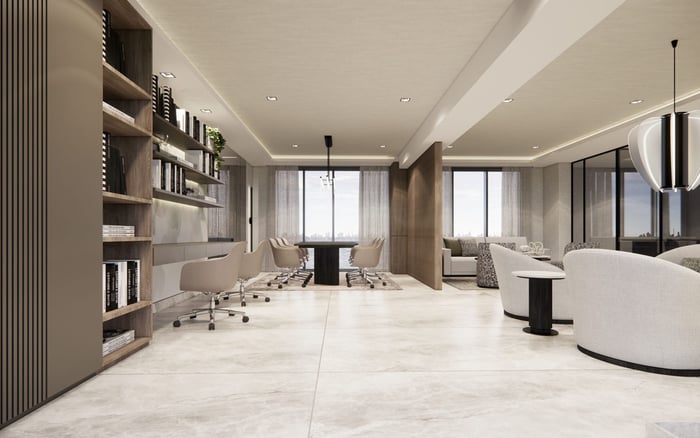
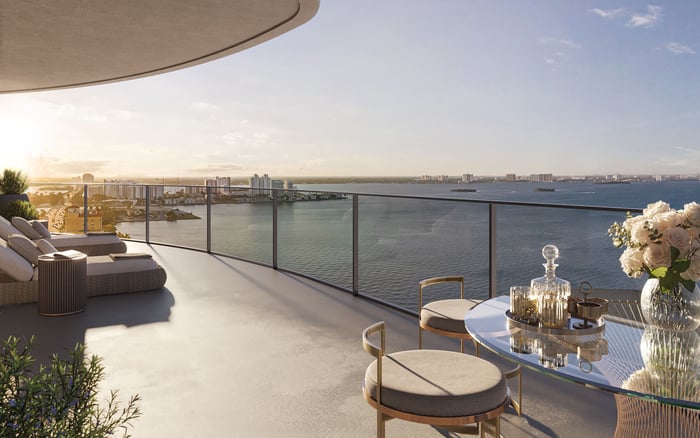
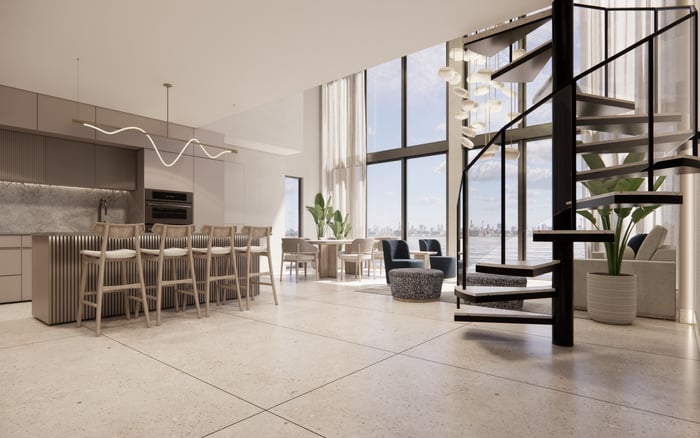
FIFA World Cup 2026 can make the South Florida pied-à-terre conversation more disciplined, especially for buyers weighing North Bay Village as a private, better-positioned base.
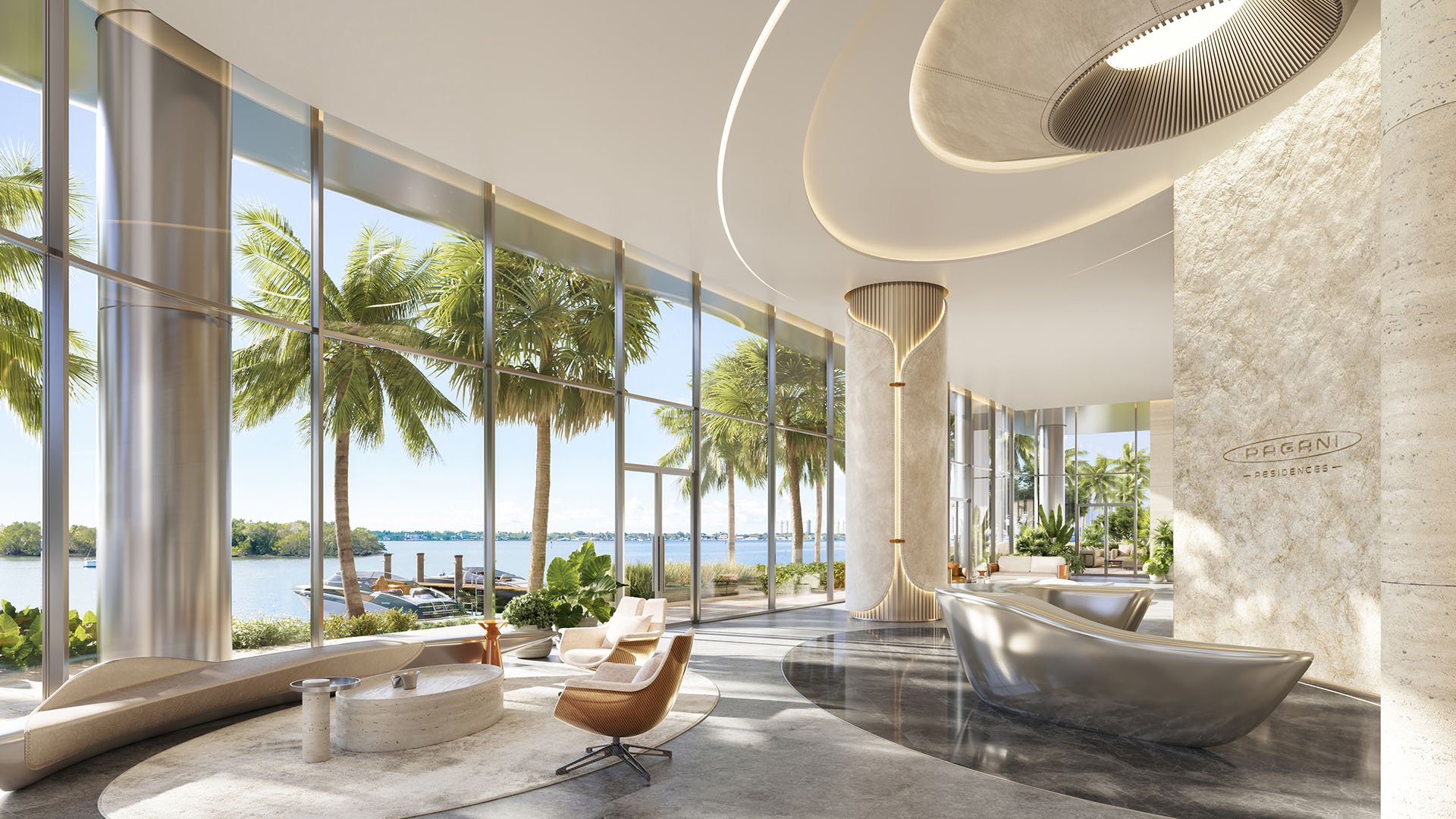
FIFA World Cup 2026 should not be the sole reason to buy a South Florida pied-à-terre. It can, however, serve as a useful timing lens for buyers already considering a more strategic foothold in Miami’s residential orbit. A global sports calendar tends to clarify what affluent owners actually need: a residence that receives guests gracefully, closes easily when not in use, offers a calm return from major events, and still feels desirable long after the final match.
That is where North Bay Village enters the conversation. The better-positioned pied-à-terre is not simply the most photographed address or the tallest skyline gesture. It is the home that reduces friction. It places the owner within the South Florida life they want while preserving privacy, service, and a sense of remove from peak-season intensity.
For a buyer brief, a tag like North-bay-village may be shorthand, but the real analysis is more personal: how the residence lives on an ordinary Tuesday, how it hosts during an extraordinary week, and how confidently it can be held within a broader real estate portfolio.
The phrase “better-positioned” should be treated with rigor. In the pied-à-terre context, it begins with arrival. Owners flying in for long weekends, family visits, cultural events, or tournament travel often value a building that makes the first hour feel controlled. That can mean intuitive drop-off, practical parking or valet arrangements, secure access, and a lobby experience that feels calm rather than theatrical.
It continues inside the residence. A South Florida second home should have the right scale for the way it will be used. Some buyers want a compact, lock-and-leave apartment with generous outdoor space. Others need a larger plan that can absorb family, friends, and a private work rhythm. Views matter, but so does how the plan handles morning light, evening entertaining, luggage, wardrobes, and the quiet rituals of ownership.
Second-home discipline also means resisting the temptation to buy only for event-week demand. The strongest property is one an owner would still choose without the World Cup. If the tournament heightens global attention, the residence should already have its own logic.
North Bay Village can appeal to buyers who want water, convenience, and a more residential tempo than the most visible resort corridors. It offers a setting that can feel connected without requiring the owner to live at the center of every scene. For the right buyer, that balance is the luxury.
In this context, projects such as Continuum Club & Residences North Bay Village become part of a broader question: can a residence combine bayfront living, modern building expectations, and a lock-and-leave ownership pattern suited to a global schedule? The answer depends less on name recognition than on fit.
The same applies to Shoma Bay North Bay Village, where buyers should evaluate how the building’s residential rhythm aligns with their own. A pied-à-terre is often used in concentrated bursts. It needs to feel effortless when occupied, yet equally secure and well managed when the owner is away.
The most refined buyers will compare more than floor plans. They will study the mood of each address. Is the building social or subdued? Does the location encourage spontaneous dining, boating, wellness, or quiet evenings on the terrace? Does the home feel like a private base, or merely a place to sleep between appointments?
World Cup attention may amplify interest in well-located South Florida residences, but the better test is what remains after peak visibility. A serious investment thesis should examine durability: the appeal of the view, the quality of the building experience, the depth of future buyer demand, and the practical rules governing use.
For some owners, short stays by family and close friends are central to the plan. For others, rental flexibility may be a consideration, subject to building and municipal rules. Those details should be verified carefully before contract, because they can materially affect how a pied-à-terre performs. Luxury buyers rarely regret asking too many governance questions. They often regret assuming flexibility that was never promised.
A residence such as Pagani North Bay Village may attract design-driven buyers, but even in a branded or design-forward environment, the essential questions remain grounded. How usable is the residence for the owner’s life? How private is the arrival? How does the building age as a daily experience rather than a launch announcement?
A better-positioned pied-à-terre begins with the owner’s calendar. If the home will be used for major events, school breaks, winter weeks, spontaneous weekends, and business travel, the right residence must handle each use case without feeling compromised. That means focusing on access, service, storage, views, balcony or terrace usability, guest separation, and the ease of closing the door at departure.
The building’s tone is equally important. Some owners want a high-energy social environment. Others prefer a more discreet waterfront address where staff, neighbors, and building operations create a sense of continuity. Neither is inherently superior. The wrong match, however, can make even an architecturally appealing residence feel inconvenient.
Buyers should also think about adjacency rather than only proximity. A pied-à-terre does not need to be in the loudest location to enjoy South Florida’s best experiences. It needs to be positioned so that beaches, dining, marinas, cultural venues, and private appointments feel accessible without consuming the trip. In that sense, North Bay Village can serve as a measured alternative for buyers who want connection without constant exposure.
FIFA World Cup 2026 can strengthen the case for action, but it should not distort judgment. The most compelling North Bay Village pied-à-terre will be the one that remains intelligent after the event cycle passes. It should offer emotional pull, practical efficiency, and a credible ownership rationale.
For South Florida’s ultra-premium buyer, the opportunity is not simply to own near the action. It is to own well, with a residence that supports both moments of spectacle and the quieter cadence of private life. The best-positioned pied-à-terre is the one that feels composed when the city is at its busiest.
Is FIFA World Cup 2026 alone a reason to buy in North Bay Village? No. It can sharpen timing, but the residence should make sense as a long-term lifestyle and ownership decision.
What makes a South Florida pied-à-terre better-positioned? It should offer convenient access, privacy, views, service, secure lock-and-leave ownership, and a setting that suits the owner’s rhythm.
Why consider North Bay Village instead of a more famous waterfront area? Some buyers prefer a quieter base that still feels connected to Miami’s dining, beach, cultural, and boating lifestyle.
Should I prioritize views or building services? Both matter, but services often determine how effortless the home feels when used intermittently.
Can a pied-à-terre also be an investment? It can be evaluated that way, but buyers should focus on durability, building quality, governance, and long-term desirability.
How important are rental rules? Very important. Building and local rules should be reviewed before purchase if any rental flexibility is part of the plan.
Is a smaller residence enough for a World Cup-period stay? It may be, if the plan, storage, outdoor space, and guest arrangements match how the owner actually travels.
What should buyers ask during a project tour? Ask about arrival experience, security, management, parking, storage, amenity access, and policies for guests or extended absences.
Does branding guarantee a better pied-à-terre? No. Branding can add identity, but daily usability, privacy, and building execution are more important.
When should a buyer start the search? Early enough to compare options calmly, review documents carefully, and avoid making a decision under event-driven pressure.
If you'd like a private walkthrough and a curated shortlist, connect with MILLION.
If branded residences are on your mind — as a home or as an allocation — we would be glad to share what we are seeing, privately.
Begin a quiet conversation