Walkable village living can make a second home feel easier to own, easier to use, and more resilient in 2026. For South Florida buyers, the strongest strategy is not simply buying near the beach or skyline. It is choosing a daily-life ecosystem where dining, wellness, errands, social rhythm, and optional services are close enough to support spontaneous use without logistical friction.
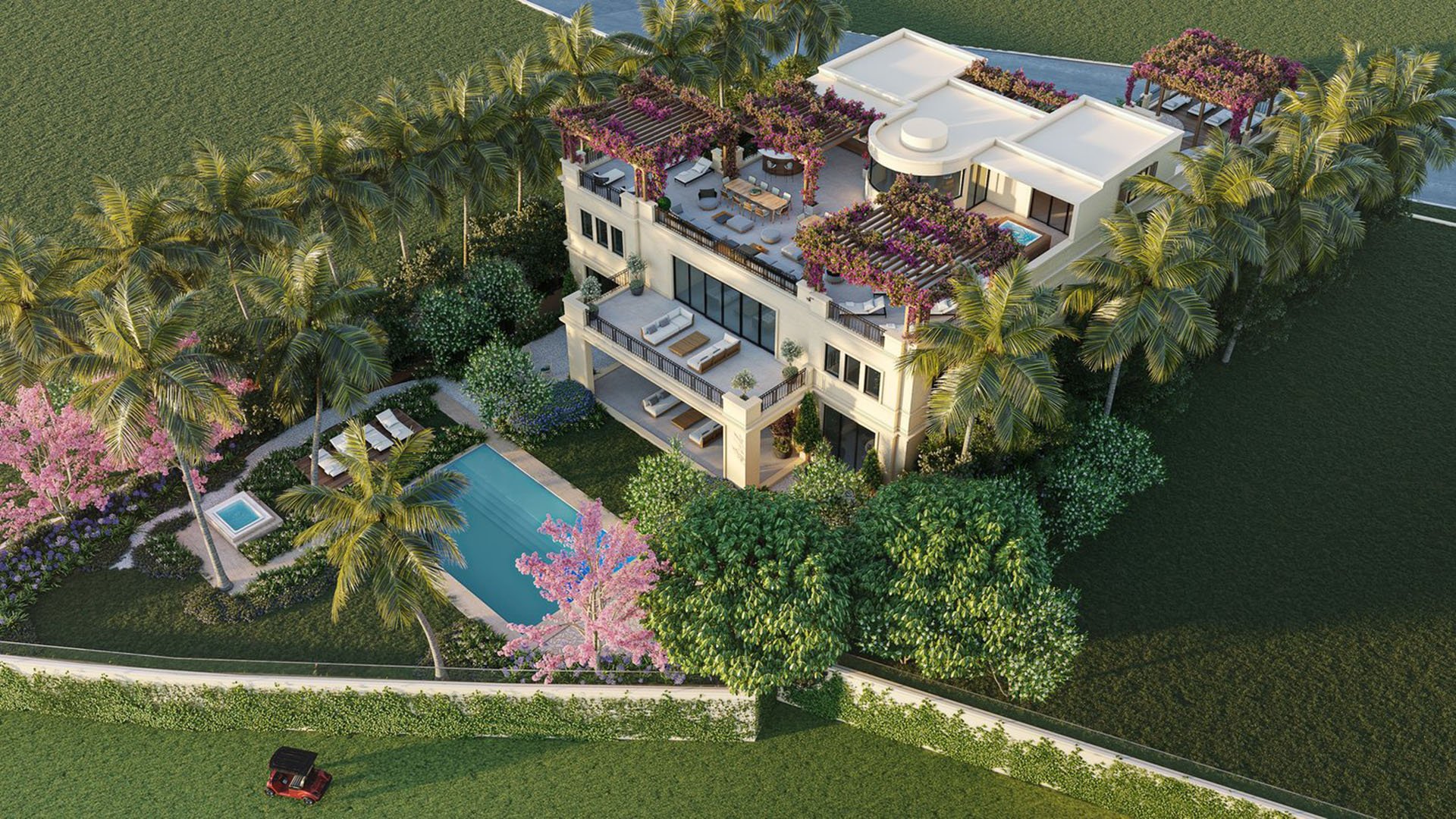
For the 2026 luxury buyer, the best second home may not be the most remote retreat or the most dramatic showpiece. It may be the residence that removes the greatest number of small frictions from ownership. Walkable village living matters because it turns a property from a scheduled destination into a place that is easy to use, easy to revisit, and less dependent on planning.
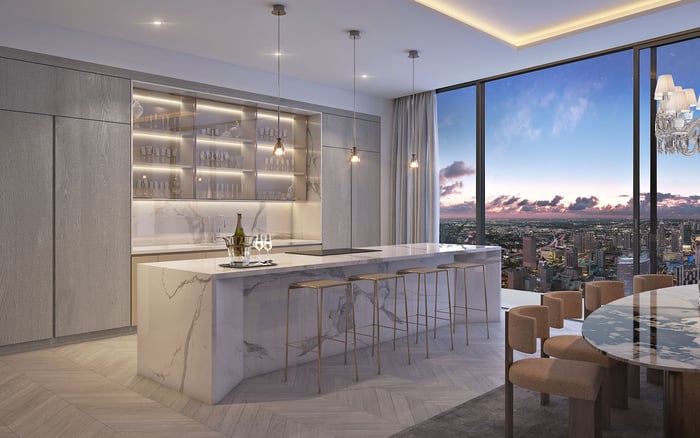
That distinction is becoming central in South Florida. A second-home owner may arrive for a long weekend, extend a stay after a business meeting, host family for a holiday, or work remotely between social commitments. In each case, the quality of the asset is measured not only by architecture, views, and amenities, but by what happens after the elevator opens or the front door closes behind you.
If coffee, dinner, fitness, groceries, parks, marina access, cultural life, and trusted services are close by, the home becomes more than a private address. It becomes a lifestyle operating system. That is the quiet power of village living.
Traditional second-home strategy often begins with the residence itself: floor plan, exposure, finishes, privacy, parking, building services, and outdoor space. Those elements remain essential. But walkability adds a second layer of value: the ability to live well without constantly coordinating transportation, reservations, deliveries, or household support.
For buyers who split time among multiple homes, the difference is meaningful. A walkable setting reduces the mental load of arrival. The first day is not lost to restocking, driving, or reorienting. It can begin with a familiar café, a quick market stop, a waterfront walk, or dinner within the neighborhood. The home feels ready because the surrounding village is ready.
This is especially important for owners who use a property intermittently. The more effortless the daily routine, the more likely the home is to be used. Frequent use is not merely a lifestyle benefit. It supports emotional attachment, household oversight, and a clearer sense of whether the property continues to meet the family’s needs.
Investment logic in a walkable village is grounded in durability. Homes within complete lifestyle environments tend to appeal to more than one buyer profile. They can speak to seasonal residents, relocating executives, empty nesters, international families, and local buyers who want convenience without sacrificing design.
That broader appeal can matter when it is time to lease, hold, refinance, or sell. A property dependent on a single feature may be more vulnerable to changing taste. A property embedded in a desirable daily-life pattern has more ways to remain relevant. The view may be the romance, but the neighborhood routine is often what keeps demand alive.
This does not mean every walkable address is equal. Buyers should look for a village that feels authentic rather than manufactured. The strongest settings combine residential calm with enough restaurants, wellness options, shops, open space, and services to support real life. The street should feel useful in the morning, relaxed in the afternoon, and polished in the evening.
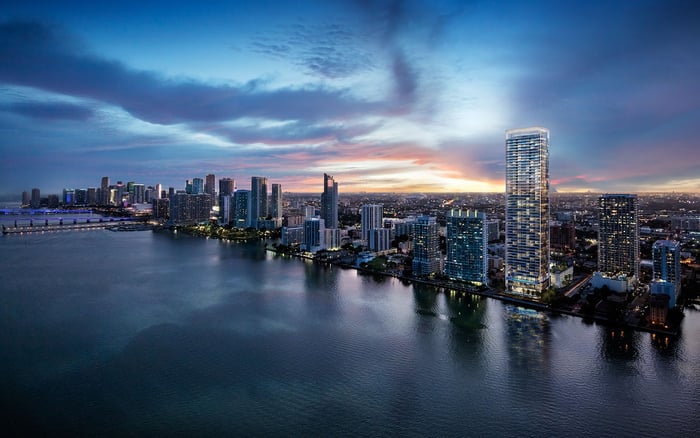
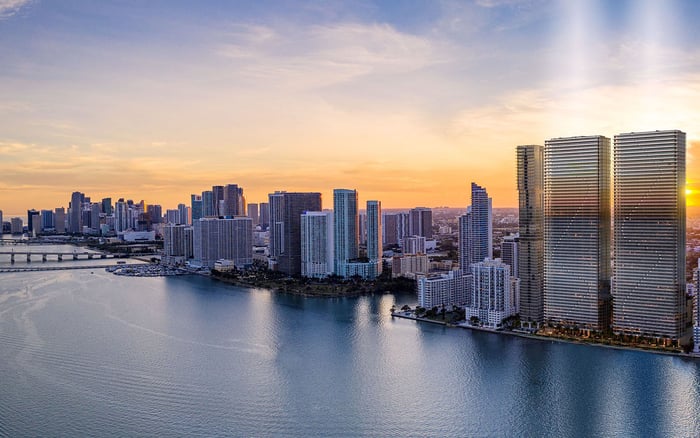
Across South Florida, walkable living takes multiple forms. Brickell offers an urban rhythm where private residences sit close to dining, offices, hotels, and waterfront promenades. Downtown can appeal to buyers who want cultural proximity and a more metropolitan pulse. Edgewater gives many owners a bayfront orientation while keeping them connected to the central city.
Surfside represents a different model: lower-scale, coastal, and discreet, with a village feel that can suit buyers who value beach access, neighborhood dining, and a softer residential pace. In Aventura, the walkability question is more selective. The right second-home strategy focuses on self-contained pockets where daily needs, recreation, and services are clustered close enough to reduce reliance on the car.
The point is not that one area is universally superior. It is that each village must be evaluated through the owner’s real pattern of use. A buyer who wants morning ocean walks, quiet dinners, and family visits should not pursue the same setting as one who wants business lunches, nightlife, and quick airport access. Walkability is personal when it is done correctly.
Begin with the first 24 hours of ownership. Imagine arriving late, waking early, needing breakfast, exercise, dry cleaning, groceries, a pharmacy, a casual lunch, and a polished dinner. If that sequence requires constant planning, the village may not be doing enough work for you.
Next, study the weekly rhythm. Is there enough variety to support repeated stays, or does the area feel compelling only for a short visit? Are sidewalks pleasant, shaded, and active? Is the dining scene useful beyond special occasions? Can guests enjoy independence without borrowing a car? These small questions often reveal the long-term livability of a second home.
Finally, examine privacy. The best walkable second-home settings do not feel exposed. They create a graceful boundary between the public village and the private residence. Security, arrival sequence, elevator privacy, acoustic comfort, and service quality all matter. Village living should add ease, not compromise sanctuary.
A stronger second-home strategy in 2026 begins with a simple proposition: buy the life around the home as carefully as the home itself. The most successful owners will not choose walkability as a trend. They will use it as a filter for time, convenience, flexibility, and long-term relevance.
In South Florida, where luxury can mean waterfront serenity, urban access, resort services, or village intimacy, walkability helps refine the choice. It asks whether the property will be enjoyable on an ordinary Tuesday, not only during a holiday weekend. It asks whether family members can use it independently. It asks whether the neighborhood will still feel useful when tastes shift.
For discerning buyers, that is the advantage. A walkable village second home can be elegant without being demanding, social without being noisy, and convenient without losing privacy. It can make ownership feel lighter, which may be the most valuable luxury of all.
Is walkable village living a good fit for every second-home buyer? Not always. It is best for buyers who value daily convenience, flexible use, and neighborhood energy alongside privacy.
Does walkability reduce the importance of building amenities? No. The strongest properties combine private amenities with a surrounding village that supports everyday life.
Should a waterfront buyer still prioritize walkability? Yes, if the home is intended for frequent use. A beautiful view is more powerful when the daily routine is also effortless.
Can a walkable second home still feel private? It can, provided the residence has strong security, thoughtful arrival, acoustic comfort, and separation from street activity.
What is the first thing to test in a walkable neighborhood? Test the first full day of use. Coffee, fitness, errands, lunch, and dinner should feel intuitive rather than planned.
Is Brickell better than Surfside for a second home? Neither is automatically better. Brickell suits a more urban lifestyle, while Surfside may suit buyers seeking a quieter coastal village.
How should families evaluate walkable living? Families should consider whether guests and different generations can enjoy independence without relying on constant driving.
Does walkability help with resale? It may support broader buyer appeal because convenience, services, and lifestyle access remain relevant across market cycles.
Can Aventura work for a walkable second-home strategy? Yes, when the specific pocket supports a compact daily routine rather than requiring a car for every need.
What is the main risk of choosing a walkable village? The risk is confusing activity with livability. The best village feels useful, polished, safe, and comfortable at different times of day.
For a discreet conversation and a curated building-by-building shortlist, connect with MILLION.
If branded residences are on your mind — as a home or as an allocation — we would be glad to share what we are seeing, privately.
Begin a quiet conversation