A discreet due diligence guide for Miami penthouse buyers evaluating terrace waterproofing, drainage, warranties, maintenance obligations, and contract protections before signing.
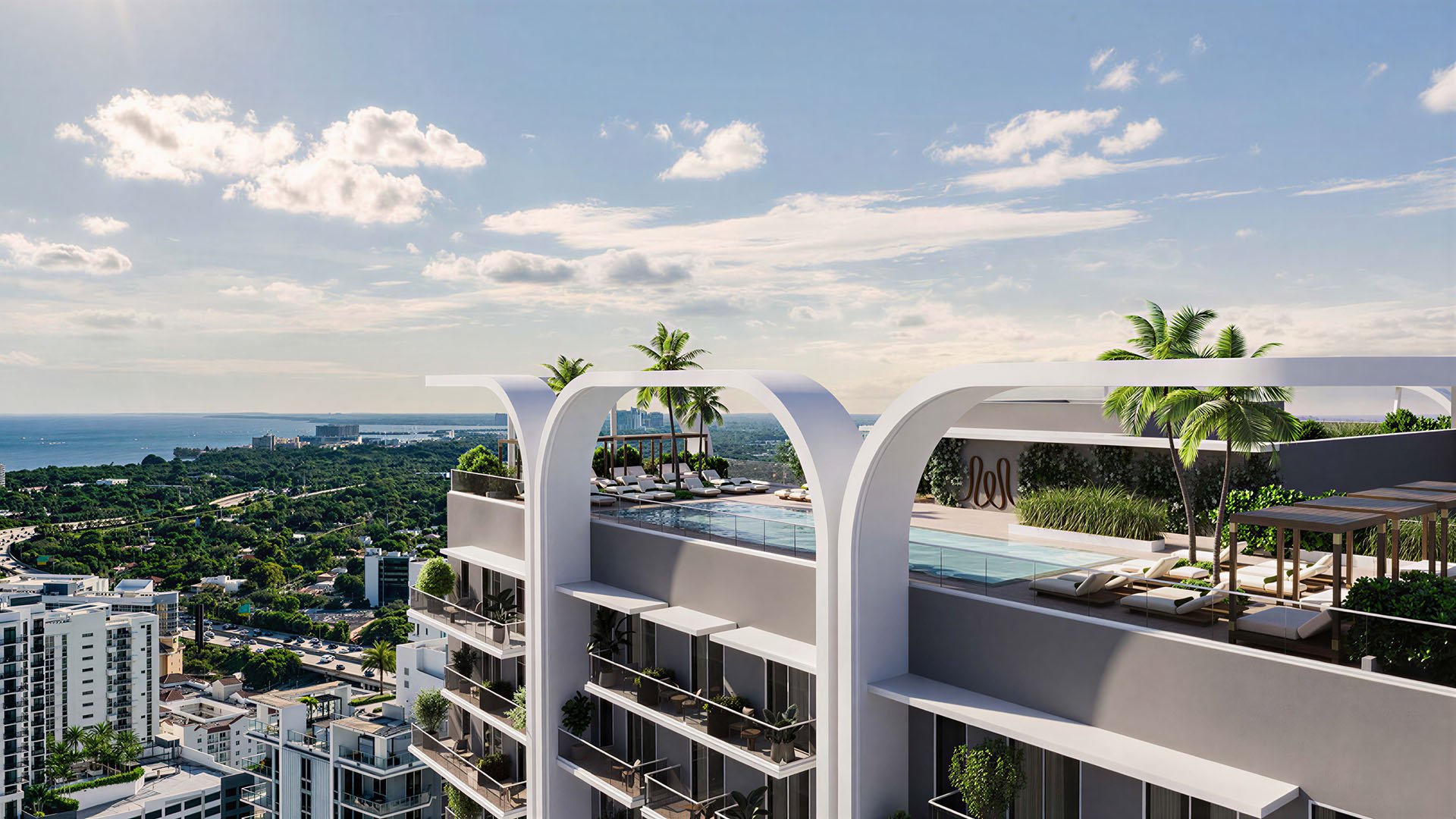
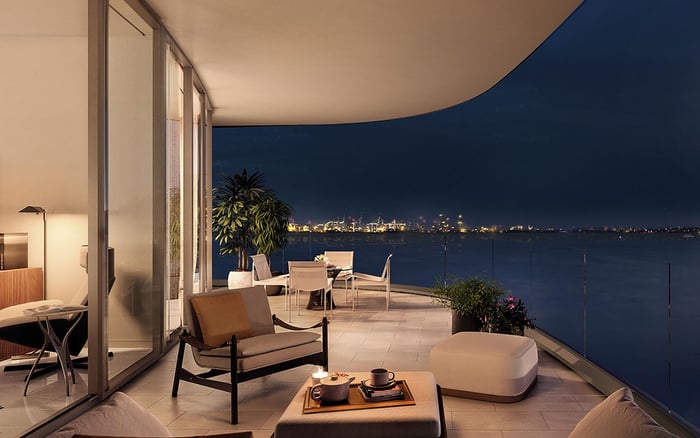
In Miami, the penthouse terrace is often the emotional center of the purchase. It is where the bay, ocean, skyline, and evening air become part of the residence. Yet for a serious buyer, the terrace should also be read as a technical surface: exposed, layered, sloped, penetrated, maintained, and sometimes misunderstood.
Before contract, the right questions can separate a glamorous outdoor room from a future dispute. Waterproofing is rarely visible in a finished penthouse. It sits below stone, tile, pavers, planters, pedestal systems, drains, thresholds, and sometimes plunge pools or summer kitchens. By the time staining appears below, the original cause can be difficult to isolate.
A refined buyer does not need to become a contractor. The goal is simpler: understand the terrace as part of the building envelope, then preserve enough inspection rights and document access to make an informed decision. For a penthouse in Brickell, Miami Beach, Sunny Isles, Coconut Grove, or Fisher Island, that level of diligence is not excessive. It is proportionate to the asset.
The first question is direct: what is the waterproofing assembly under the finished terrace surface? Buyers should request available drawings, specifications, closeout documents, warranty materials, and any maintenance guidance related to the terrace membrane and drainage system.
The answer matters because a beautiful finish reveals very little. A terrace may be finished with stone, porcelain, decking, turf, or another surface, but the waterproofing layer below is what protects the structure and the residence beneath. Ask whether the finish is removable for inspection or repair, and whether future access would require demolition of expensive materials.
If the residence is new construction, ask how the terrace was tested before turnover and whether the owner receives specific documentation on the waterproofing system. If the property is resale, ask whether any terrace leaks, repairs, resealing, drain work, or neighboring-unit claims have occurred. The point is not to assume a problem. It is to establish a paper trail before the contract becomes difficult to unwind.
Waterproofing and drainage are inseparable. A membrane can be well specified, but standing water, clogged drains, poor slope, or compromised thresholds can still create risk. On a Miami terrace, water management should be understood in ordinary rain, wind-driven rain, and storm conditions.
Ask where water is intended to travel. Ask how many drains serve the terrace, where they are located, how they are maintained, and whether overflow provisions exist. During a physical inspection, look for stains, efflorescence, ponding marks, loose pavers, soft areas, algae patterns, or repeated sealant patches. These are not definitive proof of failure, but they are reasons to ask sharper questions.
Thresholds deserve special attention. The transition from interior flooring to exterior terrace is a luxury design moment, especially when the goal is a seamless indoor-outdoor plane. But that same transition must manage water, wind, door systems, and movement. A low or flush threshold can be elegant, but the buyer should understand how water is kept outside and who is responsible if detailing fails.
In condominium purchases, terrace responsibility may be divided among the unit owner, the association, and sometimes a limited common element structure. Buyers should not rely on casual explanations. Ask for the condominium documents, rules, maintenance matrix, alteration requirements, and any provisions addressing terraces, balconies, drains, railings, planters, waterproofing, and surface finishes.
The distinction can be financially meaningful. If the membrane is an association responsibility but the decorative finish is an owner responsibility, repairs may require coordination. If an owner-installed improvement caused or contributed to a problem, responsibility may shift. If a prior owner altered the terrace without proper approval, the buyer could inherit an expensive ambiguity.
Balcony and terrace language can also differ within the same building. A standard balcony may be treated one way, while an expansive private roof terrace, setback terrace, or penthouse-level outdoor area may involve additional obligations. Ask your attorney to review the documents specifically for terrace responsibility, not merely general maintenance language.
The most seductive terraces often include the most technical complications. Built-in planters, irrigation, raised decks, pergolas, outdoor kitchens, fire features, spas, pools, lighting, speakers, rail attachments, and privacy screens can all introduce penetrations, loads, access issues, or maintenance obligations.
Ask which features are original to the building and which were added later. For anything added by a prior owner, request permits, association approvals, contractor documentation, waterproofing details, and warranties. If planters are present, ask how they drain, whether root barriers are used, and whether waterproofing protection exists below them. If irrigation is installed, ask how leaks are detected and shut off.
A terrace can be both magnificent and disciplined. The best outdoor rooms feel effortless because the hidden work is orderly. The buyer’s task is to determine whether the elegance above the surface is supported by coherent detailing below it.
A general inspection contingency may not be enough for a major penthouse terrace. Buyers should discuss with counsel whether the contract should expressly allow inspection of terrace waterproofing-related conditions, review of association records, access to maintenance logs, and evaluation by qualified professionals.
The contract should also address timing. If document production arrives late, the buyer may have little practical opportunity to respond. Request key materials early: association minutes that mention water intrusion, building envelope work, terrace repairs, roof or drain issues, pending assessments, rules for owner improvements, and warranty documents if available.
The seller’s disclosure should be read closely. Ask whether there have been leaks into the unit, leaks from the unit to areas below, terrace repairs, drain backups, insurance claims, notices from the association, or complaints involving adjacent or lower residences. In luxury property, discretion is expected, but silence should not substitute for clarity.
Warranty language can sound reassuring until it is read carefully. Ask what is covered, who can make a claim, whether the warranty is transferable, what maintenance is required, and which exclusions apply. Some warranties depend on documented maintenance. Others may exclude damage caused by alterations, punctures, improper cleaning, standing water, or unauthorized installations.
Maintenance is equally important. A buyer should know whether drains must be cleared on a schedule, whether sealants require periodic review, whether planters or pavers must be lifted for access, and whether association approval is needed before any repair. A sophisticated owner does not wait for water intrusion to learn the rules.
For seasonal or second-home users, this becomes even more important. If the penthouse may sit vacant for periods, the owner should establish who monitors the terrace after storms, who checks drains, and who notices early warning signs. Luxury ownership often depends on excellent management of unglamorous details.
Terrace uncertainty should be considered in the economic structure of the deal. If documentation is incomplete, the buyer may seek additional inspection time, seller representations, repair commitments, escrow arrangements, price adjustments, or the right to terminate if material issues arise. The right approach depends on the property, leverage, and advice from counsel.
For ultra-prime Miami real estate, the terrace is part of the residence’s identity. It can justify the premium, frame the entertaining life, and distinguish one penthouse from another. But it is also exposed to sun, salt air, wind, rain, movement, and use. The contract should respect both realities.
The most elegant purchase process is not adversarial. It is precise. A buyer who asks the right waterproofing questions before contract is not diminishing the romance of the terrace. They are protecting it.
Why should terrace waterproofing be reviewed before contract? Because the finished surface often conceals the membrane, drainage, and repair access. Once the contract period advances, leverage and timing may narrow.
What documents should a penthouse buyer request? Ask for drawings, specifications, warranties, maintenance guidance, association rules, alteration approvals, repair records, and any disclosures involving leaks or drains.
Is a beautiful terrace finish enough evidence of good waterproofing? No. Stone, pavers, tile, or decking may look pristine while the critical waterproofing layer remains hidden below.
Who should inspect a Miami penthouse terrace? Buyers should consider qualified inspectors, building-envelope specialists, engineers, or contractors familiar with high-rise terrace conditions, as appropriate.
Are planters and outdoor kitchens a concern? They can be, especially if they add penetrations, irrigation, drainage complexity, or weight. Request approval records and waterproofing details for any additions.
What warning signs should buyers look for during a visit? Ponding marks, stains, loose pavers, patched sealants, clogged drains, odors, interior staining, or repeated repairs should prompt deeper review.
Can a condominium association be responsible for terrace waterproofing? Sometimes, but responsibility depends on the governing documents and the nature of the terrace element. Legal review is essential.
Do warranties eliminate waterproofing risk? Not always. Warranties may have exclusions, transfer rules, maintenance requirements, and limits that should be understood before relying on them.
Should terrace issues affect purchase price? Potentially. Uncertainty may support further inspection, negotiated repairs, escrow, revised pricing, or other protections guided by counsel.
What is the most important question to ask first? Ask what waterproofing system exists beneath the terrace finish and what documentation supports its condition, maintenance history, and responsibility.
If you'd like a private walkthrough and a curated shortlist, connect with MILLION.
If branded residences are on your mind — as a home or as an allocation — we would be glad to share what we are seeing, privately.
Begin a quiet conversation