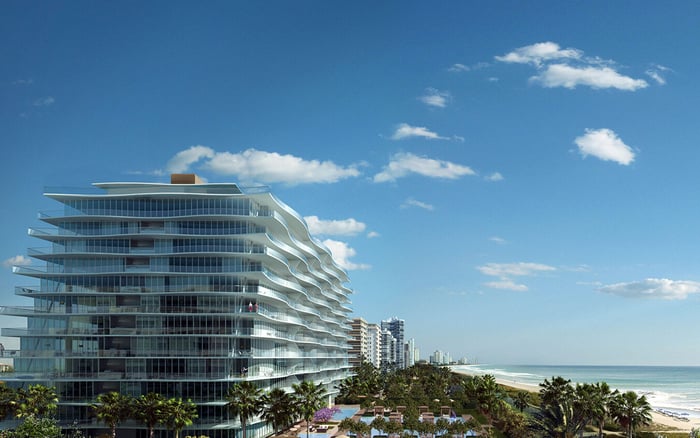
A buyer-focused editorial guide to evaluating beachfront residences through the lens of smart package handling, refrigerated delivery access, staff circulation, privacy, and coastal daily life.
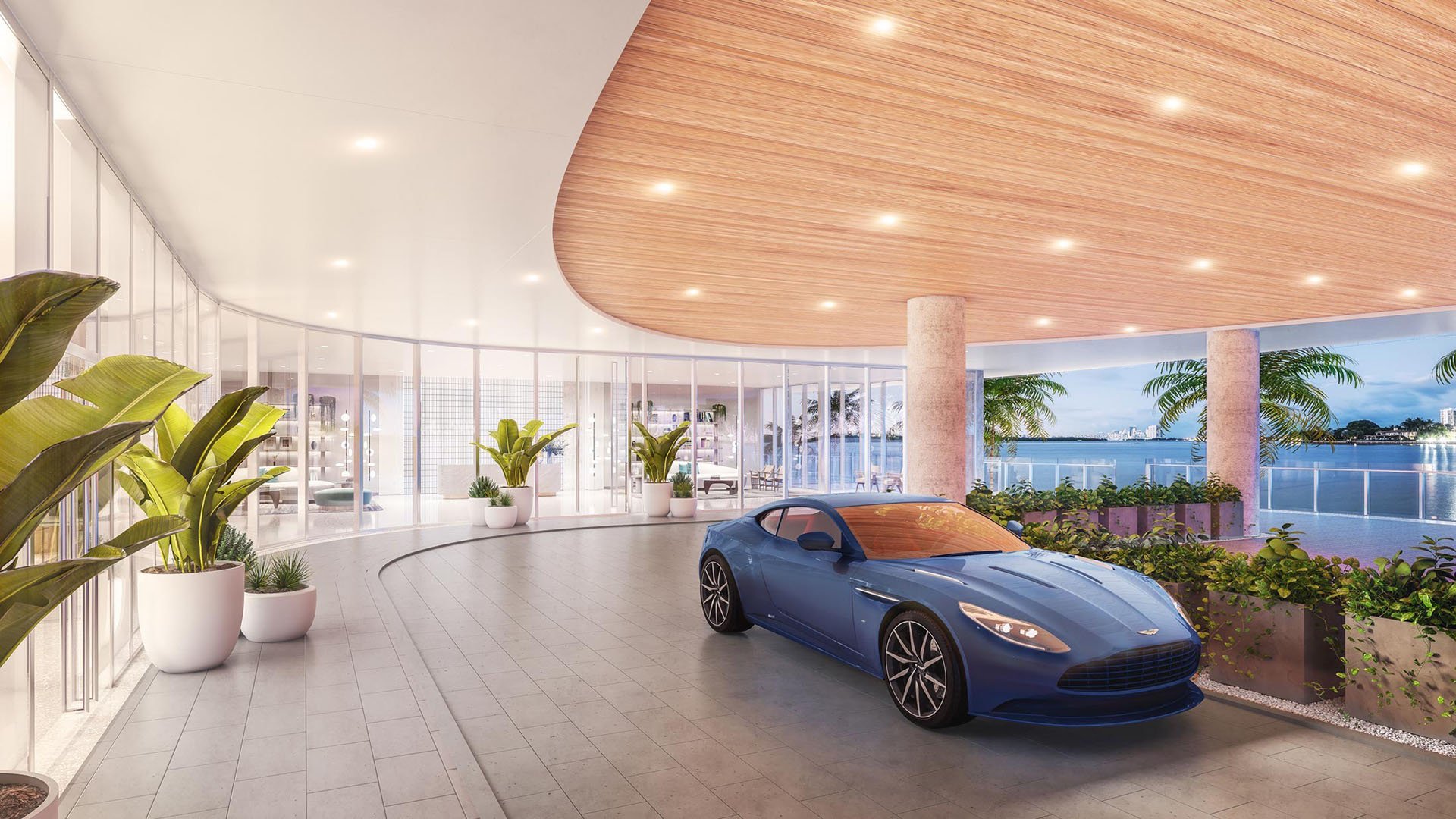
For a certain kind of beachfront buyer, the conversation no longer begins and ends with the view. Ocean exposure, privacy, architecture and wellness remain central, but the most functional residences now compete on a quieter measure: how gracefully they manage the flow of daily life. That includes packages, groceries, temperature-sensitive deliveries, floral orders, wine shipments, medical items, pet supplies and the steady movement of staff and service providers.
A smart package system is not glamorous in the traditional sense. Its value lies in how completely it disappears into the background. The best versions protect residents from clutter, missed deliveries, lobby congestion and awkward service interactions. Refrigerated delivery capacity is even more specific. It speaks to a household that entertains often, travels frequently, values chef support, or expects delicate items to arrive without disruption.
Across South Florida beachfront searches, especially in Miami-Dade, Broward and Palm Beach, sophisticated new-construction conversations now include the service spine of the building. Buyers are asking not only what the residence looks like, but how the building performs when no one is watching.
1. Full-service beachfront condominium - staffed receiving with controlled access
This is the strongest fit for buyers who want the building, rather than the household, to absorb the friction of deliveries. The essential feature is not simply a package room. It is a staffed sequence that can receive, sort, notify and release items without compromising resident privacy.
For beachfront owners who split time between homes, this profile can be especially compelling. The right building protocol reduces anxiety around unattended deliveries and prevents the residence from becoming the first point of contact for every parcel, grocery order or vendor arrival.
2. Private-residence tower - refrigerated storage near the service core
A residence profile with refrigerated storage near the back-of-house path is ideal for buyers who entertain, employ private chefs, or receive frequent specialty food deliveries. The key identifier is separation: cold items should not depend on lobby improvisation, hallway staging or immediate owner availability.
In practice, the buyer should focus on the handoff. Where does the delivery arrive, who accepts it, how is it logged, and how quickly can it move into refrigerated holding? A beautiful home can feel surprisingly inconvenient when the cold chain is treated as an afterthought.
3. Boutique beachfront building - fewer residences with higher staff familiarity
Boutique scale can be attractive when an owner values discretion over spectacle. Fewer residences may allow staff to understand household preferences, recognize recurring vendors and manage package flow with a more personal cadence.
The tradeoff is infrastructure depth. A boutique building should be reviewed carefully for dedicated storage, refrigeration capacity, after-hours procedures and secure notification systems. Intimacy is only an advantage when the operational plan is equally refined.
4. Large amenity-driven condominium - volume capacity for frequent deliveries
Some buyers prefer the resilience of a larger building with more robust receiving areas and a broader service team. For households that order often, host regularly, or maintain multiple staff schedules, the question becomes capacity. Can the property handle volume without turning the arrival experience into a logistics corridor?
The best large-building profile pairs scale with discipline. Separate staff routes, package tracking, clear retrieval policies and cold storage protocols help preserve the calm expected in a beachfront residence.
5. Lock-and-leave coastal residence - remote notifications and holding protocol
The lock-and-leave buyer needs assurance that the home can function while the owner is elsewhere. Smart notification, secure holding, clear release permissions and defined escalation procedures become central to the purchase decision.
This profile is especially relevant for seasonal owners, frequent travelers and international households. The goal is to keep the residence effortless, whether the owner is in town for the weekend or away for several weeks.
The most revealing moments often happen away from the sales gallery and beyond the view corridor. Ask to understand the path a delivery takes from curbside arrival to resident notification. Look for whether the receiving area is purpose-built or improvised, whether refrigerated space exists in a meaningful way, and whether staff have a clear system for chain of custody.
A refined property should be able to explain the difference between everyday parcels, oversized deliveries, perishable goods, wine, medications and vendor supplies. It should also clarify after-hours procedures. Luxury is not simply what happens on a fully staffed weekday. It is what happens during storms, holidays, late arrivals and owner absences.
Privacy matters as much as technology. The best systems prevent delivery personnel from circulating unnecessarily through residential areas. They also reduce the chance that staff, guests and owners converge in the same tight arrival sequence.
Refrigerated delivery has become a meaningful proxy for lifestyle. It reflects how the property supports entertaining, wellness routines, specialty food procurement and households that rely on chefs or assistants. It also signals whether the building has thought seriously about modern consumption patterns.
Buyers should not assume that a luxury address automatically includes adequate cold storage. A small refrigerator for occasional items is different from a reliable system designed for multiple residents and recurring deliveries. Capacity, access, labeling, notification and release policy all matter.
For coastal homes, where heat and humidity can be unforgiving, the margin for error is narrow. A delayed grocery order or unrefrigerated specialty delivery can become more than an inconvenience. It can reveal whether the building’s service layer is truly aligned with resident expectations.
Not every buyer will lead with package logistics, but many will appreciate the difference once they experience it. Service design affects daily satisfaction. It also influences how a residence presents during resale, particularly to buyers who already live in highly serviced buildings and know which questions to ask.
The most elegant beachfront properties understand that luxury is cumulative. It is the valet who knows the household schedule, the package room that never appears overwhelmed, the refrigerated delivery that waits properly, and the staff path that protects the serenity of the lobby. None of these features replaces architecture or views. They make those assets easier to enjoy.
For buyers comparing similar beachfront residences, operational details may become the deciding factor. When two homes offer comparable exposure and finishes, the one with better service infrastructure often feels more complete.
Why should a beachfront buyer care about package systems? Because package handling affects privacy, convenience and daily order. A weak system can make even a beautiful building feel inefficient.
What counts as a smart package system? It may include secure receiving, resident notification, controlled release, logging and staff oversight. The best systems are simple for residents and disciplined behind the scenes.
Is refrigerated delivery storage common in every luxury building? Buyers should not assume it is available or adequate. The details should be confirmed during private due diligence.
Who benefits most from refrigerated delivery capacity? Frequent entertainers, seasonal owners, chef-supported households and buyers who order specialty food or delicate items benefit most.
Should delivery areas be separated from resident lobbies? Ideally, yes. Separation protects privacy and keeps the arrival experience calm for owners and guests.
What should I ask staff during a tour? Ask how packages are accepted, stored, logged, refrigerated and released. Also ask what happens after hours.
Does a boutique building always handle deliveries better? Not always. Boutique scale can support personalization, but the building still needs real storage capacity and clear procedures.
Can service infrastructure affect resale appeal? Yes. Buyers who value convenience and privacy often recognize strong operational design as part of the residence’s long-term appeal.
Are lock-and-leave owners more sensitive to delivery systems? Yes. Owners who travel need secure holding, reliable notifications and clear permissions when they are away.
What is the best way to shortlist comparable options for touring? Start with location fit, delivery status, and daily lifestyle priorities, then compare stacks and elevations to validate views and privacy.
For a discreet conversation and a curated building-by-building shortlist, connect with MILLION.
If branded residences are on your mind — as a home or as an allocation — we would be glad to share what we are seeing, privately.
Begin a quiet conversation