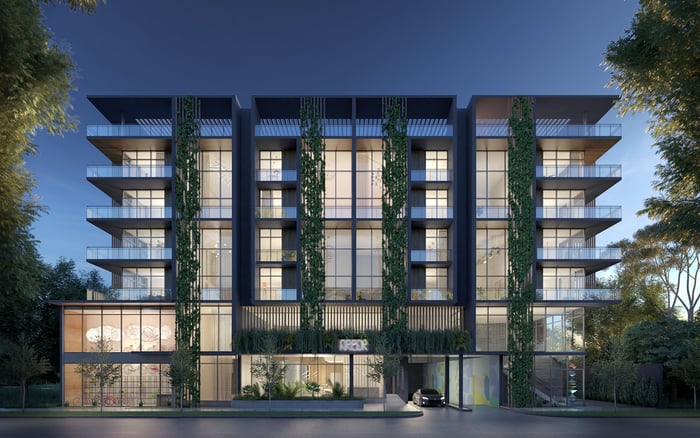
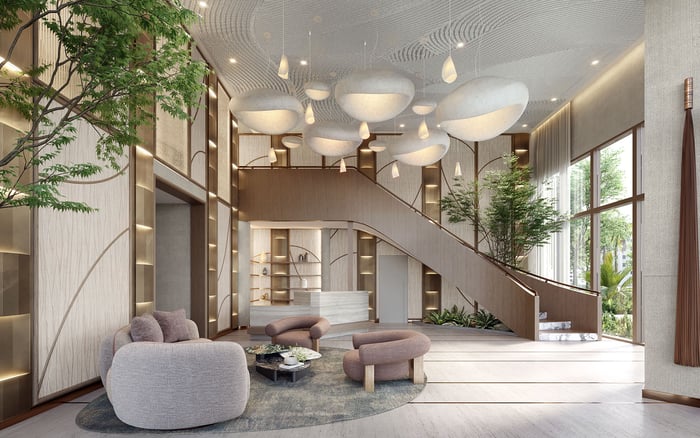
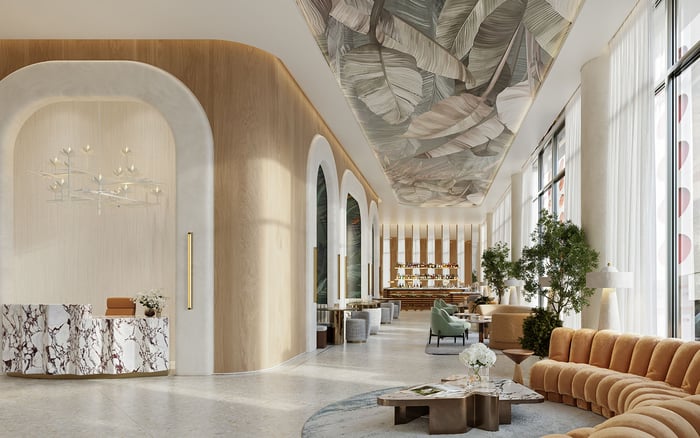
A buyer-focused comparison of wellness-led Brickell living and boutique Coconut Grove scarcity, framed around lifestyle, operating costs, trophy value, and future demand depth.
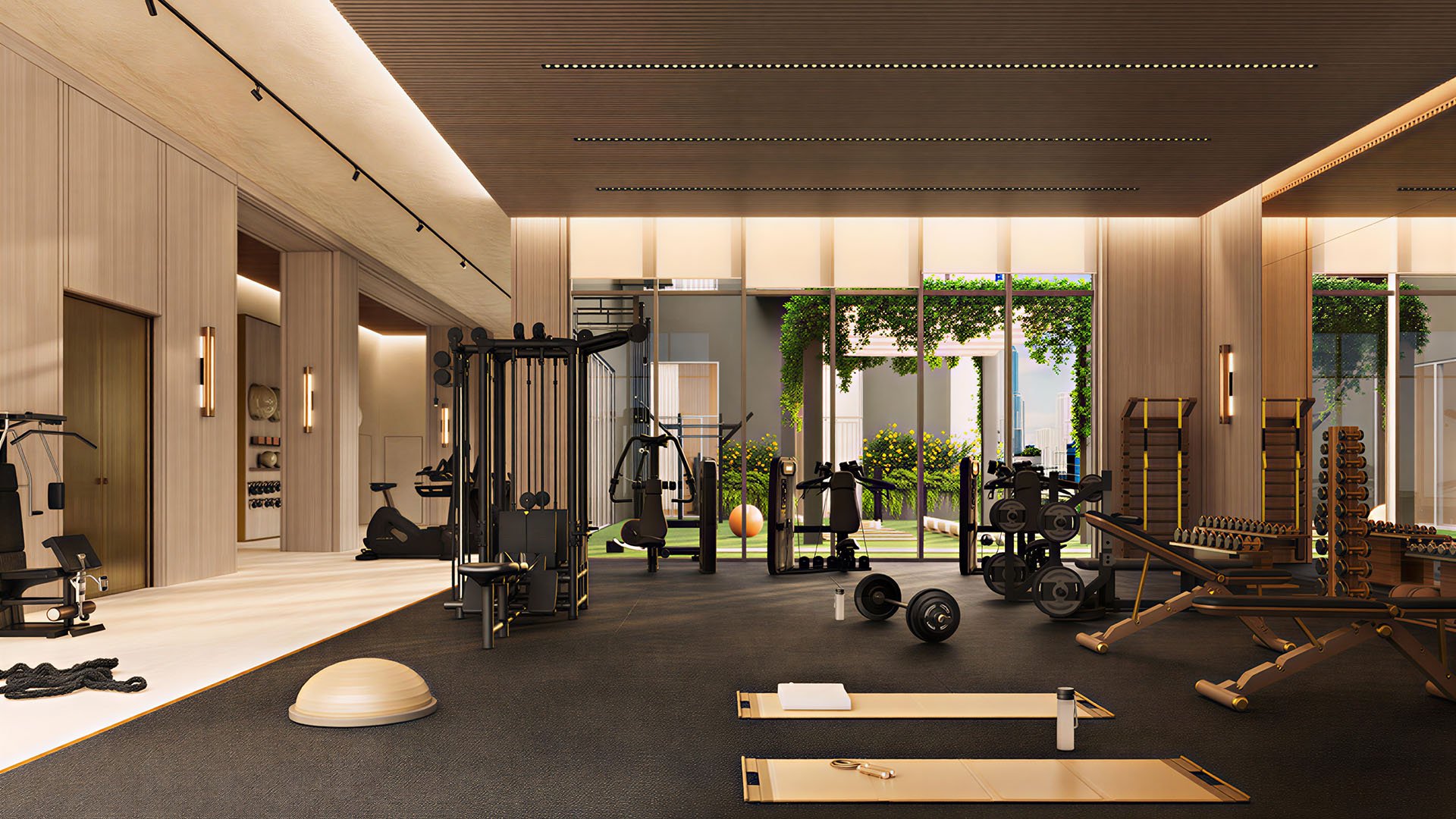
For South Florida luxury buyers, the comparison between House of Wellness Brickell and Arbor Coconut Grove is less about choosing a building than choosing a rhythm. Brickell offers immediacy, service density, vertical energy, and a wellness narrative shaped by proximity to finance, dining, and daily convenience. Arbor Coconut Grove, by contrast, points to a quieter residential vocabulary, where privacy, scale, tree canopy, and neighborhood intimacy shape value as much as design.
That distinction matters because trophy scarcity is not created by price alone. It emerges when a residence satisfies a specific lifestyle better than its alternatives. In Brickell, the trophy buyer may want a wellness-oriented home base that compresses work, recovery, social life, and access into one polished urban ecosystem. In Coconut Grove, the trophy buyer may want something more restrained: a home that feels removed from the city without leaving Miami.
For the MILLION audience, the sharper question is not which address feels more fashionable today. It is which ownership profile will still feel durable five, seven, or ten years from now.
Brickell has become a natural stage for wellness-branded vertical living because its residents often lead compressed, high-performance lives. The appeal is practical. If a buyer spends long days between meetings, travel, family obligations, and social commitments, wellness amenities are not decorative. They become part of the operating logic of the home.
A House of Wellness Brickell buyer is likely responding to that promise: an urban residence where self-care is embedded into the building experience. The strongest version of this thesis is not simply a spa, gym, or treatment room. It is the sense that the building anticipates how an owner moves through the day, from morning routines to evening decompression.
The risk is equally clear. Amenity-rich urban living can be expensive to operate. More services, more specialized spaces, and higher staffing expectations can support a high level of daily convenience, but they may also create a more complex cost structure. For buyers who use those services often, the value can feel self-evident. For owners who travel extensively or use the residence seasonally, the same structure deserves closer scrutiny.
That is why Brickell is best understood as an active-use luxury proposition. It rewards buyers who want the building to do more for them, more often.
Arbor Coconut Grove represents a different form of appeal. Rather than competing on urban intensity, Arbor Coconut Grove benefits from the Grove’s residential temperament. Coconut Grove has long attracted buyers who want Miami with more softness: shaded streets, slower daily movement, and a stronger sense of neighborhood continuity.
In that context, scarcity is not only about how many residences exist. It is about how many residences can deliver a particular feeling. Buyers drawn to Arbor Coconut Grove may be seeking a boutique atmosphere that does not depend on grand gestures. The luxury is in proportion, privacy, and the ability to live close to the city while preserving a more grounded domestic life.
This is where Coconut Grove demand can feel especially deep. It appeals to local families, relocating executives, second-home buyers, and design-conscious owners who do not want the constant vertical tempo of Brickell. That breadth can be powerful, particularly when a residence feels aligned with the neighborhood rather than imposed upon it.
The Grove’s challenge is different from Brickell’s. It is not usually about proving access or convenience. It is about protecting the residential quality that made the address desirable in the first place.
The term trophy can be misleading when used too broadly. In Brickell, trophy status often depends on skyline presence, service level, amenity programming, views, and brand clarity. The best units tend to capture the energy of the district while insulating the owner from its friction.
In Coconut Grove, trophy status is usually more intimate. It may be defined by privacy, livability, architectural restraint, terrace experience, or the feeling of being part of a mature neighborhood. A quieter building can be just as rare as a more dramatic tower if it delivers what Grove buyers cannot easily replicate.
This contrast shapes resale psychology. A Brickell buyer may compare a House of Wellness Brickell residence against other high-service urban options, asking which building offers the strongest lifestyle platform. An Arbor Coconut Grove buyer may compare less by amenity checklist and more by emotional fit, scale, and neighborhood authenticity.
Neither buyer is necessarily more rational than the other. They are underwriting different forms of scarcity.
Operating costs in luxury real estate should never be judged in isolation. A higher monthly obligation can be appropriate if it funds services an owner uses regularly and would otherwise pay for privately. A lower-cost structure can be attractive if it preserves flexibility, simplicity, and long-term comfort.
For House of Wellness Brickell, the central question is utilization. Will the owner use the wellness programming, service infrastructure, common spaces, and urban conveniences often enough to justify the ongoing expense? If the answer is yes, the building can function almost like an extension of a private club and residence combined.
For Arbor Coconut Grove, the question is different. Does the building deliver the calm, privacy, and neighborhood connection that justify choosing a smaller, more residential environment over a denser luxury tower? If yes, the value may be less visible on a spreadsheet but more meaningful in daily life.
Buyers focused on investment should compare not only fees, but what those fees protect. Are they preserving convenience, staffing, privacy, wellness access, or architectural quality? In the ultra-premium segment, the best operating-cost decision is the one that matches how the owner actually lives.
Future buyer depth is where the comparison becomes most strategic. Brickell has a large and recurring audience because it serves a broad base of urban luxury demand. Executives, international buyers, part-time residents, and buyers seeking convenience often understand the district quickly. Its value proposition is legible.
Coconut Grove’s buyer pool may be more selective, but it is often emotionally committed. Buyers who want the Grove frequently want it specifically, not as a substitute for another Miami neighborhood. That can give Arbor Coconut Grove a different kind of depth: fewer purely interchangeable comparisons and a stronger lifestyle filter.
New-construction buyers should think carefully about that distinction. A wellness-forward Brickell residence may benefit from visibility and broad recognition. A boutique Grove residence may benefit from scarcity and attachment. The better choice depends on whether the owner wants maximum urban optionality or a more settled residential identity.
House of Wellness Brickell is most compelling for the buyer who wants the city close, the building highly capable, and wellness woven into an efficient daily pattern. This buyer values convenience, polished service, and the ability to move from work to recovery to dinner without losing time.
Arbor Coconut Grove is most compelling for the buyer who wants Miami to feel more personal. This buyer may still value design and services, but not at the expense of quiet, proportion, and neighborhood character. The Grove buyer often chooses atmosphere first and building features second.
For South Florida trophy buyers, both paths can be correct. The mistake is treating them as the same category. Brickell sells a refined urban machine. Coconut Grove sells a more residential state of mind.
Is House of Wellness Brickell better for full-time urban living? It may suit buyers who want daily wellness access, convenience, and proximity to Brickell’s core lifestyle. The fit depends on how often the owner will use the building’s services.
Is Arbor Coconut Grove more private than a Brickell wellness tower? Arbor Coconut Grove is positioned within a quieter neighborhood context, which may appeal to buyers seeking a more residential pace. Privacy should still be evaluated building by building.
Which option may have broader resale demand? Brickell may offer broader urban buyer recognition, while Coconut Grove may attract a more specific but highly committed audience. Depth depends on pricing, product quality, and lifestyle fit.
Do wellness amenities always increase value? Not automatically. They add value when buyers use them often and when the operating costs feel justified by real daily convenience.
Why does Coconut Grove scarcity feel different? Grove scarcity is often tied to neighborhood character, scale, and a calmer residential setting. That makes it less about spectacle and more about atmosphere.
Should seasonal owners be cautious about amenity-heavy buildings? Yes, seasonal owners should consider whether they will use the services enough to support the ongoing cost. Underuse can change the value equation.
Is Brickell mainly for younger buyers? Not necessarily. Brickell appeals to any buyer who values efficiency, access, and a high-service urban environment.
Can Arbor Coconut Grove work as an investment property? It may, if the buyer thesis is based on scarcity, neighborhood demand, and long-term livability. Rental rules and carrying costs should be reviewed before purchase.
Which choice feels more like a trophy residence? Brickell may feel trophy through views, services, and wellness infrastructure. Coconut Grove may feel trophy through privacy, scarcity, and emotional fit.
What is the most important due diligence point? Match the operating model to the way the owner will actually live. The best residence is the one whose costs, services, and setting reinforce daily use.
For a discreet conversation and a curated building-by-building shortlist, connect with MILLION.
If branded residences are on your mind — as a home or as an allocation — we would be glad to share what we are seeing, privately.
Begin a quiet conversation