Ultra-prime buyers in South Florida are not abandoning Miami Beach so much as refining what primary luxury living means. Across enclaves such as Fisher Island, Bay Harbor Islands, Coconut Grove, and Palm Beach County waterfront markets, affluent households are prioritizing privacy, lower density, quieter routines, and a more residential sense of place. The shift reflects remote-work flexibility, multigenerational planning, and a preference for discretion over headline visibility.
For years, the shorthand for South Florida luxury was simple: visibility, ocean frontage, and a Miami Beach address with international cachet. That still holds for many buyers. But within the ultra-prime tier, a quieter set of preferences has been gaining strength. More households are looking beyond the brightest marquee locations and toward island and waterfront communities where privacy is structural, not decorative.
Once a buyer has already chosen South Florida, the decision between one elite enclave and another becomes far more intimate. The differentiators are no longer just brand recognition or nightlife access. They are parcel size, traffic patterns, noise levels, club culture, renovation flexibility, and whether a home can function elegantly as a full-time base for several generations.
This is not an anti-Miami Beach move. It is a selective reallocation toward places where luxury feels more residential than performative.
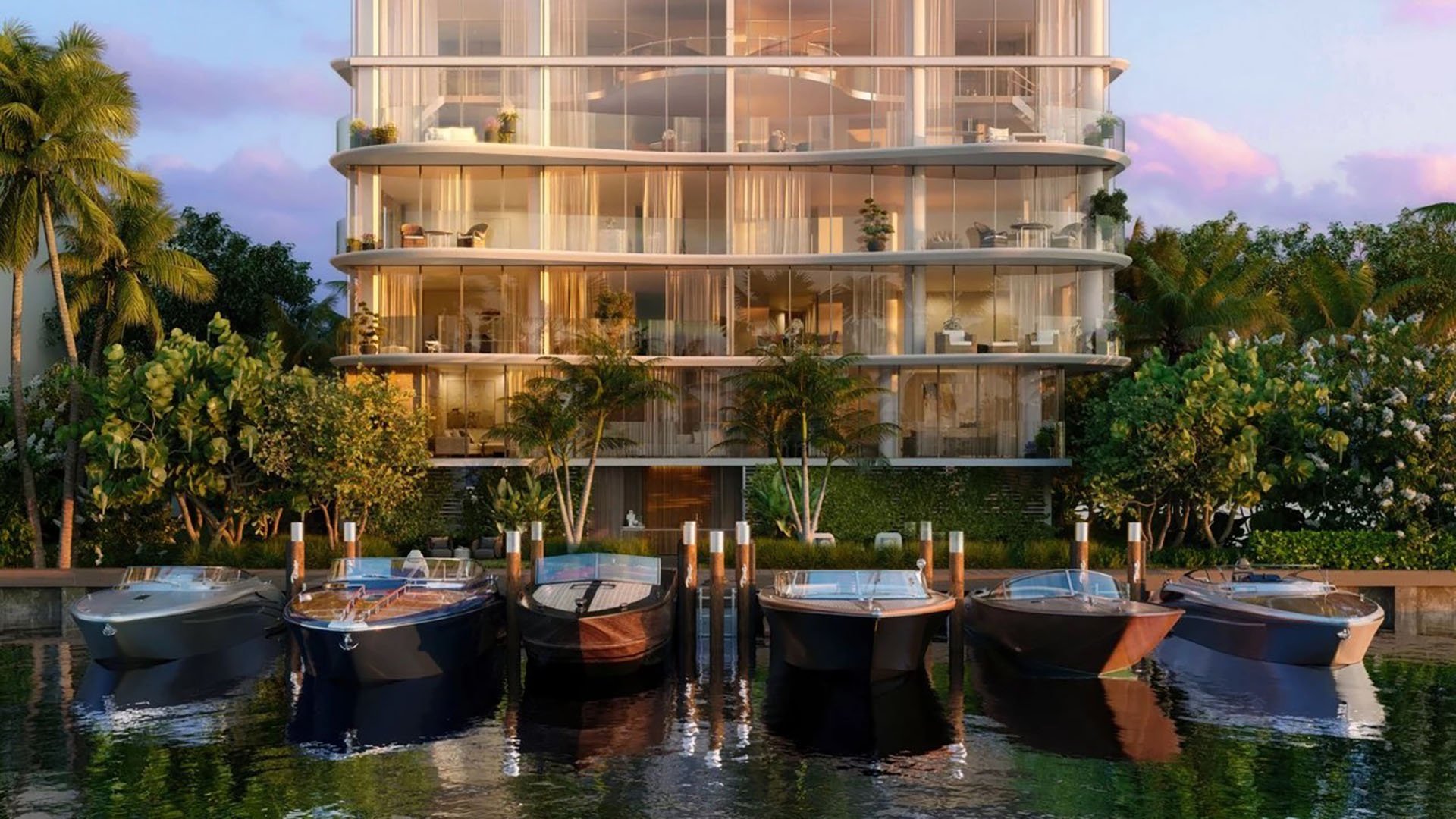
In the ultra-prime market, privacy is not simply about gates or concierge desks. It is about physical separation, lower density, and a home that allows owners to control their own rhythm. Standalone waterfront estates, deeper setbacks, private docks, and larger lots provide a form of seclusion that is difficult to replicate in more vertical settings, however refined those buildings may be.
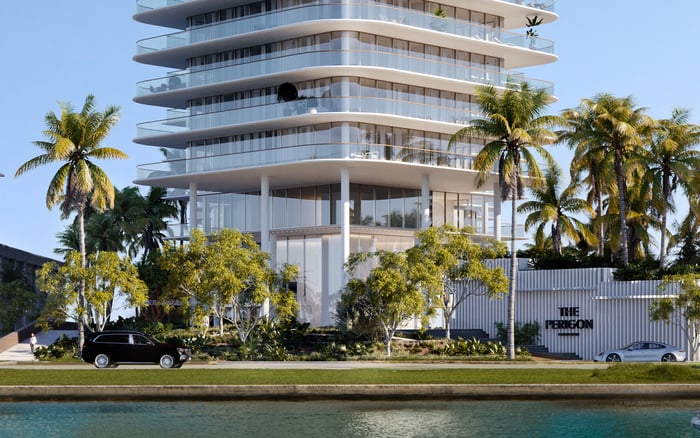
That helps explain why some buyers still admire the best of Miami Beach while choosing to live in calmer environments. A residence such as The Perigon Miami Beach offers an extraordinary coastal lifestyle, but for a buyer focused on estate-scale quiet, a lower-density community can feel more aligned with daily life. The distinction is subtle but decisive: one offers curated glamour, the other offers ownership of atmosphere.
This preference is especially visible among buyers who are no longer treating South Florida as a seasonal outpost. Once the home must perform in every month, not just during the social season, tranquility often outranks proximity to a headline restaurant scene.
The geography of luxury living widened after remote-work flexibility became standard for executives, founders, investors, and family offices. Affluent households can now remain deeply engaged in business while living farther from the most visible social hubs. That freedom has made quieter communities with fewer daily frictions newly practical.
Instead of optimizing for the shortest drive to a central office, many buyers are optimizing for quality of life between calls, meetings, and travel. Morning waterfront walks, club-based social life, boating access, and quieter streets have become part of the value proposition.
The same logic is shaping interest across South Florida submarkets that blend discretion with connectivity. Buyers who want a calmer profile than Miami Beach often look to Bay Harbor Islands and Coconut Grove, where projects like The Well Bay Harbor Islands and Vita at Grove Isle reflect demand for wellness, privacy, and a quieter waterfront sensibility.
Quieter communities are not cheaper substitutes. In many cases, they are expensive precisely because they are difficult to reproduce. Islands and waterfront locations have limited developable land, and local constraints can further limit future inventory. That scarcity matters at the top end, where buyers are often competing for a very narrow set of trophy homes.
This is one reason quieter enclaves appeal to wealth-preservation buyers. The investment thesis is less about momentum and more about irreplaceability. A buyer is not simply purchasing square footage. They are securing a position in a market where future supply is structurally limited.
Many ultra-prime buyers are entering a life stage in which the ideal luxury routine centers on wellness, club life, family, and ease. Beaches, boating, outdoor recreation, and a more predictable daily cadence can feel more compelling than nightlife-driven entertainment. This is particularly true for households using the home as a primary residence rather than a social-season pied-à-terre.
That preference for quiet prestige is also visible farther north along the coast. For some buyers who still want polish, service, and a branded residential experience without Miami Beach intensity, projects such as Alba West Palm Beach and The Ritz-Carlton Residences® West Palm Beach suggest how luxury demand is broadening into markets built around daily livability.
Another underappreciated force is estate planning. Ultra-prime households increasingly want homes that can accommodate adult children, grandchildren, staff, guests, and extended family stays. That requirement favors larger homes, flexible layouts, generous outdoor living, and, in some cases, dockage or room for future customization.
Lower-density waterfront communities lend themselves naturally to that format. A residence can function as both a home and a long-horizon family asset. It can host holidays, support legacy planning, and remain useful across generations in a way many vertical residences cannot.
This does not diminish the appeal of highly serviced condominium living. It simply underscores a divergence in buyer intent. One household may choose turnkey simplicity in Miami Beach. Another may prefer a quieter setting because it better suits family governance, legacy use, and the desire to control the built environment over time.
Coastal buyers are paying closer attention to long-term resilience, exposure, and the practical realities of renovation or rebuilding. In that environment, predictable zoning and permitting can become a genuine luxury.
For buyers planning a custom build or major renovation, the ease of working within a local framework carries real weight. When combined with lower density and more residential end-user demand, that can make some quieter South Florida communities feel steadier, even if they are less visible.
None of this suggests Miami Beach has lost its place. It remains one of the defining luxury markets in the region, with enduring visibility and cachet. Projects such as The Ritz-Carlton Residences® South Beach continue to represent a level of service, design, and social relevance that many buyers still want.
But in today’s ultra-prime landscape, affluent households have more than one way to express status. Increasingly, confidence looks quieter. It appears in a lower-density setting, a residence designed for family continuity, and a life calibrated around privacy rather than recognition.
Are ultra-prime buyers leaving Miami Beach altogether? No. Many still value Miami Beach, but some prefer quieter South Florida communities for full-time living.
Why are quieter island and waterfront communities gaining attention? Buyers increasingly prioritize privacy, lower density, and a more residential day-to-day lifestyle.
Is remote work part of this shift? Yes. Flexible work makes it easier for affluent households to live in calmer enclaves without giving up business connectivity.
What makes these communities feel especially exclusive? Limited land, restricted inventory, and a small number of truly prime waterfront homes create scarcity.
Are quieter communities simply lower-cost alternatives to Miami Beach? No. In the ultra-prime tier, quieter settings can command strong pricing because they are hard to replicate.
Which South Florida areas reflect this preference for discretion? Buyers often look at places such as Fisher Island, Bay Harbor Islands, Coconut Grove, and select Palm Beach County waterfront markets.
Why does privacy matter so much at this level? Many buyers want greater control over their surroundings, quieter streets, and a home that supports daily ease.
How does multigenerational planning influence demand? Families often favor residences that can host extended stays and serve as long-term legacy assets.
Does this reduce the appeal of luxury condominiums? Not at all. It simply highlights that some buyers prefer turnkey service while others prioritize lower-density living.
What does this trend say about South Florida luxury today? It suggests the market has matured, with demand spanning both headline addresses and more discreet residential enclaves.
For a tailored shortlist and next-step guidance, connect with MILLION.
If branded residences are on your mind — as a home or as an allocation — we would be glad to share what we are seeing, privately.
Begin a quiet conversation