In South Florida’s branded-residence market, concierge is often treated as a shorthand for effortless living. Sophisticated buyers know better. The meaningful distinction is not the logo over the porte cochere, but the depth of the people, systems, standards, and local relationships delivering the service every day.
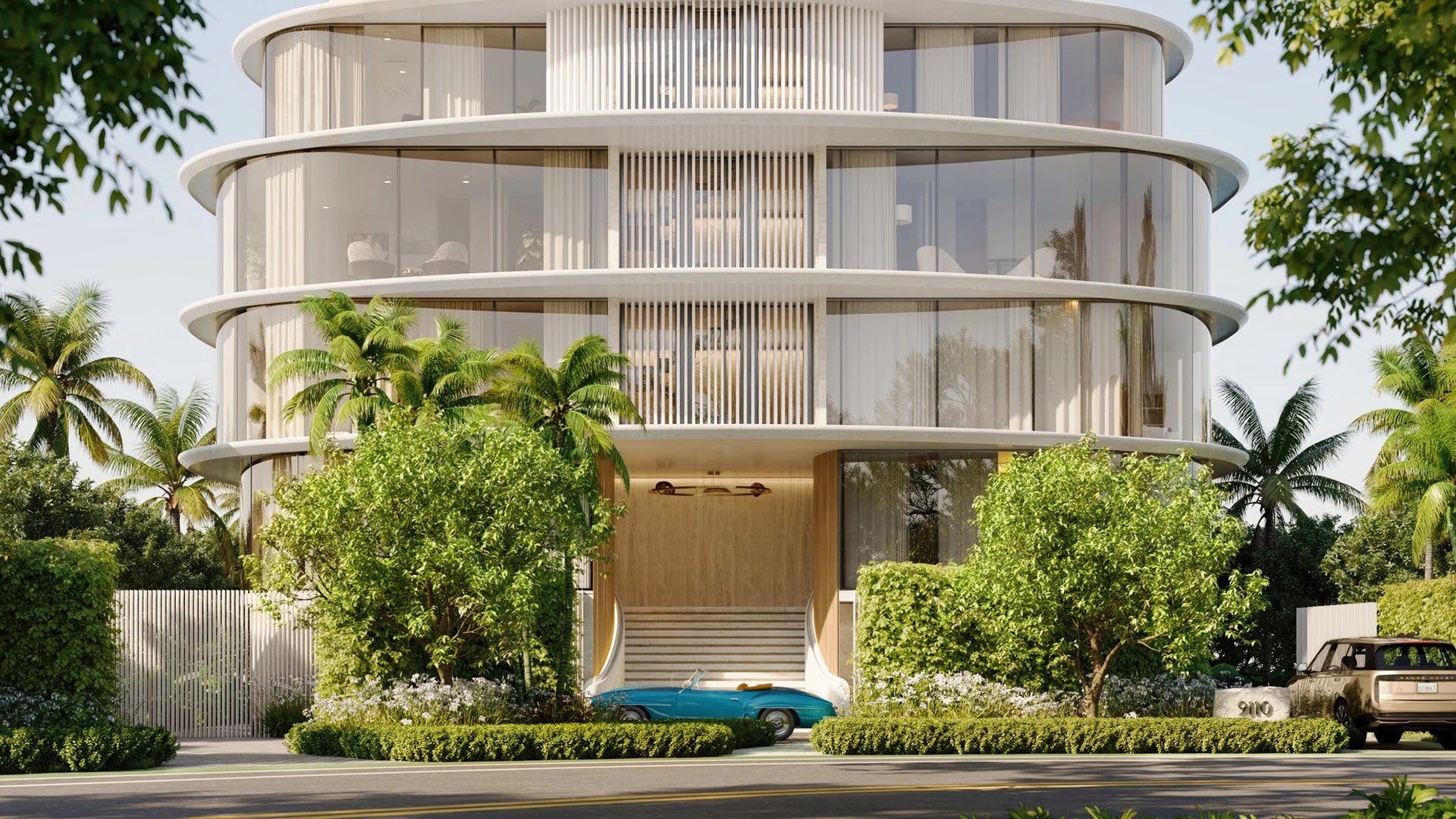
In South Florida, branded residences have taught buyers to expect polish on arrival and convenience on demand. Yet concierge remains one of the most misunderstood lines in a sales presentation. The phrase can describe anything from a highly trained in-house team with real discretion and local reach to a pleasant front desk backed by a phone tree.
That gap matters. In markets such as Brickell, Miami Beach, Sunny Isles, and Palm Beach, buyers are not simply purchasing a residence. They are buying into a daily standard of living. At properties that trade on service, the real question is not whether concierge exists, but how deep it runs.
This is particularly relevant when comparing highly branded environments such as St. Regis® Residences Brickell, The Ritz-Carlton Residences® Sunny Isles, The Surf Club Four Seasons Surfside, or Waldorf Astoria Residences Downtown Miami. Each may project a familiar promise, but buyers should still examine the operating reality inside the building rather than assume all branded service is interchangeable.
The first question is deceptively simple: how many concierge professionals are physically on site, and when?
A branded service name can create the impression of depth even when staffing is lean. Buyers should ask for actual headcount, shift structure, and whether coverage changes overnight, on weekends, or during peak winter occupancy. A building that presents concierge as a signature amenity may still rely on reduced after-hours staffing or a model in which late-night requests are routed elsewhere.
That leads to a more precise follow-up: what does 24/7 really mean here? In some residences, overnight calls are handled by an off-site call center rather than an on-property team with direct visibility into residents, guests, and building operations. For an owner who expects immediate restaurant access, transport coordination, or support during a travel disruption, that distinction is material.
In seasonal markets like Miami Beach and Palm Beach, staffing elasticity matters just as much as baseline coverage. Winter residents, visiting family, and a fuller social calendar can all strain concierge bandwidth. A serious team should be able to explain how it scales during high-demand periods without compromising response quality.
Luxury service has a professional grammar. Buyers should ask who is actually sitting behind the desk and what kind of training shaped their instincts.
A concierge team with formal luxury hospitality backgrounds often operates differently from a purely property-management-oriented staff. The former is more likely to anticipate needs, remember personal preferences, and handle complex lifestyle requests with composure. The latter may be perfectly capable, but often in a narrower, more transactional way.
It is also reasonable to ask whether any team members hold professional concierge credentials or affiliations. Membership standards and continuing professional development can signal seriousness, especially when a building markets service as a differentiator. The same applies to local professional involvement and whether the staff maintain disciplined service standards rather than relying on personality alone.
For internationally minded buyers in Aventura, Bal Harbour, or Surfside, language capability deserves equal scrutiny. Multilingual service should mean more than finding someone who can assist occasionally. Ask which languages are staffed every day, on which shifts, and whether the building can support routine resident communication in those languages without improvisation.
Many residences advertise concierge, but the scope of service can be surprisingly narrow. Some teams are built for simple reservations, tickets, and package handling. Others extend into lifestyle management, including wellness bookings, dining strategy, travel coordination, personal shopping, household referrals, and event support.
Buyers should define the boundaries before purchase. Does the team simply pass along third-party contacts, or will it actively coordinate an outcome? Can it arrange a seamless sequence involving transportation, housekeeping access, a guest arrival, and a private dinner reservation? Will it help manage adjacent needs, or does policy limit the team to a small set of administrative tasks?
This is where certain wellness-forward or hospitality-forward concepts raise useful questions. At The Well Bay Harbor Islands, for example, a buyer would be wise to ask how wellness-related requests integrate with the broader resident service framework. At Four Seasons Hotel & Private Residences Fort Lauderdale, the more important issue is not the familiarity of the name, but how deeply the residential concierge function is structured day to day.
A polished concierge interaction can mask weak infrastructure. Sophisticated buyers should ask what technology sits behind the service.
The strongest teams use a modern platform to log requests, track follow-through, share notes across shifts, and preserve resident preferences over time. Without that backbone, service becomes personality-dependent. One excellent concierge may know that an owner prefers a particular driver, a specific table style, almond milk in the residence, and text rather than email. If that knowledge is not captured institutionally, service quality resets every time staffing changes.
Preference tracking is one of the clearest signs of depth. A serious operation should be able to retain details such as dietary restrictions, favored vendors, communication preferences, and recurring household rhythms. The point is not surveillance. It is continuity.
Integration also separates a true concierge program from an isolated desk. Buyers should ask how the concierge team coordinates with housekeeping, maintenance, security, valet, and management. If a request requires building access, vendor entry, delivery timing, and follow-up, the resident should not have to stitch those departments together personally.
The most useful buyer conversations are not abstract. They are scenario-based.
Ask the team to walk through a difficult real-world request: a last-minute dining reservation for eight during high season, an airport transfer change after a flight cancellation, or a same-day in-residence setup for arriving guests. Their answer will reveal whether they have local relationships, clear protocols, and enough internal authority to execute under pressure.
Vendor depth is especially revealing. Strong concierge teams do not rely solely on generic booking tools. They cultivate local relationships that can unlock harder reservations, trusted referrals, and faster solutions when standard channels fall short.
It is also fair to request written expectations. What is the target response time for routine requests? How are urgent issues escalated? How are complaints resolved? How does management measure satisfaction and completion rates? A building that cannot articulate service standards is asking buyers to purchase a promise without an operating framework.
Finally, do not assume longevity equals excellence. Even established buildings should be asked when the concierge program was last reviewed, redesigned, or benchmarked against competing residences. In this tier of the market, service should evolve as quickly as buyer expectations.
Before signing, a buyer should be able to answer a short list of practical questions. How many people are on site per shift? Is overnight coverage truly on property? What hospitality training do team members bring? Which languages are consistently staffed? What services are included, excluded, or referred out? What software tracks requests and preferences? How does concierge coordinate with operations? What response times are committed in writing? How is success measured? And what happens during January, February, and major event weeks when demand spikes?
HOA cost can correlate with service depth, but fees alone prove very little. In the branded world, the elegant mistake is assuming a famous name automatically guarantees deep execution. The more disciplined approach is to audit the machinery behind the lifestyle.
What is the first concierge question a buyer should ask? Ask for actual on-site headcount and shift coverage, including nights and weekends.
Does 24/7 concierge always mean a team is in the building all night? No. In some residences, after-hours requests may be routed off site rather than handled by an on-property team.
Why do staff credentials matter so much? Training and professional standards often shape whether service feels anticipatory or merely administrative.
Should buyers ask about language coverage? Yes. Daily staffed languages are more meaningful than occasional ad hoc assistance.
What services should a luxury concierge be able to handle? Beyond reservations, stronger teams may coordinate travel, wellness, shopping, guest logistics, and household support.
How can a buyer test concierge quality before closing? Use real scenarios and ask the team to explain exactly how they would execute them.
Why is software relevant to concierge service? Good systems preserve preferences, track requests, and help maintain continuity across shifts and personnel.
How does concierge integration affect the resident experience? Integrated teams coordinate with management, maintenance, valet, and housekeeping, which can reduce friction.
Do higher HOA fees guarantee better concierge service? No. Fees may support service depth, but staffing, systems, and scope are better indicators.
What is the biggest mistake buyers make with branded residences? Assuming the brand promise and the daily operating reality are automatically the same.
When you're ready to tour or underwrite the options, connect with MILLION.
If branded residences are on your mind — as a home or as an allocation — we would be glad to share what we are seeing, privately.
Begin a quiet conversation