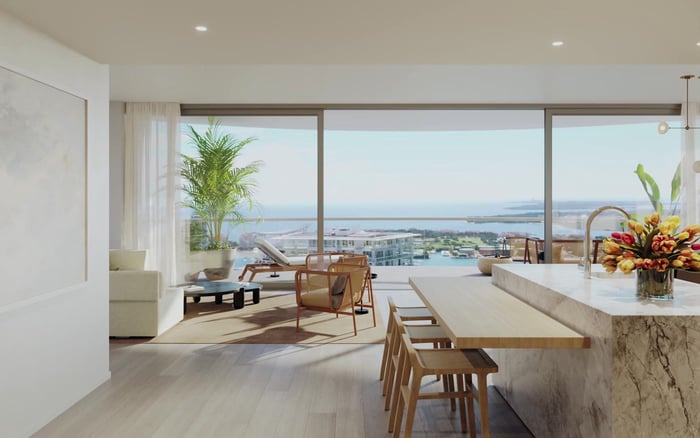
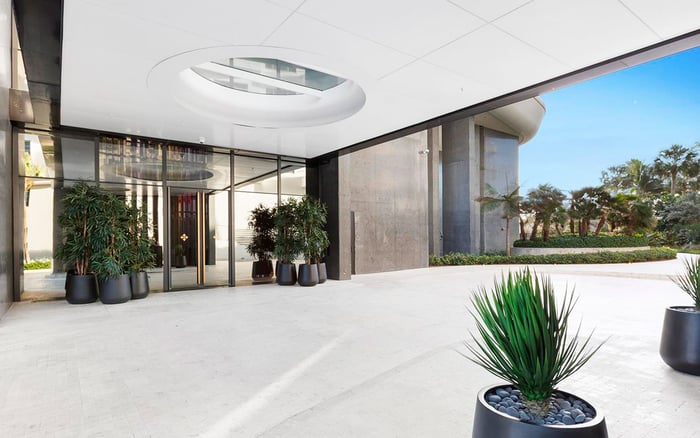
A buyer-focused guide to evaluating circadian-lighting readiness at Faena House Miami Beach before contract, from exposure and terraces to controls, blackout shades, and upgrade feasibility.
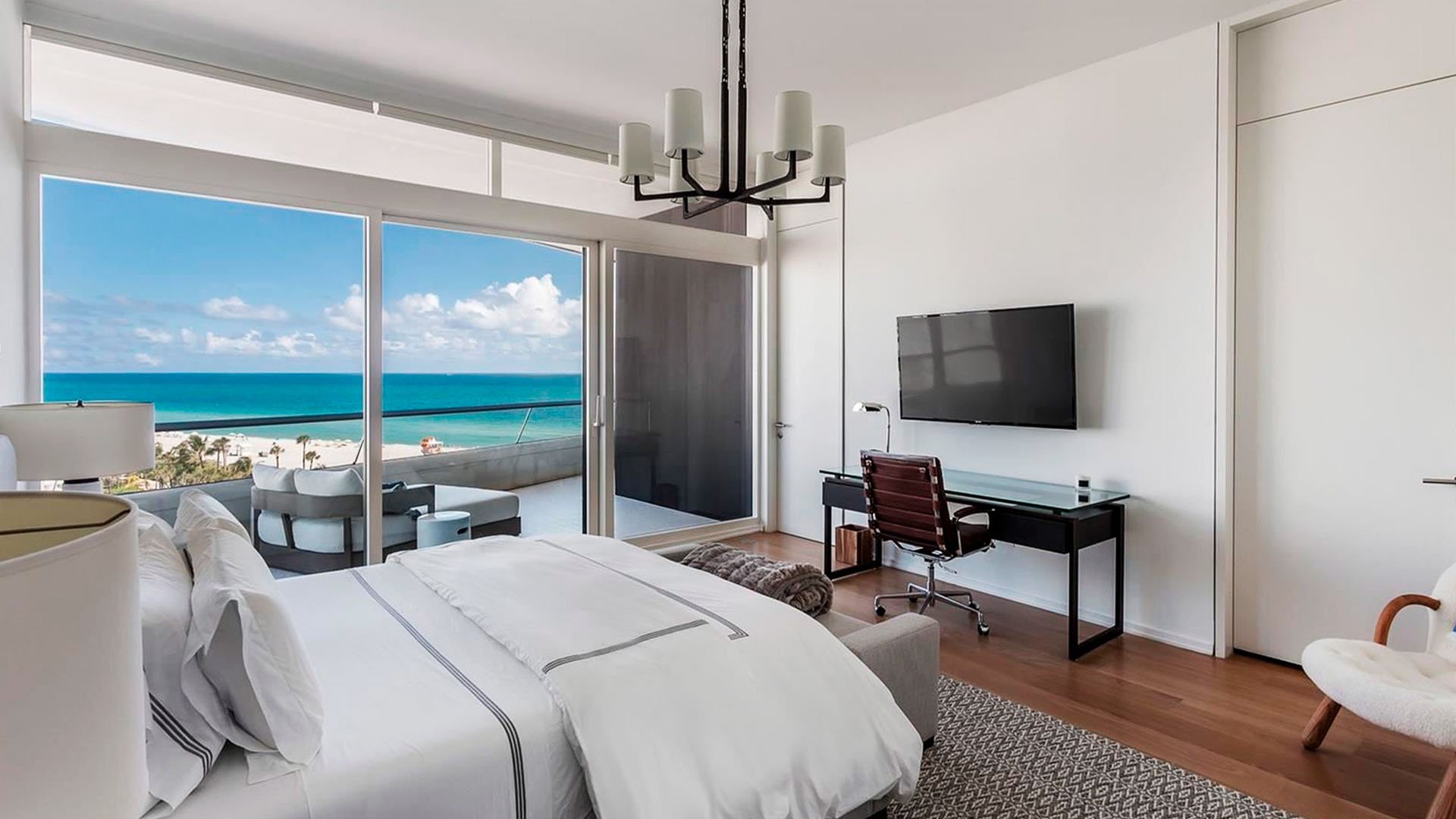
Faena House Miami Beach is best evaluated as a specific residence rather than as a general building name. Its appeal is closely tied to glass, light, air, and terrace living. Those same qualities make circadian-lighting readiness a nuanced pre-contract question, not a simple yes-or-no feature.
For a discerning buyer, the issue is not merely whether the residence feels bright. It is whether a specific home can support a refined daily lighting rhythm: generous, controllable daytime brightness; comfortable morning exposure where it matters; low-glare evening scenes; and credible darkness in sleeping areas. That evaluation belongs beside mechanical systems, views, finishes, and association rules.
In a Miami Beach resale setting, especially in a residence with a strong design identity, the most valuable diligence often happens before signatures are final. Lighting can be upgraded, but not every upgrade is equally simple, invisible, or permissible.
Faena House Miami Beach should be assessed residence by residence. Orientation, floor level, terrace geometry, bedroom placement, and interior build-out can materially change how light performs inside the home. Two residences in the same condominium can have very different daylight behavior, especially when floor-to-ceiling glass and terrace living are part of the architectural language.
Begin with the basic sun story. East-facing exposure may be advantageous for morning light, particularly where principal rooms and bedroom suites receive early daylight. Yet the buyer should verify the specific line, the depth and overhang of the terrace, nearby obstructions, and the primary suite’s actual position within the plan. Morning light in a living room is not the same as morning light where the owner wakes.
West-facing or mixed-exposure residences require a different analysis. They may deliver dramatic afternoon brightness, but that can also introduce glare, heat, and the need for stronger controls. A residence can be luminous yet poorly controlled, which is not the same as being circadian-ready.
Floor-to-ceiling glass is central to any lighting review at Faena House Miami Beach. It can amplify daylight access and frame views, but it also affects glare, heat gain, privacy, and blackout strategy. In high-design residences, the glass wall is often the most important lighting feature in the home, long before a fixture is switched on.
The terraces deserve equal attention. They may soften direct sun, create shadow lines, and influence how deeply daylight penetrates the interior. A deeper terrace can be a luxury for outdoor living while reducing certain angles of direct light. A shallower condition may admit more intensity, but it can also increase glare if not managed.
High floors may offer broader sky exposure and fewer immediate obstructions, but they are not automatically superior for circadian readiness. The buyer still needs to walk the home at relevant times of day, understand bedroom orientation, and observe whether reflective surfaces, neighboring forms, or terrace geometry create discomfort.
A polished interior may look finished while still being underprepared for circadian-sensitive living. Before contract, review the existing lighting fixtures, dimming systems, control panels, wiring paths, and scene-setting capacity. The question is not simply whether the residence has dimmers. It is whether the system can create a daytime environment that feels bright and alert, then transition to warm, low-glare evening scenes without visual harshness.
A lighting designer and smart-home integrator should examine whether current fixtures are tunable or fixed, whether controls are centralized or fragmented, and whether future upgrades can be installed cleanly. An electrician can advise whether wiring routes, ceiling conditions, and panel capacity support the desired approach. An architect or interior designer can help determine whether fixture placement aligns with how the residence is actually used.
The best outcome is a layered plan: daylight by day, architectural light for balance, task light where needed, and gentle evening scenes that avoid bright points at eye level. In a large-format Miami Beach residence, this often requires more than decorative fixtures. It requires orchestration.
Circadian readiness is not only about morning light. It is also about evening darkness and nighttime control. Buyers should examine shade pockets, existing window-treatment hardware, blackout-shade capability, and whether bedrooms can become reliably dark without compromising the home’s aesthetic integrity.
This is especially important in residences with expansive glass. Even when views are magnificent, sleeping rooms need a different standard from entertaining rooms. A window-treatment specialist should verify whether blackout solutions can be integrated into existing pockets, whether side gaps can be minimized, and whether any exterior-visible treatments are subject to association review.
Balcony and terrace doors require close inspection as well. Large openings and unusual conditions can complicate blackout performance. A beautiful shade system that leaves persistent light leakage may be insufficient for buyers who prioritize sleep quality and evening calm.
Before assuming any retrofit is easy, buyers should review condominium association limits. New wiring, ceiling work, shade systems, exterior-visible treatments, control panels, and glazing-related changes may be restricted or require approval. The more architecturally consistent the residence, the more carefully alterations should be vetted.
A real-estate attorney should review relevant documents, and the buyer’s design team should identify which desired improvements are cosmetic, which are electrical, and which could affect common elements or exterior appearance. This step is particularly important when a residence appears nearly perfect but requires hidden infrastructure changes to meet the buyer’s preferred lighting standard.
The most circadian-ready Faena House Miami Beach residence will combine strong controllable daylight, feasible electrical and control upgrades, reliable blackout capability, low-glare evening scenes, and a plan that respects the condominium setting.
A serious buyer should schedule at least one showing when the residence’s light conditions can be observed meaningfully. During that visit, stand where daily life actually happens: at the primary bed, the breakfast area, the desk, the bath vanity, the kitchen island, and the principal seating areas. Look for glare at eye level, not just brightness on floors and walls.
Ask whether existing dimmers operate smoothly, whether lighting scenes are intuitive, and whether the system can be expanded. Inspect ceiling conditions for access, review the location of control panels, and note any fixtures that produce sparkle, glare, or uneven color. In bedrooms, test shade closure and look for light leaks along sides, headers, and door conditions.
Finally, translate every observation into contract diligence. If upgrades are central to the purchase decision, understand cost, timeline, approvals, and feasibility before contingency periods expire. The right residence should not merely photograph well at golden hour. It should support the buyer’s private rhythm from morning to midnight.
Is Faena House Miami Beach automatically circadian-ready? No. Its glass, terraces, and Miami Beach setting create strong potential, but readiness must be evaluated residence by residence.
Why does orientation matter so much? Orientation influences when and how daylight enters the home, including morning brightness, afternoon glare, and bedroom comfort.
Is east-facing exposure always best? Not always. East-facing exposure may help with morning light, but the specific line, terrace depth, and room placement still matter.
What should buyers inspect first during a showing? Start with daylight behavior at eye level in bedrooms, living areas, work zones, and the kitchen, then test shades and dimming controls.
Do terraces help or hurt circadian lighting? They can do both. Terraces may shade interiors and reduce glare, but they can also limit deeper daylight penetration depending on geometry.
Can artificial lighting compensate for weak daylight? It can improve the environment, but buyers should verify fixtures, dimming, controls, wiring paths, and upgrade feasibility before contract.
Why are blackout shades so important? A circadian-ready home needs evening and nighttime control, especially in bedrooms with expansive floor-to-ceiling glass.
Who should be on the buyer’s lighting diligence team? Consider a lighting designer, smart-home integrator, electrician, architect or interior designer, window-treatment specialist, and attorney.
Can buyers freely change glazing or visible shades? Not necessarily. Association rules may limit exterior-visible treatments, glazing changes, ceiling work, wiring, or shade installations.
What is the strongest sign of a circadian-ready residence? The best sign is balanced controllability: useful daylight by day, low-glare evenings, reliable blackout, and feasible system upgrades.
For a confidential assessment and a building-by-building shortlist, connect with MILLION.
If branded residences are on your mind — as a home or as an allocation — we would be glad to share what we are seeing, privately.
Begin a quiet conversation