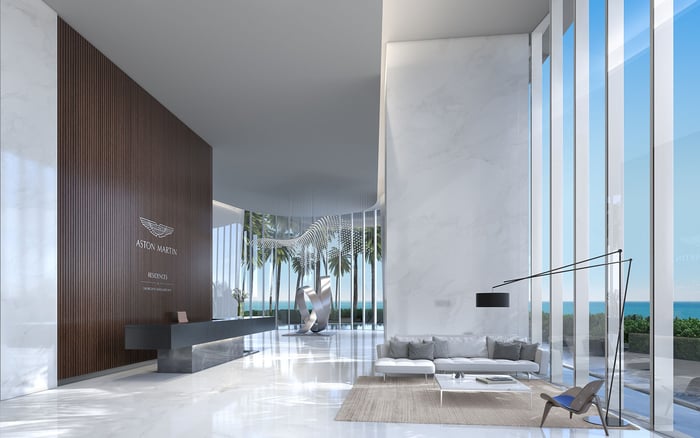
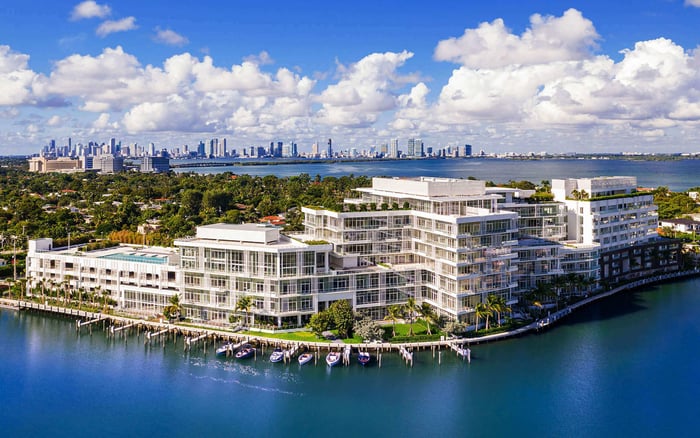
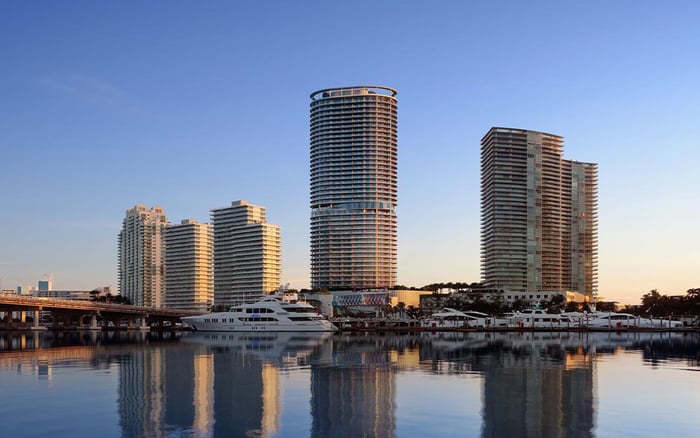
For luxury buyers with more than one pet, flood-zone exposure is not an abstract map layer. It affects daily routines, emergency planning, building access, insurance conversations, and the long-term livability of a South Florida residence.
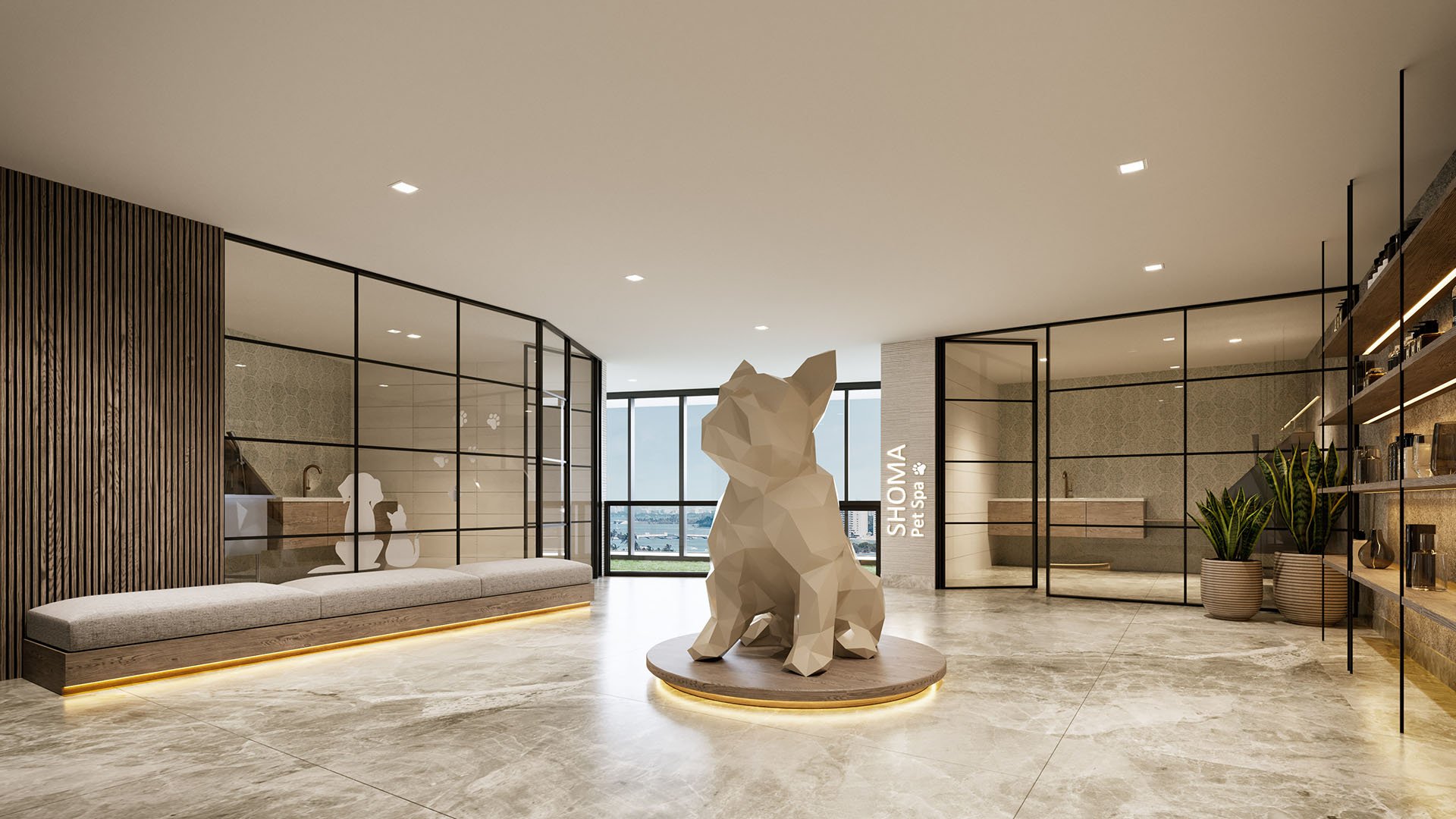
South Florida buyers often weigh water views, terrace depth, building pedigree, wellness amenities, and arrival experience before studying flood-zone exposure. For households with multiple animals, that sequence deserves closer scrutiny. A residence may feel effortless on a blue-sky day, yet become far more complicated when heavy rain, tidal conditions, garage access, elevator service, or street drainage interrupts the normal routine.
This is especially true for buyers with two dogs, senior pets, large breeds, indoor cats, birds, or animals on medication schedules. The question is not simply whether a home is near water. It is whether the home, building, neighborhood, and route network still function gracefully when conditions are less than ideal.
In the luxury market, flood exposure belongs within lifestyle due diligence. It should sit beside association rules, private elevator access, service staffing, valet protocol, generator planning, storage, insurance conversations, and the practical movement of animals through a building. For buyers with pets, the most elegant address is the one that remains manageable when logistics are tested.
Flood-zone exposure can shape more than a closing file. It may influence how often you think about storm preparation, where pet supplies are stored, how quickly animals can be moved, and whether daily walks depend on low-lying streets or garage ramps.
A single small dog can be carried through a lobby with relative ease. Three animals are different. A senior Labrador, two carriers, a medication bag, leashes, records, food, bedding, and an anxious cat create a very different mobility scenario. Buyers should think in sequences: leaving the unit, reaching the elevator, crossing the lobby, accessing the garage, exiting the property, and reaching a reliable road.
The point is not fear. It is design intelligence. Some residences offer a calm vertical routine, covered drop-off areas, clear service circulation, and layouts that make pet management easier. Others may have beautiful finishes yet introduce friction at every step. Before signing, buyers should understand whether flood exposure creates manageable complexity or recurring inconvenience.
In Brickell, the appeal of vertical living is clear: views, services, dining, offices, and a polished urban cadence. Buildings such as Una Residences Brickell speak to buyers who want waterfront presence with condominium ease. Yet even in a full-service tower environment, pet-owning buyers should ask precise questions about flood preparation and access continuity.
Where are resident vehicles parked? How does the building manage lobby access during severe weather? Are pet relief areas reachable without depending on an exposed route? Are service elevators available when staff are handling building operations? If a buyer has multiple animals, the answers matter as much as the view corridor.
Waterfront living is one of South Florida’s defining luxuries, but it should be paired with practical awareness. A tower can elevate the residence itself, while the resident still depends on street-level systems, garage entries, loading areas, and nearby sidewalks. Sophisticated buyers separate the romance of the bay from the mechanics of daily life.
In Miami Beach, pet ownership is often woven into the rhythm of morning walks, beach proximity, shaded streets, and terrace living. A residence such as The Perigon Miami Beach may attract buyers who prize design, privacy, and coastal access. For a multi-pet household, however, the surrounding pedestrian experience deserves equal attention.
A buyer should visit during different weather conditions when possible, not only during a perfect showing window. How does the neighborhood feel after rain? Are walking routes comfortable for older dogs? Is there enough covered transition from car to lobby? Does the building’s pet policy address weight, number of animals, elevator etiquette, and common-area expectations?
The more pets a household has, the less room there is for improvisation. A flood-prone route that is tolerable once a year for a single owner may be burdensome for someone managing several animals multiple times a day. In a luxury context, convenience is not an amenity brochure. It is the absence of recurring friction.
Fort Lauderdale has long appealed to buyers who want boating culture, water adjacency, and a softer residential rhythm than Miami’s densest corridors. For pet owners, that lifestyle can be exceptionally attractive, provided the access plan is clear. At St. Regis® Residences Bahia Mar Fort Lauderdale, the broader appeal of a coastal setting should be evaluated alongside the buyer’s real movement patterns.
Ask how you would move animals if valet operations are delayed, if a preferred street is temporarily difficult, or if a pet needs urgent care during unsettled weather. Identify more than one route to veterinary care, boarding, family, or a second residence. Consider whether your pets are calm in elevators, carriers, or cars during long waits.
This is where affluent buyers can use their advantage. They can plan early, request documents, consult advisers, and make decisions before emotion takes over. The right residence should feel serene not because risk is ignored, but because the buyer has already understood it.
Boca Raton often enters the conversation for buyers who want a more residential atmosphere, access to established services, and a different sense of pace. Properties such as Alina Residences Boca Raton may appeal to owners who want refined living without the intensity of Miami’s vertical core.
Still, lower density does not eliminate flood-zone questions. Single-level living, townhome-style access, garden areas, garage placement, and street drainage can all shape the experience of owning several pets. Buyers should consider whether a home allows animals to be cared for indoors during severe weather, whether supplies can be stored above vulnerable areas, and whether the property has logical access if one route is unavailable.
For many pet owners, the best answer is not always the highest floor or the farthest inland address. It is the property where building design, location, management, and personal routine align.
Before contract, multi-pet buyers should create a short, serious checklist. Request flood-related property information through the appropriate transaction channels. Review insurance implications with qualified professionals. Understand association rules for the number, size, and type of pets. Ask about generators, elevator protocols, garage access, service entrances, pet relief areas, and emergency communications.
Then walk the property as you actually live. Picture the leashes, carriers, food, medication, towels, cleaning supplies, crates, and stress. If the residence requires too many assumptions to work well, pause. In the luxury tier, a beautiful home should not demand operational gymnastics from its owner.
Flood-zone exposure is not a reason to dismiss South Florida’s coastal lifestyle. It is a reason to buy with sophistication. For households with multiple animals, the wisest purchase respects both the poetry of place and the discipline of preparation.
Should pet owners avoid flood zones entirely? Not necessarily. The goal is to understand exposure, building design, access, and your own pet-care logistics before committing.
Why does having multiple pets change the analysis? More animals mean more supplies, more movement, and less flexibility during weather disruptions. A manageable plan for one pet may not work for three.
What should I ask a condominium before buying? Ask about pet rules, emergency procedures, elevator protocols, garage access, relief areas, and resident communications during severe weather.
Are high floors automatically safer for pet owners? High floors may separate the residence from ground-level water, but owners still rely on elevators, lobbies, garages, and surrounding streets.
Should I review insurance before signing? Yes. Insurance conversations can affect carrying costs and comfort with a purchase, especially in areas with meaningful flood exposure.
How can I evaluate daily pet walks? Visit the area at different times and, when possible, after rain. Study sidewalks, crossings, shade, traffic, and covered transitions.
What matters most for senior pets? Elevator reliability, short walking routes, indoor comfort, easy vehicle access, and proximity to care are especially important.
Do pet policies vary by building? Yes. Buyers should confirm the number of pets, size limits, breed rules, fees, and common-area expectations before contract.
Is waterfront living impractical with pets? Not if the building and location support your routine. The key is matching the property’s logistics to the animals’ needs.
When should flood-zone due diligence begin? Begin before signing, not after inspection. Early review gives you time to compare options with a clear head.
For a confidential assessment and a building-by-building shortlist, connect with MILLION.
If branded residences are on your mind — as a home or as an allocation — we would be glad to share what we are seeing, privately.
Begin a quiet conversation