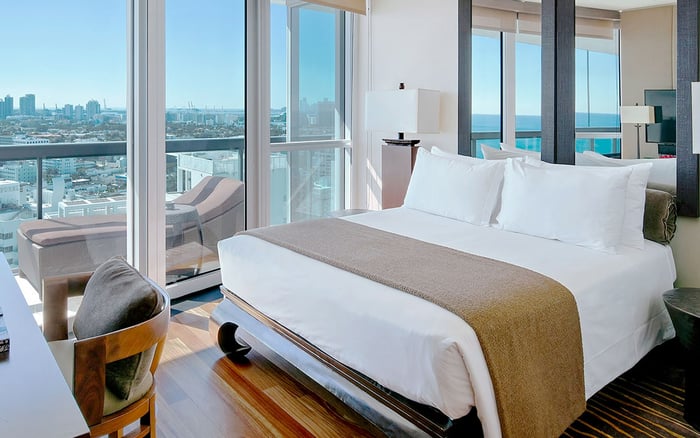
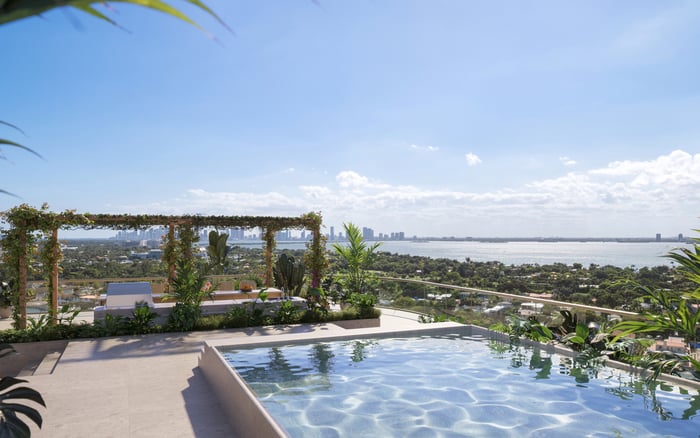
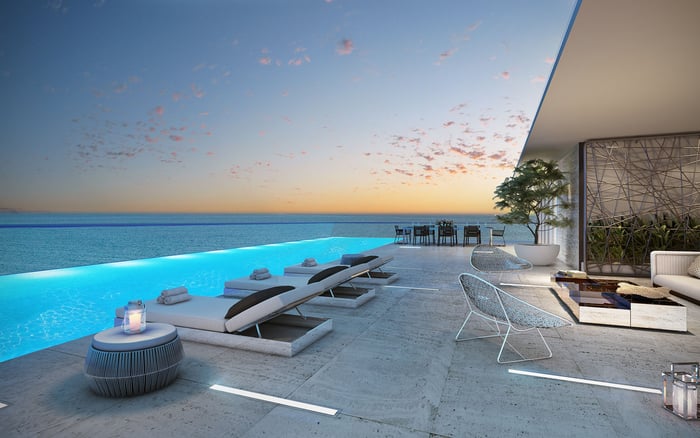
A refined buyer’s guide to evaluating South Florida condos through the lens of peak-season living, when privacy, access, amenities, views, and daily logistics matter most.
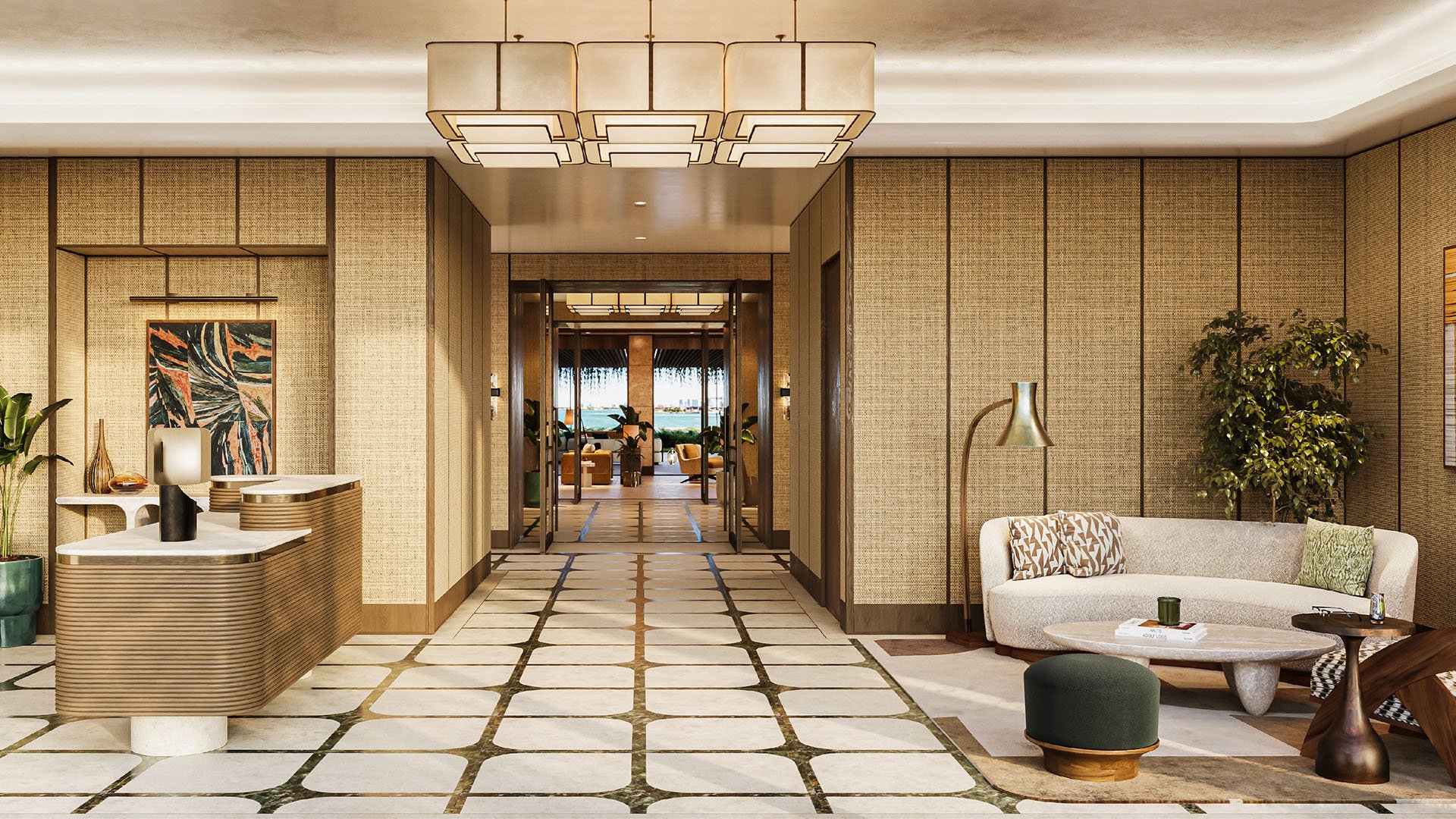
A South Florida condominium should not be judged only by a quiet weekday showing, a pristine model residence, or a sunset view from an empty terrace. The more revealing question is how the building feels when the social calendar is full, guests are arriving, restaurants are booked, beaches are active, and every service touchpoint is in motion at once.
Peak-season living is not simply about occupancy. It is about friction. The best residences preserve calm when the outside world becomes animated. They make arrivals feel effortless, entertaining feel natural, and privacy feel protected. For a luxury buyer, that distinction is not cosmetic. It shapes daily comfort, long-term satisfaction, and the way a home performs as both a personal retreat and a strategic real estate decision.
This is why every South Florida condo search should begin with the season in mind. A floor plan can be beautiful, a lobby can be sculptural, and an address can be prestigious. The true measure is how all of those elements work together when the property is being lived in at full intensity.
The first peak-season question is deceptively simple: how do you arrive home? In a market defined by waterfront dining, private events, family visits, and frequent travel, the sequence from curb to residence matters. Covered entry, valet choreography, guest registration, elevator access, package handling, and luggage movement all influence whether a building feels polished or strained.
In Brickell, where the rhythm is especially vertical and urban, buyers considering St. Regis® Residences Brickell should think carefully about the daily movement between car, lobby, amenity areas, and private residence. The question is not only whether the building is beautiful. It is whether the building can maintain discretion when residents, guests, drivers, deliveries, and staff all converge.
A composed arrival is one of the clearest signals of a high-functioning luxury address. It is also one of the easiest elements to underestimate before purchase.
Amenity decks often sell the dream, but peak season reveals whether they support real life. A pool that photographs beautifully may feel different when residents are hosting family. A fitness center becomes less compelling if its busiest hours overlap with your routine. Dining rooms, lounges, wellness suites, spa areas, and outdoor terraces should be evaluated as operating environments, not decorative features.
The most valuable amenity is the one you will actually use. For some buyers, that means a quiet morning swim. For others, it means a private dining room for friends, a place for children or grandchildren to gather, or a wellness program that reduces the need to leave the property. The more your lifestyle depends on seasonal use, the more important it becomes to understand how access, reservations, staffing, and guest policies are managed.
A luxury building should expand your life in season, not force you to negotiate for the parts of it you purchased.
South Florida is not a single lifestyle. Brickell, Miami Beach, Sunny Isles, West Palm Beach, Surfside, Coconut Grove, Fort Lauderdale, and Boca Raton each create different daily patterns. The right location depends less on abstract prestige and more on how you want to move when the region is at its busiest.
On Miami Beach, the decision often turns on how much you value sand, dining, cultural proximity, and the ability to host without overcomplicating the day. A buyer studying 57 Ocean Miami Beach may be drawn to beach-oriented living, while another looking at The Perigon Miami Beach may be weighing a different expression of Miami Beach refinement. In both cases, the central question is practical: does the address make peak-season life easier or merely more visible?
In Sunny Isles, buyers often focus on height, views, resort sensibility, and a more residential waterfront rhythm. Bentley Residences Sunny Isles belongs in that conversation for those comparing the area’s high-rise luxury profile. Yet even here, the most important questions remain personal: where will guests stay, how will the family gather, and how often will you want to leave the building once the season is in full motion?
A second-home is not judged the same way as a primary residence. It must be easy to enter, easy to enjoy, and easy to leave. That means storage matters. Maintenance protocols matter. Building communication matters. The ability to arrive late, host comfortably, and depart without anxiety is central to the ownership experience.
Peak-season living also changes the way a buyer should think about layout. A guest suite may be more valuable than a slightly larger formal room. A terrace may matter more than an oversized interior corridor. A flexible den may become a work space, media room, or overflow guest area depending on the week. The best second-home purchase anticipates these shifts before they become daily annoyances.
This is where restraint becomes powerful. The most successful seasonal residences are not necessarily the largest. They are the ones that understand repetition: morning coffee, beach bags, dinner guests, visiting family, quiet evenings, and quick departures.
An oceanfront residence carries emotional force, but the decision should still be disciplined. Views are only one part of the experience. Buyers should also consider terrace usability, exposure, sound, elevator travel, beach access, service routes, and how natural light changes the atmosphere throughout the day.
A dramatic view may win the first showing. A livable view wins the season. That difference matters when a residence is used for weeks or months rather than occasional weekends. The right orientation can make a terrace feel like an outdoor room, while the wrong exposure may limit how often it is used.
Not every buyer needs direct oceanfront living. Some prefer the cultural and dining access of an urban waterfront, the calmer texture of a bayfront address, or the refined neighborhood energy of West Palm Beach. For those comparing that axis of lifestyle, Alba West Palm Beach can sit within a broader discussion about how the Palm Beach area supports seasonal living beyond the beach itself.
Peak season brings people together, but it also tests boundaries. A luxury condominium should allow sociability by choice, not by default. Private elevator access, thoughtful corridor design, sound control, staff discretion, secure guest procedures, and well-separated amenity zones all contribute to the feeling of retreat.
This is especially important for buyers who entertain frequently. The ability to welcome guests graciously while preserving the private family zone is one of the great advantages of a well-planned condominium. It also matters for those who value anonymity. The best buildings understand that service should be present without being performative.
Privacy should be discussed before contract, not discovered after closing. Ask how guests are announced, how vendors are managed, how deliveries reach the residence, and how common spaces are monitored during busy periods.
A South Florida condo purchase should be tested against the most demanding version of the year. Imagine the residence when friends are visiting, the valet is busy, the pool is active, dinner plans are tight, and your family still expects the home to feel serene. If the property works then, it will likely feel even better during quieter months.
Peak-season thinking does not make a buyer less emotional. It makes the emotion more durable. It turns beauty into usability, views into daily pleasure, and amenities into genuine extensions of home. In the upper tier of the market, that is where value is often felt most clearly.
The right condo should not simply place you in South Florida. It should make South Florida feel effortless at the exact moment everyone else is trying to experience it too.
Why should peak season influence a condo purchase? Peak season reveals how a building handles privacy, arrivals, amenities, guests, and daily movement when demand on the property is highest.
Is peak-season thinking only relevant for second-home buyers? No. Primary residents also benefit from understanding how a building performs during its busiest social and service periods.
What should I look for first during a showing? Study the arrival sequence, elevator experience, staff presence, amenity access, and how naturally the floor plan supports guests.
Do amenities matter more during peak season? Yes. Amenities become part of everyday living rather than occasional conveniences, especially for hosting, wellness, and family use.
How important is location within South Florida? Location is critical because each area creates a different rhythm for dining, beach access, commuting, entertaining, and privacy.
Should I prioritize views or building services? Both matter, but services often determine how comfortable the residence feels over an extended stay.
What makes a condo better for entertaining? Look for gracious arrival, guest-friendly circulation, indoor-outdoor flow, acoustic privacy, and flexible spaces for different generations.
Is oceanfront always the best choice? Not always. Oceanfront can be extraordinary, but some buyers prefer bayfront, urban, or neighborhood settings for daily convenience.
How can I evaluate privacy before buying? Ask about guest procedures, elevator access, staff protocols, vendor management, corridor design, and amenity separation.
What is the simplest peak-season test? Imagine arriving with guests on a busy evening and ask whether the building would still feel calm, efficient, and discreet.
To compare the best-fit options with clarity, connect with MILLION.
If branded residences are on your mind — as a home or as an allocation — we would be glad to share what we are seeing, privately.
Begin a quiet conversation