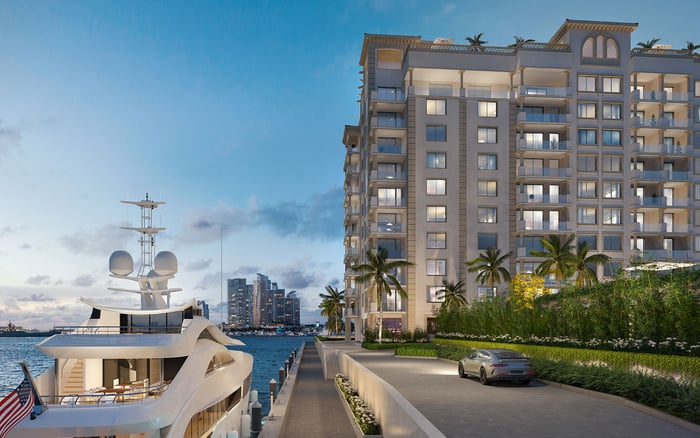
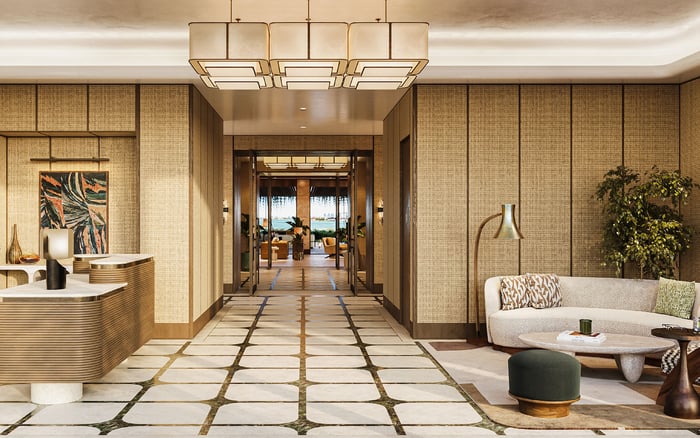
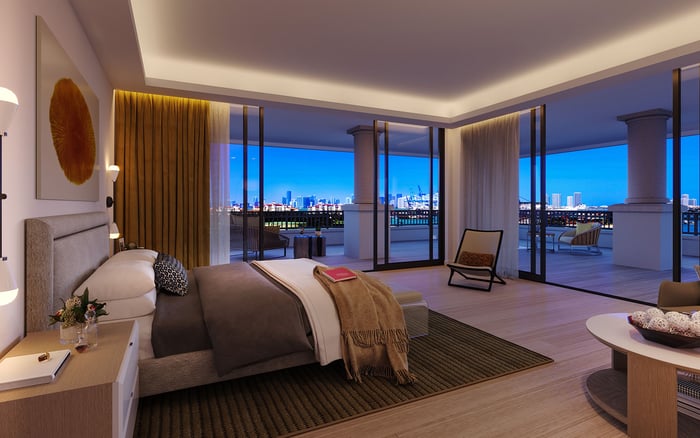
A discreet buyer-focused comparison of Palazzo del Sol and Palazzo della Luna on Fisher Island, treating service formality as an interpretive question rather than an unsupported operational claim.
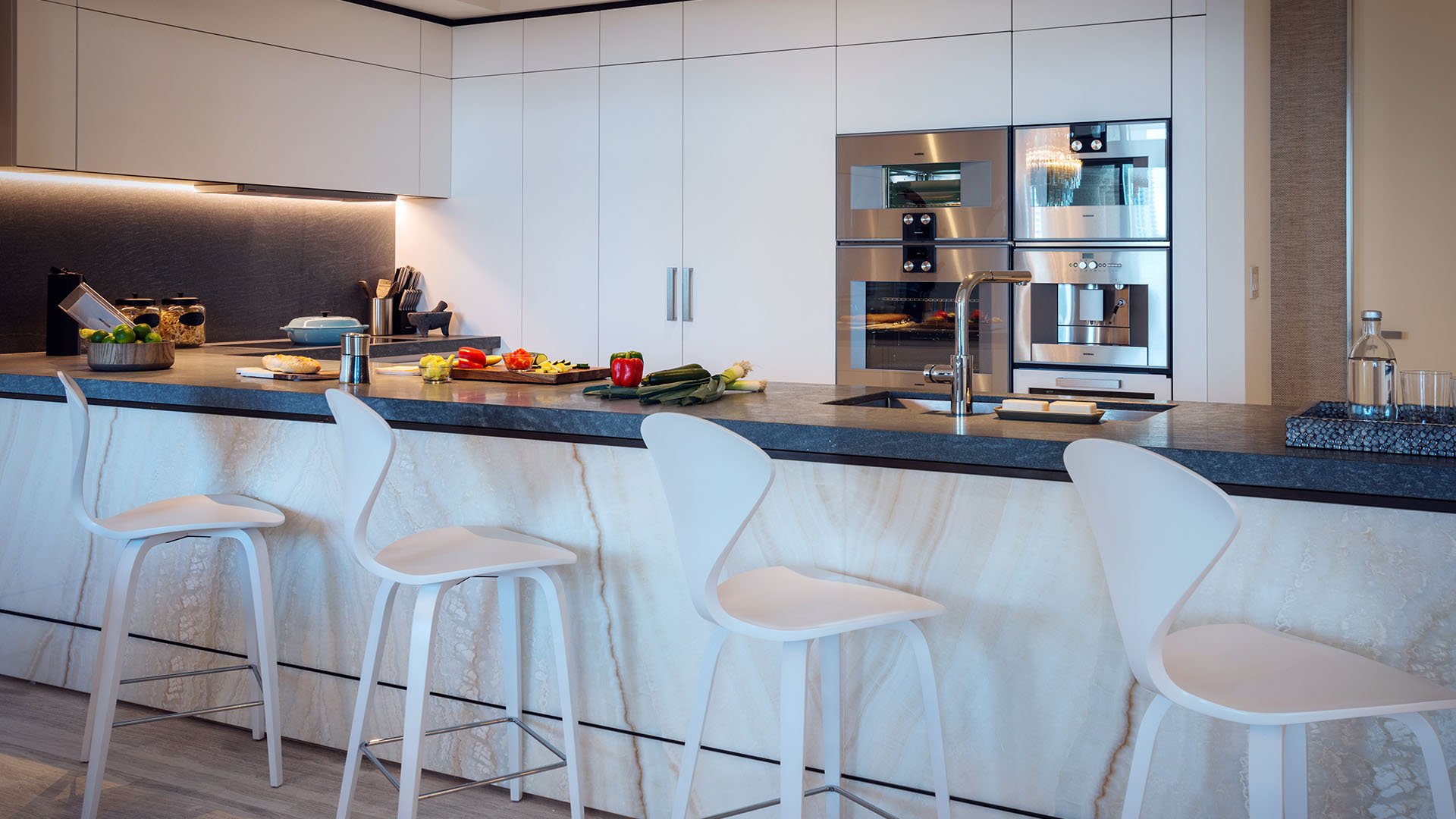
On Fisher Island, service is rarely a matter of spectacle. It is read in smaller signals: the choreography of arrival, the separation of public and private space, the cadence of staff presence, and whether daily life feels closer to club-like ceremony or quiet residential ease. That is what makes a comparison of Palazzo del Sol and Palazzo della Luna compelling for serious buyers, even as the idea of “two levels of formality” should remain a question rather than a verified conclusion.
Both properties belong to the rarefied Fisher Island conversation, where buyers often arrive with a sophisticated understanding of privacy, access, and discretion. Still, no buyer should assume that one building is categorically more formal than the other without confirming daily protocols, staffing model, and resident experience during due diligence. The more useful exercise is to study how each property presents itself, then ask sharper questions on tour.
For a buyer comparing Palazzo del Sol Fisher Island and Palazzo della Luna Fisher Island, the wider Fisher Island conversation may also include The Residences at Six Fisher Island and The Links Estates at Fisher Island, especially when the brief is a second-home rather than a full relocation.
Formality in a luxury condominium is not simply white-glove service or a polished lobby. It is the degree to which life in the building feels ceremonious, structured, and staff-mediated. A more formal environment may appeal to buyers who value predictable protocols, a heightened sense of occasion, and clear separation between resident, guest, and service circulation. A less formal environment may still be deeply luxurious, but it can feel more relaxed, residential, and discreet in the way service is delivered.
In practice, neither label should be used casually. A building can feel formal at arrival and relaxed on the residential floors. Another can feel serene in its design language while maintaining exacting procedures behind the scenes. For a Penthouse buyer or a Resale buyer comparing these two addresses, the distinction is best explored through direct observation: arrival sequence, concierge interaction, package and vendor handling, guest registration, valet experience, private elevator use where applicable, and the way common spaces are occupied at different times of day.
The key is to avoid turning style into fact. Polished materials, dramatic volume, or a grand entry do not prove a stricter service culture. Likewise, a quieter presentation does not prove a looser one. Fisher Island buyers should focus on lived experience.
Palazzo della Luna’s name and presentation naturally invite a conversation about refined residential positioning. For buyers, the question is not whether the building is “more formal” in any absolute sense, but whether its public-facing identity suggests the level of ceremony they want around daily life. Does arrival feel like a private hotel, a members’ club, or an understated residential address? Does the building’s amenity language emphasize hosting, wellness, privacy, family use, or quiet retreat?
These nuances matter because service culture becomes most visible at the edges of the day. Morning departures, evening returns, guest arrivals, deliveries, and seasonal occupancy shifts all reveal how a building functions. A highly service-oriented residence can feel effortless when procedures are well designed. It can feel rigid when protocols are visible in the wrong places. During a tour, buyers should ask how residents typically use amenity spaces, how guest access is managed, and how the property balances privacy with convenience.
For a buyer who values a sense of occasion, Palazzo della Luna may be studied through its positioning cues and the tone of its resident-facing amenities. But any conclusion about formality should come only after seeing the building in motion and understanding the actual protocols available to residents.
Palazzo del Sol is the natural counterpart in this comparison because it shares the Fisher Island context while maintaining its own identity. The buyer’s task is to determine whether its residential experience reads as quieter, more relaxed, more direct, or simply different in tone. Again, that is not a claim about staffing style. It is a buyer lens.
The strongest tour questions are practical. How does a resident move from arrival to residence? How are visitors received? How do staff members interact with residents in common areas? Are amenity spaces staged for social visibility or private use? Does the building feel active, hushed, familial, club-like, seasonal, or full-time residential? These answers reveal more than adjectives in a brochure.
For some buyers, ease is the highest luxury. They want service to be present but not performative. They prefer a rhythm where the property anticipates needs without turning every movement into ceremony. Other buyers prefer the reassurance of formality and clearly defined procedures. Palazzo del Sol should be evaluated through that personal preference, not through unsupported assumptions about how it compares operationally with its neighbor.
The cleanest comparison separates three ideas: architecture of arrival, amenity presentation, and service visibility. Architecture of arrival asks how the building stages the transition from island to residence. Amenity presentation asks whether shared spaces are framed as social, wellness-driven, family-oriented, or retreat-like. Service visibility asks whether staff presence is meant to be seen, minimized, or encountered only when needed.
A buyer should also test seasonality. Fisher Island can feel different in peak winter months than in quieter periods. A service model that feels serene in one season may feel more active in another. That does not mean the building changes character; it means the resident experience should be evaluated under conditions that resemble the buyer’s intended use.
For a full-time resident, predictability may matter more than theater. For a seasonal owner, guest experience and arrival choreography may carry more weight. For a family, discretion around staff, drivers, tutors, chefs, and visitors may be as important as amenity design. For an owner who entertains frequently, the question becomes whether the building supports hospitality elegantly without making private life feel public.
Palazzo del Sol and Palazzo della Luna are not isolated decisions. They sit inside a larger Fisher Island lifestyle defined by controlled access, privacy, and a concentration of highly selective residential options. That context is why buyers often compare not just floor plans, but social tone. Some want the atmosphere of a private enclave with a polished rhythm. Others want the island’s security and prestige with as little ceremony as possible.
This is also where neighboring options become useful reference points. A buyer considering The Residences at Six Fisher Island may be thinking about a newer expression of island living, while one considering The Links Estates at Fisher Island may be weighing a different residential format altogether. Those comparisons can sharpen the Palazzo decision by clarifying whether the buyer wants vertical privacy, estate-like separation, or a more amenity-centered condominium experience.
The most discerning buyers do not ask which building is “better.” They ask which building’s tone is better aligned with their habits. If one spouse values ceremonial arrivals and the other values invisibility, the right answer may depend on the micro-experience of a weekday morning, not the glamour of an evening tour.
Before choosing between the two, buyers should define their service threshold. Do they want a building where staff know every pattern, or a property where interaction is intentionally minimal? Do they entertain often? Will they employ private staff? Will children, guests, or extended family use the residence without the owner present? Is the property intended for quiet retreat, social hosting, or long seasonal stays?
These questions turn the comparison from abstract branding into a precise lifestyle decision. They also protect buyers from overvaluing surface impressions. A beautiful lobby may impress for five minutes. A well-calibrated service culture improves life every day.
For South Florida’s ultra-premium audience, the highest luxury is not always more formality. It is correct formality: enough structure to protect privacy, enough warmth to feel personal, and enough discretion to disappear when the resident wants silence.
Is Palazzo della Luna proven to be more formal than Palazzo del Sol? No. The safer approach is to treat formality as a buyer question to verify through tours, protocols, and resident experience.
Can Palazzo del Sol and Palazzo della Luna be compared directly? Yes, they can be compared as two named luxury residential properties on Fisher Island, but operational differences should be confirmed carefully.
What should buyers look for during a tour? Watch the arrival sequence, concierge interaction, guest handling, staff visibility, amenity use, and overall residential rhythm.
Does a grand lobby prove a more formal service culture? No. Design can suggest tone, but it does not confirm staffing style, resident protocols, or daily service expectations.
Is Fisher Island mainly about privacy? Privacy is a central part of the island’s appeal, but each residence should still be evaluated for its own daily experience.
Which building is better for a seasonal owner? The better fit depends on how the owner uses the residence, hosts guests, and values arrival, staff interaction, and convenience.
Should buyers ask about guest protocols? Yes. Guest access is one of the clearest ways to understand how formal or relaxed a building may feel in practice.
Do amenity descriptions define service culture? They help frame expectations, but they should be tested against the actual resident experience and building procedures.
How should resale buyers approach this comparison? Resale buyers should evaluate both the individual residence and the building’s day-to-day tone, not just views or finishes.
What is the best way to decide between the two? Spend time in each environment and compare the experience against your personal tolerance for ceremony, privacy, and staff visibility.
For a tailored shortlist and next-step guidance, connect with MILLION.
If branded residences are on your mind — as a home or as an allocation — we would be glad to share what we are seeing, privately.
Begin a quiet conversation