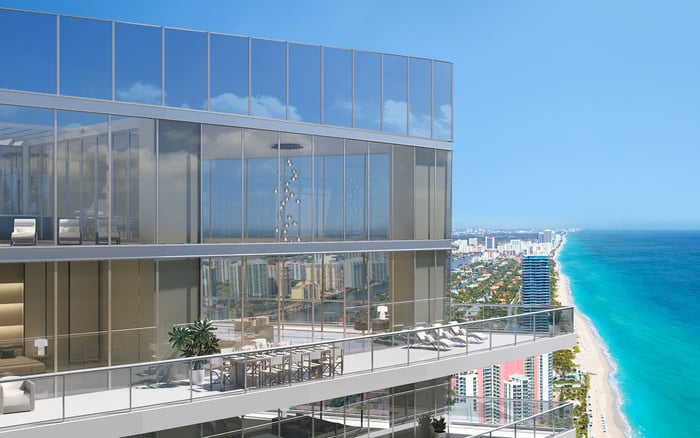
A buyer-focused guide to reading South Florida water views through the lens of exposure, building systems, seawalls, elevation, and long-term ownership risk.
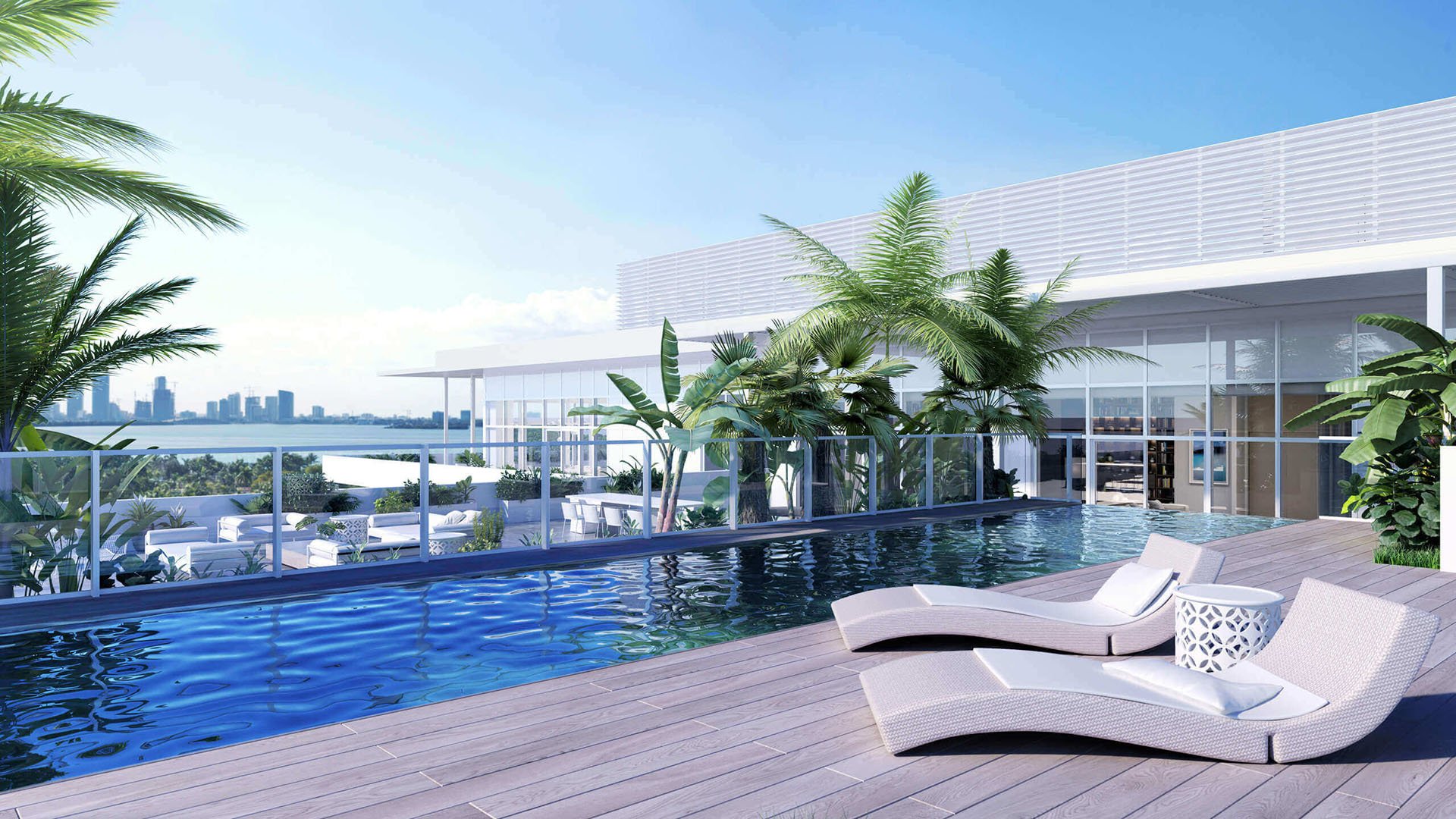
Two residences can frame the same blue horizon and carry entirely different ownership profiles. One may sit behind a well-managed exterior envelope, disciplined reserve planning, updated systems, and a shoreline condition that has been carefully monitored. The other may offer an indistinguishable view while exposing its owner to a more complicated sequence of façade work, balcony repairs, mechanical replacement, insurance pressure, or seawall attention.
That is the quiet reality of South Florida waterfront real estate. The water view is what draws the eye; the maintenance risk is what shapes the long-term experience of ownership. For sophisticated buyers, especially those comparing Waterview condominiums and Oceanfront residences, the question is no longer simply, “Which view is better?” It is, “Which view is better supported?”
This distinction matters across the region, from Brickell towers overlooking Biscayne Bay to Miami Beach oceanfront addresses, Sunny Isles high-rises, and boutique bayfront enclaves. A residence may feel serene at a showing, but the true story is often written in concrete, waterproofing, mechanical rooms, roof systems, drainage, reserves, and the association’s appetite for preventive maintenance.
Waterfront living is defined by exposure. Salt air, wind-driven rain, humidity, and sun all interact with a building over time. Yet identical views do not mean identical exposure. A tower set directly on the ocean may face a different maintenance pattern than one on a protected bay. A lower floor near spray zones may age differently from a high-floor residence with less direct salt contact. A corner line with broader glazing may carry different window, sealant, and waterproofing considerations than an interior line with a narrower façade.
This is why a refined buyer looks past the postcard. The view is visual, but exposure is physical. Balcony edges, railings, slab conditions, window systems, exterior coatings, pool decks, garage levels, and podium areas can each reveal how gracefully a property has met its environment.
In Brickell, for example, a bayfront residence at Una Residences Brickell may appeal to a buyer seeking the glamour of water, skyline, and urban access in one composition. Even in a prestigious setting, however, a thoughtful purchaser still studies the building’s systems, future maintenance obligations, insurance structure, and association culture before treating the view as a complete value proposition.
It is tempting to assume that newer buildings always carry less risk and older buildings always carry more. The reality is more nuanced. New construction can offer modern materials, current design expectations, and the benefit of fresh systems, but it still requires careful review of warranties, association budgets, maintenance assumptions, and the transition from developer control to resident governance.
Older buildings can be exceptional when stewardship has been consistent. A mature waterfront condominium with disciplined capital planning, completed restoration work, attentive management, and transparent communication may feel far less uncertain than a younger building that has deferred difficult conversations.
The key is not age alone, but maintenance history. Has the property been proactive or reactive? Are large projects planned, completed, or merely anticipated? Are reserves aligned with the building’s physical realities? Is the board focused on preserving the asset or postponing cost? Luxury buyers often understand design instantly, but the strongest buyers also develop a feel for governance.
For waterfront single-family homes and certain low-rise or bayfront developments, the shoreline itself becomes part of the ownership equation. A protected view over calm water may feel effortless, yet seawalls, docks, drainage, and site elevation can influence future capital needs. Even a condominium buyer should understand whether the property depends on waterfront infrastructure that may require periodic inspection, repair, or replacement.
Elevation also shapes perception. A residence with a dramatic water panorama may sit in a location where access points, parking areas, service corridors, or lower amenities deserve closer review. Buyers should distinguish between the experience inside the residence and the resilience of the entire property.
On Miami Beach, addresses such as 57 Ocean Miami Beach place lifestyle, sand, and Atlantic light at the center of the ownership experience. That setting is precisely why disciplined diligence matters. Oceanfront beauty rewards those who understand how building envelopes, balcony systems, amenity decks, and exterior maintenance programs support the romance of the location.
The most elegant lobby cannot compensate for weak governance. In condominium ownership, maintenance risk is shared through association decisions, budgets, reserves, special assessments, insurance choices, vendor quality, and the timing of capital projects. Two buildings with the same view may diverge sharply because one association funds work early while another waits until conditions become urgent.
Buyers should read meeting materials, budgets, reserve information, insurance summaries, and project histories with the same care they give to floor plans. The objective is not to avoid every future cost. Waterfront ownership naturally requires upkeep. The objective is to avoid surprise, underfunding, and ambiguity.
A well-run building tends to communicate with precision. It can explain what has been done, what is being monitored, what is planned, and how costs are expected to be handled. That clarity has real value. It may not photograph well, but it can protect the owner’s experience for years.
South Florida’s most desirable residences increasingly pair architecture, hospitality, wellness, and branded design with water views. That combination can be compelling, particularly for buyers who want full-service living without sacrificing privacy. Still, brand prestige should sit beside due diligence, not in place of it.
In Sunny Isles, Bentley Residences Sunny Isles reflects the market’s appetite for highly designed vertical living near the water. In Miami Beach, The Perigon Miami Beach speaks to a different expression of coastal refinement. Both examples show how buyers are drawn to architecture and setting, yet the strongest purchase decisions still examine maintenance structure, operating costs, exterior exposure, and long-term capital planning.
This is especially important for second-home owners. A residence used seasonally may still participate fully in assessments, insurance shifts, and building projects. Limited occupancy does not mean limited exposure to shared costs. For that reason, many ultra-premium buyers now treat technical review as part of lifestyle preservation.
When two residences offer comparable water outlooks, the better choice often emerges through documents and observation. Start with the building exterior. Look for visible staining, cracking, worn coatings, balcony conditions, rail corrosion, or repeated areas of repair. Then move to the less glamorous areas: garages, equipment rooms, service corridors, roof access, pool decks, and lower levels.
Next, study the financial side. A low monthly carrying cost is not automatically a virtue if it reflects underfunding. A higher cost may be reasonable if it supports strong service, reserves, insurance, staffing, and maintenance discipline. The question is whether the cost structure is coherent.
Finally, evaluate predictability. A buyer should understand near-term projects, likely future work, current reserve posture, and the building’s communication style. The ideal water view is not merely beautiful today. It is attached to a property with a credible plan for tomorrow.
The market often rewards a spectacular view, but private buyers should price the whole asset. If one residence carries a cleaner maintenance profile, stronger reserves, newer systems, or clearer governance, it may justify a premium even if the view is nearly identical. Conversely, a discounted waterfront residence may not be a bargain if the discount fails to account for capital work, uncertainty, or association strain.
This does not mean risk should deter buyers from the water. South Florida’s coastal and bayfront properties remain among the region’s most emotionally compelling forms of real estate. The point is to separate romance from assumption. A water view is a privilege. A well-supported water view is an asset.
Can two condos with the same water view have different maintenance risk? Yes. Building age, exposure, reserves, governance, exterior condition, and planned projects can create very different ownership profiles.
Is Oceanfront property always higher risk than bayfront property? Not always. Direct exposure can matter, but construction quality, maintenance history, and association planning are equally important.
Does new construction eliminate waterfront maintenance concerns? No. New buildings still require review of warranties, budgets, maintenance assumptions, and long-term reserve planning.
What should buyers review before purchasing a Waterview condo? Buyers should examine budgets, reserves, insurance information, meeting materials, project history, and the condition of shared building areas.
Why does association governance matter so much? Governance determines how early problems are addressed, how reserves are funded, and how clearly owners are informed.
Are lower floors riskier than higher floors near the water? They can face different exposure, especially near spray, decks, garages, or shoreline infrastructure, but each building must be evaluated individually.
Should a beautiful view justify a higher carrying cost? It can, if the cost supports strong service, maintenance, insurance, reserves, and long-term asset protection.
Can older waterfront buildings still be good purchases? Yes. Older buildings can be compelling when they have strong maintenance records, completed upgrades, and transparent planning.
What is the biggest mistake luxury buyers make with water views? The biggest mistake is valuing scenery without understanding the physical and financial structure supporting it.
How should buyers compare similar South Florida waterfront residences? Compare the view, then compare exposure, building condition, reserves, insurance structure, governance, and upcoming capital projects.
When you're ready to tour or underwrite the options, connect with MILLION.
If branded residences are on your mind — as a home or as an allocation — we would be glad to share what we are seeing, privately.
Begin a quiet conversation