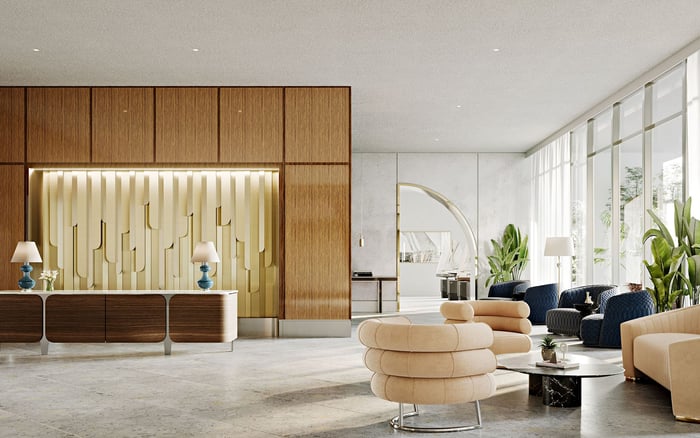
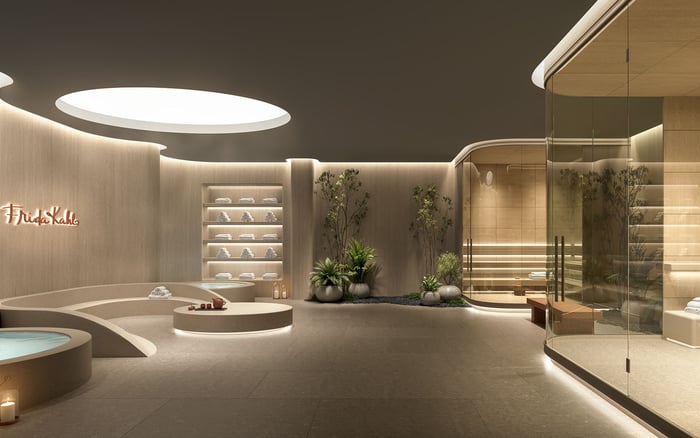
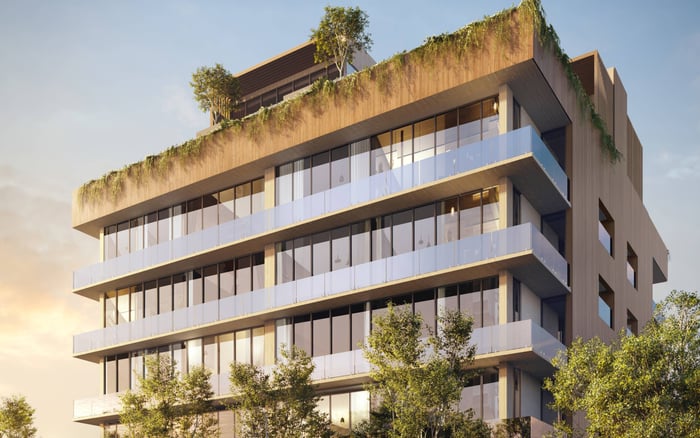
Mr. C Tigertail Coconut Grove fits buyers who want branded service, new-construction clarity, and a mature Grove setting with fewer daily ownership complications.
For many affluent South Florida buyers, the decisive question is no longer only whether a residence is beautiful, rare, or well located. It is whether ownership will feel calm after the keys are delivered. That is where Mr. C Tigertail Coconut Grove earns a serious place on the shortlist.
Operational friction is the cumulative burden created by maintenance, governance, logistics, risk management, access, parking, and daily-use complications. It is the difference between owning a residence that supports a life already in motion and owning one that quietly becomes another management responsibility. For buyers who travel frequently, maintain multiple homes, or want a polished pied-à-terre, that distinction matters.
The project’s buyer-facing thesis is clear: combine branded hospitality, new-construction condominium ownership, and Coconut Grove’s established residential character into a more coherent day-to-day experience. It is not positioned as the loudest or most theatrical luxury offering in Miami. Its appeal is more discreet: reliability, service orientation, and fewer moving parts for an owner to personally coordinate.
The Mr. C connection gives the property a service-led identity. In the context of branded residences, that matters because the buyer is not simply purchasing square footage. The buyer is seeking an operating culture. A more professionalized residential experience can reduce the small decisions, follow-ups, and day-to-day interventions that often fall to owners in less service-oriented buildings.
That does not mean friction disappears. No condominium, branded or otherwise, can guarantee effortless ownership. But a boutique-branded model can make the ownership proposition feel more legible. There is a clearer service promise, a clearer hospitality sensibility, and a more intentional approach to the resident experience.
This is especially relevant for the owner who expects to arrive, settle in, host selectively, and leave without turning every stay into a checklist. The value is not only in amenities, finishes, or recognition. It is in the possibility that the residence behaves predictably, with a service environment designed around ease rather than improvisation.
New construction is central to the low-friction argument. Buyers evaluating South Florida condominiums often think about future maintenance uncertainty, capital planning, governance complexity, and evolving expectations around building performance. A newly delivered condominium product can appeal to those who want a more current ownership framework from the outset.
That point requires nuance. Newness does not eliminate association decisions or future upkeep. It does, however, change the starting point. Buyers are not inheriting the same level of age-related questions that can accompany older buildings, especially when those buildings require more intensive capital planning or carry layered histories of repairs and board decisions.
For a buyer prioritizing simplicity, the value of a newer building is not merely cosmetic. It can be structural to peace of mind. The residence feels less like a renovation candidate or deferred-decision asset and more like a turnkey base within a professionally organized environment.
Coconut Grove strengthens the argument because it is a mature, walkable residential neighborhood rather than a purely vertical resort corridor. Daily life can feel more intuitive when restaurants, neighborhood routines, greenery, and residential calm are part of the surrounding fabric. For a second-home owner, that can reduce the logistical strain of every arrival.
The Grove also gives buyers a meaningful comparison set. Some may weigh Mr. C Tigertail against Four Seasons Residences Coconut Grove when they want another branded reference point in the neighborhood. Others may compare it with Arbor Coconut Grove and The Well Coconut Grove when the priority is a Coconut Grove address with a distinct residential identity.
The common thread is not that every buyer wants the same building. It is that Coconut Grove attracts a particular kind of luxury buyer: one who values privacy, neighborhood texture, and a softer rhythm than Miami’s most visible high-gloss districts. In that setting, Mr. C Tigertail’s boutique scale and service posture feel aligned with the neighborhood rather than imposed upon it.
Mr. C Tigertail Coconut Grove is most compelling for buyers who want the residence to be easy to own, not merely impressive to show. That includes second-home owners who may spend extended periods away from Miami, pied-à-terre buyers who need a refined local base, and frequent travelers with limited appetite for hands-on property management.
It also suits buyers who are deliberately avoiding complexity. They may not want the highest amenity count, the tallest skyline gesture, or the most speculative investment narrative. They may prefer a residence where the luxury is in coherence: branded service, contemporary condominium structure, and a walkable Grove setting that makes daily use feel simple.
For these buyers, the right comparison may not be a larger, louder tower. It may be a carefully edited group of residences that share a similar desire for livability. Park Grove Coconut Grove, for example, often enters Grove conversations because buyers in this submarket tend to think carefully about setting, privacy, and long-term day-to-day comfort.
A low-friction thesis should still be tested carefully. Buyers should review the service model, association structure, rules, parking experience, access protocols, rental limitations if relevant, and the practical rhythm of living in the building. The most important question is not whether the branding sounds elegant. It is whether the operating environment matches the buyer’s actual use pattern.
For a full-time resident, friction may mean something different than it does for a seasonal owner. For one buyer, it may be the ease of coming and going. For another, it may be the confidence that routine matters are handled with professionalism. For a third, it may be the ability to host family without turning the residence into a management project.
That is why Mr. C Tigertail belongs on the shortlist, rather than being treated as an automatic answer. Its proposition is strong for the right buyer: a service-backed, new-construction residence in an established Grove context, designed for those who see ease as a luxury category of its own.
What does lower operational friction mean for a luxury condo buyer? It means reducing the ownership burden tied to maintenance, logistics, access, governance, parking, risk management, and everyday coordination.
Why is Mr. C Tigertail Coconut Grove relevant to this buyer profile? Its appeal centers on branded hospitality, new-construction condominium ownership, and a mature Coconut Grove setting that supports simpler daily use.
Is Mr. C Tigertail positioned as Miami’s flashiest luxury project? No. Its argument is less about spectacle and more about a coherent, service-backed residential experience.
Who is the clearest fit for this type of residence? Second-home owners, pied-à-terre buyers, and frequent travelers are natural fits because they often value reliability and limited hands-on management.
Does branded service guarantee effortless ownership? No. It can support a more professionalized experience, but buyers should still evaluate rules, service standards, governance, and day-to-day logistics.
Why does new construction matter in this discussion? New-construction condominium product can appeal to buyers who want a more current ownership framework and fewer age-related uncertainties at the start.
How does Coconut Grove support the low-friction thesis? Coconut Grove is valued for its mature residential character and walkable feel, which can make arrivals, routines, and daily living more intuitive.
Should buyers compare it with other Coconut Grove residences? Yes. The most useful comparison is with residences that share the buyer’s priorities around service, neighborhood fit, simplicity, and long-term comfort.
What should buyers review before committing? They should examine the service model, association documents, parking, access, rules, and any use restrictions that could affect their lifestyle.
What is the best way to shortlist comparable options for touring? Start with location fit, delivery status, and daily lifestyle priorities, then compare stacks and elevations to validate views and privacy.
When you're ready to tour or underwrite the options, connect with MILLION.
If branded residences are on your mind — as a home or as an allocation — we would be glad to share what we are seeing, privately.
Begin a quiet conversation