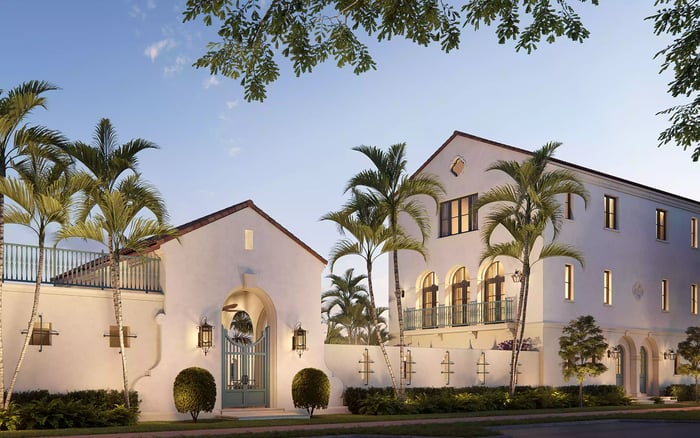
A discreet buyer’s guide to aligning liquidity, securities-based lending, reserve planning, and closing strategy before purchasing luxury real estate in Coral Gables.

For many luxury buyers in Coral Gables, the first question is not simply what to buy. It is how the purchase should sit within a broader portfolio. A residence may be a primary home, a second address, a legacy asset, or an investment position with lifestyle dividends. Each version calls for a different liquidity posture.
Before touring in earnest, ask your advisors to model the purchase as a balance-sheet decision. How much cash should remain after closing? Which assets would be sold, pledged, or left untouched? Would the purchase affect your tolerance for market drawdowns, tax payments, private school obligations, business capital calls, or philanthropic commitments? A beautiful home can become an avoidable constraint if it absorbs too much flexible capital.
The most elegant transactions tend to share one quality: the financing conversation happens early. It is quiet, technical, and disciplined. It also allows the buyer to negotiate from strength when the right residence appears.
Portfolio financing can mean several things, from securities-based lending to tailored private banking credit. The appeal is clear: buyers may preserve an investment strategy, avoid hurried asset sales, and move quickly when a property becomes available. The risk is equally clear: the loan is often tied to collateral value, liquidity rules, and lender discretion.
Ask whether the proposed structure suits the way you intend to own the home. If you are purchasing a single-family estate for long-term family use, your financing may need to prioritize stability. If you are comparing residences such as Cora Merrick Park with larger homes, your team should compare not only price and lifestyle, but also the capital required at contract, closing, furnishing, and beyond.
Key questions include: What assets secure the credit line? How often is collateral reviewed? What happens if markets decline before closing? Is the rate fixed, floating, or adjustable under defined conditions? Can the facility be reduced or called? Are there concentration limits that matter for your current holdings? None of these questions should wait until the week of closing.
A luxury purchase in Coral Gables should not be measured only by the down payment or cash price. Ownership requires a reserve philosophy. That reserve may include closing costs, property-related services, insurance, future improvements, furnishings, staff, landscaping, travel between residences, and family office administration.
The reserve should be liquid, accessible, and intentionally separate from aspirational net worth. A buyer who appears strong on paper may still be poorly positioned if liquidity depends on selling volatile assets at the wrong moment. Ask your banker and wealth advisor to identify a minimum post-closing liquidity level and a preferred level. Then decide which number will govern your offer strategy.
This is especially relevant for buyers moving between product types. A condominium purchase may involve different recurring obligations than Estates & Single-Family ownership. A newly delivered residence may differ from a home requiring customization. A quiet comparison between Ponce Park Coral Gables and a private estate should include the capital required to live exactly as intended, not merely the capital required to acquire.
Liquidity planning is partly about amount and partly about sequence. Ask what funds are needed at offer, contract, inspection, financing approval, closing, and move-in. If the purchase involves a delayed closing or pre-construction style commitment, ask how long capital may be reserved before the asset is usable. If the purchase involves a completed residence, ask how quickly funds can be assembled without disrupting the portfolio.
The strongest buyers often know in advance which assets can be liquidated without meaningful tax or strategy consequences, which assets can be pledged, and which assets should remain untouched. They also know who has authority to release funds when travel, holidays, or market volatility interfere with timing.
For a buyer considering The Village at Coral Gables, the same principle applies: acquisition timing should be reconciled with portfolio timing. The property may be local and tangible, but the capital often moves through a much larger financial architecture.
The discreet danger in portfolio financing is assuming that liquidity today guarantees liquidity tomorrow. Ask your lender to explain every covenant in plain language. What loan-to-value thresholds apply? What market events would require additional collateral? How much notice would you receive? What assets qualify as eligible collateral? Can the lender change advance rates?
Concentration matters. A buyer whose wealth is tied to a closely held company, a concentrated public equity position, or illiquid funds may need a more conservative structure. The goal is not to maximize borrowing capacity. The goal is to preserve optionality.
Also ask how the financing interacts with your estate plan, operating entities, trusts, marital agreements, and tax residence. The right ownership structure is rarely decided by aesthetics alone. It should be aligned before the contract is signed, because changing the structure late can create delay, cost, or unnecessary disclosure.
Cash is not always the simplest answer, but it can be the most decisive. In a competitive negotiation, a clean cash posture may appeal to a seller. It can reduce contingencies and simplify timing. Yet paying cash may also create opportunity cost, tax friction, or reduced liquidity elsewhere.
Ask for a side-by-side comparison: cash purchase, conventional mortgage, portfolio-backed line, and hybrid structure. Include rates, fees, tax considerations, market risk, liquidity remaining after closing, and exit flexibility. The best structure is not the one with the lowest headline rate. It is the one that allows you to own the home gracefully through different market and life scenarios.
For Coral Gables, where buyers may be weighing privacy, schools, proximity, architecture, and long-term family planning, financing should feel almost invisible once the decision is made. If the structure requires constant attention, it may be too fragile for the lifestyle it is meant to support.
Before submitting an offer, ask: How much liquidity will remain after closing? What portion is truly liquid within forty-eight hours? What happens to the plan if public markets decline before closing? How would a collateral call be met? Which assets should not be pledged? How will insurance, taxes, improvements, and annual carrying costs be funded? Does the loan have prepayment penalties, minimum usage requirements, or renewal risk? Who coordinates between the lender, attorney, tax advisor, and broker?
Then ask a more personal question: Will this purchase make life simpler or more constrained? Luxury real estate should create privacy, beauty, and ease. Financing should support those aims, not compete with them.
Should I arrange financing before viewing Coral Gables homes? Yes. Early financing clarity helps define a credible budget, liquidity reserve, and negotiation posture before emotions enter the process.
Is portfolio financing the same as a mortgage? No. Portfolio financing may be secured by financial assets rather than only by the property, so collateral rules and market risk matter.
How much liquidity should remain after closing? The answer depends on your income, obligations, asset mix, and ownership plans. Ask your advisors to set both minimum and preferred reserves.
Can a securities-backed loan create risk during market volatility? Yes. If collateral values fall, the lender may require more collateral, partial repayment, or other action under the loan terms.
Should I pay cash for a luxury home in Coral Gables? Cash can strengthen an offer, but it may reduce flexibility. Compare it against financed and hybrid structures before deciding.
What should I ask about loan covenants? Ask what triggers a collateral call, how values are measured, which assets qualify, and whether terms can change over time.
Does ownership structure matter before contract signing? Yes. Trusts, entities, marital planning, and tax considerations can affect timing, documentation, and the smoothness of closing.
How should renovations affect liquidity planning? Treat improvements as part of the acquisition budget. Capital for design, furnishing, maintenance, and contingencies should be reserved early.
Are condominiums and single-family estates financed differently? They can be. Product type, ownership costs, association obligations, and collateral treatment may influence the preferred financing strategy.
What is the best way to shortlist comparable options for touring? Start with location fit, delivery status, and daily lifestyle priorities, then compare stacks and elevations to validate views and privacy.
When you're ready to tour or underwrite the options, connect with MILLION.
If branded residences are on your mind — as a home or as an allocation — we would be glad to share what we are seeing, privately.
Begin a quiet conversation