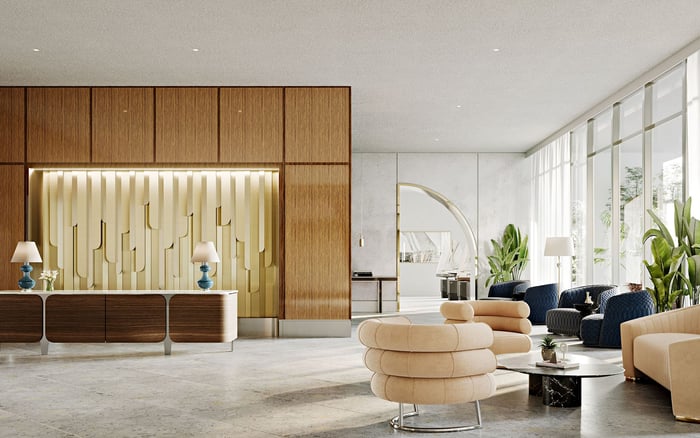
A discreet buyer’s guide to evaluating wine storage infrastructure, service expectations, and long-term collection planning before purchasing at Frida Kahlo Wynwood Residences.
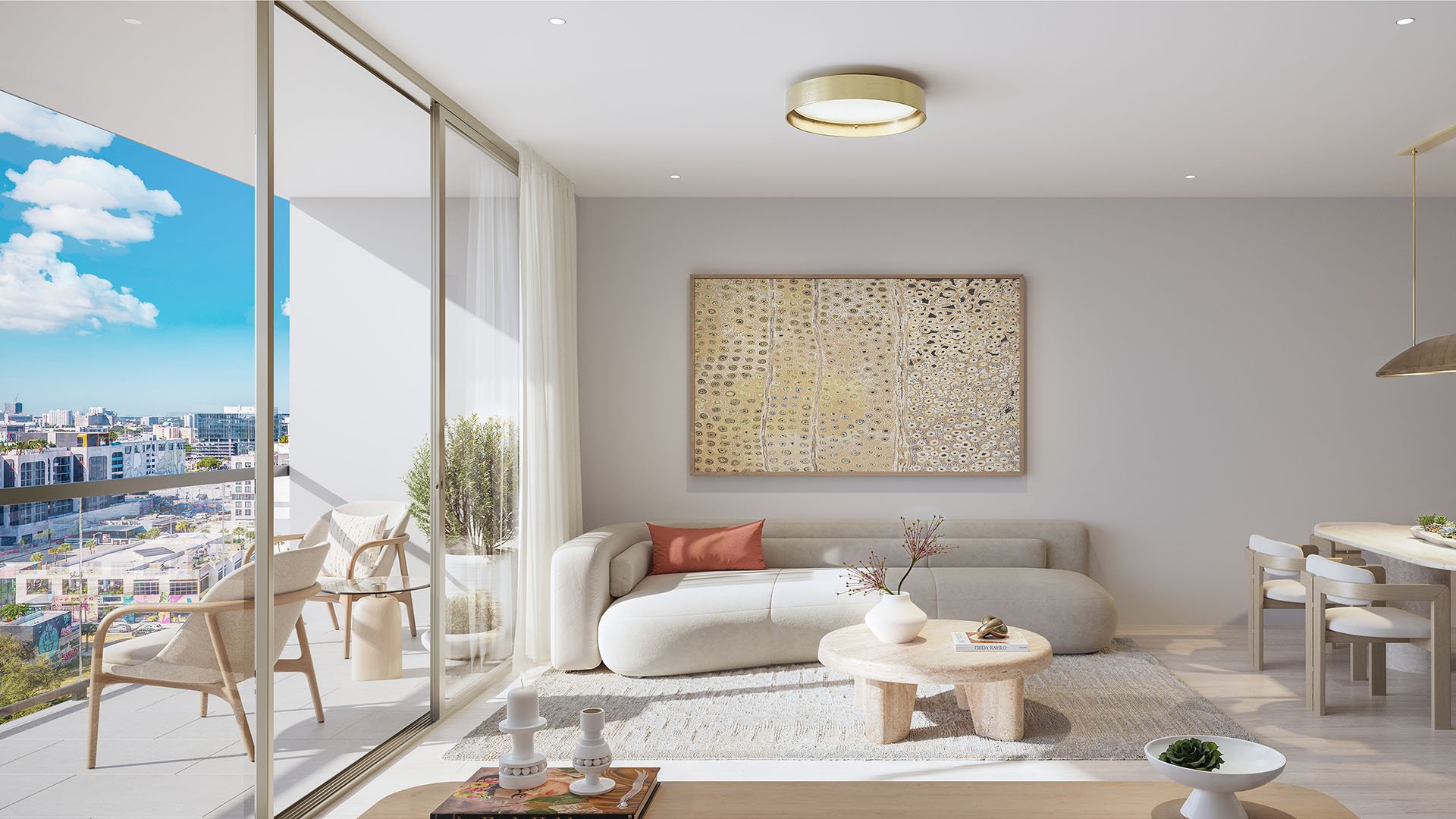
For collectors, wine is not simply an amenity preference. It is a building-systems question, a lifestyle question, and, in the right residence, a quiet marker of long-term ownership quality. Before buying at Frida Kahlo Wynwood Residences, a wine-focused buyer should look beyond the romance of display walls and ask how bottles will actually live day to day.
That distinction matters in Wynwood, where art, hospitality, and design-conscious living often shape the buyer’s imagination. A dramatic glass cellar may photograph beautifully, but the serious questions are more technical: temperature stability, humidity control, vibration, light exposure, power redundancy, and service access. This is one of the more practical Buyer's Guides a purchaser can bring into the sales conversation, especially when comparing urban residences where every square foot has a design purpose.
The first question is simple: is wine storage contemplated inside the residence, within a shared building area, through a private owner solution, or not at all? Do not assume. Ask for the specific condition in writing, then evaluate whether it supports your actual collection rather than an idealized version of it.
A buyer should identify the storage model before discussing finishes. In-unit storage offers privacy and immediate access, but it also depends on the residence’s mechanical capacity, cabinetry allowances, ventilation, noise control, and electrical planning. A shared building cellar can be elegant, but it raises questions about allocation, security, operating procedures, and whether access aligns with the way you entertain.
If the plan is to install a private wine wall or cabinet after closing, ask whether the condominium documents, design guidelines, and building approval process allow the work. A temperature-controlled cabinet is not the same as a decorative millwork feature. It may require dedicated power, condenser placement, drainage considerations, ventilation pathways, and professional installation. In new-construction settings, the best time to ask is before customization windows close, not after the residence is nearly complete.
For buyers comparing Wynwood with Brickell, the question becomes more layered. A purchaser looking at hospitality-driven urban projects such as ORA by Casa Tua Brickell may be thinking about entertaining as much as storage. At Frida Kahlo Wynwood Residences, the more useful lens is not whether wine appears glamorous in a rendering, but whether your preferred storage model is practical, permitted, and serviceable.
Wine is unusually sensitive to inconsistency. Ask what temperature range the proposed storage environment is designed to maintain, how humidity is managed, and whether the system is intended for long-term cellaring or short-term presentation. There is a meaningful difference between keeping bottles attractively displayed for entertaining and protecting age-worthy wine over years.
Light exposure should be addressed directly. A visible wine feature in a bright residence may need glass specifications, UV mitigation, or careful placement away from direct sun. Vibration is another overlooked issue. Ask whether storage would be isolated from mechanical rooms, elevators, speakers, fitness areas, or other sources of recurring movement. Even when the risk seems minor, serious collectors should know the answer.
Power continuity is equally important. If storage relies on mechanical cooling, ask what happens during an outage. Is there building backup power supporting any common wine area? Would in-unit equipment be protected by the owner’s own solution? Who monitors system alerts if temperatures drift while you are traveling? South Florida second-home ownership often involves periods away from the property, so monitoring is not a luxury detail. It is part of responsible collection management.
A wine collection has logistics. Ask how deliveries are received, whether staff can accept temperature-sensitive shipments, where bottles are held before they reach the residence, and whether there are restrictions on vendor access. The ideal sequence is discreet: arrival, secure holding, prompt transfer, and minimal exposure to heat.
If you entertain frequently, ask how wine movement fits into building operations. Can a sommelier, caterer, or private chef access the residence through approved service routes? Are there rules regarding carts, freight elevators, loading areas, or service hours? The answers may determine how naturally the home supports dinners, tastings, and private events.
This is where Lifestyle and operations meet. The most sophisticated buyers tend to ask modest, exacting questions. They want to know whether the building makes gracious living easy, not whether it merely looks polished. When comparing other design-forward addresses, from 888 Brickell by Dolce & Gabbana to wellness-oriented residential concepts such as The Well Coconut Grove, the same principle applies: the service choreography matters as much as the surface design.
Wine storage touches risk management. Ask your insurance advisor how a collection would be covered, whether special scheduling is needed, and what documentation should be maintained. Building insurance and personal collection insurance are different conversations, and buyers should not blur them.
Governance is another essential layer. Ask whether the association has rules about appliance installation, noise, condensate lines, exterior penetrations, humidity-producing systems, or modifications to walls and millwork. If a future board approval is required, understand the standard before you buy. A beautiful plan that cannot be approved is not an amenity. It is a complication.
Resale should be considered with restraint. Not every buyer will value a large wine installation, but many will appreciate thoughtful infrastructure that is quiet, reversible, and well integrated. In the Design & Architecture conversation, the strongest wine solutions feel intentional rather than theatrical. They serve the collector without overwhelming the residence.
Before contract, ask for written clarity on whether any wine storage is included, optional, owner-installed, or outside the contemplated offering. Ask who is responsible for design, permitting, installation, maintenance, monitoring, and repair. If a shared cellar is involved, ask how spaces are assigned, whether capacity is limited, how access is controlled, and what operating costs apply.
For an in-residence solution, request guidance on electrical load, ventilation, condenser location, acoustic impact, drainage, warranty implications, and association approval. Ask whether preferred vendors are required or whether owners may use their own specialists. If the residence will be part of a broader entertaining strategy, ask about service elevators, loading access, delivery protocols, and private event rules.
The goal is not to make wine storage feel complicated. The goal is to prevent an expensive lifestyle expectation from becoming an afterthought. In South Florida’s luxury market, the best residences tend to reward buyers who understand the difference between an amenity and an operating system.
Should I assume Frida Kahlo Wynwood Residences includes wine storage? No. Treat wine storage as a due diligence question and ask for the exact specification in writing.
What is the first wine-related question to ask before buying? Ask whether storage is in-unit, shared, optional, owner-installed, or not included in the contemplated residence.
What temperature issue matters most for collectors? Stability matters as much as the target temperature. Ask how the system avoids swings during daily use and owner absences.
Is a decorative wine wall enough for serious storage? Not necessarily. A display feature may not provide the environmental control needed for long-term cellaring.
Why does humidity matter in a condominium residence? Humidity affects cork condition and label preservation, but it must be managed without creating building-system concerns.
Should I ask about backup power? Yes. If cooling is mechanical, ask what happens during outages and whether monitoring alerts are available.
Can wine deliveries create practical issues? Yes. Ask about receiving protocols, secure holding areas, service access, and heat exposure between delivery and storage.
Do association rules affect private wine installations? They can. Review rules for electrical work, ventilation, drainage, noise, and alterations before relying on a future installation.
Does wine infrastructure help resale value? It can, when it is discreet, well engineered, and not overly personalized. Poorly integrated installations may narrow the buyer pool.
What is the best way to shortlist comparable options for touring? Start with location fit, delivery status, and daily lifestyle priorities, then compare stacks and elevations to validate views and privacy.
For a discreet conversation and a curated building-by-building shortlist, connect with MILLION.
If branded residences are on your mind — as a home or as an allocation — we would be glad to share what we are seeing, privately.
Begin a quiet conversation