A discreet buyer’s guide for grandparents considering Key Biscayne as a family base, with emphasis on layout, privacy, outdoor living, service flow, and long-stay comfort.
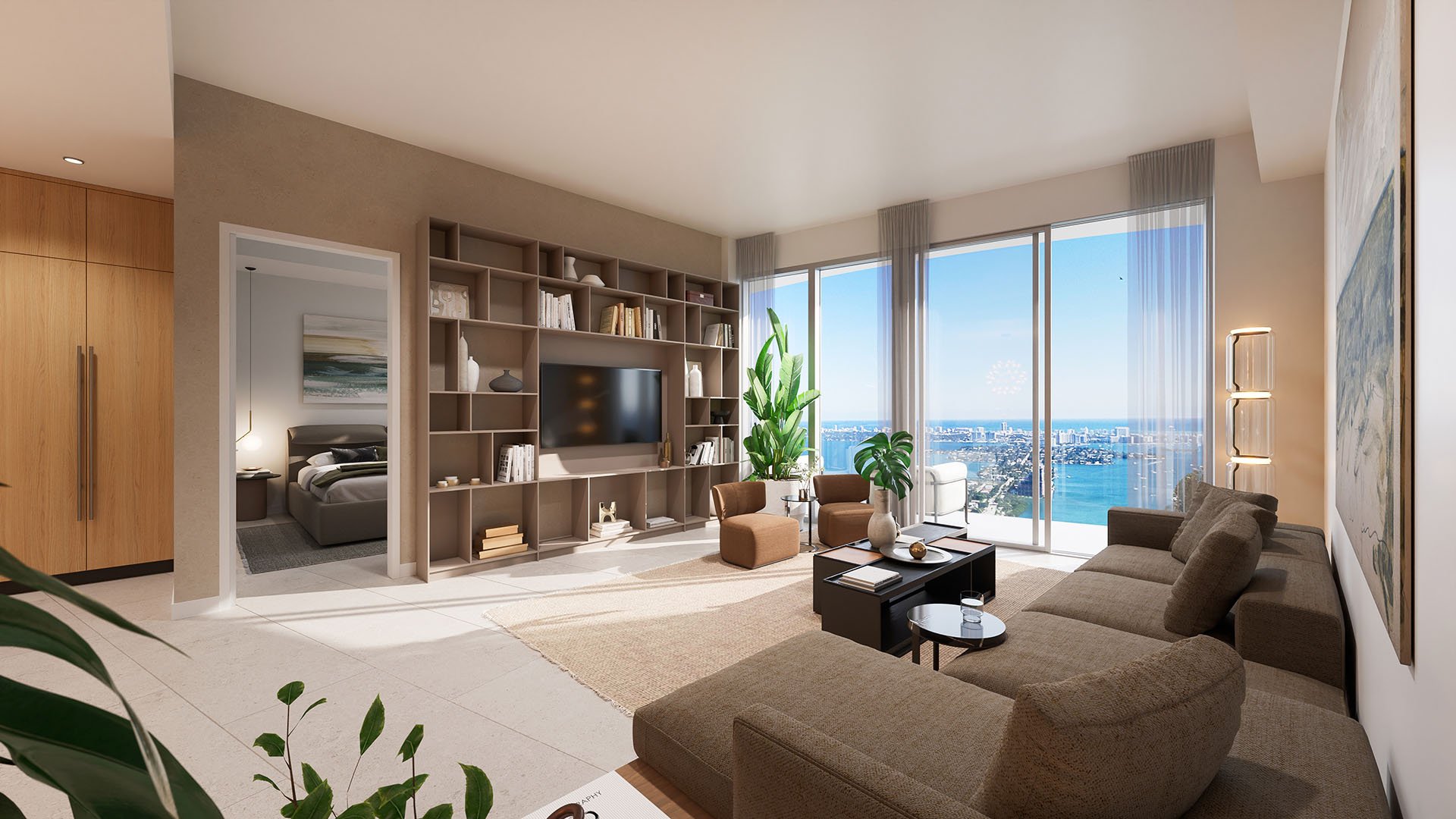
Key Biscayne holds a particular appeal for grandparents: it feels removed without feeling remote. For families who gather around school breaks, long weekends, birthdays, and holidays, the island can become less a second address than a private family headquarters. The strongest purchase is not simply the most photogenic residence with the best view. It is the home that allows three generations to feel welcome without leaving the hosts permanently on duty.
That distinction matters. A grandparent buyer may host adult children working remotely, grandchildren moving between beach days and quiet naps, visiting friends, caregivers, and household staff. The residence has to absorb that energy gracefully. It should encourage togetherness in the main living areas, retreat in the bedroom wings, and a dignified rhythm for service, storage, parking, and arrivals.
In this sense, Key Biscayne belongs squarely in Buyer's Guides for lifestyle-driven acquisitions. The question is not whether a home impresses at first glance. The question is whether it remains calm when every guest room is full.
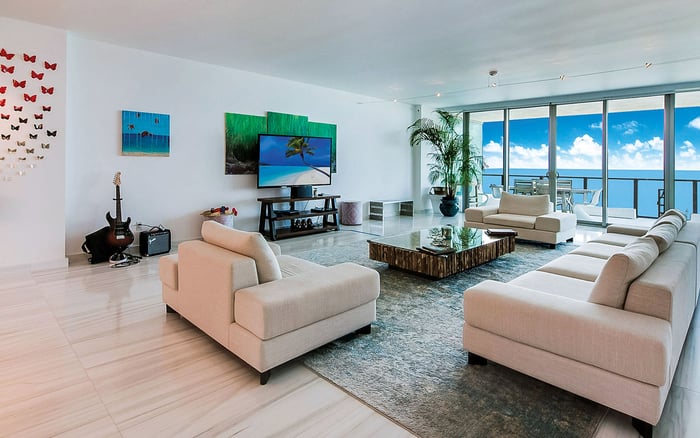
Begin with the floor plan. A multigenerational residence should separate the primary suite from guest bedrooms enough to create privacy, but not so much that the home feels fragmented. Grandchildren benefit from bedrooms near a den, media room, or flexible lounge. Adult children often prefer suites with a measure of independence, particularly during longer stays.
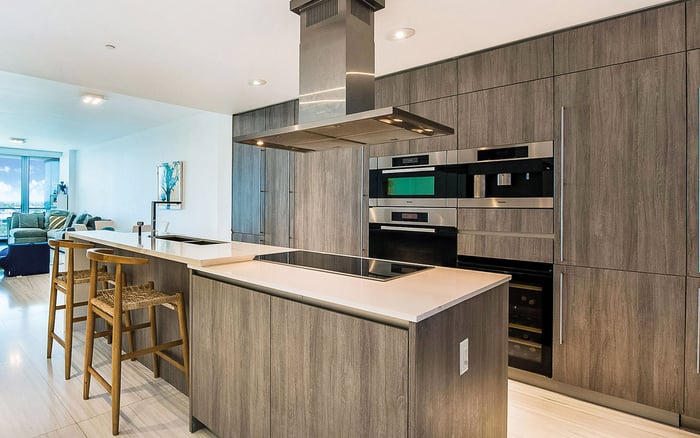
Study the circulation. Can early risers make coffee without waking the household? Can a child return from the beach without crossing formal entertaining areas? Is there a powder room near the pool or terrace? Does the kitchen support family breakfasts and catered dinners without congestion? These details rarely dominate glossy photography, yet they determine whether the home feels genuinely generous or merely large.
For condominium buyers, elevator arrival, corridor privacy, and the relationship between bedrooms and social spaces become essential. A residence such as Oceana Key Biscayne may enter the conversation for buyers who want the island setting with the convenience of a full residential building, while still evaluating whether a specific floor plan suits the family’s hosting pattern.
Counting bedrooms is only the beginning. Grandparents hosting extended family should think in terms of roles. One room may need to serve as a nursery during one visit, a study during another, and a teenage retreat later. A guest suite with space for a desk can make longer stays easier for adult children. A room near the primary suite may be ideal for younger grandchildren or a caregiver.
Storage deserves equal attention. Families arrive with strollers, beach bags, golf clubs, scooters, sports gear, holiday gifts, and enough luggage to overwhelm an underplanned residence. Built-ins, owner closets, garage storage, and utility areas become luxuries precisely because they keep the visible rooms serene.
Bathrooms matter as much as bedrooms. En suite accommodations are ideal, but even shared bathrooms should be positioned so guests do not need to cross public living areas at night. In a truly successful hosting residence, no one feels like an afterthought.
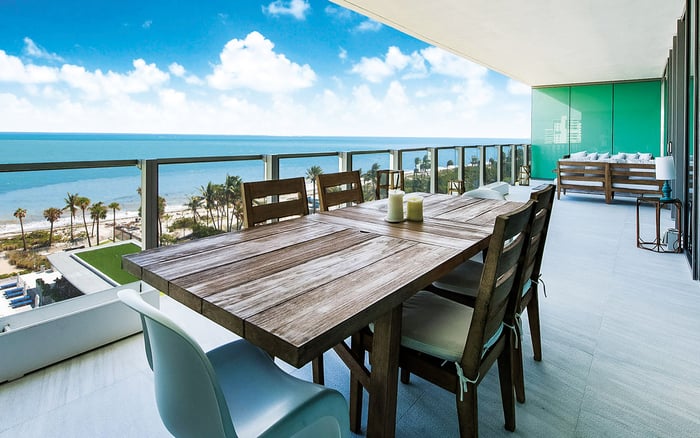
For many families, the most meaningful memories happen outside: breakfast on the terrace, children in wet swimsuits, grandparents watching from shade, evening dinners after the beach. A strong outdoor plan should include shade, varied seating, dining capacity, and easy access to a bathroom or changing area.
Waterfront living has obvious appeal, but waterfront should be evaluated through the lens of family function. Consider sight lines from the kitchen or main living area to the pool. Think about how the terrace works at different times of day. Ask whether outdoor dining feels intimate enough for six and comfortable enough for a larger family meal.
Oceanfront properties carry a different emotional charge. Oceanfront views can create a daily ritual around sunrise, walking, and quiet reflection. Yet a grandparent buyer should still prioritize livability over spectacle. The best view is the one the family can enjoy without compromising comfort, privacy, or ease.
A single-family home can offer privacy, outdoor autonomy, and a more traditional family-compound feeling. It may also require more active management. A condominium can simplify daily life through building services, controlled access, and lock-and-leave convenience, but buyers must study guest policies, parking logistics, service elevator access, and amenity culture.
The right choice often depends on how the family gathers. If visits are long and highly personal, with grandchildren moving constantly between indoors and outdoors, a house may feel natural. If the grandparents travel frequently and want predictable operations, a condominium may be more suitable. If the family is split between Miami, the Northeast, Latin America, and Europe, ease of arrival and maintenance may become decisive.
The pool is another practical dividing line. In a house, the pool is private and always available, but maintenance and safety planning are fully your responsibility. In a condominium, the pool experience may be beautifully managed, though shared. Neither is inherently better. The question is which setting supports the family’s rhythm.
Many grandparents approach Key Biscayne as a second-home decision, but the most successful buyers treat it with primary-home discipline. Even if the property is used seasonally, it should be comfortable enough for a full house and durable enough for repeated family stays.
That means scrutinizing materials. Flooring should be elegant but forgiving. Kitchens should handle real cooking, not just entertaining. Laundry capacity should match beach life. Terraces should be furnished for daily use, not only for photography. Technology should be intuitive for guests, including lighting, climate control, shades, security, and audiovisual systems.
A second home that requires constant explanation can become tiring. A second home that works intuitively becomes a family tradition.
Key Biscayne is distinctive, but thoughtful buyers often compare it with nearby enclaves before committing. Coconut Grove can appeal to families who want a lush residential atmosphere with mainland connectivity. Projects such as Park Grove Coconut Grove and Vita at Grove Isle may enter the broader comparison for buyers who like bayfront living and a more mainland-oriented routine.
Fisher Island is another point of comparison for those seeking privacy and a resort-like residential environment. The Residences at Six Fisher Island may be considered by families whose priority is controlled access and an enclave feel. The tradeoff is lifestyle texture: Key Biscayne offers its own island identity, while Fisher Island is a more rarefied and highly controlled experience.
Some grandparents also compare Brickell for convenience to offices, dining, and urban services. A residence such as The Residences at 1428 Brickell represents a very different proposition: vertical city living rather than island family retreat. The comparison is useful because it clarifies priorities. If quiet mornings, beach proximity, and multigenerational hosting define the purchase, Key Biscayne often remains emotionally compelling.
Before moving forward, walk through the home as if the entire family has just arrived. Where does luggage go? Where do children drop sandy towels? Where does a visiting couple take a private call? Where does a grandparent sit comfortably while still feeling part of the action? Which bedroom would be least desirable, and why?
Then test the service rhythm. Where do groceries arrive? Can staff work without crossing intimate family zones? Is there enough parking for simultaneous guests? Can a driver, caregiver, tutor, chef, or trainer be accommodated discreetly? These operational questions are not unromantic. They are the architecture of hospitality.
Finally, consider long-term adaptability. Grandchildren grow. Adult children’s needs change. Mobility may become more important. The best Key Biscayne purchase should serve the family beautifully now and remain sensible as the family evolves.
Is Key Biscayne a good choice for grandparents who host often? Yes, if the residence balances privacy, outdoor comfort, and easy family circulation.
Should grandparents prioritize a house or a condominium? A house favors privacy and outdoor autonomy, while a condominium can simplify maintenance and access.
How many bedrooms should a hosting residence have? Focus less on the number and more on whether bedrooms can flex for couples, children, caregivers, and work.
What is the most overlooked feature for extended family stays? Storage is often underestimated, especially for beach equipment, luggage, toys, and seasonal owner items.
Is a private pool essential? Not always. A private pool offers control, while a well-managed shared pool may suit buyers who prefer simplicity.
How important is terrace space? Very important, because outdoor dining, shade, and seating often define the family’s daily routine.
Should buyers consider nearby areas before choosing Key Biscayne? Yes. Comparing Coconut Grove, Fisher Island, and Brickell can clarify whether island living is the right fit.
What should grandparents look for in the primary suite? Privacy, quiet, strong closets, a comfortable bath, and separation from the liveliest guest areas.
Does a second home need primary-home functionality? It should, especially when hosting extended family for more than a short weekend.
What is the best first step before touring? Define the family calendar, likely guest mix, service needs, and must-have spaces before evaluating properties.
For a tailored shortlist and next-step guidance, connect with MILLION.
If branded residences are on your mind — as a home or as an allocation — we would be glad to share what we are seeing, privately.
Begin a quiet conversation