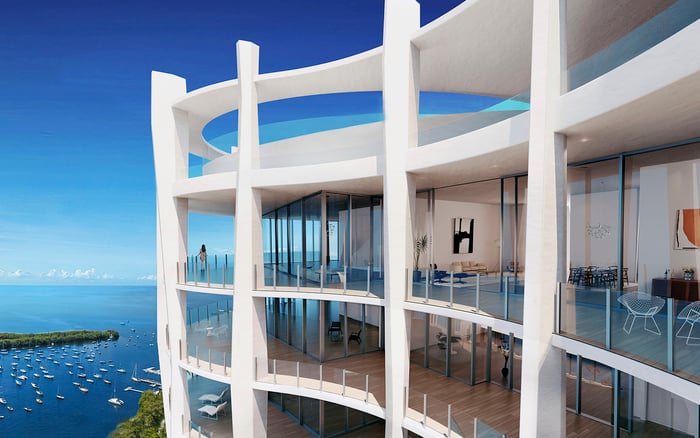
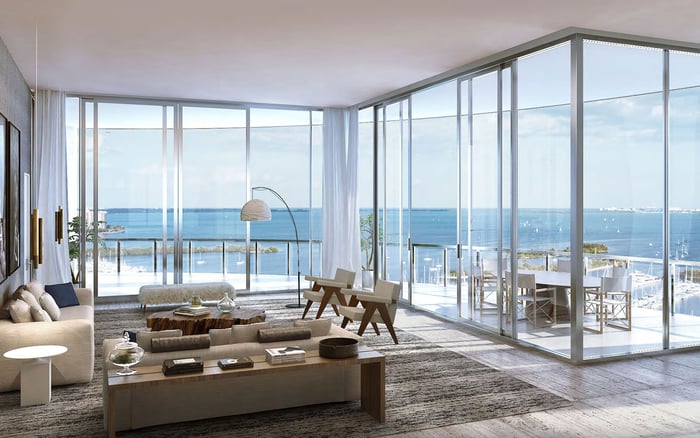
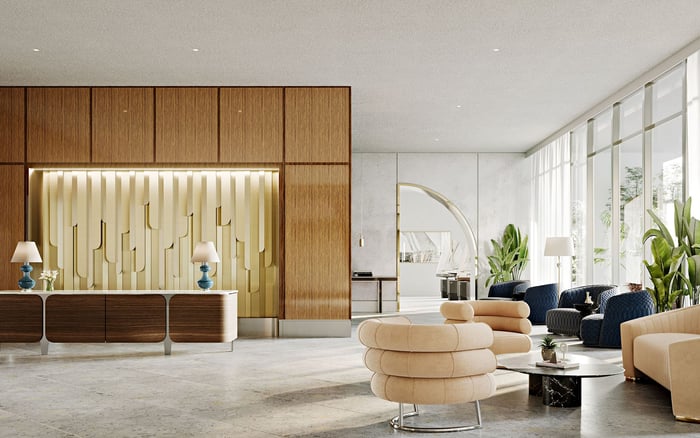
A buyer-focused look at how Four Seasons Residences Coconut Grove fits the village rhythm of Coconut Grove, with emphasis on service culture, discretion, and long-term ownership patterns.
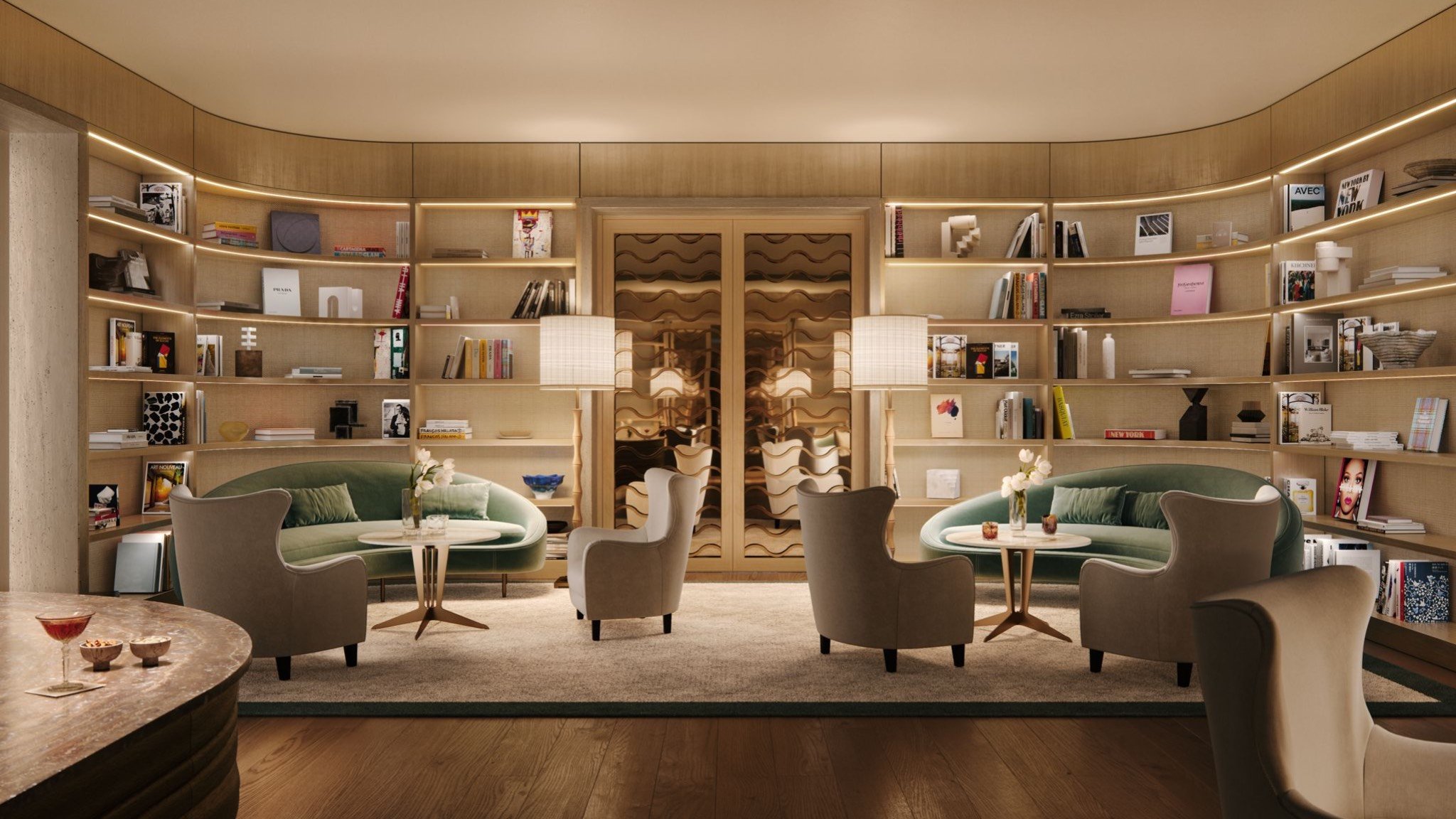
For the ultra-premium buyer, the appeal of Four Seasons Residences Coconut Grove is not simply the promise of a beautiful private home. It is the proposition that ownership itself can be edited, softened, and made more intuitive. In Coconut Grove, where the residential mood is quieter than Brickell and less theatrical than the beach, a service-led address has particular relevance.
The Grove has always rewarded buyers who value atmosphere. Its canopy, marina culture, walkable pockets, and long-standing residential character create a pace distinct from Miami’s higher-gloss corridors. Within that setting, a Four Seasons-branded residence speaks to the buyer who wants hospitality discipline without surrendering the privacy of home.
That balance is the central story. The most compelling branded residences are not defined by visible service alone. They are defined by what the owner no longer has to manage, explain, repeat, or chase. For a principal residence, that can mean smoother daily transitions. For a seasonal home, it can mean arriving to a property that feels prepared before the owner steps through the door.
Coconut Grove is an unusual market because many buyers are really trying to find a version of Miami that is residential first. The Grove is not a single aesthetic. It includes contemporary towers, established condominium communities, townhome-scale offerings, and intimate buildings that lean into garden living. What unites the strongest addresses is restraint.
In this context, service culture should not read as spectacle. The right experience is composed, quiet, and personal. A resident should not feel as if life is unfolding inside a hotel lobby. Instead, the best service model becomes a private operating system for the home: attentive when needed and nearly invisible when not.
That is especially important for owners who divide time among multiple residences. A second or third home requires trust. The property must be easy to leave, easy to return to, and easy to share with family without creating friction. In that sense, the appeal is less about indulgence than continuity.
Coconut Grove buyers often compare buildings through the lens of lifestyle cadence. Park Grove Coconut Grove has long been part of high-end Grove conversations, while newer discussions around the neighborhood increasingly focus on wellness, scale, and service. The buyer’s task is not to choose the loudest amenity package, but the rhythm that best matches daily life.
A branded residence can shift the buyer’s evaluation from square footage and finishes toward reliability. That does not make design secondary. At this level, design is assumed to be carefully considered. The more revealing question is how the residence performs over time.
Service culture affects the small moments: the arrival sequence, guest handling, maintenance coordination, privacy preferences, dining requests, transportation flow, and the broader sense that the residence is being looked after even when the owner is elsewhere. These details rarely dominate a sales conversation, but they often define satisfaction years after closing.
Four Seasons carries a service language that affluent buyers already understand. In a residential setting, that familiarity can reduce uncertainty. Owners do not want to retrain a building around their expectations. They want standards that are already internalized. When executed well, the result is a home that feels personal rather than transactional.
This is why the Grove setting matters. In a more urban district, branded service can feel like an extension of speed and access. In Coconut Grove, it can feel like the protection of calm. The value is in preserving the owner’s time, privacy, and domestic ease.
Coconut Grove’s luxury market is not monolithic. A buyer drawn to Mr. C Tigertail Coconut Grove may be responding to a different hospitality sensibility than a buyer drawn to Four Seasons. Another buyer may prefer the wellness-forward positioning associated with The Well Coconut Grove, especially if the residence is part of a broader lifestyle reset.
Others may gravitate toward a quieter, more neighborhood-scaled expression such as Arbor Coconut Grove, where the decision may center on intimacy, ease, and the feeling of being tucked into the Grove rather than overlooking it from a more formal perch. None of these preferences is inherently superior. They simply reveal different versions of luxury.
For the Four Seasons buyer, the deciding factor is often confidence that the residence will be managed with a recognizable standard of care. That confidence matters when a home is used seasonally. It matters when extended family visits. It matters when owners want the property to function with minimal explanation.
The strongest comparison is therefore not between amenity counts. It is between ownership temperaments. Does the buyer want the building to feel social, restorative, private, highly serviced, village-like, or globally branded? In Coconut Grove, those distinctions are more important than they first appear.
Four Seasons Residences Coconut Grove will naturally attract more than one buyer profile. Some will see it as a primary Miami home with a softer residential setting. Others will see it as a seasonal base that removes the burden of preparation and maintenance. Still others will view it as a long-term family asset in a neighborhood with enduring emotional appeal.
The phrase ownership rhythm is useful because luxury residences are lived differently by different households. A full-time owner may prioritize daily service, parking flow, package handling, guest privacy, and household coordination. A seasonal owner may focus on pre-arrival readiness, security, and the feeling that everything works immediately. A legacy-minded buyer may care most about the durability of the brand, the neighborhood’s character, and the home’s ability to remain relevant over time.
This is where branded service becomes more than a convenience. It becomes a form of residential discipline. When the home is cared for consistently, the owner’s relationship to the property becomes easier. The residence is not another responsibility. It is a place that receives the owner well.
Discerning buyers should look beyond the brand name and consider how the building’s service philosophy will translate into daily ownership. The questions are practical. How private does arrival feel? How intuitive is staff interaction? Does the building support quiet family life as effectively as it supports entertaining? Does the amenity environment feel useful, or merely decorative?
Buyers should also consider the Grove itself. Coconut Grove rewards those who want a more grounded Miami experience. It is close to the city’s cultural and business gravity, yet it carries a different emotional register. The best purchase here is not only about acquiring a residence. It is about choosing a pace.
For some, that pace will be the decisive luxury. Four Seasons Residences Coconut Grove sits within a conversation about branded living, but its deeper appeal is the potential to make ownership feel composed. In a market where many properties compete for attention, that composure is a rare asset.
What makes Four Seasons Residences Coconut Grove appealing to luxury buyers? Its appeal centers on the combination of a globally recognized service culture and the quieter residential character of Coconut Grove.
Is the project better suited for full-time or seasonal ownership? It can speak to both, depending on how the buyer values service, privacy, and ease of arrival.
Why does service culture matter in a private residence? Service culture shapes the daily experience, from guest handling to maintenance coordination and the feeling of being anticipated.
How does Coconut Grove differ from Brickell or Miami Beach? Coconut Grove offers a softer, more residential rhythm with greenery, neighborhood texture, and a less overtly urban mood.
Should buyers compare Four Seasons with other Grove projects? Yes, but the comparison should focus on lifestyle rhythm, privacy, service expectations, and long-term fit.
Is a branded residence only about amenities? No. At the highest level, the brand is meaningful when it improves consistency, discretion, and confidence in daily ownership.
What should seasonal owners prioritize? Seasonal owners should focus on readiness, security, maintenance coordination, and how easily the home functions after time away.
Does Coconut Grove work for legacy-minded buyers? Yes, particularly for buyers who value neighborhood character, privacy, and a residential setting with enduring appeal.
How should a buyer think about privacy in a serviced building? The best service feels present without being intrusive, allowing the home to remain personal and calm.
What is the key takeaway for Four Seasons Residences Coconut Grove? The project is best understood as a service-led ownership experience shaped by the Grove’s discreet, residential cadence.
For a tailored shortlist and next-step guidance, connect with MILLION.
If branded residences are on your mind — as a home or as an allocation — we would be glad to share what we are seeing, privately.
Begin a quiet conversation