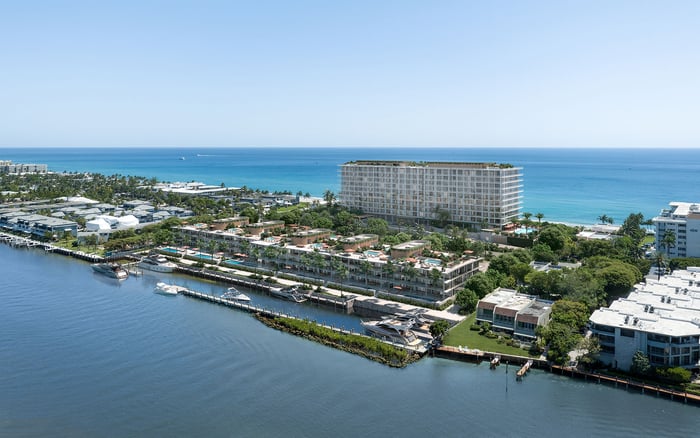
A buyer-focused look at why Hillsboro Beach resonates with yacht-minded purchasers who evaluate marina rules, vessel draft, dock use, and guest-vessel access before choosing a South Florida residence.
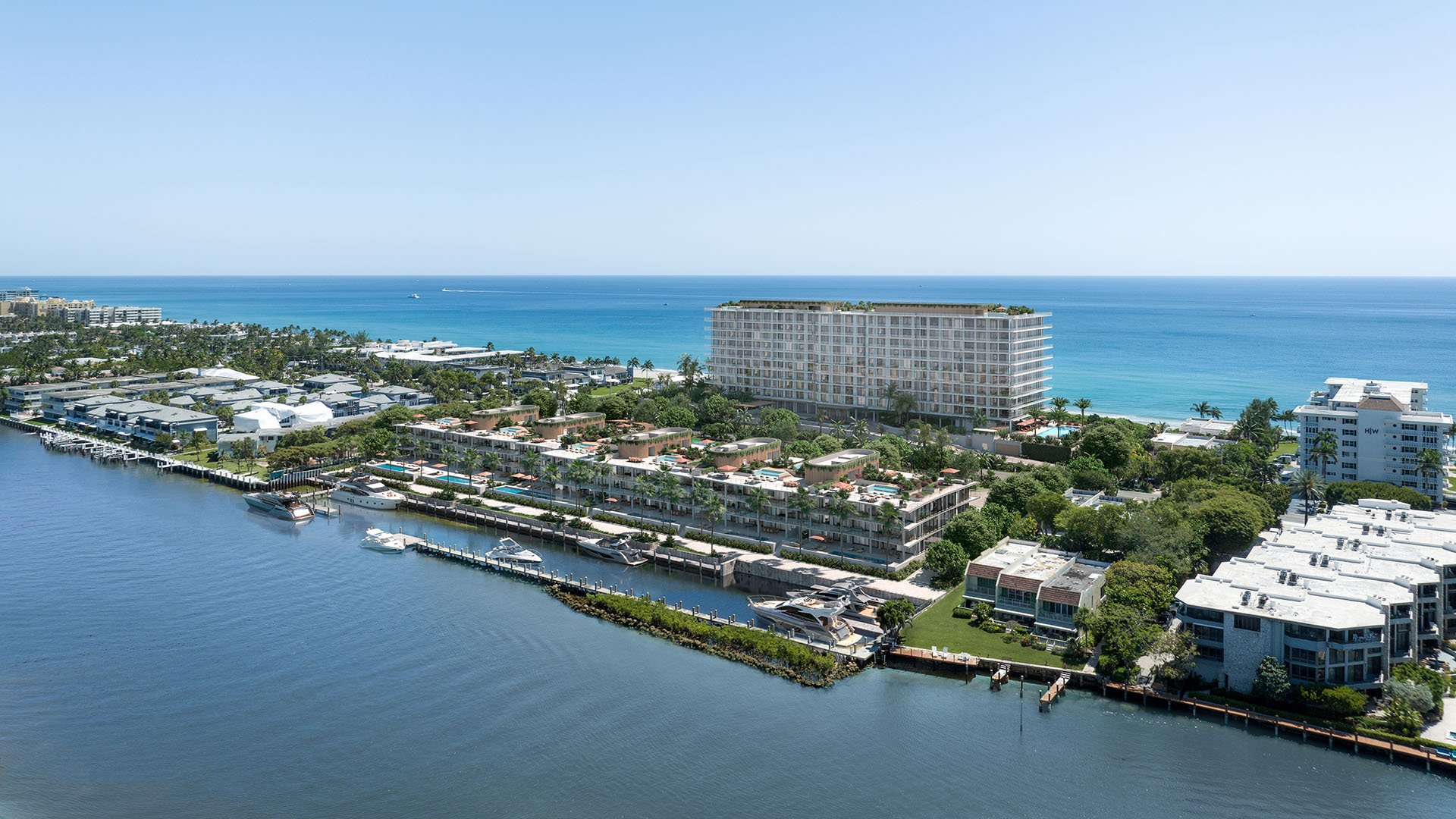
For a certain South Florida buyer, waterfront real estate is not defined by the view alone. It is defined by whether the boat fits, whether the association permits the intended use, whether a captain can arrive without friction, and whether guests can bring a vessel without turning a weekend into an administrative exercise. Through that lens, Hillsboro Beach becomes especially compelling.
The appeal is not spectacle. It is control. Buyers who understand the difference between owning near the water and owning with usable boating infrastructure tend to ask sharper questions. They want to know how marina rules are written, who interprets them, whether dockage is deeded or assigned, how guest vessels are handled, and what happens when a boat changes in size. In this segment, the purchase is part residence, part operating environment.
Within the MILLION editorial taxonomy, this is a Hillsboro-beach, Broward, Marina, Boat-slip, Oceanfront, Second-home conversation. These are not merely labels. They describe the practical intersection of privacy, water access, seasonal use, association governance, and long-term flexibility.
The Hillsboro Beach buyer focused on draft and guest-vessel access is rarely making a casual lifestyle purchase. This buyer may already own a vessel, charter frequently, split time between residences, or host family and friends by water. The residence must support an established rhythm rather than simply promise a romantic idea of coastal living.
That creates a different hierarchy of value. A dramatic terrace still matters, as do building condition, service culture, parking, storage, and interior quality. But the first filter may be operational. Can the vessel be accommodated? Are there restrictions on length, beam, height, liveaboard use, fueling, maintenance, tenders, or overnight guests? Is the dock suitable as used today, and is that use transferable to the next owner?
Discerning buyers also understand that rules are not static in spirit, even when documents appear stable. Enforcement style matters. A relaxed environment on paper may feel restrictive in practice if approvals are slow or discretionary. Conversely, a highly structured marina can be attractive when its standards are clear, consistently applied, and aligned with the owner's boating pattern.
Luxury is often described through finishes, services, and architecture. On the water, luxury can also mean knowing exactly what is permitted. A well-governed marina environment reduces ambiguity. It allows an owner to plan arrivals, guest weekends, captain access, maintenance windows, and seasonal vessel changes without guessing what the board, dockmaster, or management office will allow.
For buyers comparing waterfront residences, marina rules deserve the same attention as the purchase contract. The most important documents often include association declarations, dock agreements, marina rules, architectural or maintenance guidelines, insurance requirements, and any policies that govern visitors. If there is a separate marina entity, its rules may be distinct from the residential association's rules.
The language around ownership is crucial. A boat slip may be deeded, licensed, leased, assigned, or subject to availability. Each structure carries different implications for transferability, resale value, financing review, and day-to-day control. Buyers should also ask whether the slip is tied to a specific unit, whether subleasing is allowed, whether an owner may let a guest use it, and whether the association has approval rights over any vessel.
A vessel's fit is not only about length. Draft, beam, bridge clearance, turning radius, current, tide, lift capacity, fendering, power, water, and access in different conditions can all influence usability. A boat may technically fit within stated dimensions yet remain awkward or impractical for regular use. That distinction is where experienced representation becomes valuable.
Buyers should avoid treating draft as a single number. It is better understood as a working range tied to the specific vessel, loading, tide, approach, and slip conditions. A captain's practical assessment can be as important as the written rule. If a buyer is acquiring a residence before acquiring the boat, diligence should still establish the likely vessel envelope the property can support.
Future flexibility also matters. Owners often change boats as their use evolves. A weekend runabout may become a larger cruiser. A center console may give way to a sportfish. A visiting tender may become part of the family's routine. The strongest purchase decision considers not only today's vessel, but also a realistic next vessel.
Guest-vessel access is a subtle but important point for buyers who entertain by water. A residence may work perfectly for an owner's boat yet become less convenient if friends, family, or charter guests cannot arrive by vessel, tie up temporarily, or remain overnight. In a second-home context, that can change how the property is actually used.
The questions should be precise. Are transient tie-ups permitted? Is there a time limit? Must guests register in advance? Are there restrictions on commercial vessels, charter pickups, crew access, deliveries, or dockside catering? Can a guest vessel use an owner's slip if the owner's boat is away? Are holidays treated differently from ordinary weekends?
These details can feel administrative, but they shape the lifestyle. A beautifully designed waterfront home that cannot accommodate the owner's social pattern may underperform emotionally. Conversely, a residence with clear, workable guest protocols can feel effortless precisely because expectations are known before anyone arrives.
Oceanfront appeal and boating practicality do not always move in lockstep. A buyer may be drawn to the atmosphere of the coast while still requiring functional access for a vessel. That is why the best search process separates romance from diligence. First, identify the lifestyle. Then confirm whether the property documents and physical conditions support it.
In Hillsboro Beach, buyers who care about marina rules are often seeking a refined balance: a residence that feels private and coastal, yet does not leave boating questions unresolved until after contract. The most disciplined approach brings the captain, attorney, insurance advisor, and real estate advisor into the conversation early.
This is especially important for buyers purchasing from out of market. South Florida waterfront norms can vary widely from one building, association, or property type to another. Two residences may appear similar in photography while operating very differently once vessel policies are reviewed. The difference may not be visible from the terrace. It may be buried in the dock rules.
Before making an offer, buyers should request and review the governing documents that affect dockage, marina use, guest access, maintenance, and vessel approvals. They should confirm whether any current use is formally permitted, informally tolerated, or dependent on a prior owner relationship. Assumptions are costly on the water.
A practical diligence file should include the vessel's specifications, the slip dimensions, any depth-related notes available to the owner or association, utility access, insurance obligations, approval procedures, guest policies, and transfer terms. If the buyer plans to employ crew, host frequent guests, or use the residence seasonally, those patterns should be tested against the rules before the inspection period expires.
The strongest waterfront acquisitions feel calm because the hard questions were asked early. For the right buyer, Hillsboro Beach's appeal is not simply that it is coastal. It is that the right property can offer a disciplined, elegant framework for living with the water on specific terms.
Why do marina rules matter so much in a luxury purchase? Marina rules determine how the waterfront can actually be used, including vessel approvals, guest access, maintenance, and transfer rights.
Should a buyer review dock documents before making an offer? Yes. The documents should be reviewed early so vessel fit, ownership rights, and restrictions are understood before major commitments are made.
Is boat length the only measurement that matters? No. Draft, beam, clearance, maneuverability, utilities, lift capacity, and approach conditions can all affect whether a vessel is practical.
Can a guest usually bring a vessel to a waterfront residence? It depends on the property's rules. Buyers should confirm registration requirements, time limits, overnight policies, and any restrictions on transient tie-ups.
What is the difference between a deeded slip and an assigned slip? A deeded slip may carry different ownership and transfer implications, while an assigned slip may be governed more directly by association policy.
Why should a captain be involved in diligence? A captain can evaluate practical vessel fit, approach conditions, docking ease, and whether written dimensions translate into real usability.
Can marina policies affect resale value? Yes. Clear, transferable, and usable boating rights can be meaningful to future buyers who prioritize waterfront functionality.
Do second-home buyers need a different checklist? Often, yes. Seasonal use can make guest access, crew entry, remote approvals, and maintenance permissions especially important.
Should buyers rely on how the current owner uses the dock? Not without verification. Current use should be matched against written rules, approvals, and transfer terms.
What makes Hillsboro Beach attractive to this buyer type? It appeals to buyers who want coastal living evaluated through privacy, discipline, boating practicality, and clearly understood rules.
When you're ready to tour or underwrite the options, connect with MILLION.
If branded residences are on your mind — as a home or as an allocation — we would be glad to share what we are seeing, privately.
Begin a quiet conversation