A discreet buyer’s guide to the outdoor-cooking questions that matter before purchasing at Forté on Flagler, from terrace permissions and fuel types to association approvals, private-chef use, and resale expectations.
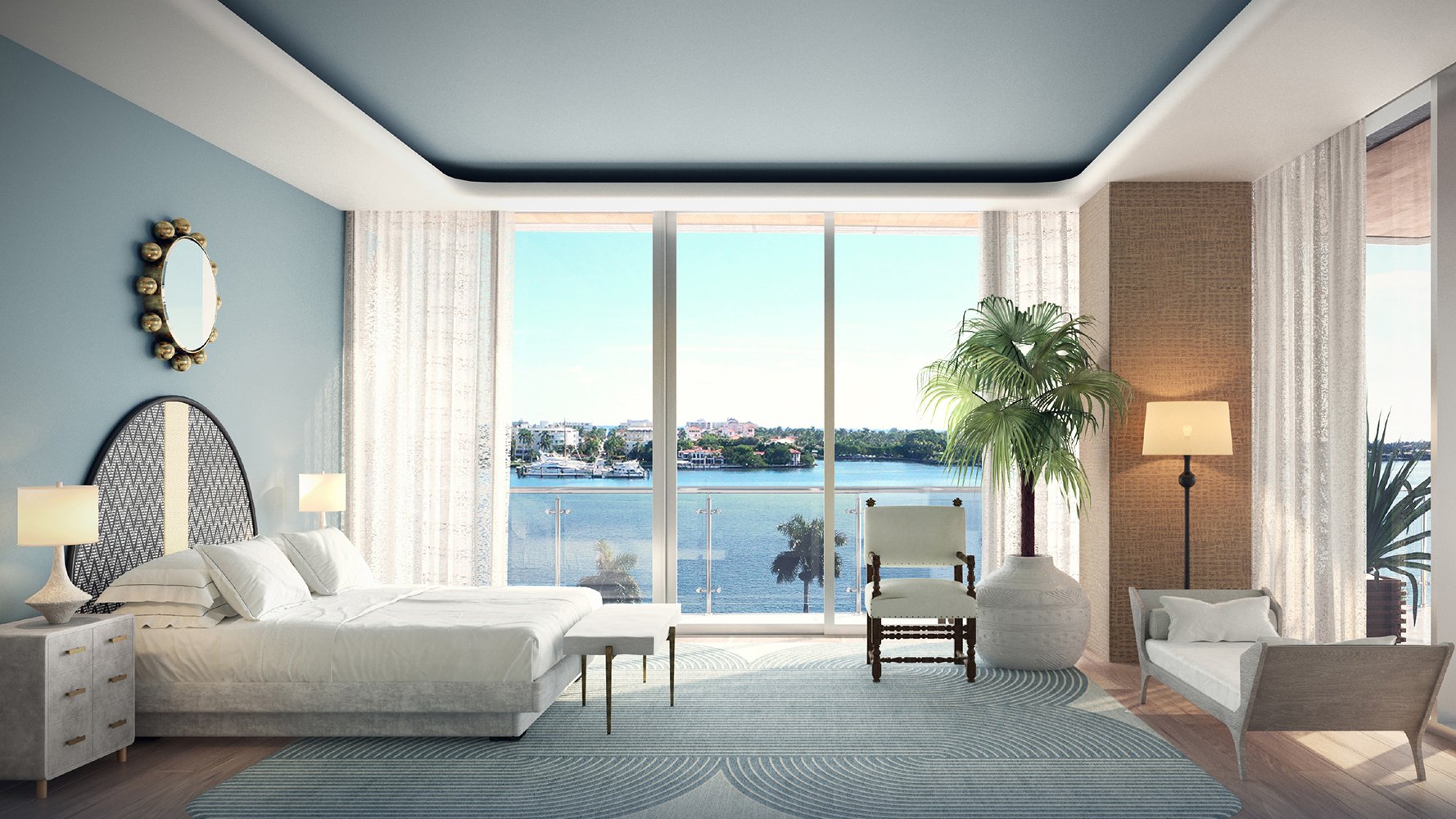
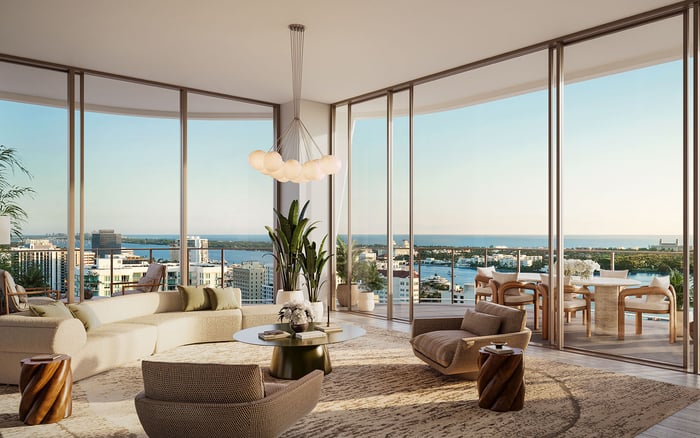
At Forté on Flagler West Palm Beach, terrace life is part of the emotional pull of a condominium purchase. Morning coffee outside, a quiet dinner above the city, or a catered evening with friends all fit within the broader promise of South Florida indoor-outdoor living. Yet for buyers who envision grilling, searing, smoking, or bringing in a chef for an open-air dinner, the central question is not aesthetic. It is legal, operational, and association-driven.
Because Forté on Flagler is a West Palm Beach condominium project, buyers should not infer grill rights from terrace imagery, floor-plan romance, or broad expectations about luxury living. Condominium outdoor-cooking permissions live in governing documents, house rules, architectural guidelines, fire-safety requirements, and sometimes in policies that evolve between the developer sales phase and the owner-controlled association phase.
For a buyer comparing West Palm Beach condominium opportunities, grill rules can affect more than weekend entertaining. They can shape furniture planning, terrace layout, private-chef arrangements, insurance expectations, resale positioning, and the difference between a terrace used as a dining room and one used only as a lounge.
The first question is direct: is private-terrace grilling allowed at all? Buyers should ask whether cooking is permitted on individual terraces, limited to shared amenity areas, or prohibited outside designated building spaces. The distinction matters because a terrace large enough for dining does not automatically carry the right to cook.
The same caution applies to a balcony, even when it feels private and generously scaled. Condominium rules often distinguish between furnishing, dining, heating, planting, storage, and cooking. A buyer should ask for the exact language governing open flames, electrical appliances, portable equipment, built-ins, odor, smoke, and combustible fuels.
Fuel type is another critical point. Gas, electric, charcoal, pellet, smoker, and built-in summer-kitchen equipment may be treated differently. An association may allow one category and restrict another, or require professional review before any equipment is placed or installed. The word grill is not specific enough for a purchase decision.
Buyers should ask whether any terraces are pre-plumbed or otherwise designed for outdoor cooking. Relevant details include gas lines, shutoff valves, ventilation, drainage, waterproofing, electrical capacity, and the location of exterior finishes, railings, glass, and mechanical systems. If a terrace has no infrastructure for cooking, retrofitting can raise approval, warranty, and insurance questions.
Even if a residence appears physically capable of supporting an appliance, permission may still be separate. Outdoor cooking equipment may need approval from the association, building engineer, architectural review process, or fire-safety authority. For buyers accustomed to single-family homes, this is often the key adjustment: a condominium terrace is part of a shared vertical building ecosystem, not a detached backyard.
Combustible fuels deserve particular scrutiny. Portable propane tanks, charcoal, wood, and similar materials may be restricted by building rules or fire-safety requirements. A buyer who wants a true grill experience should ask whether the allowed appliance, if any, is electric only, permanently connected, professionally installed, or limited to a specific location.
For many luxury buyers, the question is less about weeknight cooking and more about hosting. If outdoor entertaining is part of the ownership vision, ask whether smoke, odor, grease, noise, or cooking-hour restrictions apply to private terraces. These rules can turn a seemingly minor appliance decision into a meaningful lifestyle boundary.
Private chefs and caterers require their own line of inquiry. Buyers should ask whether outside vendors may cook on a residence terrace, whether they must use approved common-area kitchens or amenity spaces, and whether the building requires certificates of insurance, staff coordination, deposits, reservations, or event approvals. A dinner that feels effortless to guests may require advance compliance behind the scenes.
Shared grilling amenities, if available, should be examined with the same precision. Are they reservable? Are they first-come, first-served? Is staff supervision required? Are fees, deposits, hours, guest limits, or cleaning rules attached? Amenity grilling can be elegant and convenient, but it is not the same as having unfettered private control.
The most important buyer habit is to move from verbal assurance to written confirmation. Before signing or closing, request the current condominium declaration, bylaws, house rules, architectural guidelines, and any grill-specific policies. If a sales-team member describes what owners can do on terraces, document that statement in writing and cross-check it against the governing documents.
New-construction buyers should also ask who controls grill rules during the sales phase and whether those rules can change after turnover to the owner-controlled association. A policy that feels settled today may be amended later through the building’s governance process, depending on the documents and association authority.
Buyers should also verify whether grill-related alterations could affect terrace waterproofing, exterior finishes, railings, glass, mechanical systems, warranties, or insurance coverage. In a luxury condominium, the most expensive grill issue is rarely the appliance itself. It is the unintended consequence of an unapproved installation.
Do not assume one answer applies equally to every home in the building. Buyers should ask whether rules differ by residence line, terrace size, floor level, or penthouse status, and whether any residence includes a designed-in outdoor kitchen. A large terrace may offer more practical flexibility, but only the documents and approvals determine what can actually happen there.
This is also where resale enters the conversation. A future buyer may ask the same questions, especially if the residence is marketed around outdoor living. Written clarity today can support cleaner expectations later, while vague assumptions can create friction during due diligence.
For buyers comparing Forté with single-family homes, the contrast is important. A private-home outdoor kitchen usually operates within a different framework than a high-rise condominium terrace. Condominium ownership offers lock-and-leave convenience, services, and shared amenities, but it also requires respect for neighboring residences, building systems, and collective safety rules.
A serious buyer should leave the sales process with clear answers to essential questions. Is private-terrace grilling allowed? Which fuel types and appliance categories are permitted? Are portable propane, charcoal, wood, pellet, or smoker setups restricted? Are built-ins or summer kitchens allowed only when designed into the residence?
The next layer is operational. Who approves equipment? What drawings, specifications, insurance documents, or inspections are required? Are there rules for smoke, odor, grease, noise, hours, chef access, vendor use, or event size? If grilling is limited to common areas, what reservation and fee structure applies?
The final layer is durability. Could the rules change after association turnover? Could an alteration affect warranties or insurance? Is every statement about grilling reflected in the condominium documents or in written correspondence? The best answer for a buyer is not necessarily the most permissive one. It is the one that is specific, current, and documented.
Can buyers assume Forté on Flagler allows private-terrace grills? No. Buyers should verify permissions in the condominium documents and current house rules rather than relying on terrace marketing.
What is the first grill question to ask? Ask whether grilling is allowed on private terraces, limited to shared amenity areas, or not permitted outside designated spaces.
Do grill rules depend on the type of grill? They can. Gas, electric, charcoal, pellet, smoker, and built-in summer-kitchen equipment may be treated differently.
Should buyers ask about gas lines and electrical capacity? Yes. Infrastructure such as gas, shutoff valves, ventilation, drainage, and electrical capacity should be confirmed in writing.
Are portable propane tanks automatically allowed? No. Portable propane, charcoal, wood, and other combustible fuels may be restricted by building rules or fire-safety requirements.
Can a private chef cook on a residence terrace? Buyers should ask specifically, because outside vendors may need approval or may be required to use common-area facilities.
Can grill rules change after buyers close? They may, depending on the governing documents and association control, especially after turnover from the developer phase.
Do penthouses always have different grill rights? Not automatically. Buyers should ask whether rules vary by line, terrace size, floor level, or penthouse status.
Why do grill alterations require caution? They may affect waterproofing, exterior finishes, mechanical systems, warranties, approvals, or insurance coverage.
What should buyers keep in writing? Any sales-team statements about grilling should be documented and checked against the declaration, bylaws, house rules, and final policies.
For a tailored shortlist and next-step guidance, connect with MILLION.
If branded residences are on your mind — as a home or as an allocation — we would be glad to share what we are seeing, privately.
Begin a quiet conversation