A discreet buyer’s guide to evaluating a seasonal Palm Beach pied-à-terre beyond the view, from arrival rhythm and building culture to upkeep, privacy, and resale discipline.
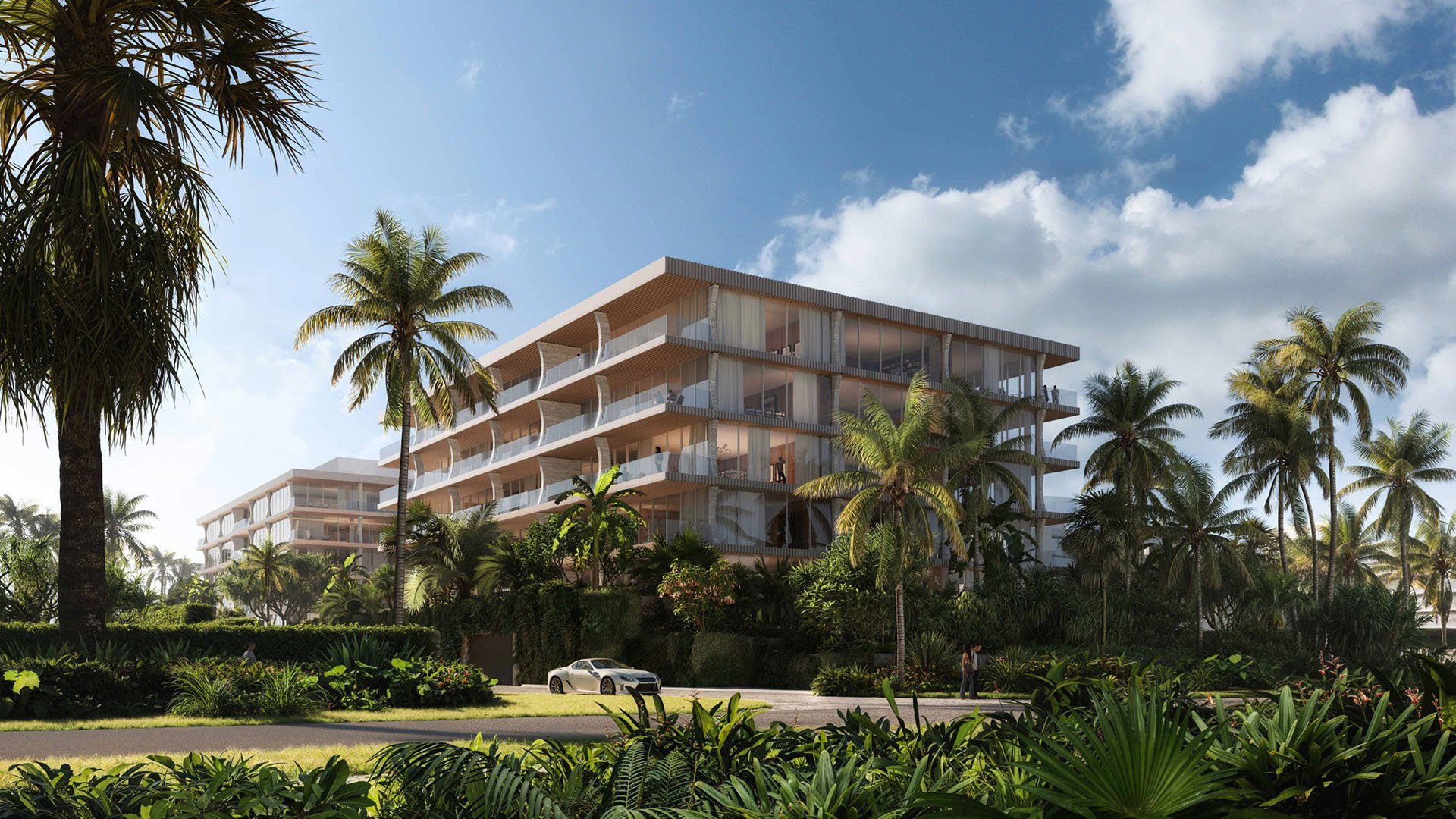
A seasonal pied-à-terre in Palm Beach is often purchased in a moment of seduction: a line of water, a sweep of sky, a terrace that catches the afternoon light just so. The view matters, of course. It is part of the emotional dividend of owning here. But for a buyer who will live in the residence intermittently, the more important question is quieter: will the home perform beautifully when you arrive tired, host selectively, leave for weeks, and return without friction?
That is the difference between a pretty apartment and a genuinely useful second home. The former photographs well. The latter supports a personal rhythm, protects privacy, simplifies ownership, and feels composed even when the season is in full motion. In Palm Beach, judgment begins before the balcony door opens.
The first test is the approach. A seasonal residence should make arrival feel effortless, not ceremonious in a way that becomes inconvenient. Consider where a car stops, how guests are received, how luggage moves, how packages are handled, and whether staff can assist without making every arrival visible.
This is especially important for buyers dividing time among multiple homes. The best pied-à-terre is not the one with the most dramatic first impression. It is the one that makes the second, fifth, and fiftieth arrival feel calm. If the elevator, lobby, garage, entry door, and service routes are awkward, the view cannot compensate.
Buyers comparing Palm Beach with nearby West Palm Beach options may use projects such as Palm Beach Residences and Forté on Flagler West Palm Beach as a reminder that the ownership experience is shaped as much by access and building choreography as by the outlook itself.
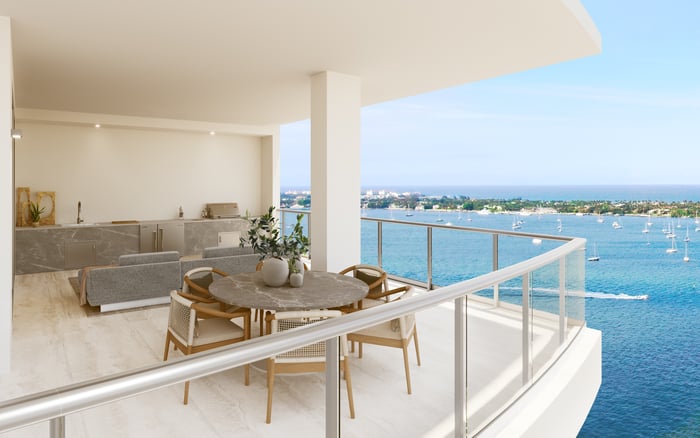
A Waterview should be evaluated at different times of day, from different rooms, and from the places where you will actually sit. A living room panorama may be impressive, yet a breakfast area, primary bedroom, or small reading corner may provide the view you use most.
Look for glare, heat, reflections, sound exposure, and the way window treatments affect the mood of the home. Seasonal owners often arrive during the most desirable months, when light and entertaining patterns matter. A dramatic exposure that feels spectacular for ten minutes may feel demanding for an entire afternoon.
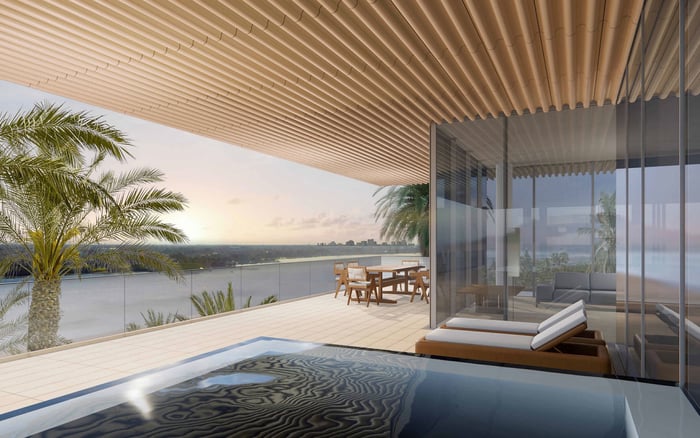
Terraces deserve particular restraint. Ask whether the outdoor space is deep enough to furnish well, private enough to use, and sheltered enough to enjoy without constant adjustment. In the luxury market, the most valuable terrace is not always the largest. It is the one that becomes part of daily life.
A pied-à-terre is never just a private interior. It is also membership in a building culture. Some residences feel formal and quiet. Others are more social, amenity-driven, or hospitality-inflected. None is inherently better, but one will be better for you.
Before falling in love with stone, millwork, or a sunset, understand the tone of the building. How do residents use shared spaces? Is the lobby discreet or animated? Are guests frequent? Does the staff appear polished, consistent, and empowered? For a seasonal owner, building culture can determine whether the residence feels like a sanctuary or a compromise.
Buyer’s guides can be useful here: not as a substitute for private judgment, but as a framework for asking sharper questions. In a market where presentation is highly refined, a buyer should distinguish elegance from ease.
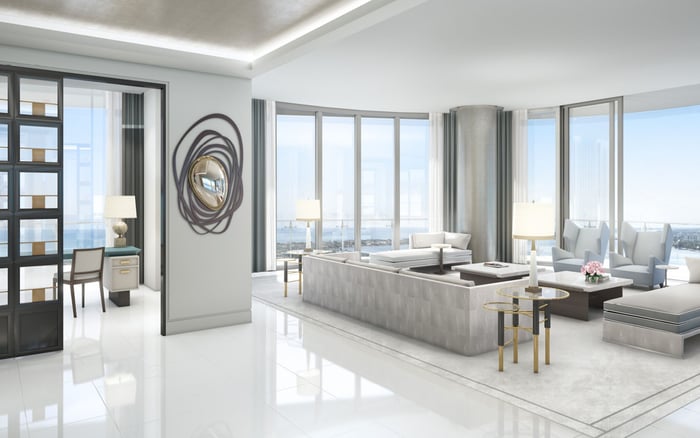
Seasonal living places unusual demands on a floor plan. A full-time residence may tolerate complexity because daily habits smooth over imperfections. A pied-à-terre should be immediately legible. You should know where bags go, where guests gather, where staff can work if needed, and where personal items can remain without making the home feel closed when you leave.
Storage is more important than many view-led buyers admit. So are owner closets, laundry practicality, pantry logic, and a secondary bedroom that can flex between family, guests, or quiet work. A jewel-box residence can be ideal, but only if it has been planned with precision.
When evaluating waterfront alternatives outside Palm Beach proper, a project such as The Ritz-Carlton Residences® Palm Beach Gardens can help buyers think comparatively about scale, privacy, service expectations, and the degree of residential formality they prefer.
The less you occupy a residence, the more operational excellence matters. A seasonal home should be easy to secure, monitor, refresh, and reopen. Ask how maintenance access is handled, how vendors are coordinated, how deliveries are stored, and what happens when a minor issue arises while you are elsewhere.
The goal is not merely convenience. It is preservation. Fine finishes, climate control, art, clothing, and furnishings all benefit from steady oversight. A residence that depends on the owner being present to function is not an ideal pied-à-terre, no matter how cinematic the view.
The best buildings make absence feel anticipated. They allow the owner to leave without mental residue and return without a list of tasks. That quality is difficult to photograph, but sophisticated buyers recognize it quickly.
Privacy is not a single feature. It is a sequence of protections: arrival discretion, elevator control, sightlines, terrace exposure, staff professionalism, guest management, acoustic separation, and the subtle social codes of the building.
A high-floor residence may offer visual privacy, but it may also expose a buyer to stronger light or different service logistics. A lower-floor home may feel connected and gracious if landscaping, setbacks, and circulation are handled well. The correct answer depends on how you live, entertain, and retreat.
In Palm Beach, discretion often carries as much value as drama. A view that attracts attention can be less desirable than a residence that allows its owner to disappear elegantly.
Even if the purchase is primarily personal, resale discipline should shape the decision. The most resilient pied-à-terre typically has a clear identity: a graceful floor plan, credible building, coherent view, convenient access, and an ownership experience that future buyers can understand quickly.
Avoid paying solely for a moment that cannot be repeated during a showing. Instead, ask what will remain compelling when the weather is ordinary, the home is unfurnished, or a buyer is comparing multiple properties in a single afternoon. The lasting assets are proportion, light, privacy, service, and location logic.
A seasonal residence should be romantic, but it should not be impulsive. The art is to let emotion identify the opportunity and discipline confirm it.
The right seasonal home has a particular sensation. It does not ask you to adapt too much. It receives you easily, frames the view without letting it dominate every decision, and remains composed in your absence. It gives you Palm Beach when you want it and privacy when you need it.
That is why the best purchase process is deliberately unhurried. Visit more than once if possible. Stand in each room without talking. Imagine a late arrival, a quiet morning, a dinner for close friends, and a departure before sunrise. If the residence still feels natural in each scenario, the view may be more than beautiful. It may be earned.
What is the first thing to judge in a Palm Beach pied-à-terre? Begin with the arrival experience and daily rhythm. A seasonal residence should feel effortless before the view becomes part of the conversation.
Should a buyer prioritize a waterfront address over interior quality? Not automatically. Waterfront appeal is strongest when the floor plan, privacy, service, and upkeep standards support the setting.
How important is a Waterview for resale? A Waterview can help, but it should be coherent from the main living spaces and usable in daily life. Proportion and building quality still matter.
Is West Palm Beach a reasonable comparison for Palm Beach buyers? Yes, for buyers who want to compare access, building style, service, and lifestyle rhythm. The best choice depends on how the home will be used.
What makes a good second-home floor plan? It should be intuitive, easy to lock and leave, and generous enough for guests or quiet work. Storage and service access are especially important.
How should buyers evaluate terrace space? Look at depth, privacy, exposure, and actual furnishability. A smaller terrace that is comfortable may outperform a larger one that is difficult to use.
Why does building culture matter so much? Seasonal owners rely heavily on the building’s tone, staff, and shared expectations. A mismatch can make even a beautiful residence feel wrong.
Should finishes drive the decision? Finishes matter, but they are easier to change than outlook, circulation, privacy, and building quality. Judge the permanent attributes first.
How can a buyer avoid being overly influenced by the view? Visit at different times and focus on how the residence functions. If daily life feels compromised, the view is doing too much work.
What is the clearest sign of the right pied-à-terre? It feels calm, secure, and natural from arrival to departure. The best homes make seasonal ownership feel effortless.
For a discreet conversation and a curated building-by-building shortlist, connect with MILLION.
If branded residences are on your mind — as a home or as an allocation — we would be glad to share what we are seeing, privately.
Begin a quiet conversation