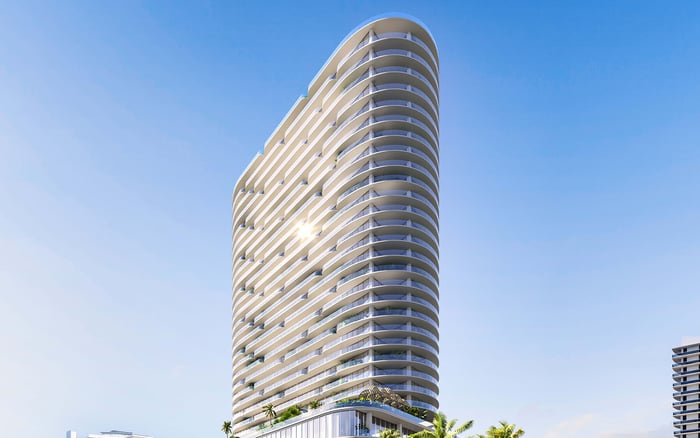
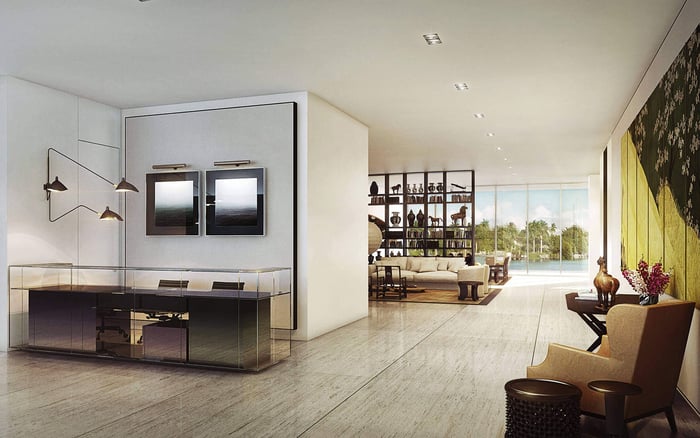
A discreet buyer’s guide to water-intrusion due diligence at Continuum Club & Residences in North Bay Village, focused on written records, unit-level inspection, association documentation, insurance history, and waterfront resilience questions before contract deadlines expire.
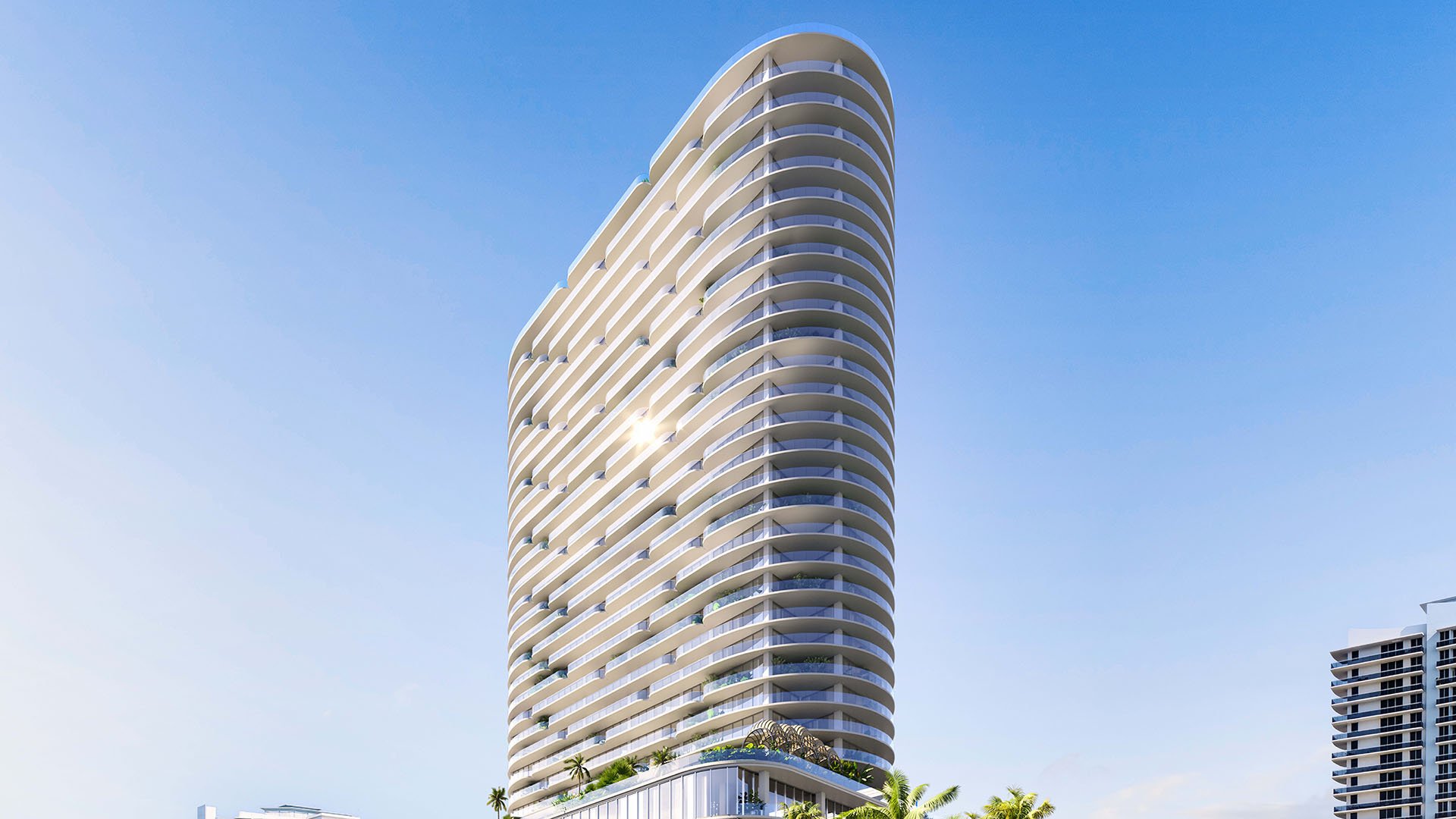
Buying at Continuum Club & Residences North Bay Village calls for a more exacting form of waterfront due diligence. In South Florida, water is not an abstraction. It is the view, the amenity, the atmosphere, and, at times, the variable that determines how carefully a buyer should review a building before closing.
This is not a suggestion that Continuum Club & Residences North Bay Village has a confirmed water-intrusion issue. It is a buyer’s framework for asking the right questions before funds become nonrefundable, before inspection periods expire, and before elegant renderings or polished sales language stand in for documented answers.
For a North Bay Village buyer, the strongest question is rarely broad. “Has the building ever had water intrusion?” invites a vague answer. A more disciplined approach asks where, when, why, how often, how it was repaired, who paid, and what documentation exists.
Water due diligence should not stop at the residence door. Ask for any documented history of water intrusion in private residences, common areas, parking levels, amenity spaces, mechanical rooms, storage areas, waterfront zones, and podium areas. A luxury building is an ecosystem. A dry unit above a poorly understood lower-level condition is not the same as a fully documented building.
The inquiry should also be specific to building components. Ask whether leaks have ever affected windows, balcony doors, curtain walls, roof areas, terraces, slab edges, expansion joints, plumbing chases, or façade penetrations. In a high-end purchase, these are not minor technicalities. They are the points where architecture meets exposure.
Buyers comparing nearby waterfront options such as Shoma Bay North Bay Village and Tula Residences North Bay Village should apply the same discipline from project to project. Waterfront beauty is not a substitute for written maintenance history.
Cause matters because the remedy should match the source. Ask whether prior water events were attributed to wind-driven rain, storm surge, king tides, groundwater, plumbing failures, roof drainage, or façade and window-system performance. These are distinct categories, and each carries a different implication for risk, repair, and recurrence.
A plumbing failure inside a line may be isolated. A recurring façade condition on a particular exposure can indicate a pattern. A drainage concern in a lower-level area may belong to a broader conversation about stormwater design, pump capacity, garage drainage, backup power for pumps, and protection of electrical or mechanical systems.
The waterfront and waterview premium should come with equal attention to resilience. Ask whether lower-level amenities, parking, storage, lobbies, service corridors, and mechanical spaces are elevated, sealed, drained, or otherwise protected from bay-side flooding risks.
The most important buyer phrase is simple: “Please provide the records.” Request incident logs, maintenance records, engineering reports, remediation scopes, mold reports, insurance claims, and board or association meeting minutes related to water issues. Verbal comfort from a seller, broker, manager, or sales team is not enough for a purchase of this scale.
Ask whether the building has conducted water testing, façade inspections, roof inspections, waterproofing reviews, balcony-drainage checks, or sealant and joint-replacement programs. Also ask whether any prior repairs were completed by licensed contractors and whether warranties remain in place for waterproofing, windows, doors, roofing, or façade systems.
In the language of buyer’s guides, documentation is not adversarial. It is protective. It helps serious buyers distinguish routine building stewardship from unresolved exposure.
A single event may matter less than a pattern. Ask whether recurring leaks have occurred in the same stack, exposure, elevation, corner units, penthouse areas, or lower-level spaces. A pattern can change how an inspector reviews the property and how a buyer evaluates future maintenance risk.
Corner residences, high floors, penthouse areas, and units with broader glass lines or terraces may require especially careful review of sealants, thresholds, balcony doors, window frames, ceilings, and flooring. A balcony should not be treated only as an amenity. It is also a due-diligence location.
This same mindset applies across the bay and island markets. Buyers studying boutique waterfront product such as La Baia North Bay Harbor Islands should ask similarly precise questions about exposures, drainage, doors, windows, and lower-level protection.
Water history is also financial history. Ask whether prior water-related expenses were paid from reserves, operating funds, insurance proceeds, developer funds, litigation recoveries, or special assessments. The answer can help reveal whether the issue was routine, costly, disputed, or significant enough to affect ownership economics.
Ask whether the association has any pending or threatened claims, disputes, warranty demands, or litigation involving leaks, waterproofing, mold, façade performance, windows, doors, or drainage. Also ask whether the building’s insurance history includes water-damage claims, denied claims, increased deductibles, coverage exclusions, or premium increases tied to water losses.
A refined building can still have a complex insurance file. The question is whether the buyer is allowed to understand that complexity before committing.
The seller should be asked directly whether water intrusion was ever experienced inside the specific residence, including at balcony doors, window frames, ceilings, flooring, closets, HVAC areas, or demising walls. Ask for written seller disclosures and confirm whether repainting, flooring replacement, drywall work, cabinetry replacement, or other cosmetic work followed prior moisture damage.
An independent inspector or engineer should review the unit before contract deadlines expire. The review should include the balcony, windows and doors, ceilings, moisture readings, HVAC closets, visible staining, sealant deterioration, flooring transitions, and any areas where finishes could conceal prior moisture.
For buyers also considering established coastal towers such as The Ritz-Carlton Residences® Miami Beach, the principle is the same: luxury finishes deserve technical verification.
A water event is one thing. The response is another. Ask management how quickly past events were investigated, communicated to residents, remediated, documented, and prevented from recurring. A strong building culture leaves a paper trail: notices, scopes, contractor records, follow-up testing, warranty correspondence, and board discussion.
The most reassuring answer is not “nothing ever happens.” In waterfront South Florida, serious buyers should be wary of answers that sound too smooth. The better answer is organized, specific, documented, and easy to verify.
Should I assume Continuum Club & Residences has a water-intrusion problem? No. Treat this as prudent waterfront due diligence unless verified documents show a specific issue.
What records should I request first? Start with incident logs, maintenance records, engineering reports, remediation scopes, insurance claims, mold reports, and association minutes.
Should I ask only about the unit I want to buy? No. Ask about the specific residence as well as the building’s common areas, parking, amenity, storage, mechanical, podium, and waterfront spaces.
Why do recurring leaks matter more than isolated events? Recurrence by stack, exposure, elevation, or lower-level location may signal a condition that requires deeper technical review.
What building components deserve special attention? Windows, balcony doors, curtain walls, terraces, slab edges, expansion joints, roof areas, plumbing chases, and façade penetrations.
Should I rely on verbal answers from management or a seller? No. Ask for written disclosures and supporting documents before inspection or contract deadlines expire.
Can cosmetic renovations hide past moisture damage? They can. Ask whether repainting, flooring, drywall, cabinetry, or finish replacement followed any prior water event.
Why does insurance history matter? Water-damage claims, denied claims, higher deductibles, exclusions, or premium changes can affect future ownership risk.
When should I bring in an inspector or engineer? Before contingencies expire, with enough time to review moisture readings, visible conditions, windows, doors, balconies, and HVAC areas.
What is the strongest buyer takeaway? Require written answers, review supporting records, and let independent technical advice guide your decision.
For a tailored shortlist and next-step guidance, connect with MILLION.
If branded residences are on your mind — as a home or as an allocation — we would be glad to share what we are seeing, privately.
Begin a quiet conversation