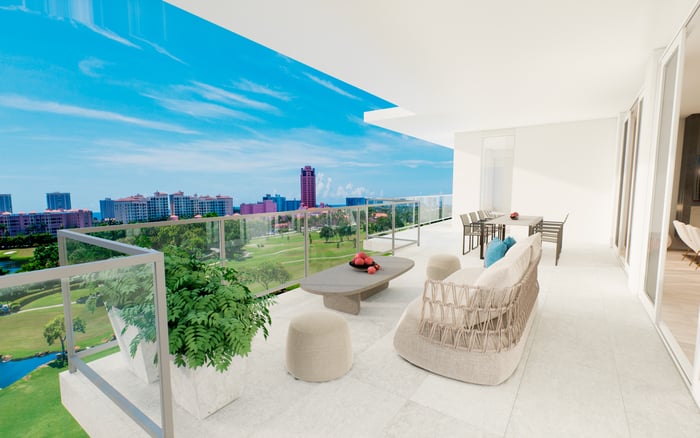
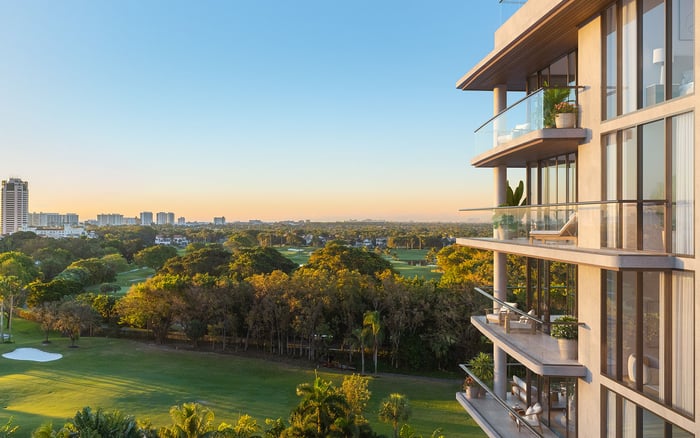
Glass House Boca Raton is a governance-conscious luxury condominium candidate for buyers who now evaluate associations as carefully as finishes, amenities, and location.
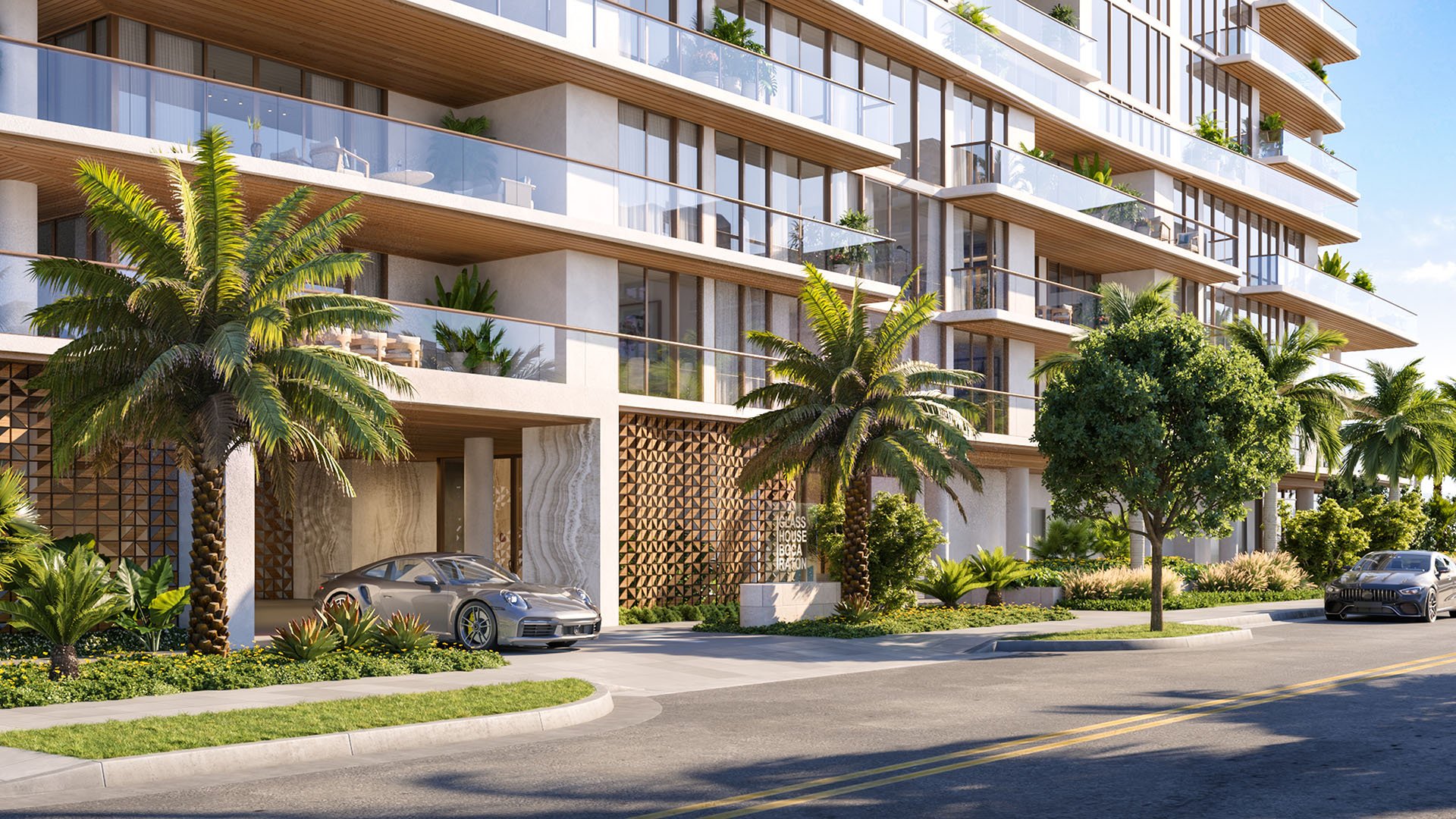
South Florida condominium buyers have become more exacting. Views, terraces, service, and design still matter, but the most sophisticated purchasers now begin with a quieter question: how will this building be run over time? That question places Glass House Boca Raton in a more consequential conversation, one shaped by governance, capital preservation, risk management, and owner confidence.
The premise is not that any new building can promise a flawless future. It cannot. The point is more disciplined: a new luxury condominium can be evaluated from inception around budgets, reserves, building systems, management protocols, and board culture. For buyers who view a condominium association as an operating entity with fiduciary obligations, Glass House Boca Raton belongs on the shortlist because it brings governance into the purchase lens rather than treating it as an afterthought.
Older condominium buildings across South Florida often carry layered histories: deferred maintenance, legacy systems, shifting insurance realities, and evolving reserve expectations. Some have managed those variables well. Others have had to retrofit not only physical components, but also financial discipline and compliance practices.
New construction is the strategic point for Glass House. The governance thesis is that policies, budgeting norms, building systems, management expectations, and reserve planning can be aligned with current buyer expectations from the beginning. That does not remove the need for due diligence, but it can give purchasers a cleaner starting point than a legacy association where past decisions may shape today’s obligations.
For a Boca Raton buyer comparing Alina Residences Boca Raton, The Residences at Mandarin Oriental Boca Raton, and Glass House, the question is not simply which residence feels most elegant. It is which ownership structure feels most transparent, durable, and understandable after the closing.
Boutique buildings often appeal to affluent buyers because they feel more private and personal. In a governance context, the appeal can be even more practical. Smaller ownership dynamics may make communication, budget review, and owner engagement more controllable than in larger legacy associations with many constituencies and inherited complexities.
That is not a blanket guarantee. A smaller building still needs serious professional management, clear financial reporting, competent legal and engineering advice, and owners who understand that luxury service must be funded responsibly. Yet boutique scale can help a buyer understand who owns alongside them, how priorities may be set, and whether the building’s decision-making culture is likely to remain focused.
Glass House Boca Raton is framed as both a lifestyle product and a governance-conscious ownership candidate. That dual identity matters. Luxury buyers are not abandoning pleasure. They are asking that pleasure be supported by an operating model that protects the asset.
Governance quality can influence liquidity, special-assessment risk, owner trust, and the long-term perception of a building. These are not abstract concerns. A beautiful condominium can still become difficult to own or resell if buyers lose confidence in its association, financial planning, insurance posture, or maintenance discipline.
This is where the conversation becomes more refined. Strong governance is not only about avoiding problems. It is about preserving optionality. Owners want to know that the building can respond intelligently to future capital needs, regulatory expectations, and market scrutiny. Investment discipline now includes the condominium documents, budget assumptions, reserve philosophy, and management depth.
In that sense, Glass House is relevant because it is being considered at the moment when South Florida buyers have become more governance literate. The buyer who once asked only about amenities may now ask who will manage the building, how decisions will be documented, and whether the association’s practices are designed for resilience.
A governance-focused shortlist is only the beginning. Buyers should review the condominium documents, proposed budgets, reserve approach, insurance structure, management agreements, maintenance protocols, warranty framework, and any rules that may affect lifestyle or resale. They should also understand how the transition from developer control to owner control is expected to function.
This is where a governance lens protects against both complacency and overconfidence. Glass House Boca Raton’s new-development status is a practical advantage because systems and protocols can be designed from the start, but buyers should still verify how those intentions appear in written documents. The strongest purchase decisions pair architectural desire with document-level clarity.
A buyer touring Mr. C Residences Boca Raton and Glass House may love different expressions of luxury. The more revealing comparison may be operational: how each building frames service, ownership obligations, budget transparency, and long-term stewardship.
Boca Raton offers an established luxury market with a walkable, polished character that appeals to affluent full-time residents, seasonal owners, and buyers seeking a more composed South Florida rhythm. Glass House’s setting is part of the appeal because governance-conscious buyers rarely evaluate a building in isolation. They also evaluate the depth, maturity, and lifestyle stability of the surrounding market.
For this audience, the right condominium is not merely a place to stay. It is a long-term ownership platform. The building must feel elegant on arrival and credible in the boardroom. Glass House belongs in that discussion because it speaks to both sides of the luxury equation: daily experience and durable stewardship.
Glass House Boca Raton deserves attention from buyers who prioritize strong building governance because it aligns with the current shift in luxury condominium thinking. Its boutique positioning, new-development framework, and Boca Raton context make it a rational candidate for purchasers who care about more than finishes.
The prudent conclusion is balanced. Glass House should not be treated as proven simply because it is new, nor should any buyer assume that design quality automatically equals governance quality. It should be shortlisted because it gives discerning purchasers a clean opportunity to test governance from the beginning, before habits, budgets, and board practices become entrenched.
Why is governance important when buying a luxury condominium? Governance affects budgeting, maintenance discipline, owner confidence, resale perception, and the likelihood of unexpected assessments.
Why does Glass House Boca Raton stand out for governance-focused buyers? It is framed as a boutique luxury condominium where systems, protocols, and ownership expectations can be considered from inception.
Does new construction guarantee better governance? No. It can provide a cleaner starting point, but buyers still need to review documents, budgets, insurance, reserves, and management structure.
What should buyers ask before purchasing at Glass House Boca Raton? Buyers should ask how budgets, reserves, maintenance standards, management duties, and transition procedures are documented.
Why can boutique scale matter in condominium governance? Smaller ownership dynamics may make communication, oversight, and budget accountability easier to understand and monitor.
Is governance only a financial issue? No. It also shapes service quality, owner trust, rule enforcement, building culture, and the long-term residential experience.
How does governance relate to resale value? Buyers often discount buildings with unclear budgets, weak maintenance discipline, or poor owner confidence, which can affect liquidity.
Should buyers compare condominium associations like operating entities? Yes. Sophisticated buyers increasingly evaluate associations through budgets, risk controls, fiduciary duties, and management practices.
Is Boca Raton a relevant setting for governance-conscious luxury buyers? Yes. Boca Raton offers an established luxury market where long-term ownership stability is often part of the purchase rationale.
What is the best way to shortlist comparable options for touring? Start with location fit, delivery status, and daily lifestyle priorities, then compare stacks and elevations to validate views and privacy.
For a confidential assessment and a building-by-building shortlist, connect with MILLION.
If branded residences are on your mind — as a home or as an allocation — we would be glad to share what we are seeing, privately.
Begin a quiet conversation